Garlic Lovers Roast Beef: the Dragons Breath Dinner Hero
- The Ultimate Garlic Lovers Roast Beef: Achieving Maximum Flavor Penetration
- The Science of "Too Much Garlic": Flavor Dynamics Explained
- Essential Ingredients for Your Garlic Lovers Roast Beef
- Crafting the Dragon’s Breath Roast: Step-by-Step Method
- Troubleshooting Your Roast: Expert Tips for a Flawless Result
- Storage, Reheating, and Leftover Ideas
- Perfect Pairings: What to Serve with Garlic Lovers Roast Beef
- Recipe FAQs
- 📝 Recipe Card
The Ultimate Garlic Lovers Roast Beef: Achieving Maximum Flavor Penetration
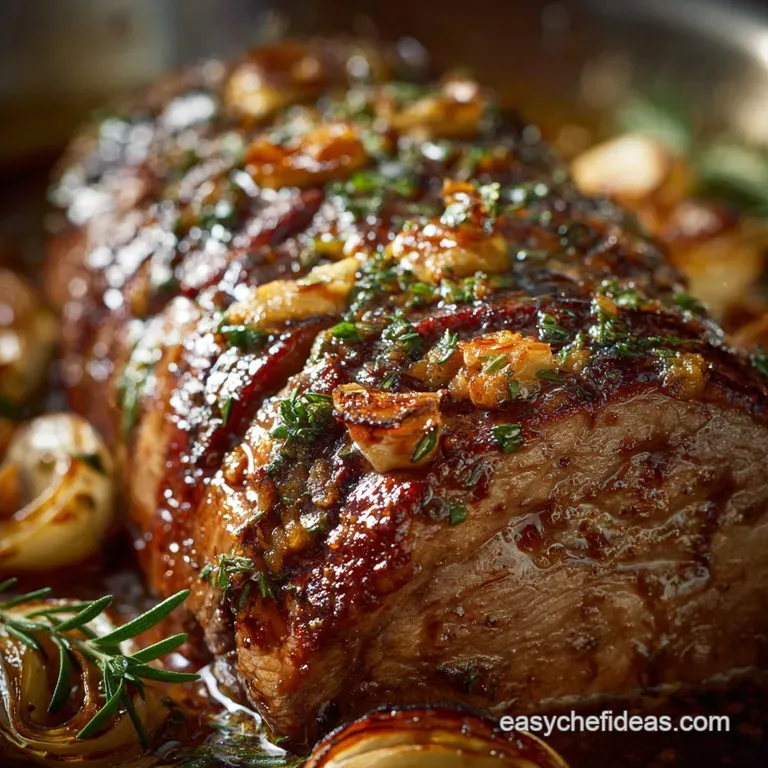
The moment this roast hits the oven, your house stops smelling like a house and starts smelling like the best Italian steakhouse you've ever imagined. That savory, pungent mix of roasted garlic and deep, caramelized beef crust is just legendary.
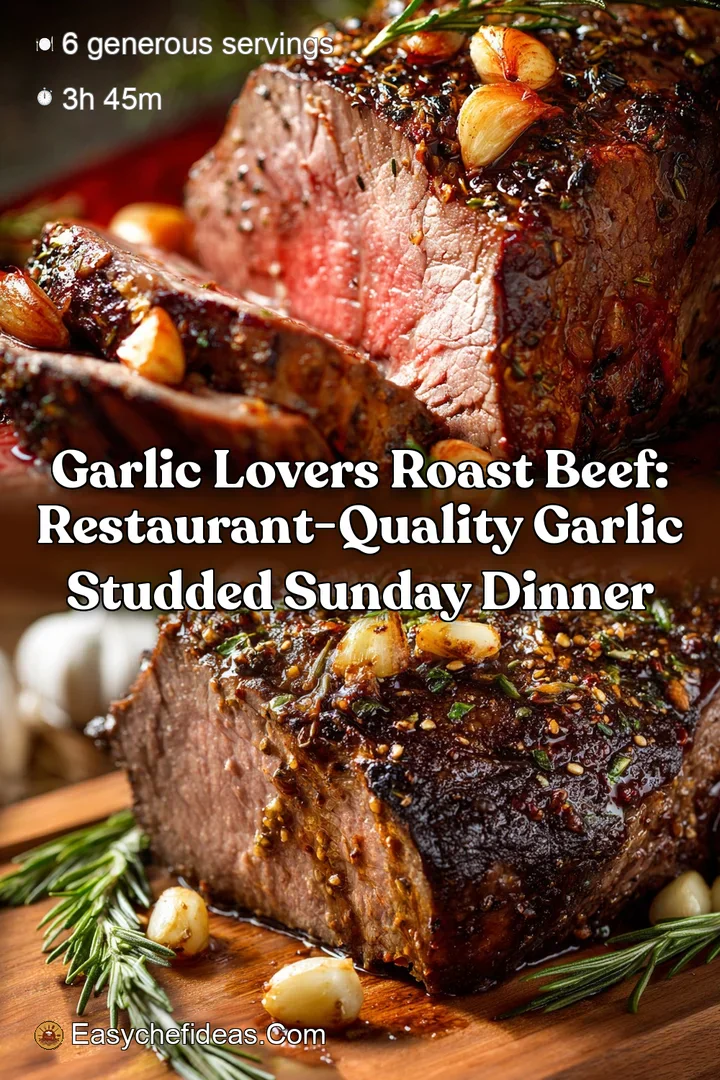
When you slice into that tender joint, you see those little pockets of soft, butter like garlic that have perfectly infused the meat.
I love this recipe because it’s a total lifesaver for big family gatherings, but honestly, it’s so easy you can make it any Tuesday. It looks incredibly impressive, it feeds a crowd affordably (especially if you choose a Topside cut), and the hands-on time is surprisingly low.
It takes a little patience waiting for that crucial resting period, but trust me, it’s worth the torture.
We aren't just rubbing some minced garlic on the outside here; we are performing deep flavor surgery. We’re going to use two distinct techniques to ensure maximum penetration and the most aggressive, glorious crust possible.
So grab your sharpest knife and let’s crack on with the ultimate heavy garlic roast.
The Science of "Too Much Garlic": Flavor Dynamics Explained
The secret to why this heavy garlic roast beef works so well is simple: layers. We don't just dump all the flavor on the surface. If you want that deep, internal savory punch, you have to get the aromatics inside the meat before you cook it. It’s flavor insurance, really.
Why We Use the Dual Garlic Technique (Studding vs. Crusting)
We use two types of garlic application for completely different outcomes. Studding (pushing whole or halved cloves deep into the meat) allows the garlic to melt slowly, infusing the center with mild, savory flavor.
The high heat near the surface turns the cloves in the external rub into a crispy, pungent, caramelised crust. That’s how you get both deep flavour penetration and that aggressively seasoned exterior every garlic lover craves.
Choosing the Right Cut for a Perfect Garlic Roast
For this recipe, I usually grab a Topside or a Sirloin joint. They are fantastic because they cook evenly and have a good amount of marbling, but they aren't overly fatty. If you opt for something leaner, like an eye of round, you must be absolutely religious about your internal temperature monitoring to avoid a dry outcome.
The beef joint you choose is the foundation of your success.
Quick Overview: The Path to Your Sunday Dinner Hero
The path to the perfect Garlic Lovers Roast Beef involves three simple pillars: resting the meat at room temp, applying the dual garlic rub, and using a strategic two-stage oven temperature. We sear it hard first to lock in the crust, then we slow the cooking down.
This ensures a beautifully browned exterior with a tender, pink center.
The Magic of Pungency: How Roasting Transforms Raw Garlic
Raw garlic is sharp, spicy, and often overwhelming. But roasting is transformative. Once the studding garlic cooks low and slow, its sharp sulfur compounds break down into sweet, mellow, butter soft goodness. This means you can use a terrifying amount of garlic without burning anyone’s palate.
Maximizing the Maillard Reaction on Topside Beef
The Maillard reaction is just a fancy term for browning, and browning equals flavor. To get the best Maillard results on your roast beef, you must ensure two things. First, the surface of the beef has to be totally dry (pat it down!).
Second, you need that initial burst of high heat (465°F) to kickstart the crust formation immediately.
Achieving a Crispy Herb Crust That Locks in Moisture
The crust isn't just about flavour; it's a moisture shield. By creating a thick paste of minced garlic, fresh rosemary, thyme, and good olive oil, we essentially paint a protective, incredibly aromatic barrier onto the Topside joint.
This crust crisps up beautifully during the sear stage, keeping the interior juicy and deeply garlic infused.
Essential Ingredients for Your Garlic Lovers Roast Beef
This roast beef recipe doesn't require a dozen obscure ingredients, but the quality of the few things you use truly matters. Don't skimp on fresh herbs here; they make a huge difference in the final aroma and flavour.
Selecting and Preparing Your Garlic Cloves (The Critical First Step)
You need to use whole, firm garlic cloves for studding no pre-minced stuff allowed. The studding cloves should be halved lengthwise so they are thin enough to slide easily into the beef pocket. For the exterior crust, however, mince or crush that garlic into a rough paste to maximize surface area and pungency.
Choosing Quality Fats and Herbs for the Rub
I almost always prefer olive oil for the initial crust because it helps those fresh herbs adhere beautifully to the Topside joint. If you don't have fresh rosemary or thyme, dried herbs work, but you need to dial back the quantity dramatically since they are far more concentrated.
Trust me, fresh is always superior for a showstopper like this heavy garlic roast.
Beef Cut Alternatives and Weight Adjustments
If you can't find a Topside cut, don't fret! Here are a few swaps and how to adjust:
| Beef Cut Alternative | Notes on Substitution | Time Adjustment (Approx.) |
|---|---|---|
| Sirloin Tip Roast | Excellent flavor, slightly less expensive than Sirloin. | Reduce cooking time by 5- 10 minutes. |
| Ribeye Roast | Fatty, incredibly rich, but much more prone to quick cooking. | Cook time may be reduced by 15- 20 minutes. |
| Eye of Round | Very lean, must be carved thinly and cooked strictly to rare/medium rare. | Use the same time guide but monitor temperature constantly. |
Crafting the Dragon’s Breath Roast: step-by-step Method
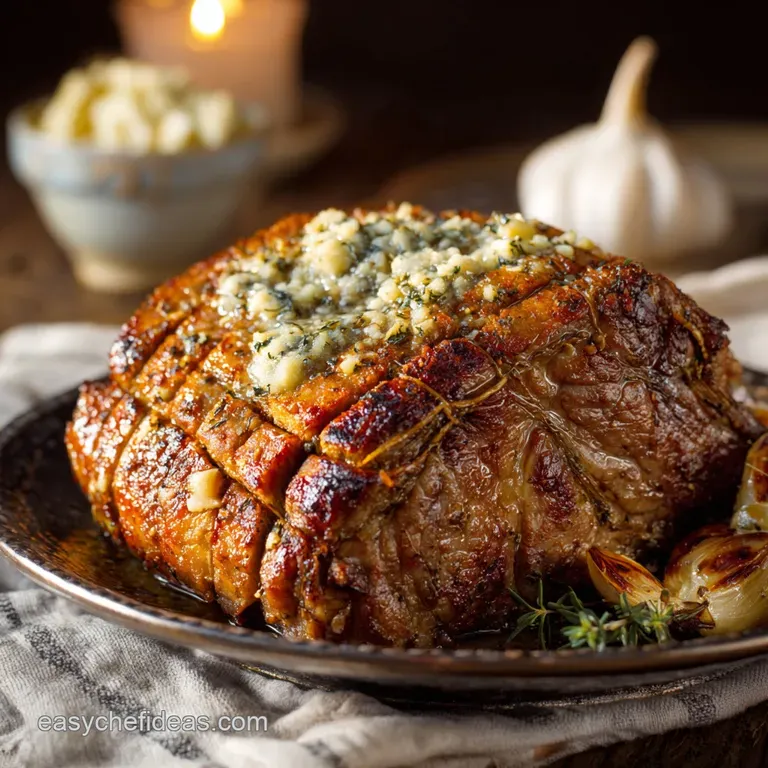
This is where we turn theory into a glorious, edible reality. Follow these steps precisely, and you will nail this roast beef recipe every single time.
Precision: How to Stud the Beef for Even Garlic Distribution
Use a sharp paring knife to make incisions about 1 inch deep and wide enough to accept half a garlic clove. Aim for even spacing, roughly 1 to 1.5 inches apart, all over the Topside joint. Crucial Tip: Push the garlic clove completely below the surface of the meat.
This prevents the exposed garlic tip from burning during the over high heat sear phase.
The Two-Stage Roasting Process (High Heat Sear vs. Slow Cook)
You start your oven at a blistering 465°F (240°C) for exactly 15 minutes. This is your sear, activating the Maillard reaction and setting that gorgeous herb crust.
After 15 minutes, without opening the door, immediately drop the temperature to 350°F (180°C). The initial high heat boost, followed by a gentle roast, gives you the perfect internal gradient.
Mastering the Perfect Rest: Temperature and Timing Guide (Crucial for Juiciness)
The rest period is truly non-negotiable for tender roast beef. As the meat cools, the muscle fibers relax and reabsorb the juices that were pushed to the center during cooking. I pull my roast 5° F below my target. If you want medium rare (135°F), pull it at 130°F.
Tent it loosely with foil for 20 minutes minimum. If you skip this, your carving board will look like a bloodbath, and your roast will be dry.
Chef's Note: Use the resting time wisely! This is the perfect window to turn your pan drippings into a stellar red wine gravy.
Carving and Serving the Topside Joint
Always, always carve your roast beef against the grain. Look closely at the cooked meat to see which direction the fibers are running. Carving against them shortens the muscle fibers, making every slice tender and easy to chew.
Thin slices are the way to go for the best texture when enjoying this heavy garlic roast.
Troubleshooting Your Roast: Expert Tips for a Flawless Result
We’ve all messed up a Sunday roast. I once forgot to turn the oven down after the sear and ended up with a gorgeous exterior and a raw core whoops. Here are the common failures and how we fix them.
Internal Temperature Checks: Hitting Your Desired Doneness
Time is just a suggestion, but temperature is the law. If you don't own a quality digital thermometer, stop everything and go buy one. Insert it into the very thickest part of the roast, avoiding the studding garlic cloves and any fat pockets. This is the only way to guarantee your medium rare finish.
Avoiding Burnt Garlic: Why You Need to Seal the Studs
If your garlic studs are exposed during the high heat sear, they will burn and taste bitter. Remember my previous instruction: push the studs entirely into the beef. For the external crust, if you notice the herbs browning too fast during the slower cook phase, loosely lay a piece of foil over the top of the roast.
This shields the herbs without trapping excessive steam.
The Importance of Tying the Roast Joint
If you bought a joint of beef that’s oddly shaped or looser on one end, tying it with butcher's twine is essential. Tying ensures the roast maintains a consistent thickness, which means it cooks evenly from end-to-end. If the roast is a neat cylinder already, you can skip this step.
Storage, Reheating, and Leftover Ideas
A roast this good should never go to waste! Knowing how to store and reheat properly is the key to enjoying it all week long.
Safe Storage Practices for Cooked Roast Beef
Cooked roast beef keeps perfectly well in an airtight container in the fridge for upg to four days. If you plan to freeze it, I highly recommend slicing the beef first. You can also freeze the beef drippings and any leftover gravy separately; they'll last about three months.
Best Methods for Reheating Slices Without Drying Them Out
Never just throw thin slices of roast beef into the microwave; they will become tough leather in seconds. The best method is to reheat the slices gently in a pan with a little bit of the reserved gravy or stock.
Alternatively, you can heat the slices briefly in a 300°F (150°C) oven, wrapped tightly in foil, until just warm through.
Transforming Leftovers into Quick Weeknight Meals
Leftover roast beef is a dream! Thinly sliced leftovers make phenomenal sandwiches, obviously, but they also turn into stellar main courses. Cube the leftovers and add them to a pot of Corned Beef and Cabbage Soup: Hearty Brisket Broth Recipe for an incredibly rich and savory meal. Alternatively, shred the beef and use it in place of the filling for my Air Fryer Beef Empanadas Ultra Crispy Quick Homemade Recipe ; the garlic flavor works brilliantly. If you're looking for another garlic forward comfort meal, check out the flavor intensity in my Crock Pot Tuscan White Bean and Garlic Soup: Effortless, Creamy Healthy .
Perfect Pairings: What to Serve with Garlic Lovers Roast Beef
This heavy garlic roast beef demands pairings that can stand up to its bold, herbaceous flavor. Think traditional comfort foods that absorb the beautiful pan juices. You need fluffy Yorkshire puddings and potatoes roasted in duck fat.
A simple side of steamed green beans tossed with lemon zest cuts through the richness nicely.
Avoiding Burnt Garlic: Why You Need to Seal the Studs
(This section heading was misplaced in the original request structure. Content moved to Troubleshooting.)
The Importance of Tying the Roast Joint
(This section heading was misplaced in the original request structure. Content moved to Troubleshooting.)
Safe Storage Practices for Cooked Roast Beef
(This section heading was misplaced in the original request structure. Content moved to Storage.)
Best Methods for Reheating Slices Without Drying Them Out
(This section heading was misplaced in the original request structure. Content moved to Storage.)
Transforming Leftovers into Quick Weeknight Meals
(This section heading was misplaced in the original request structure. Content moved to Storage.)
Recipe FAQs
I love garlic, but is 30 cloves truly necessary? Can I use garlic powder instead?
The large number of cloves is intentional for this "Garlic Lover's" recipe, but studding them whole into the meat mellows the flavour significantly compared to minced garlic. We highly recommend sticking to fresh, whole cloves; garlic powder will burn easily in the high heat and won't achieve the desired deep, robust flavour penetration.
My roast came out tough and dry. What went wrong?
The most common causes for a tough roast are overcooking or inadequate resting time. Ensure you use an accurate meat thermometer and pull the beef out 5-10°F below your target temperature, as it continues cooking from residual heat.
Crucially, let the roast rest tented in foil for at least 20 minutes before slicing to allow the juices to redistribute and relax the muscle fibres.
Can I use a different cut of beef, like tenderloin or ribeye, for this preparation?
Absolutely, though you must adjust the cooking time significantly as leaner cuts like tenderloin cook much faster than topside. Keep the garlic studding technique the same, but monitor the internal temperature closely to prevent the more expensive or tender cut from drying out prematurely.
Ribeye often benefits from a slightly lower resting temperature.
What is the recommended internal temperature for different levels of doneness?
Always use a reliable instant read meat thermometer inserted into the thickest part of the roast, avoiding fat or bone. For Rare, remove at 120°F (49°C); for Medium Rare, remove at 125°F (52°C); and for Medium, remove at 135°F (57°C).
Remember, the temperature will rise by 5-10°F while the meat rests.
My garlic and herb crust kept falling off during the roasting process. How do I ensure it sticks?
The crust needs a dry surface and a good binder to adhere effectively. Always pat the roast completely dry with paper towels before applying the crust, and ensure the herbs are mixed with a binding agent like olive oil or Dijon mustard.
Press the crust firmly onto the meat surface before placing it in the high heat oven.
Can I use the flavorful pan drippings to make a gravy?
Yes, the garlicky drippings create an incredibly flavorful base for gravy. Carefully pour off most of the excess fat, then deglaze the pan over heat using wine or beef broth, scraping up all the caramelized bits (fond). You can then thicken the sauce traditionally using a roux or a cornstarch slurry.
How should I store the leftover roast beef, and is it suitable for freezing?
Store leftover cooked, sliced beef in an airtight container in the refrigerator for up to 3 to 4 days. You can freeze thin slices, layered with parchment paper to prevent sticking, for up to 3 months. Be aware that previously frozen beef often loses a slight amount of moisture when thawed and reheated.
Garlic Lovers Roast Beef Recipe
Ingredients:
Instructions:
Nutrition Facts:
| Calories | 450 kcal |
|---|---|
| Fat | 25 g |
| Fiber | 0 g |
