Shrimp Dinner Idea with Garlic Butter: Silky Finish
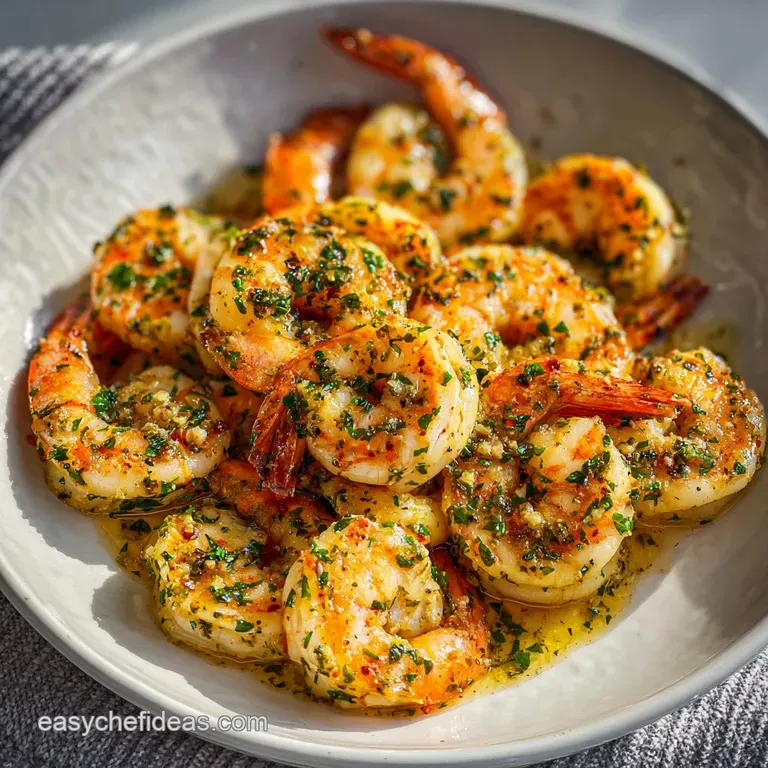
- Time: Active 10 mins, Passive 5 mins, Total 15 mins
- Flavor/Texture Hook: Zesty, buttery, and snappy with a velvety finish
- Perfect for: Weeknight dinners, romantic dates, or low carb meal prep
- Mastering This Shrimp Dinner Idea with Garlic Butter
- Understanding the Science of the Velvet Glaze
- Component Analysis for Better Flavor
- The Elements of Your Seafood Feast
- Selecting Proper Gear for High Heat
- Executing the Perfect Five Minute Sear
- Avoiding Every Possible Kitchen Disaster
- Adjusting Portions for Any Crowd
- Debunking Common Seafood Preparation Myths
- Storage Guidelines and Zero Waste Tips
- The Best Ways to Serve It
- Recipe FAQs
- 📝 Recipe Card
Mastering This Shrimp Dinner Idea with Garlic Butter
The moment the first 1.5 lbs of large shrimp hit the hot oil, the kitchen fills with a sharp, aggressive sizzle that signals the start of something brilliant. This shrimp dinner idea with garlic butter is a surefire way to make a delicious and easy meal.
I still remember the first time I actually got this right; I used to be so afraid of the heat that I'd end up steaming the shrimp in their own juices, resulting in a sad, grey texture.
The secret I learned was that the pan needs to be screaming hot before the shrimp even touch the surface to get that beautiful, bronzed exterior.
When the garlic hits the butter later in the process, the aroma transforms from raw and pungent into something sweet, nutty, and deeply comforting. It’s the kind of scent that brings people into the kitchen to ask when we're eating.
We aren't just tossing things in a pan here; we are building layers of flavor the brine of the shrimp, the richness of the grass fed butter, and the bright, acidic pop of fresh lemon.
It’s a sensory experience that proves you don't need hours over a stove to nourish your family with something that feels truly special.
Understanding the Science of the Velvet Glaze
The success of this dish relies on a concept called "Cold Butter Emulsification" which transforms thin liquids into a thick, glossy sauce. By swirling cold butter into the warm wine and lemon juice at the very end, you prevent the fat from separating, creating a coating that clings to every crevice of the shrimp.
The Physics of the Snap: High heat causes the protein fibers in the shrimp to contract rapidly, creating a firm, "snappy" texture instead of a mushy one.
The Maillard Reaction: Drying the shrimp surface thoroughly allows amino acids and sugars to react at high temperatures, producing that characteristic savory, browned crust.
Cold Butter Mounting: Keeping the final 2 tbsp of butter cold ensures the milk solids stay suspended in the fat, resulting in a velvety sheen.
| Method | Cook Time | Texture Outcome | Best For |
|---|---|---|---|
| Stovetop | 4-5 mins | Crisp exterior, juicy center | Quick weeknight meals |
| oven-roasted | 8-10 mins | Evenly tender, less browning | Hands off bulk cooking |
| Air Fryer | 6-7 mins | Very firm "pop," dryer surface | Small batches / snacks |
When choosing between the stovetop and the oven, I almost always reach for my cast iron skillet. The stovetop allows for better control over the garlic nothing ruins a meal faster than burnt, bitter garlic bits.
The oven is great if you're roasting a huge sheet pan for a crowd, but for that classic "shrimp dinner idea with garlic butter" feel, the direct heat of a burner is your best friend.
Component Analysis for Better Flavor
To understand why this recipe hits so differently, we have to look at how the individual elements interact with one another on a molecular level. It is the diversity of these components that creates a balanced, nourishing plate.
| Ingredient | Science Role | Pro Secret |
|---|---|---|
| Large Shrimp | Protein structure | Leave tails on to infuse the oil with deep crustacean flavor. |
| Grass fed Butter | Fat & Emulsifier | Use European style butter (like Kerrygold) for higher fat and less water. |
| Fresh Garlic | Aromatic base | Slice half and mince half to get both texture and intense flavor. |
| Lemon Juice | Acid catalyst | Add at the very end to keep the citrus notes bright and volatile. |
Selecting the right shrimp is the foundation of the whole operation. I always look for "16-20 count," which means you get about 16 to 20 shrimp per pound. Anything smaller tends to overcook before you can even get the garlic in the pan.
If you can find wild caught shrimp, the flavor is significantly more complex and "oceanic" compared to farm raised varieties, which can sometimes be a bit bland.
The Elements of Your Seafood Feast
Before we start the heat, let's look at what is sitting on your counter. Each of these items plays a specific role in the final flavor profile.
- 1.5 lbs Large Shrimp (16-20 count): Peeled and deveined. Why this? Larger shrimp withstand high heat without turning into rubber bands.
- 1 tsp Kosher salt: For seasoning and moisture control. Why this? Coarse grains distribute more evenly than fine table salt.
- 0.5 tsp Cracked black pepper: For a subtle, earthy heat.
- 4 tbsp Unsalted grass fed butter: Divided into two portions. Why this? Grass fed varieties offer a richer, more golden hue and better nutrients.
- 1 tbsp Extra virgin olive oil: To raise the smoke point of the butter.
- 6 cloves Fresh garlic: Finely minced. Why this? Mincing releases the most allicin for that pungent garlic punch.
- 0.5 tsp Red pepper flakes: For a background hum of spice.
- 2 tbsp Freshly squeezed lemon juice: To cut through the heavy fats.
- 0.25 cup Fresh Italian parsley: Finely chopped for freshness.
- 1 tbsp Dry white wine: (Optional) such as Sauvignon Blanc or Pinot Grigio.
| Original Ingredient | Substitute | Why It Works |
|---|---|---|
| Unsalted Butter | Ghee | Higher smoke point; adds a deeper, nutty toasted flavor profile. |
| Dry White Wine | Chicken Broth | Provides the necessary liquid for the sauce without the alcohol. |
| Italian Parsley | Fresh Cilantro | Shifts the flavor toward a more tropical or Latin profile. |
| Red Pepper Flakes | Smoked Paprika | Adds color and a mild smokiness without the sharp spicy kick. |
One thing to remember about the butter: don't even bother with low-fat spreads or margarine here. The water content in those substitutes is way too high, and they won't emulsify. You'll end up with a watery mess instead of that thick, luscious sauce we’re after.
Trust me, the real grass fed butter makes all the difference for both the flavor and the nutritional profile.
Selecting Proper Gear for High Heat
You don't need a kitchen full of gadgets, but two things are non negotiable for this recipe: a heavy bottomed pan and a good pair of tongs. I personally swear by a 12 inch cast iron skillet or a heavy stainless steel pan like an All Clad.
Thin pans will have "hot spots," meaning some of your shrimp will burn while others stay raw.
A wide pan is also crucial because we need surface area. If the shrimp are piled on top of each other, they will release steam and boil. We want them to sear. You also want a microplane or a very sharp knife for that garlic.
We want the garlic so fine that it almost melts into the butter, rather than leaving you with large, crunchy chunks of raw root.
Executing the Perfect Five Minute Sear
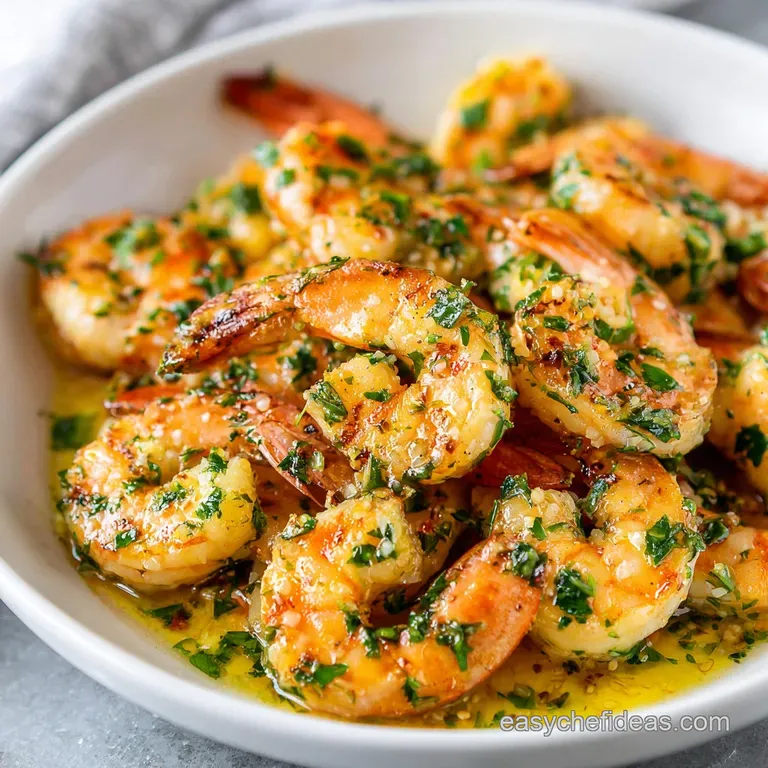
Let's get down to the actual cooking. Remember, shrimp cook incredibly fast we are talking 120 to 150 seconds per side. Have all your ingredients prepped and within arm's reach before you turn on the stove.
- Dry the shrimp. Use paper towels to pat the 1.5 lbs of shrimp until they are bone dry. Note: Excess moisture creates steam, which prevents browning.
- Season well. Toss the dry shrimp with the 1 tsp kosher salt and 0.5 tsp black pepper.
- Heat the pan. Place your skillet over medium high heat and add 1 tbsp olive oil and 1 tbsp of the butter.
- Sear the first side. Once the butter is foaming, add shrimp in a single layer. Cook 2 mins until the edges turn pink and opaque.
- Flip and repeat. Turn the shrimp over. Cook 1-2 mins until they form a "C" shape.Note: If they form an "O", they are overcooked.
- Remove shrimp. Transfer the shrimp to a plate to prevent them from getting tough while you make the sauce.
- Sauté aromatics. Lower the heat to medium. Add 1 tbsp butter, the 6 cloves of minced garlic, and 0.5 tsp red pepper flakes. Cook 1 min until fragrant but not browned.
- Deglaze the pan. Pour in the 1 tbsp dry white wine. Scrape the bottom until the liquid reduces by half.
- Build the emulsion. Add the remaining 2 tbsp of cold butter and the 2 tbsp lemon juice. Swirl the pan constantly until the sauce looks thick and glossy.
- Final toss. Return the shrimp to the pan along with the 0.25 cup parsley. Toss 30 seconds to coat every piece in that velvety gold.
Avoiding Every Possible Kitchen Disaster
The most common tragedy with this dish is "The Rubber Band Effect." This happens when you get distracted and leave the shrimp in the pan just a minute too long. Shrimp continue to cook even after you take them off the heat (carryover cooking), so you want to pull them when they are just barely opaque in the center.
Why Your Garlic Tastes Bitter
If your heat is too high when you add the garlic, it will turn brown or black in seconds. Burnt garlic is acrid and will ruin the entire batch of butter. The fix is simple: always turn the heat down to medium or even medium low before the garlic hits the pan. If the butter is smoking, it's too hot.
Why Your Sauce Is Oily
If the sauce looks like a pool of melted yellow grease rather than a creamy coating, the emulsion has "broken." This usually happens if the pan is too hot when you add the final butter, or if you don't swirl it enough.
To fix this, add a tiny splash (1 tsp) of warm water or broth and whisk vigorously; the water helps the fat and solids reconnect.
| Problem | Root Cause | Solution |
|---|---|---|
| Rubbery Shrimp | Overcooking/Too long in pan | Remove shrimp as soon as they form a "C" shape. |
| Bland Sauce | Not enough salt or acid | Add a pinch more salt and an extra squeeze of lemon. |
| Grey/Steamed Shrimp | Pan was crowded or shrimp were wet | Cook in two batches and dry shrimp thoroughly first. |
Common Mistakes Checklist
- ✓ Pat shrimp completely dry before searing (prevents steaming)
- ✓ Use a heavy skillet to ensure even heat distribution
- ✓ Do not walk away from the stove - the whole process takes 5 minutes
- ✓ Use fresh lemon juice, never the bottled stuff from a plastic fruit
- ✓ Add the cold butter at the very end to create the thickest emulsion
- ✓ Let the wine reduce fully to concentrate the flavor and cook out the raw alcohol bite
Adjusting Portions for Any Crowd
When scaling this recipe down for a solo dinner, it's pretty straightforward. You can use half a pound of shrimp and just cut everything else in half. However, scaling UP is where people get into trouble.
If you are doubling this to 3 lbs of shrimp, do NOT try to cook them all at once. You will overcrowd the pan, the temperature will drop, and the shrimp will release all their liquid, essentially boiling in a grey soup. Instead, sear the shrimp in three separate batches.
Keep the cooked batches on a warm plate covered with foil. Once all batches are done, make one big batch of the sauce in the same pan, then toss all the shrimp back in at the end. This ensures every single shrimp has that beautiful seared crust.
Debunking Common Seafood Preparation Myths
One major myth is that "fresh is always better." In reality, most shrimp sold at the grocery store seafood counter was previously frozen and thawed. Unless you live on the coast and are buying right off the boat, the "frozen at-sea" bags in the freezer aisle are actually fresher because they were flash frozen minutes after being caught.
Buying frozen also allows you to thaw only what you need.
Another misconception is that you should remove the tails before cooking. While it's easier to eat without the tails, keeping them on during the sear adds a significant amount of flavor to the butter sauce.
The shells contain sugars and proteins that caramelize beautifully, providing a deeper umami profile to the entire dish.
Storage Guidelines and Zero Waste Tips
This dish is best eaten immediately, as reheating shrimp can easily turn them tough. However, if you have leftovers, they will stay good in an airtight container in the fridge for up to 2 days. To reheat, do NOT use the microwave.
Instead, put them in a cold pan with a splash of water or broth, cover with a lid, and heat on low for just 2-3 minutes until they are warmed through.
For zero waste, save those lemon rinds! You can zest them before juicing and freeze the zest for future baking or pasta dishes. If you bought "easy peel" shrimp and have the shells left over, don't throw them away. Toss them into a bag in the freezer. Once you have a few handfuls, boil them with some onion scraps and water to make a quick seafood stock for a future How to Make recipe or a risotto.
The Best Ways to Serve It
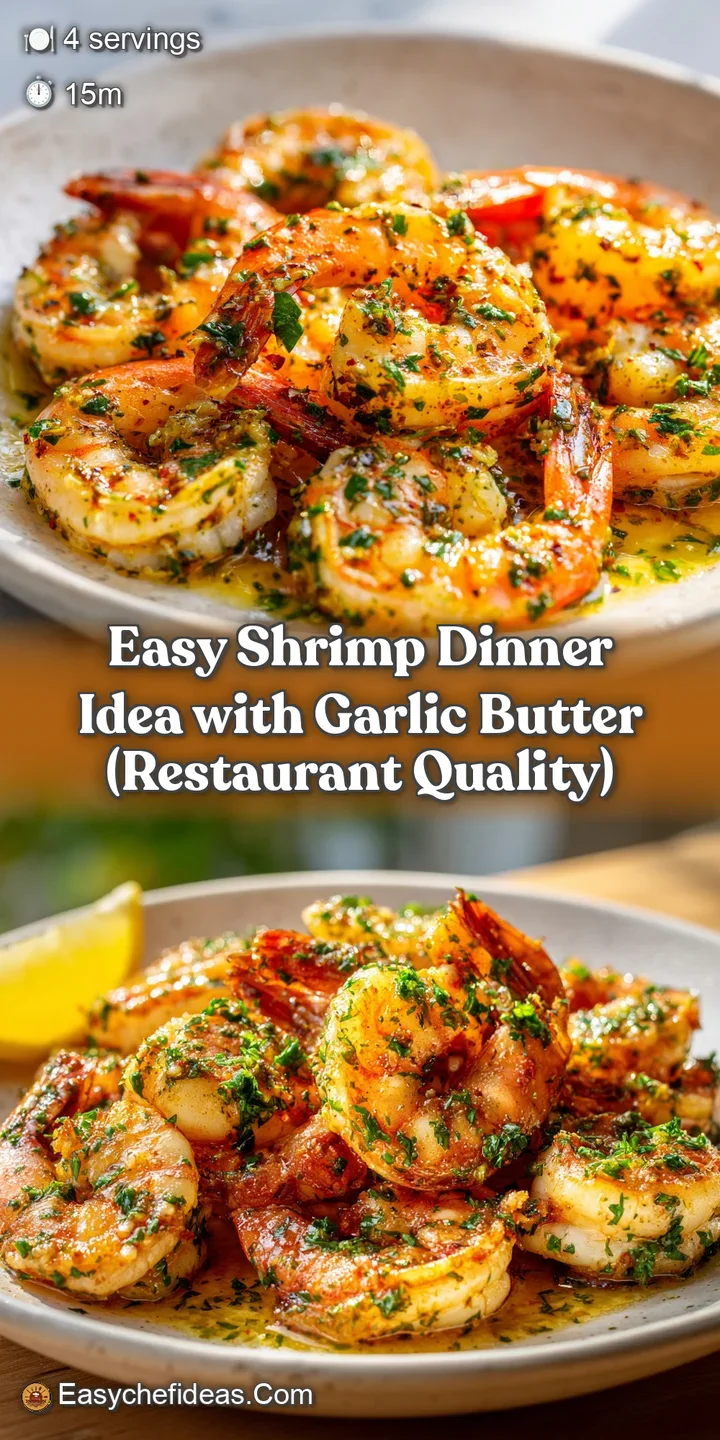
This dish is incredibly versatile, but it needs something to soak up that liquid gold garlic butter. A crusty piece of sourdough or a French baguette is the classic choice. If you want a more substantial meal, this dish pairs perfectly with a side of pasta tossed in my Creamy Garlic Butter recipe. The starches from the pasta help the sauce emulsify even further, creating a rich, cohesive plate.
For a lighter, more nourishing approach, serve the shrimp over a bed of sautéed zoodles (zucchini noodles) or steamed asparagus. The bright lemon and garlic notes play wonderfully against green vegetables. If you're feeling fancy, you can even serve this alongside a Cod Fish recipe for a "Seafood Symphony" night. Whatever you choose, make sure to garnish with an extra sprinkle of fresh parsley and a final squeeze of lemon to wake up all those rich, buttery flavors right before the first bite.
Recipe FAQs
What is the name of the garlic shrimp dish?
Shrimp Dinner Idea with Garlic Butter is the descriptive name for this high heat sauté method. It relies on quickly cooking the protein and then making a pan sauce using the fond and the fat base.
Does shrimp taste good with butter?
Yes, butter is essential for this recipe because it acts as the primary fat to carry the flavor of the garlic and herbs. The high fat content creates a beautiful, velvety coating when emulsified with lemon juice.
What shrimp pair well with for dinner?
Pasta, rice, or lightly roasted vegetables pair excellently because they provide a neutral base to soak up the intense garlic butter sauce. This dish is fantastic served over angel hair pasta or with a side of blistered green beans.
What is the best sauce to put on shrimp?
Garlic butter sauce is arguably the best for enhancing the natural sweetness of quality shrimp without overpowering it. The key is adding acid, like lemon juice, at the end to balance the richness of the butter.
How do I prevent my shrimp from getting tough and rubbery?
Cook shrimp quickly over medium high heat until they just form a "C" shape, which indicates they are done. If you notice them curling into a tight "O," they are overcooked and will be tough; pull them immediately from the heat.
How do I make the garlic butter sauce thick and glossy instead of oily?
Mount the sauce off-heat using cold butter after deglazing the pan with wine or stock. This process, called emulsification, suspends the fat solids in the liquid, giving you that luxurious, clingy texture found in our Creamy Keto Alfredo recipe.
How long should I cook the minced garlic in the butter?
Sauté the minced garlic for only 60 seconds over medium heat after adding it to the melted butter. Watch carefully for color change; if it browns too deeply, it will turn bitter, so lower the heat immediately to prevent burning.
Garlic Butter Shrimp Dinner
Ingredients:
Instructions:
Nutrition Facts:
| Calories | 312 calories |
|---|---|
| Protein | 34.1 g |
| Fat | 16.6 g |
| Carbs | 2.2 g |
| Fiber | 0.3 g |
| Sugar | 0.4 g |
| Sodium | 648 mg |
