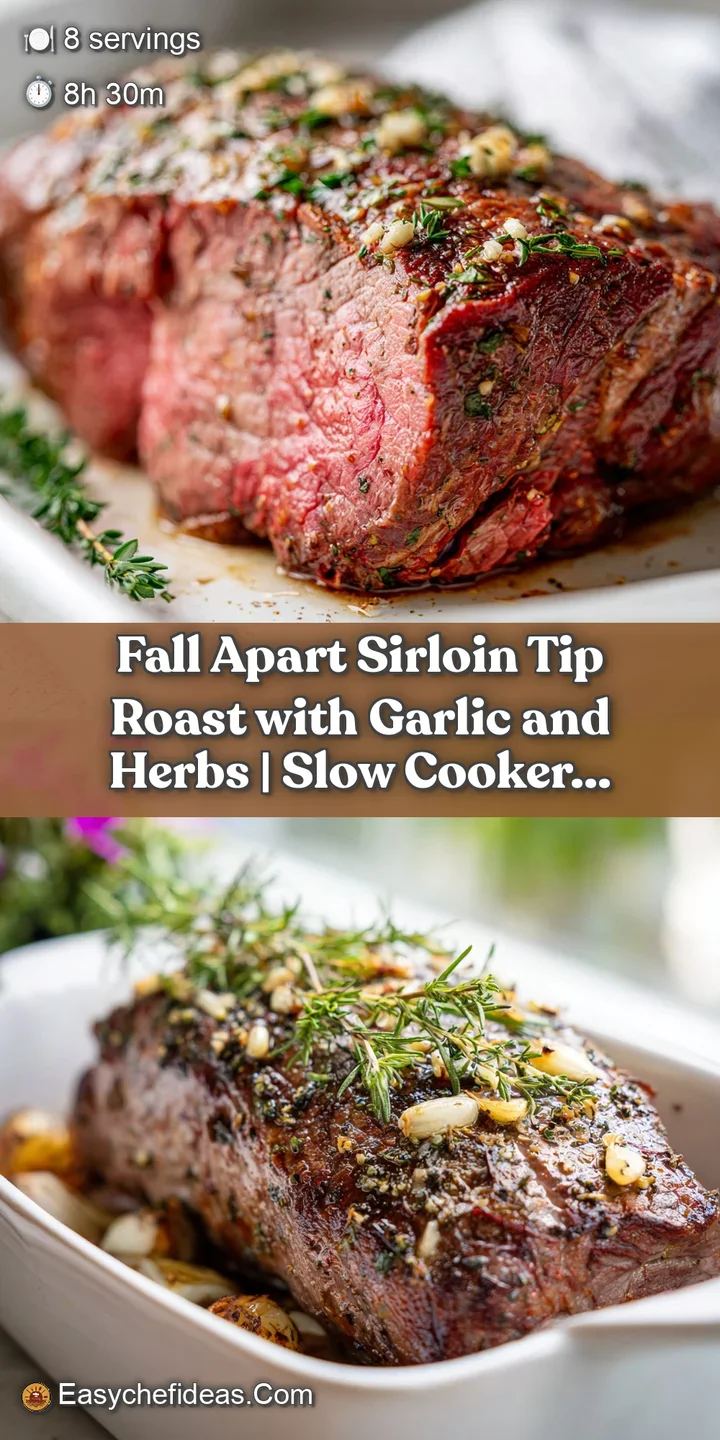
Fall Apart Sirloin Tip Roast with Garlic and Herbs
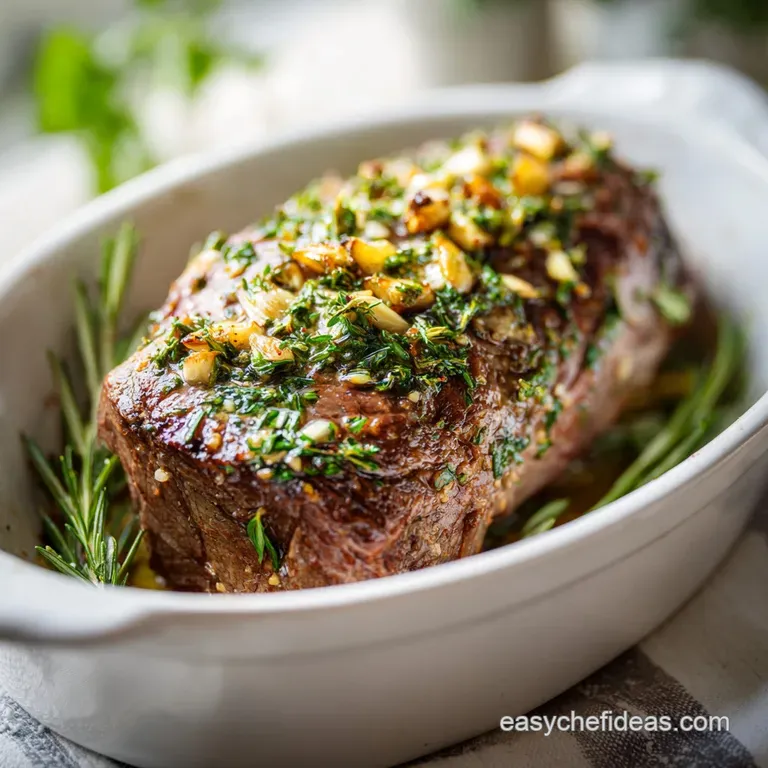
- Time: Active 15 minutes, Passive 8 hours, Total 8 hours 15 mins
- Flavor/Texture Hook: A savory herb crusted exterior yields to buttery, melt in-your mouth beef infused with garlic.
- Perfect for: Cozy Sunday family dinners or effortless weekly meal prep that nourishes the soul.
- Fall Apart Sirloin Tip Roast with Garlic and Herbs
- Why Low Temperature Braising Works
- Essential Preparation and Cooking Specs
- Selecting the Best Quality Ingredients
- Tools for a Tender Roast
- Step-by-Step Braising Instructions
- Solving Common Roasting Problems
- Scaling for Large Groups
- Ingredient Adaptations and Flavor Swaps
- Storage and Reducing Food Waste
- Creative Pairings and Serving Ideas
- Truths About Lean Beef Roasts
- Recipe FAQs
- 📝 Recipe Card
Fall Apart Sirloin Tip Roast with Garlic and Herbs
The tradition of a Sunday roast is something that transcends borders, from the crowded family tables in Yorkshire to the slow simmering pots in a French countryside kitchen. There is a deep, cultural sense of community when we take a humble, budget friendly cut of meat and apply the ancient magic of time and low heat.
Discover our one show stopping recipe for Fall Apart Sirloin Tip Roast with Garlic and Herbs that honors this tradition of slow food and shared meals.
Growing up, the smell of garlic and rosemary wafting through the house was the universal signal that we were about to slow down and connect. The sirloin tip roast is often overlooked because it lacks the heavy marbling of a ribeye, but it carries a beefy intensity that is truly unmatched when treated with respect.
By using a slow cooker, we allow the meat to nourish itself in its own juices, creating a result that is far more impressive than the price tag of the beef would suggest.
This isn't just about making dinner, it's about the ritual of preparation. From the sharp zing of slicing fresh garlic to the earthy perfume of rosemary sticking to your fingers, every step is a sensory reminder of why we cook.
We are going to treat this lean cut with a combination of over high heat searing for color and long duration braising for texture, ensuring that every bite is juicy and packed with flavor.
Why Low Temperature Braising Works
The secret to a successful fall apart sirloin tip roast with garlic and herbs lies in the biological structure of the beef and how it reacts to heat over several hours.
- Connective Tissue Breakdown: Slow cooking at a low temperature allows the tough collagen fibers in the lean sirloin to gradually transform into silky gelatin, which provides that sought after melt in-the mouth feel.
- Aromatic Infusion: Piercing the meat with slivered garlic creates internal steam pockets during the cook, forcing the essential oils of the garlic to penetrate the center of the roast rather than just sitting on the surface.
- Acid Driven Tenderization: The inclusion of red wine vinegar helps to gently weaken the surface proteins, while also balancing the richness of the beef bone broth with a necessary hint of brightness.
- Thermal Buffering: Using a bed of sliced onions prevents the bottom of the roast from scorching against the heating element of the slow cooker, creating a natural trivet that flavors the sauce from the bottom up.
| Method | Time | Texture | Best For |
|---|---|---|---|
| Slow Cooker (Low) | 8 hours | Fork tender, shreddable | Effortless flavor and maximum tenderness |
| Oven (250°F/120°C) | 4-5 hours | Slicable but soft | A traditional Sunday roast presentation |
| Instant Pot | 90 minutes | Soft but slightly drier | Last minute weeknight dinners |
Choosing the right method depends on your schedule, but for this specific recipe, the slow cooker is the champion of consistency. The long, 8 hours cook time ensures the lean fibers have enough time to relax, which is essential for any fall apart sirloin tip roast with garlic and herbs.
Essential Preparation and Cooking Specs
To achieve that signature texture where the meat practically shatters at the touch of a fork, precision in timing and temperature is your best friend. While the slow cooker does most of the heavy lifting, the initial sear is a non negotiable step for flavor development.
Precision Checkpoints
- The Sear: Exactly 3 minutes per side in a preheated cast iron skillet to develop a mahogany crust.
- The Temperature: Use the "Low" setting on your slow cooker; "High" can often tighten the lean proteins before they have a chance to soften.
- The Weight: This recipe is calibrated for a 3.5 lb roast, which provides the ideal surface to liquid ratio in a 6 quart cooker.
The beauty of this dish is its reliability. Whether you are a beginner or a seasoned home cook, the combination of fresh herbs and a long braise is a foolproof path to success. The beef bone broth acts as a nourishing base, providing more depth than a standard stock while adding a velvety body to the final jus.
Selecting the Best Quality Ingredients
Every component in this dish plays a role in the final flavor profile, so choosing high-quality aromatics is just as important as the beef itself. In many cultures, the quality of the garlic and herbs is what defines the character of the meal.
Ingredient Deep Dive
| Ingredient | Science Role | Pro Secret |
|---|---|---|
| 3.5 lb Sirloin Tip | Lean muscle mass | Always bring to room temperature for 30 mins before searing |
| Fresh Rosemary/Thyme | Fat soluble aromatics | Bruise the herbs with the side of your knife to release oils |
| Beef Bone Broth | Gelatin and minerals | Use reduced sodium to control the seasoning of the final sauce |
| Red Wine Vinegar | Protein denaturation | Use a high-quality aged vinegar for a smoother, less harsh acidity |
When shopping, look for a sirloin tip roast that has a consistent shape; this ensures it cooks evenly. The fat cap, if present, should be left on, as it will render down and baste the meat during the long 8 hours cook. This recipe is quite similar to a beef short ribs recipe I love, where the liquid choice determines the soul of the dish.
For the aromatics, fresh is always better than dried. Fresh rosemary has a resinous, pine like scent that stands up to the long cooking process, whereas dried herbs can sometimes become bitter or lost in the broth.
The garlic should be firm to the touch; if you see green sprouts in the center of the cloves, remove them as they can add a sharp, unpleasant bite to the roast.
Tools for a Tender Roast
You don't need a kitchen full of gadgets, but a few specific tools will make the process much smoother and the results more consistent.
- Cast Iron Skillet: A heavy bottomed pan like a Lodge cast iron is essential for achieving a over high heat sear without the meat sticking.
- 6 Quart Slow Cooker: This size allows for proper air circulation around a 3.5 lb roast, ensuring even heat distribution.
- Paring Knife: A sharp, small blade is necessary for making the precise slits needed to stuff the garlic slivers deep into the meat.
- Tongs: Use heavy duty metal tongs to turn the roast during the searing phase to keep your hands away from the oil splatter.
The cast iron skillet is the workhorse here. When that cold meat hits the hot surface, you want a pan that retains its heat rather than cooling down. This immediate heat is what creates the Maillard reaction the browning that gives the meat its savory, complex crust.
Without this, the roast would lack the deep "brown" flavor that defines a proper braise.
step-by-step Braising Instructions
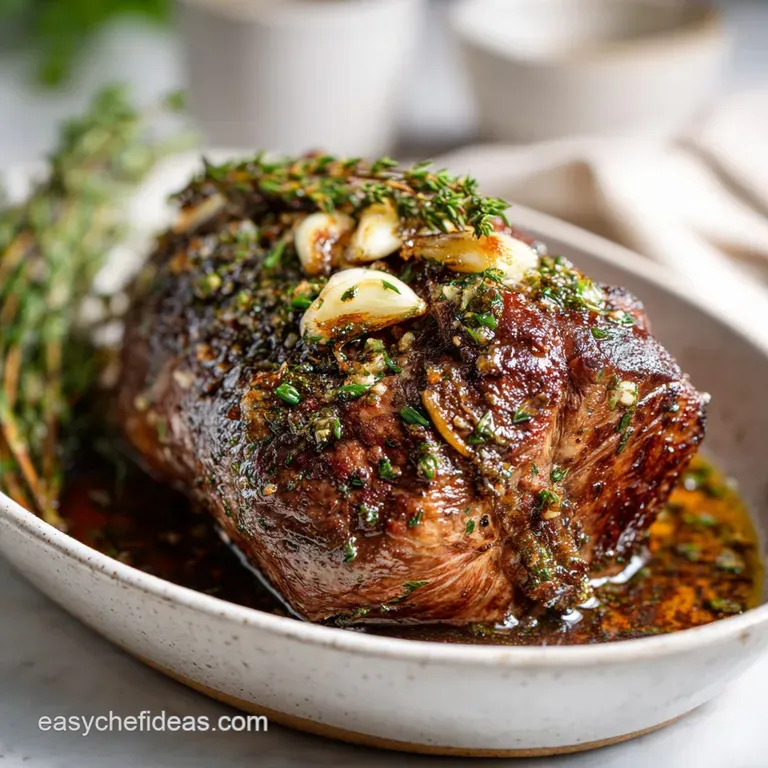
Phase 1: Preparation and Piercing
- Remove the 3.5 lb sirloin tip roast from the fridge and pat it bone dry with paper towels. Note: Moisture is the enemy of a good sear; dry meat browns, wet meat steams.
- Using a sharp paring knife, make 1 inch deep slits all over the surface of the roast, spaced about 2 inches apart.
- Take your 6 cloves of slivered garlic and push one sliver deep into each slit until it is fully submerged in the meat.
- In a small bowl, mix the 4 cloves of minced garlic, 2 tablespoons of chopped rosemary and thyme, 1 teaspoon of kosher salt, 1 teaspoon of black pepper, and 2 tablespoons of olive oil.
- Rub this herb paste evenly over the entire exterior of the roast, massaging it into the fibers.
Phase 2: The Flash Sear
- Place your cast iron skillet over medium high heat and wait until it is just beginning to shimmer.
- Carefully place the roast in the skillet and sear for approximately 3 minutes per side. Search for a dark, mahogany colored crust before flipping.
- The aroma at this stage should be intoxicating the smell of toasted garlic and sizzling herbs hitting the hot oil is the first sign of a great meal.
Phase 3: The Long Braise
- Scatter the thickly sliced yellow onion across the bottom of the slow cooker to create a flat, fragrant base.
- Place the seared roast directly onto the onions.
- Carefully pour 1.5 cups of beef bone broth and 1 tablespoon of red wine vinegar around the sides of the roast. Note: Pouring liquid over the top will wash away your beautiful herb crust.
- Cover the slow cooker and set it to low for 8 hours. Wait until the meat is fork tender and pulls apart with zero resistance.
Phase 4: The Resting Period
- Once the time is up, carefully remove the roast from the liquid and let it rest on a cutting board for at least 10 minutes.
- While the meat rests, you can strain the leftover liquid to create a thin, savory jus or whisk in a bit of cornstarch slurry to thicken it into a gravy.
Solving Common Roasting Problems
Even with a reliable method, cooking lean beef can sometimes present challenges. Understanding the "why" behind these issues helps you pivot and save the meal.
Why Is My Roast Still Tough?
If you try to pull the meat at the 8 hour mark and it still feels rubbery or bouncy, it simply hasn't spent enough time in the "melting zone." Every piece of meat is different, and some older or leaner cuts need an extra hour to fully break down.
Don't panic; just put the lid back on and give it another 45 to 60 minutes.
Why Is the Sauce Too Salty?
As the liquid reduces in the slow cooker, the salt concentration increases. If you find the final jus too salty, a splash of water or a little more bone broth can balance it out. Alternatively, a tiny pinch of sugar can help round out the sharp saltiness.
| Problem | Root Cause | Solution |
|---|---|---|
| Meat is dry/stringy | Cooked too fast on "High" setting | Always use the "Low" setting for lean sirloin |
| Herbs are burnt | Skillet was too hot during searing | Reduce heat slightly; sear should be dark brown, not black |
| Liquid is greasy | Fat cap wasn't trimmed or sear was too oily | Skim the fat off the top of the liquid before serving |
Common Mistakes Checklist
- ✓ Skipping the sear (this results in a gray, flavorless exterior)
- ✓ Adding too much liquid (the meat should be partially submerged, not swimming)
- ✓ Opening the lid constantly (this releases 15-20 minutes of heat every time)
- ✓ Using "High" heat for 4 hours instead of "Low" for 8 hours (this toughens lean beef)
- ✓ Slicing the meat immediately without letting it rest (the juices will run out)
Scaling for Large Groups
This fall apart sirloin tip roast with garlic and herbs is a fantastic dish for nourishing a crowd, but you need to be careful with how you scale the ingredients to ensure the same quality of results.
Scaling Down (Half Roast)
If you are only cooking for 2-3 people, you can use a 1.5 to 2 lb roast. Reduce the bone broth to 1 cup, but keep the herb and garlic amounts the same you want that intense flavor!
Use a smaller 3 or 4 quart slow cooker if possible, and check for doneness around the 6 hour mark, though lean beef often still benefits from the full 8 hours of gentle heat.
Scaling Up (Double Roast)
When feeding a community gathering, you can cook two 3.5 lb roasts simultaneously in a large 7 or 8 quart slow cooker. Do not double the salt or the vinegar; increase them by 1.5x instead to avoid over seasoning.
Ensure you sear each roast separately in the skillet never crowd the pan or the temperature will drop and the meat will steam instead of crusting.
For baking at a larger scale in the oven, you may need to lower the temperature by about 25°F and extend the cooking time by an hour to compensate for the thermal mass of multiple large roasts.
Ingredient Adaptations and Flavor Swaps
While the garlic and herb profile is classic, there is plenty of room for cultural diversity and pantry friendly substitutions.
| Original Ingredient | Substitute | Why It Works |
|---|---|---|
| Red Wine Vinegar | Balsamic Vinegar | Adds a sweeter, thicker depth; slightly less "tangy" |
| Beef Bone Broth | Mushroom Broth | High umami content; great if you want a deeper, earthier sauce |
| Fresh Rosemary | Dried Thyme (1/3 amount) | Concentrated flavor; use sparingly to avoid bitterness |
| Yellow Onion | Shallots | Provides a more delicate, sophisticated onion flavor |
If you want to add a bit of heat, a teaspoon of red pepper flakes in the herb rub adds a lovely warmth. For those looking for a richer experience, adding a tablespoon of Worcestershire sauce to the broth can deepen the savory notes.
The choice of liquid is where you can really play. While the bone broth is our standard for a fall apart sirloin tip roast with garlic and herbs, some prefer a splash of dark beer or a heavy bodied red wine like a Cabernet Sauvignon to replace half of the broth.
This adds a fermented complexity that pairs beautifully with the beef.
Storage and Reducing Food Waste
Proper storage is the key to enjoying this meal throughout the week and ensuring that nothing goes to waste. In a community focused kitchen, we respect the ingredients by making them last.
Fridge and Freezer
The cooked roast will stay fresh in the fridge for up to 4 days. Store it in its own juices to keep the meat from drying out. For longer storage, this beef freezes beautifully. Place shredded meat in a freezer safe bag with some of the jus, squeeze out the air, and it will keep for up to 3 months.
To reheat, thaw overnight in the fridge and warm it gently in a saucepan over low heat.
Zero Waste Tips
Don't you dare throw away those leftover onions or the braising liquid! The onions can be blended into the sauce for a thick, hearty gravy. Any leftover jus is liquid gold use it as a base for a French Onion soup or as the liquid for a savory risotto.
If you have small scraps of meat left over, they make the most incredible breakfast hash when sautéed with some potatoes and topped with a poached egg.
Creative Pairings and Serving Ideas
To turn this roast into a complete, nourishing meal, you need sides that can stand up to the bold garlic and herb flavors while soaking up that incredible jus.
The Classic Comfort
Serve the shredded beef over a bed of creamy mashed potatoes or buttered egg noodles. The starch acts as a sponge for the bone broth sauce, ensuring no drop of flavor is left behind. A side of honey glazed carrots or roasted Brussels sprouts provides a sweet and earthy contrast to the savory beef.
For a lighter, more modern approach, serve the roast alongside a crisp arugula salad with a lemon vinaigrette. The peppery greens and bright citrus help to cut through the richness of the slow cooked meat. If you're hosting a casual dinner, these warm dinner rolls are mandatory for making "dip sandwiches" with the extra gravy.
The Leftover Transformation
If you find yourself with leftovers the next day, try making "Sirloin Tacos" with the shredded beef. The garlic and herb profile pairs surprisingly well with fresh cilantro, lime, and a bit of pickled red onion. It's a completely different way to experience the same dish, keeping the menu exciting for your family.
Truths About Lean Beef Roasts
There are many misconceptions about cooking sirloin tip that can lead to disappointing results. Let's clear some of those up so you can cook with confidence.
Searing meat does not "seal in the juices." This is a common myth that has been debunked by science many times. Moisture loss happens regardless of the sear. However, we sear for the Maillard reaction the chemical process that creates hundreds of new flavor compounds on the surface of the meat.
Without the sear, your roast will taste boiled, not braised.
Another misconception is that you need to completely cover the roast in liquid. In a slow cooker, the meat should only be about one third submerged. As the meat cooks, it will release its own moisture, and the steam trapped under the lid will do the rest of the work.
Over submerging the meat can dilute the flavors and result in a bland, watery sauce.
Finally, remember that "Low and Slow" is a rule, not a suggestion. You cannot rush the breakdown of collagen. Attempting to cook this roast on "High" for 4 hours will likely result in a piece of meat that is tough and stringy.
Patience is the ultimate ingredient in this fall apart sirloin tip roast with garlic and herbs. When you give the beef the time it needs, it rewards you with a texture that is truly spectacular.
Recipe FAQs
How to make the most tender sirloin tip roast?
Cook the roast on low for 8 hours. Using a slow cooker on the low setting ensures the lean sirloin fibers break down gradually, resulting in a melt-in-your mouth texture that high heat cooking cannot replicate.
What is the secret to a fall apart roast?
Avoid the temptation to open the lid. Every time you lift the lid, you release trapped heat and moisture, which adds significant time to the process and disrupts the delicate braising environment needed to tenderize the connective tissue.
What should I season my sirloin tip roast with?
Use a combination of minced garlic, fresh rosemary, thyme, salt, pepper, and olive oil. Rub this mixture thoroughly over the exterior of the meat before searing to build a deep, flavorful mahogany crust.
Should a sirloin tip roast be cooked covered or uncovered?
Is it true I must remove the fat cap before cooking?
No, this is a common misconception. Leaving the fat intact helps baste the roast while it cooks in the slow cooker, contributing to the richness of the final shredded meat.
How to ensure the roast doesn't become dry or tough?
Avoid using the high heat setting for 4 hours. Cooking this specific cut at high temperatures causes the muscle fibers to tighten instantly, turning the meat tough rather than allowing it to braise into a tender, pull apart state.
How to properly serve this roast to guests?
Rest the meat before shredding. Allowing the roast to sit for a few minutes after the cooking time finishes keeps the juices inside; if you enjoyed this slow braising method, see how applying gentle temperature control creates similar results in our classic Sunday roast.
Fall Apart Sirloin Tip Roast
Ingredients:
Instructions:
Nutrition Facts:
| Calories | 290 kcal |
|---|---|
| Protein | 46 g |
| Fat | 10.3 g |
| Carbs | 3.3 g |
| Fiber | 0.5 g |
| Sugar | 1.1 g |
| Sodium | 344 mg |
