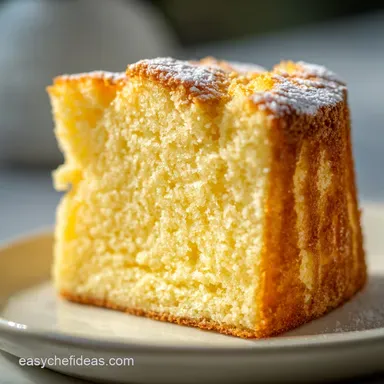
Easy Vanilla Cake: Velvety and Moist
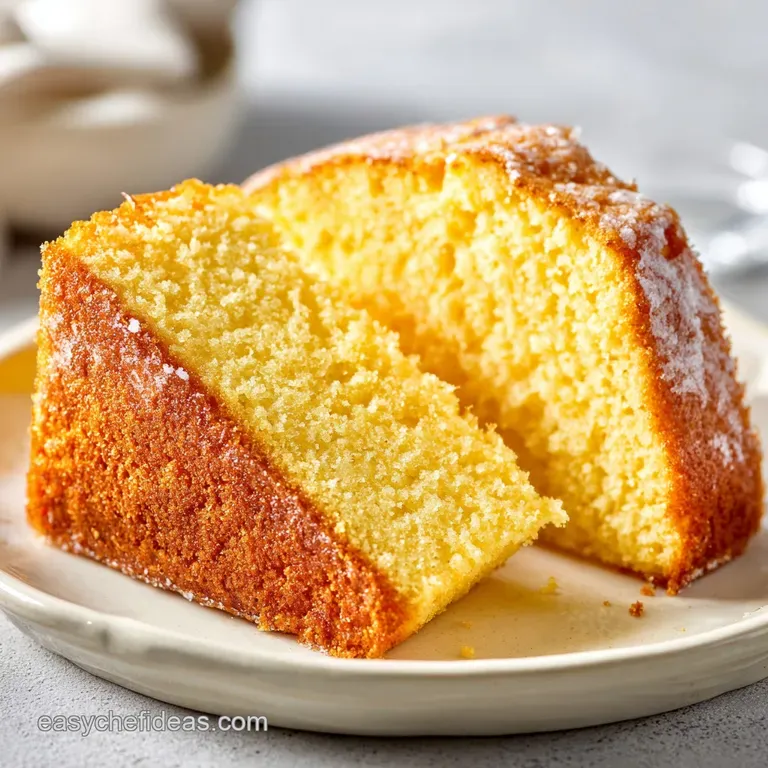
- Time:15 minutes active + 30 minutes baking = Total 45 minutes
- Flavor/Texture Hook: Velvety, tight crumb with a rich vanilla aroma
- Perfect for: Birthday celebrations, potlucks, or a simple weekend treat
- Making the Best Easy Vanilla Cake
- The Component Breakdown
- Gathering Your Ingredients
- Must Have Baking Tools
- Step-by-Step Baking Process
- Fixing Common Baking Blunders
- Troubleshooting Common Issues
- Adjusting the Batch Size
- Baking Myths Debunked
- Keeping Your Cake Fresh
- Occasion Pairing Suggestions
- Recipe FAQs
- 📝 Recipe Card
The smell of warm vanilla bean hitting a hot oven is, for me, the scent of every childhood birthday. In a lot of homes, a vanilla cake isn't just a dessert, it's a tradition. It's the blank canvas that families use to mark milestones, usually topped with a mountain of buttercream and a few flickering candles.
Growing up, my aunt used to make a version of this that would fill the entire house with a sweet, comforting haze, making everyone feel like things were right with the world.
But let's be honest, vanilla is actually the hardest flavor to get right because there's nowhere to hide. If your cake is dry, you'll know. If it's bland, you'll know. I spent years trying to find that sweet spot between a heavy pound cake and a sponge that felt like eating air.
I wanted something that felt substantial but melted in your mouth, and that's exactly what this easy vanilla cake delivers.
We're going for a texture that is silky and consistent. It's not about being fancy or using professional gear, but about a few simple tricks with your ingredients. Whether you're baking for a big party or just want a slice with your coffee, this version is meant to be foolproof and satisfyingly classic.
Making the Best Easy Vanilla Cake
Right then, let's talk about what's actually happening in the bowl. Most people think a cake is just "mixing things until they're combined," but the order and the temperature of your ingredients are what separate a crumbly mess from a velvety masterpiece.
For this easy vanilla cake, we're using a combination of butter and oil, which is the secret to that professional grade moisture.
To get a cloud like rise, you need to create tiny air pockets. When we beat the butter and sugar, we're essentially trapping air. Then, the baking powder steps in during the heat of the oven to push those pockets upward.
If you overmix the batter once the flour goes in, you'll pop those bubbles and end up with a dense brick. Trust me on this, stop mixing the second you don't see any more white streaks of flour.
One of the biggest mistakes I see is using cold eggs and milk. When you add cold liquids to creamed butter, the butter seizes up. This breaks the emulsion and leads to a grainy texture.
Bringing everything to room temperature ensures the batter stays smooth and the cake rises evenly, giving you a beautiful, level top that's easy to frost.
- The Butter Oil Balance
- Butter provides the rich flavor we crave, while oil stays liquid at room temperature, keeping the cake moist longer.
- Air Incorporation
- Beating sugar into softened butter creates a structural web that supports the cake's height.
- Temperature Sync
- Room temperature ingredients bond better, preventing the batter from separating or curd up.
- Flour Resting
- Whisking the dry ingredients separately ensures the baking powder is evenly distributed, so you don't get random "holes" in your slice.
| Method | Time | Texture | Best For |
|---|---|---|---|
| Oven | 30-35 mins | Even rise, light crumb | Classic layers, celebrations |
| Stovetop (Pot) | 45-60 mins | Denser, browned bottom | Rustic cakes, no oven homes |
The Component Breakdown
I like to think of ingredients as tools. Each one has a specific job to do. If you swap one out without knowing why it's there, you might change the whole vibe of the cake.
| Ingredient | Science Role | Pro Secret |
|---|---|---|
| All Purpose Flour | Provides the structure | Measure by weight (315g) to avoid a dry cake |
| Granulated Sugar | Tenderizes and sweetens | Don't over beat after adding flour or it'll sink |
| Baking Powder | The lift agent | Check the expiration date, or it won't rise |
| Pure Vanilla Extract | The aromatic core | Add it to the fats, not the milk, for better flavor |
Gathering Your Ingredients
For this easy vanilla cake from scratch, you'll want to have everything measured out before you even turn on the oven. It prevents those "oh no, I'm out of eggs" moments halfway through.
- 2.5 cups (315g) all purpose flour Why this? Standard protein level for a sturdy but soft crumb
- 1.5 cups (300g) granulated sugar Why this? Dissolves easily into the butter for a smooth texture
- 2.5 tsp (12g) baking powder Why this? Essential for that fluffy, high rise lift
- 0.5 tsp (3g) salt Why this? Balances the sweetness and enhances vanilla
- 0.5 cup (113g) unsalted butter, softened Why this? Adds that classic, rich bakery flavor
- 0.5 cup (120ml) vegetable oil Why this? Guarantees the cake stays moist for days
- 3 large eggs, room temperature Why this? Provides structure and binds everything together
- 1 cup (240ml) whole milk, room temperature Why this? Fat content makes the crumb velvety
- 1 tbsp (15ml) pure vanilla extract Why this? high-quality extract is the star of the show
If you're looking for a different profile, you can always try a marble cake recipe for something with a chocolate twist.
| Original Ingredient | Substitute | Why It Works |
|---|---|---|
| Unsalted Butter | Salted Butter | Works fine. Note: Reduce the added salt by a pinch |
| Whole Milk | Buttermilk | Adds a slight tang and more tenderness |
| Vegetable Oil | Melted Coconut Oil | Similar fat content. Note: Adds a subtle coconut scent |
| All Purpose Flour | Cake Flour | Finer grain. Note: Results in a softer, more delicate crumb |
Must Have Baking Tools
You don't need a professional kitchen to make a fluffy vanilla cake recipe, but a few basics make it way easier. I always use a digital scale for my flour, as measuring cups can often lead to too much flour, which makes the cake dry, according to King Arthur Baking.
For the mixing, a hand mixer or a stand mixer (like a KitchenAid) is great, but you can do this by hand with a whisk if you've got some arm strength. The most important tool is the 9x13 inch pan. Make sure it's the right size, or your baking times will be all over the place. Also, don't skip the parchment paper.
It's the only way to be 100% sure your cake won't stick to the bottom.
Chef's Tip: Freeze your butter for 10 minutes if it's too melty before creaming. It helps create more air pockets for a better rise.
Step-by-step Baking Process
Let's crack on. Follow these steps and you'll have a moist vanilla cake recipe with oil that tastes like it came from a high end bakery.
- Preheat your oven to 350°F (175°C). Grease your 9x13 inch pan and line the bottom with parchment paper. Note: This prevents the cake from tearing when you flip it.
- Whisk the flour, baking powder, and salt in a medium bowl. Note: This ensures no clumps of baking powder are left.
- Beat the softened butter, oil, and sugar on medium high speed until the mixture looks pale and fluffy.
- Add the eggs one at a time, beating well after each, then stir in the vanilla extract. Note: This builds the emulsion.
- Turn your mixer to low speed. Add one third of the flour mixture, then half of the milk.
- Repeat the process, ending with the final third of the flour. Mix only until the last streak of flour disappears.
- Pour the batter into your pan and smooth it out with a spatula.
- Bake for 30-35 minutes until a toothpick in the center comes out clean and edges pull away from the pan.
- Let it cool in the pan for 10 minutes before moving it to a wire rack.
Fixing Common Baking Blunders
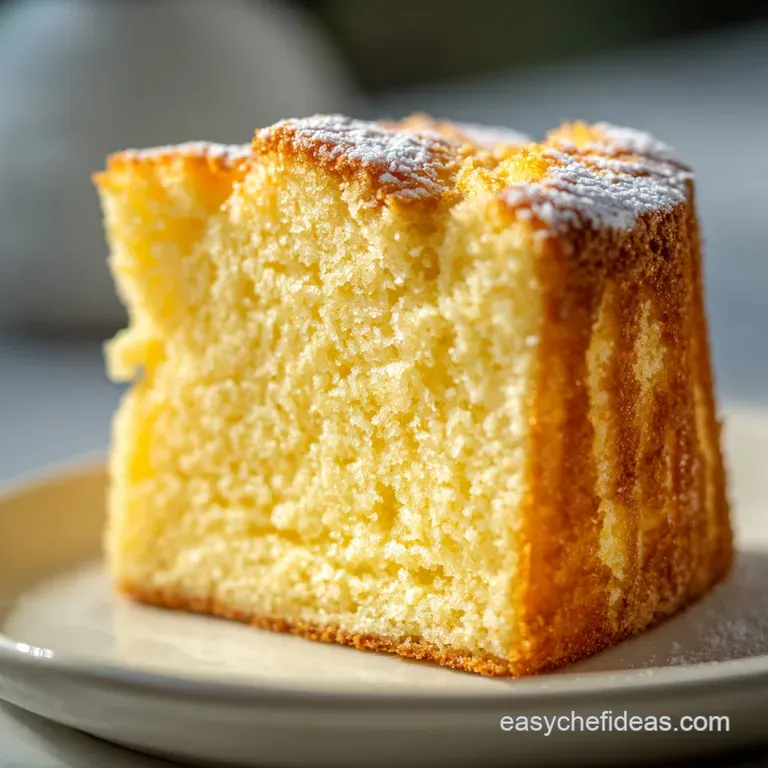
Even the best of us have cakes that go sideways. The trick is knowing how to spot the problem and fix it for next time. If your cake feels a bit off, it's usually down to temperature or mixing.
Troubleshooting Common Issues
| Issue | Solution |
|---|---|
| Why Your Cake Sinks in the Middle | This usually happens because the oven door was opened too early, letting the heat escape, or because the baking powder was old. It can also happen if you overbeat the batter and incorporated too much |
| Why the Texture is Too Dense | A dense cake is almost always the result of overmixing the flour. Once the flour hits the wet ingredients, gluten starts to form. If you mix too much, you create a bread like texture instead of a cake |
| Why the Cake is Dry | Dryness comes from two things: too much flour or overbaking. Even 5 extra minutes in the oven can strip the moisture out of a vanilla cake. |
Common Mistakes Checklist
- ✓ Did you use room temperature eggs?
- ✓ Did you stop mixing as soon as the flour vanished?
- ✓ Is your baking powder fresh?
- ✓ Did you grease the pan AND use parchment?
- ✓ Did you check the cake at the 30 minute mark?
Adjusting the Batch Size
Sometimes you don't need a whole 9x13 pan. Whether you're baking for two or a whole neighborhood, here is how to handle the easy vanilla cake homemade scaling.
Scaling Down (Half Batch) If you're using an 8 inch round pan, cut everything in half. For the egg, beat one egg in a small bowl and use about 2 tablespoons of it. Reduce the baking time by about 20%, starting your check at 20 minutes.
Scaling Up (Double Batch) When doubling, don't just double the salt and baking powder increase those by only 1.5x to avoid a metallic taste or a cake that rises too fast and then collapses.
Work in batches if your mixer is small, and lower your oven temp to 325°F (160°C) while extending the bake time by 10-15 minutes to ensure the center cooks without burning the edges.
Quick Decision Guide
- If you want a denser, pound cake feel, skip the oil and double the butter.
- If you want a lighter, fluffier result, whip the eggs for an extra 2 minutes.
- If you're serving a crowd, use a 9x13 pan and frost with a cream cheese glaze.
Baking Myths Debunked
There are a lot of "rules" in baking that aren't actually rules. Let's clear some of them up so you can bake with more confidence.
One big one: "You must cream butter and sugar for 10 minutes." Honestly, don't bother. Three to five minutes is plenty to get that pale, fluffy look. Any more and you're just wasting time.
Another myth is that you can't use oil in a "real" cake. In reality, oil is what makes an easy vanilla cake recipe no eggs (if swapped) or traditional ones stay moist. Butter is for flavor, but oil is for texture. Using both is the real pro move.
Keeping Your Cake Fresh
Since this is an occasion ready dessert, you need to know how to hold it. Because of the oil, this cake stays moist longer than most, but it still needs a bit of help.
Storage Guidelines Keep the cake in an airtight container. At room temperature, it's good for about 3 days. In the fridge, it'll last up to a week, but remember to let it come back to room temperature before eating, or the butter will make it feel hard.
Freezing and Reheating This cake freezes beautifully. Wrap individual slices in plastic wrap and then foil. It'll stay fresh in the freezer for 3 months. To reheat, just pop a slice in the microwave for 15-20 seconds. It'll taste just like it came out of the oven.
Zero Waste Tips If you have a little bit of batter left over, pour it into a greased muffin tin to make "tester" cupcakes. If you have leftover egg whites from a different recipe, use them to make a meringue topping for this cake.
Occasion Pairing Suggestions
Since this is such a versatile easy vanilla cake, the pairings are endless. For a classic celebration, a simple vanilla buttercream with fresh strawberries on top is an artful seasonal capture that looks stunning in photos.
If you're serving this at a cozy family gathering, pair a slice with a bowl of my velvety banana pudding for a double dose of comfort. For something lighter, a handful of fresh raspberries and a dollop of whipped cream balance the richness of the butter and oil perfectly.
For a more formal event, try serving a thin slice with a side of macerated peaches. The tartness of the fruit cuts through the sweetness of the cake, making it feel a bit more refined without losing that home baked charm.
Trust me, once you have this easy vanilla cake in your rotation, you'll never go back to a boxed mix again.
Recipe FAQs
Can I use only butter instead of vegetable oil?
No, the oil is key for moisture. While butter adds flavor, the oil ensures a tender crumb that stays moist longer. If you prefer a different classic style, try our Victoria sponge.
How to tell when the vanilla cake is fully baked?
Insert a toothpick into the center. It should come out clean, and the edges of the cake should slightly pull away from the pan.
Why did my cake sink in the middle?
You likely opened the oven door too early. This lets heat escape and disrupts the structure. Old baking powder or overbeating the batter can also cause this collapse.
Is it true I must sift the flour to get a light texture?
No, this is a common misconception. Whisking the flour, baking powder, and salt together in a bowl effectively removes clumps and incorporates air.
How to prevent the cake from sticking to the pan?
Grease the 9x13 inch pan and line the bottom with parchment paper. This creates a non-stick barrier that prevents the cake from tearing when removed.
Can I use cold eggs and milk straight from the fridge?
No, use room temperature ingredients. Cold liquids can cause the softened butter to seize, preventing a smooth emulsion and affecting the final rise.
Why is my vanilla cake texture too dense?
You probably overmixed the batter. Mixing flour too much develops gluten, which creates a bread like consistency instead of a light, tender cake.
Easy Vanilla Cake