Prawn Creole: Classic Spicy Louisiana Supper Ready Fast
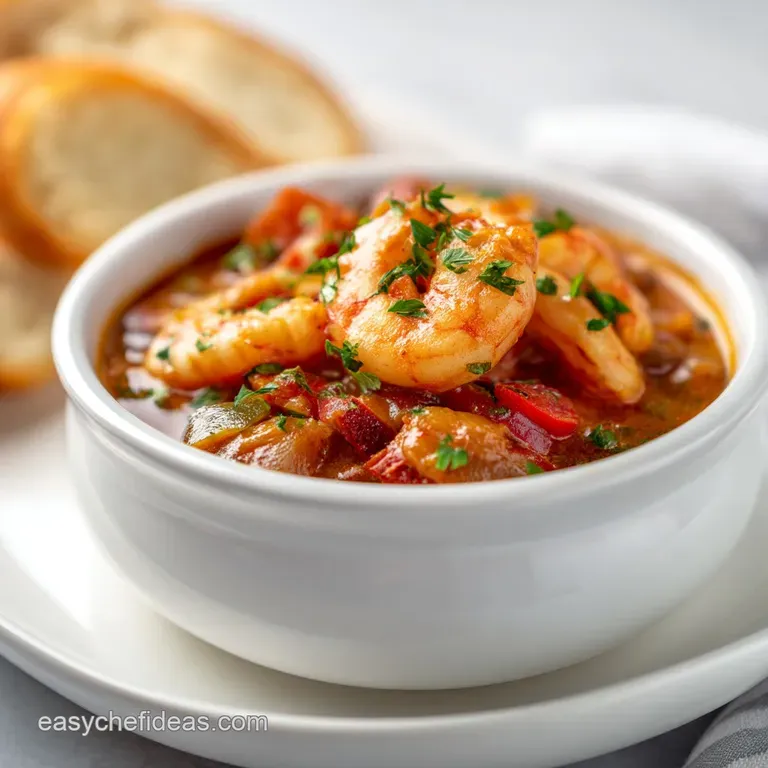
- Discovering the Heart of Louisiana: Authentic Prawn Creole
- The Science of Creole Flavor: Deepening the Sauce
- Sourcing and Preparing Your Creole Components
- Crafting the Perfect Prawn Creole: A Step-by-Step Guide
- Expert Insights: Troubleshooting and Techniques
- Preservation and Planning: Make-Ahead Guide
- Completing the Meal: Perfect Pairings for Creole Spice
- Recipe FAQs
- 📝 Recipe Card
Discovering the Heart of Louisiana: Authentic Prawn Creole
The smell alone should be illegal. Seriously, when the onion, celery, and bell pepper hit the hot pan, releasing those sweet, savory, pungent aromatics, you know something phenomenal is about to happen.
This deeply spiced, tomato rich stew is my ultimate comfort food, and making a proper Prawn Creole at home is easier than you think. Forget everything you think you know about complicated Southern cooking; this is vibrant, immediate flavour, ready to knock your socks off.
Life is too short for bland weeknight dinners, right? That’s why I adore this Prawn Creole recipe . It delivers restaurant quality depth in under an hour, using ingredients you probably already have lurking in your pantry (hello, canned tomatoes!).
It’s also incredibly forgiving, meaning if you’re distracted by a demanding toddler or an unexpected work call, the base sauce just gets better the longer it simmers. I promise, once you try this rich, slightly spicy, and deeply satisfying Prawn Creole , it will join your permanent rotation.
We’re not messing around here. We’re building layers of flavour, transforming simple vegetables and spices into a complex, comforting meal that tastes like it took all day.
Grab your largest pot and a sharp knife, because we are diving headfirst into the magic that is authentic Prawn Creole !
The Science of Creole Flavor: Deepening the Sauce
When I first started cooking Louisiana cuisine, my sauces were watery and thin. What was I missing? It turns out, Creole cooking isn't about speed; it's about sequence. Every ingredient has a job, and we need to let it do its work before moving on.
That concentrated depth is what separates a decent seafood stew from spectacular, authentic Prawn Creole .
What is Creole vs. Cajun Cooking? Setting the Context
People get these mixed up constantly, so let’s clear the air. Cajun cuisine (think rural, rustic) uses lard and often starts with a dark roux, focusing on smoke and heat. Creole cuisine (New Orleans city food, influenced by European and Caribbean techniques) leans on butter, uses tomatoes extensively, and features a refined elegance. This Prawn Creole is a classic example of that tomato forward, refined style. If you want to dive deeper, check out my recipe for The Best Shrimp Creole Recipe Authentic New Orleans Flavour — it really breaks down the differences.
The Speed Factor: Why This Recipe is Your Weeknight Hero
Unlike some recipes that require hours of slow simmering, this version of Prawn Creole is specifically designed for speed without sacrificing taste. We utilize canned diced tomatoes and concentrated tomato paste, cooking the paste down first to instantly deepen the colour and flavour profile.
The secret weapon here is the stock reduction; reducing the liquid for just 15 minutes concentrates everything beautifully.
Heat Level Customization: Finding Your Perfect Spice Balance
I like things hot, but my husband prefers a gentle warmth. Luckily, the primary heat source in this Prawn Creole is cayenne pepper, which is entirely adjustable. I suggest starting small (a quarter teaspoon) and tasting the sauce before adding the prawns.
Always remember: you can add more heat, but you can’t take it away.
Building the Foundation: The Power of the Holy Trinity
If you're making anything from New Orleans, you start here. The Holy Trinity onion, celery, and green bell pepper is the base for every great gumbo, jambalaya, or Prawn Creole . You must dice them small and cook them until they are completely translucent and sweet.
Resist the urge to brown them! They should melt into the background, providing an aromatic matrix for the sauce, not adding crunch.
Achieving Umami: The Role of Tomatoes and Stock Reduction
Umami is that savory, mouth filling flavor that makes you want another bite. In this Prawn Creole , we achieve it in three ways: tomato paste, Worcestershire sauce, and good stock. Sautéing the tomato paste until it turns brick red removes its metallic edge and concentrates the sweetness.
A splash of Worcestershire adds an essential fermented depth, crucial for truly authentic flavour.
Texture Matters: Preventing Overcooked Prawns
This is where many home cooks fail! The sauce for your Prawn Creole should be complete and perfectly seasoned before the prawns enter the picture. Prawns cook in minutes literally 3 to 5 minutes, max.
If you add them too soon, they turn tough, rubbery, and sad. We want juicy, tender bites of seafood swimming in that rich sauce.
Sourcing and Preparing Your Creole Components
Success in this dish is 90% preparation (mise en place, as the French call it) and 10% cooking. Get your chopping done first, and the rest flies by.
The Best Prawns for Creole: Fresh vs. Frozen Debate
I’m a pragmatist. Unless you live right on the coast and can vouch for the freshness, high-quality frozen prawns are often the better choice . They are flash frozen right on the boat, preserving peak texture. Look for large (21/25 count or bigger) prawns, peeled and deveined.
Thaw them completely in the fridge overnight, or quickly under cold running water, pat them dry, and you're good to go.
Spice Rack Essentials: Smoked Paprika and Cayenne
While some traditional recipes only call for Creole seasoning, I always add a touch of smoked paprika. It isn't strictly traditional, but it adds a gorgeous, deep red colour and a hint of smoky complexity that makes this Prawn Creole pop. Don't skip the cayenne if you enjoy heat!
Mastering the Mep: Prepping the Vegetables
Set aside a solid 20 minutes just for chopping your trinity. This is the grunt work, but it’s critical. Fine dice are essential no big, chunky pieces here.
A good trick is to use a large cutting board and keep your prepped onion, celery, and bell pepper separate from the minced garlic. Why? Garlic burns quickly, so it always goes in last!
Smart Substitutions for Tomato Products
What if you only have whole peeled tomatoes? No problem. Simply pulse them in a food processor a few times until they resemble coarsely diced tomatoes.
Chef's Note: If you find your canned tomatoes taste particularly acidic, adding a tiny pinch of granulated sugar no more than a teaspoon during the simmering phase will perfectly balance the tartness without making the final Prawn Creole sweet.
| Ingredient to Substitute | Recommended Substitution |
|---|---|
| Prawns | Firm white fish (cod, snapper) added later in the cook time. |
| Green Bell Pepper | Red or yellow bell pepper (less bitter, but still works). |
| Chicken Stock | Dry white wine (half a cup) mixed with water or vegetable stock. |
| Worcestershire Sauce | Soy sauce or fish sauce for that necessary umami kick. |
Crafting the Perfect Prawn Creole: A step-by-step Guide
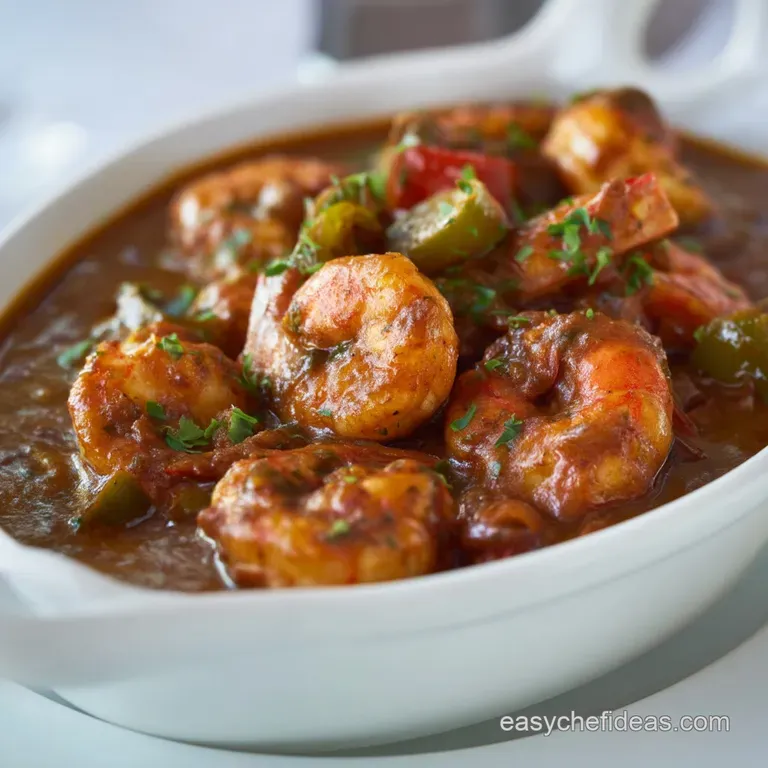
This process focuses on layering flavour, ensuring a deeply complex sauce before the prawns even touch the pan. Making this Prawn Creole is about patience in the early stages and speed at the end.
Phase 1: Sweating the Trinity (The Aromatic Base)
We start by heating the olive oil and butter together over medium heat in our Dutch oven. This mixture gives us the perfect fat for sweating the vegetables. Add the diced onion, celery, and bell pepper. Now, walk away for a bit!
Cook slowly, stirring occasionally, for 8– 10 minutes until they are super soft and translucent. This slow sweat is the key to deep flavour. If you rush this, the final Prawn Creole will taste raw and sharp.
Phase 2: Simmering for Depth: Building the Tomato Gravy
Once the trinity is soft, slide the minced garlic and tomato paste into the pan. Stir constantly and cook for 2– 3 minutes until the paste darkens. This "toasting" step is non-negotiable!
Next, stir in your Creole seasoning, thyme, cayenne, and Worcestershire sauce, cooking for one minute until they smell intoxicatingly fragrant. Pour in the stock, scraping up any delicious browned bits (fond) from the bottom.
Add the diced tomatoes and bay leaf, bring it all to a simmer, then cover partially and let it gently bubble for 15 minutes. This is where the magic happens and the flavour of your Prawn Creole truly develops.
Phase 3: The Final Flourish: Adding the Prawns and Herbs
Remove the bay leaf it has served its purpose. Increase the heat slightly. Now, add your peeled, deveined, and dried prawns directly into the simmering sauce. Stir gently so they are submerged. They will cook very quickly, turning from grey to bright pink and curling into a 'C' shape.
As soon as they are fully pink (about 3– 5 minutes), take the pot off the heat. Stir in half the fresh parsley and adjust the salt and pepper.
Adjusting Consistency: Achieving the Ideal Sauce Thickness
The ideal consistency for Prawn Creole is a thick, rich gravy something that clings beautifully to the rice. If your sauce seems too thick after the 15 minute simmer, add a splash more stock (about a quarter cup).
If it’s too thin, simmer it uncovered on medium low heat for an extra 5– 10 minutes before adding the prawns.
Expert Insights: Troubleshooting and Techniques
Trust me, I’ve made every mistake in the book, including turning expensive seafood into flavourless rubber. Here are the secrets I learned the hard way to guarantee a perfect Prawn Creole every time.
Why Your Sauce Tastes Flat (And How to Fix It)
If you taste the sauce and think, "Hmm, it needs something ," the answer is almost always salt. A common mistake is undersalting the base sauce. When cooking liquids reduce, the saltiness intensifies, but seafood itself often needs a final hit of seasoning to make the spice blend truly pop.
Taste again after the prawns are cooked and before serving, adding salt until the flavours sing.
Avoiding Rubbery Prawns: Timing is Everything
This bears repeating: the most crucial step when making Prawn Creole is not overcooking the seafood. If you see the prawns curling tightly into an 'O' shape, they are overcooked! They should look like a soft 'C'.
Keep the heat low, use that visual cue, and immediately remove the pot from the burner when they turn pink.
Boosting Acidity: A Squeeze of Lemon at the End
Sometimes, after a long simmer, a rich, spicy dish like this Prawn Creole benefits from a bright lift. Right before serving, a quick squeeze of fresh lemon juice stirred into the pot can cut through the richness and make the whole dish feel vibrant and fresh.
It's a non-traditional but highly recommended finishing touch.
Preservation and Planning: make-ahead Guide
Can you make this glorious dinner ahead of time? Absolutely, with one major caveat.
Can I Prepare the Sauce Ahead of Time?
Yes, and you absolutely should! The sauce for your Prawn Creole actually tastes better the next day once the spices have fully hydrated and melded together. Complete Phases 1 and 2 entirely, up to the point where you would add the prawns.
Let the sauce cool completely, then store it in an airtight container in the fridge for up to 3 days. When you’re ready to eat, bring the sauce back to a simmer and proceed with Phase 3 (adding the prawns).
Freezing Creole Safely (Without the Seafood)
Prawns do not freeze well when already cooked in liquid; they tend to become tough and mushy upon reheating. However, the base sauce for your Prawn Creole freezes beautifully! Freeze the fully cooked, seasoned sauce (without the prawns) in freezer safe bags or containers for up to 3 months.
Thaw overnight in the fridge, bring to a simmer, then add fresh prawns and finish the dish.
Storage Instructions: Refrigeration Guidelines
Store leftover Prawn Creole in an airtight container in the refrigerator for up to 3 days. Reheat gently on the stovetop over medium low heat until piping hot throughout. If it seems too thick, add a tiny splash of water or stock to loosen the sauce while reheating.
Completing the Meal: Perfect Pairings for Creole Spice
You can't have a stellar Prawn Creole without the perfect starch to soak up that incredible, flavourful gravy.
The absolute cornerstone pairing is long grain white rice . Jasmine or Basmati are fantastic, fluffy options. If you want a fun, carby mop-up tool, serve alongside my crusty homemade French bread recipe. For a slightly different twist, this rich sauce is also fantastic spooned over pasta, creating a spicy Prawn Creole Pasta dish though I usually save the pasta for a quick weeknight like my Speedy Prawn Rice Noodle StirFry Recipe Under 35 Mins .
This final step is the most rewarding: ladle the spicy, thick Prawn Creole over a mound of rice, shower it with fresh parsley and spring onion, and prepare to be utterly transported. Enjoy every single bite!
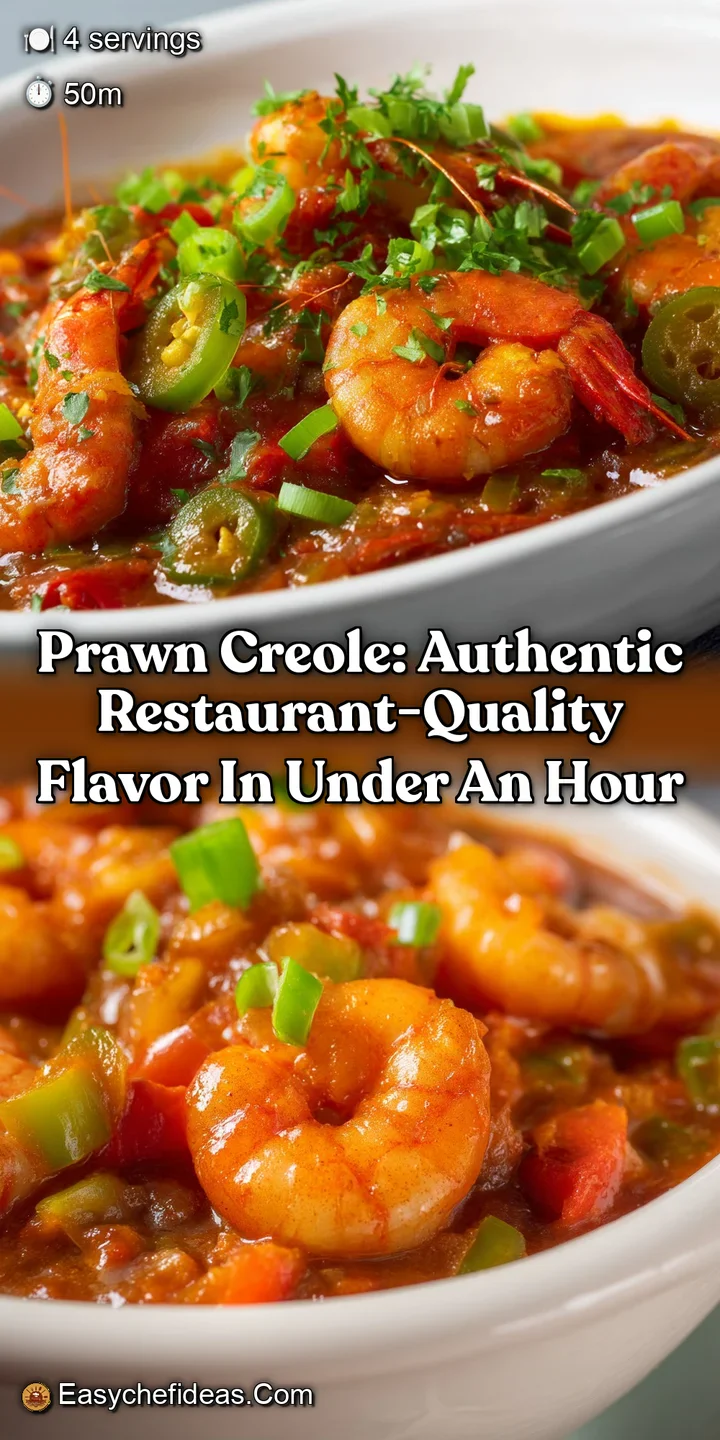
Recipe FAQs
How do I prevent the prawns from becoming tough or rubbery?
Prawns cook very quickly. To ensure they remain tender, only add them during the last 3-5 minutes of cooking, and remove the pot from the heat as soon as they turn opaque and curl slightly into a 'C' shape. Overcooking is the primary cause of rubbery texture in seafood stews.
How can I adjust the heat level of the Prawn Creole?
The spice level is primarily controlled by the cayenne pepper and the type of hot sauce used. For a milder dish, omit the cayenne completely and use a sweet paprika; conversely, for more fire, include a dash of habanero sauce or finely diced jalapeño early in the sauté stage with the Holy Trinity.
Can I use other types of seafood or meat instead of prawns?
Absolutely. While traditional, prawns can be swapped for sliced chicken breast, firm white fish (like cod or snapper), or traditional smoked sausage like Andouille. Ensure meat alternatives are fully cooked before proceeding to the final simmering stage of the sauce.
My Creole sauce is too watery. How do I thicken it?
A watery sauce usually indicates that the vegetables released too much liquid or the sauce wasn't simmered long enough uncovered. To correct this, increase the heat slightly and allow the sauce to reduce down for an additional 10 minutes uncovered to achieve a thicker, more robust consistency suitable for serving over rice.
What is the best side dish besides white rice?
While traditionally served over rice, excellent alternatives include creamy polenta or grits, which beautifully absorb the rich tomato base. Crusty French bread is also a fantastic addition, allowing diners to soak up every last bit of the flavorful sauce, essential for an authentic New Orleans experience.
How should I store leftover Prawn Creole, and can I freeze it?
Prawn Creole keeps well in an airtight container in the refrigerator for up to 3 days. Freezing is generally discouraged, however, because thawed prawns tend to become tough and rubbery; if you must freeze, cook the sauce fully and add the prawns only upon reheating.
Can this recipe be adapted for vegetarian or vegan diets?
Yes, you can easily adapt this dish by replacing the prawns with firm cubes of pan-fried tofu, button mushrooms, or hearty chickpeas. Ensure you substitute any chicken or seafood stock listed in the main recipe with a quality vegetable broth to maintain the vegetarian integrity of the dish.
Easy Prawn Creole Supper Recipe
Ingredients:
Instructions:
Nutrition Facts:
| Calories | 300 kcal |
|---|---|
| Fat | 10 g |
| Fiber | 5 g |
