Mums Secret Weapon Flavourpacked Korean Rice Balls Jumeokbap
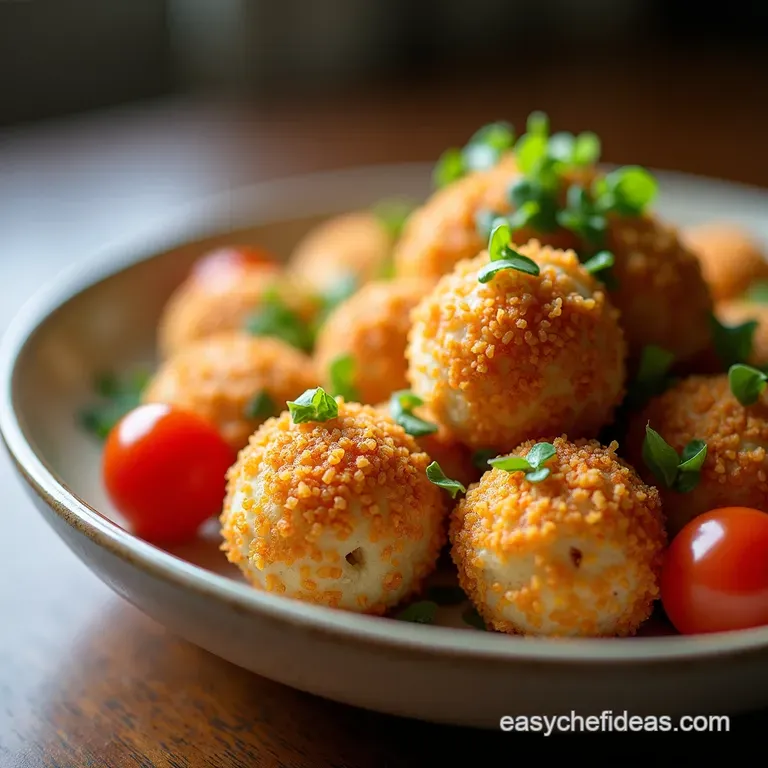
- Unpacking the Charm of Jumeokbap: Why These Are Your New Weeknight Heroes
- Gathering the Core Components for Stellar Korean Rice Balls
- Step-by-Step Mastery: From Cooked Rice to Perfectly Formed Jumeokbap
- Elevating Your Jumeokbap: Creative Twists and Serving Suggestions
- Frequently Asked Questions
- 📝 Recipe Card
Unpacking the Charm of Jumeokbap: Why These Are Your New Weeknight Heroes
Welcome to the world of Jumeokbap , the delightful Korean staple that translates literally to "fist rice." If you think of simple rice as just a side dish, prepare to have your mind changed.
These aren't your average leftovers jazzed up; these are flavour packed, hand moulded Korean Rice Balls , traditionally prepared for quick family meals or tucked neatly into lunchboxes.
Forget fiddly little sandwiches; these little orbs are satisfying, intensely flavourful, and incredibly versatile. They manage to be sophisticated enough for guests yet simple enough for a Tuesday night tea.
This Jumeokbap Recipe is your ticket to mastering a snack, side, or even a light main course in under half an hour.
Beyond Sushi: Defining the Authentic Korean Rice Ball Experience
When most people think of Asian Rice Balls , their minds jump to Japanese onigiri . While related, Korean Rice Balls possess a distinct, pungent, and umami rich profile. Our foundational recipe leans heavily on fermentation and pungent aromatics.
We achieve this signature depth using well fermented kimchi and generous amounts of toasted, nutty seaweed. They offer a textural experience that is soft yet firm enough to hold its shape, delivering a satisfying, savoury pop with every bite.
The Ultimate Comfort Food for Busy Schedule Saviours
The beauty of Jumeokbap lies in its speed and simplicity. This Korean Rice Balls Recipe requires virtually no actual cooking, assuming you have warm rice on hand.
With only 20 minutes of prep time, you can transform standard cooked short grain rice into 12 to 14 perfectly formed, craveable morsels. This ease makes them perfect for those evenings when cooking a complex meal feels impossible but you still crave something wholesome and satisfying.
A Flavour Profile That Goes Deeper Than Simple Seasoning
The complexity in these Stuffed Rice Balls comes from layering several strong, complementary flavours. We start with the clean, nutty base provided by high-quality sesame oil and toasted sesame seeds. Then, we introduce the tang and spice of finely chopped kimchi.
The addition of crushed roasted seaweed (Gim) brings in a salty, almost oceanic depth, all held together with a creamy secret weapon a touch of mayonnaise which ensures the mixture binds beautifully and adds richness.
Why Our Jumeokbap Recipe Outshines Standard Leftover Rice Prep
Anyone can mix leftover rice with soy sauce, but that seldom results in a truly cohesive, craveable snack. Our method ensures every grain is coated precisely, leveraging the starch structure of the short grain rice to create the perfect consistency for moulding.
By carefully integrating our flavour core kimchi, scallions, and seaweed we guarantee flavour distribution throughout, meaning you don't end up with bland pockets inside your perfectly shaped Korean Rice Balls with Seaweed .
Gathering the Core Components for Stellar Korean Rice Balls

To achieve the best result, quality matters, particularly with the rice itself. We’re aiming for 4 cups of cooked short grain white rice ideally day-old rice that has slightly cooled, as piping hot rice can be too sticky to handle easily.
The foundation of flavour begins with simple additions: 2 tablespoons of rich sesame oil and half a teaspoon of fine sea salt to season the bulk of the rice. For the primary flavour infusion, we require half a cup of finely chopped, well fermented kimchi (remember to squeeze out excess liquid!) and half a cup of crushed roasted seaweed snacks.
Finally, thinly sliced scallions (about a quarter cup) and one tablespoon of good mayonnaise round out the core components.
Sourcing Specialty Korean Pantry Staples for Maximum Authenticity
While this is an accessible recipe, a few authentic ingredients truly elevate the experience. Korean short grain rice is starchier than long grain varieties, which is crucial for binding. When sourcing your seaweed, look for Gim —the thin, seasoned sheets often eaten as a side snack.
If you can only find heavily seasoned sheets, reduce the added salt in the rice mixture slightly. A high-quality, full fat mayonnaise, like Kewpie, is recommended as its slight sweetness and high egg content aid in both flavour and binding agents.
The Exact Rice & Binding Agents Required for Perfect Moulding
The key to forming these Rice Finger Food items is texture management. You need warm, cooked short grain rice. If the rice is too cool, it won't stick; too hot, and you’ll burn your hands and steam the mixture into mush.
The primary binders here are the starch naturally present in the warm rice, the sticky moisture from the kimchi, and the emulsifying properties of the mayonnaise. We rely on gentle handling rather than heavy pressing to maintain an airy, yet solid, structure.
Must Have Savoury Mix-Ins: Beyond Just Sesame Seeds
While toasted sesame seeds are essential for aroma and garnish, the real stars that push this into the realm of delicious Korean Rice Balls Tuna (or vegetarian alternatives) are the kimchi and seaweed. These provide the necessary umami, acidity, and salty crunch.
If you opt for a protein variation, ensure any additions like flaked canned tuna, cooked ground beef, or seasoned tofu are completely drained of liquid beforehand to prevent textural failure.
Essential Kitchen Gear for Quick Assembly (No Fancy Tools Needed)
Fear not; this is not a recipe that requires specialized equipment. You need one large mixing bowl to comfortably incorporate everything. A rubber spatula or wooden spoon is perfect for the initial mixing phase.
Crucially, you must prepare for the shaping: have a small bowl of water nearby to lightly dampen your hands, or use a sheet of plastic wrap laid over your hands. This simple barrier prevents the rice from adhering aggressively to your skin, making the moulding process quick and clean.
Related Recipes Worth Trying
- The Best Italian Rice Balls Recipe Crispy Arancini with Ragù — Master the classic Arancini Recipe These golden fried Italian Rice Balls with Mozzarella and meat filling are creamy inside and perfectly crisp Get the...
- The Ultimate Cheesy Arancini Rice Balls Recipe Perfect Crispy Italian Treat — Forget takeout These Cheesy Arancini Rice Balls are golden crisp spheres stuffed with melting mozzarella Follow our simple steps for the best homemade rice...
- Seoulfully Sweet My Korean Beef Jerky Recipe Thats — Want a Korean Beef Jerky Recipe Thats seriously addictive This sweet spicy jerky is miles better than storebought Homemade Korean Jerky never tasted so good
step-by-step Mastery: From Cooked Rice to Perfectly Formed Jumeokbap
The process of creating these stellar Asian Rice Balls is straightforward and intuitive. Start by placing your warm, cooked short grain rice into the large mixing bowl. Drizzle the rice evenly with the 2 tablespoons of sesame oil and sprinkle with the sea salt.
Use your spatula to gently fold the rice, ensuring the seasoning is distributed without smashing the grains. Next, introduce your flavour core: the finely chopped kimchi, the crushed roasted seaweed, the thinly sliced scallions, and the tablespoon of mayonnaise.
If you are including a protein addition, this is the moment to fold it in gently.
Prepping the Flavour Base: Toasting Seeds and Activating Aromatics
While much of this recipe relies on raw ingredients, taking a moment to lightly toast your sesame seeds (if they aren't already toasted) pays dividends. A quick 5 minutes in a dry, non-stick skillet over medium low heat releases their deep, nutty oils.
This small step activates the aromatics, ensuring that when you roll the finished Jumeokbap Recipe balls in them, the flavour hits instantly. Remember to let the seeds cool slightly before rolling the rice balls in them.
The Gentle Art of Mixing: Avoiding Mushy Rice Consistency
This is perhaps the most critical technique. Resist the urge to vigorously stir or knead the mixture. We want the rice grains to remain distinct, surrounded by flavour, not mashed into a gluey paste.
Use a folding motion with your spatula, working from the bottom up, until you can see even distribution of colour and texture throughout the bowl. A light hand prevents the dreaded mushy texture common in over worked rice dishes.
Techniques for Shaping Your Korean Rice Balls Without Sticking
Once mixed, it’s time to shape. Prepare your hands by lightly dampening them with water this stops the starch from creating a sticky mess. Scoop out a manageable portion, about two to three tablespoons worth, into your palm.
Gently cup your hands around the rice and roll it lightly between your palms, applying just enough pressure to form a firm, golf ball-sized sphere. If the mixture feels too loose, you may have over moisturized your kimchi; if it won't hold shape, let the rice cool for a few more minutes.
Elevating Your Jumeokbap: Creative Twists and Serving Suggestions
These Korean Rice Balls are fantastic on their own, but customization turns them into a true culinary expression. If you desire more heat, try adding a teaspoon of Gochujang (Korean chili paste) to the mixing bowl for a smoky, sweet kick that works beautifully with the tart kimchi.
For a modern twist on Korean Rice Balls Spam , try incorporating finely diced, pre-cooked spam mixed with a dash of soy sauce into the base. Alternatively, for a substantial Korean Rice Balls Vegetarian option, swap any meat for finely chopped, sautéed shiitake mushrooms seasoned with a hint of soy sauce.
Exploring Protein Variations: Beef, Tofu, and Seafood Additions
If you are looking to turn these little bites into a more robust meal, incorporating protein is key. For an umami bomb, add half a cup of well drained, canned tuna or flaked salmon to the mixture.
For beef lovers, pre-cook a small amount of finely ground beef seasoned lightly with garlic and soy sauce, allowing it to cool completely before adding it to the rice. Even crumbled, well drained tofu tossed with a little sesame oil works wonderfully as a lighter protein inclusion.
The Best Dipping Sauces to Pair with These Savoury Bites
While they are perfectly flavourful un-dipped, a simple sauce can elevate the experience. A classic accompaniment involves mixing 2 parts light soy sauce, 1 part rice vinegar, a few drops of sesame oil, and a sprinkle of toasted sesame seeds.
For those who like spice, mixing a touch of gochugaru (Korean chili flakes) into this base provides the perfect sharp counterpoint to the richness of the rice balls.
Optimal Storage Times and Reheating Tips for Texture Preservation
These Stuffed Rice Balls are often best eaten the day they are made, but they store well. Place them in an airtight container and refrigerate for up to two days. When reheating, avoid the microwave if possible, as it tends to dry out the rice unevenly.
The best method is to briefly steam them for 3- 5 minutes, or simply allow them to come to room temperature if they are intended for a packed lunch.
Nutritional Snapshot: Making Jumeokbap a Balanced Meal Option
When focusing on the core ingredients (rice, kimchi, seaweed, sesame oil), these Korean Rice Balls offer a surprisingly balanced foundation. They provide complex carbohydrates for energy, healthy fats from the sesame oil, and beneficial probiotics from the kimchi.
By incorporating lean protein sources like tuna or tofu, you can easily shift the macros to make this a perfectly satisfying and nutritious meal option, proving that comfort food can absolutely be smart food.
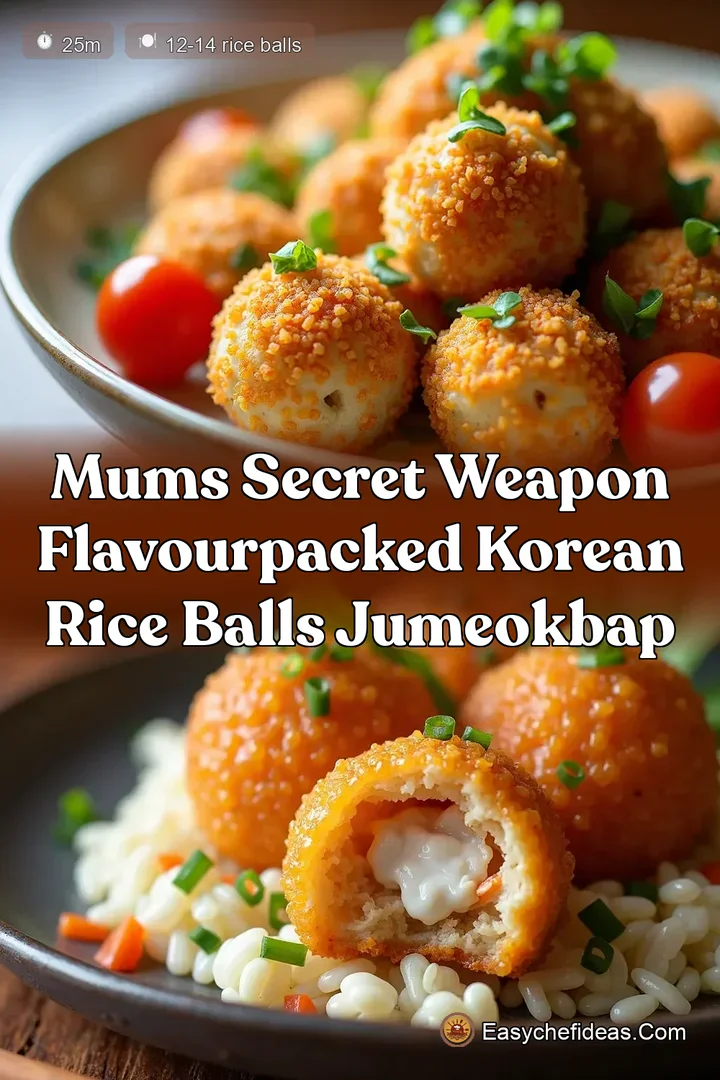
Frequently Asked Questions
How do I stop my hands from getting completely covered in sticky rice when making Korean Rice Balls?
Ah, the classic sticky situation! This is a right royal pain if you're not prepared. The best trick is to lightly dampen your hands with cold water before you start moulding, or better yet, wear a pair of disposable food grade gloves.
A little moisture creates a barrier that stops the rice from clinging on for dear life!
Can I make these Korean Rice Balls ahead of time, and how should I store them?
Absolutely, these are brilliant for meal prepping, much like a proper packed lunch. Store them in an airtight container in the fridge for up to three days. If you're planning to take them out and about, ensure they are completely cooled first.
They are best eaten cold or at room temperature, so no need to reheat them unless you fancy!
My rice balls keep falling apart; what am I doing wrong with the mixture?
Nine times out of ten, this comes down to two things: either the rice is too dry, or you’ve got too much liquidy filling. Make sure your rice is slightly warm when mixing, and if you are using kimchi, give it a good squeeze to drain off any excess brine first.
A tablespoon of mayonnaise or a tiny splash more sesame oil can also help bind things together nicely.
What are the best non-kimchi fillings if I can't find it or don't like it?
No problem at all; there are loads of cracking alternatives! For a savoury hit, finely chopped, well drained canned tuna mixed with a touch of mayo works a treat. You could also go for finely chopped, sautéed shiitake mushrooms seasoned with soy sauce, or even some scrambled egg mixed in for extra substance.
Are Korean Rice Balls supposed to be served warm, or are they better cold?
They are perfectly versatile, so it depends on the occasion! Traditionally, they are fantastic served slightly warm, especially if you’ve just finished mixing them, as the flavours really sing.
However, they are famously eaten cold, making them the perfect picnic food or lunchbox filler, much like a good scotch egg!
Easy Jumeokbap Korean Rice Balls

Instructions:
Nutrition Facts:
| Calories | 235kcal |
|---|---|
| Fat | 7g |
| Fiber | 1g |
