Baked Catfish: Crispy Lemon-Herb Fillets Oven Baked

- The Crispy Revolution: Lemon-Herb Baked Catfish for Flavour and Health
- Achieving Maximum Crunch: The Science Behind This Baked Catfish Recipe
- Essential Ingredients for Lemon-Herb Baked Catfish Fillets
- The Method: Step-by-Step Guide to Baking Catfish Fillets
- Chef’s Corner: Troubleshooting and Ensuring a Perfect Bake
- Storing Leftovers: Best Practices for Keeping Baked Fish Crispy
- Perfect Pairings: What to Serve Alongside Your Crispy Catfish
- Recipe FAQs
- 📝 Recipe Card
The Crispy Revolution: Lemon Herb Baked Catfish for Flavour and Health
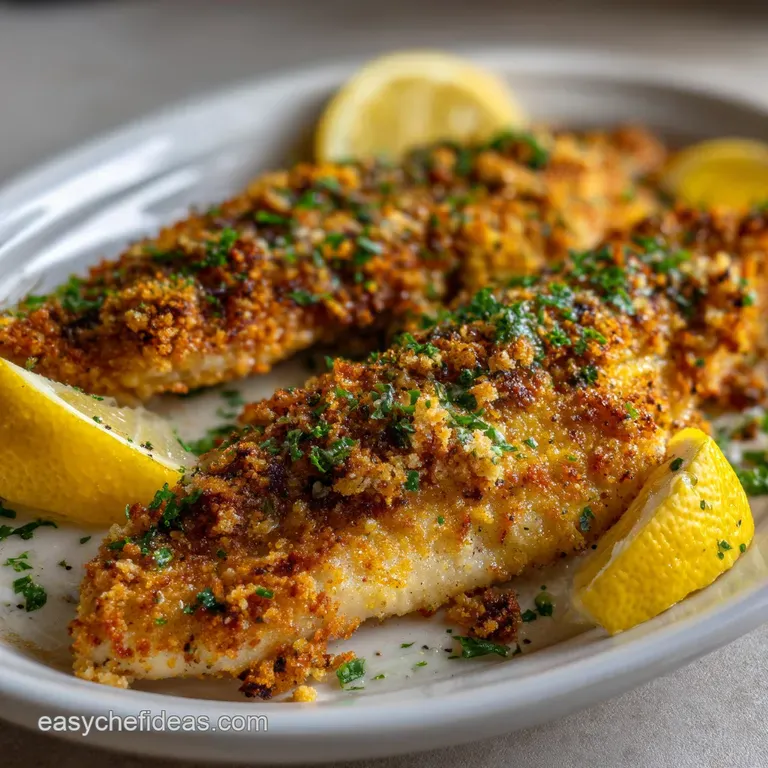
Have you ever bitten into something truly crunchy, heard that satisfying shatter sound, and realized dinner was going to be epic? That’s exactly the experience you get with this Lemon Herb Baked Catfish .
When that bright, zesty aroma of lemon and smoked paprika hits the hot oven air, your kitchen transforms into a Southern fish shack, minus all the grease.
Honestly, this baked catfish recipe is a total lifesaver for busy weeknights. It delivers all the comforting flavor of traditional fried fish but cleans up in about five minutes flat because we are completely bypassing the messy oil bath.
You get a light, healthy protein ready in less than 35 minutes, start to finish. It’s brilliant.
So, ditch the deep fryer and grab your wire rack, because I’m going to share the non-negotiable secrets to creating the most perfectly flaky, crunch tastic Baked Catfish you’ve ever had. We’re aiming for golden perfection without the sogginess!
Achieving Maximum Crunch: The Science Behind This Baked Catfish Recipe
When I first started trying to make fish crispy in the oven, I kept running into the same problem: a soggy bottom. But after years of kitchen mishaps, I cracked the code on how to make truly great baked catfish in oven .
It’s not magic; it’s all physics and strategic use of ingredients.
Why We're Trading the Fryer for the Oven
Frying is fantastic, sure, but it adds massive calories and makes your whole house smell like a carnival for two days. Baking gives you even, gentle heat that cooks the thick catfish fillets thoroughly without drying them out. Plus, it activates the Panko coating beautifully, leading to an incredible crunch.
Nutritional Snapshot: A Light Take on a Comfort Classic
Catfish is an awesome, affordable protein source, and baking keeps it lean. Because we are using only a drizzle of oil to activate the coating, this dish stays remarkably light compared to its deep fried cousins. It’s guilt free comfort food, which is always the goal here.
The Anatomy of a Perfect Flaky Catfish Fillet
Catfish has a mild, slightly sweet flavor and a lovely firm texture, making it perfect for absorbing bold seasonings. Since the fillets are usually uniform, they cook quickly and evenly, ensuring that flaky, moist interior we all crave. You definitely don’t want tough, overcooked fish.
The Role of Panko and Par-Baking the Coating
Panko breadcrumbs are non-negotiable here; they are much airier than standard breadcrumbs, meaning they absorb less oil and stay much crispier. Mixing the Panko with cornmeal gives that classic, slightly rustic Southern texture and color.
We lightly oil the coating before baking, which helps essentially ‘par-fry’ the crumbs right in the oven.
Thermal Dynamics: Cooking Catfish to the Perfect Internal Temperature
We blast the oven up high to 425°F (220°C) to ensure the coating sets quickly before the interior overcooks. You’re looking for a final internal temperature of 145°F (63°C). Trust me, using a meat thermometer for fish is one of the best habits you can adopt in the kitchen.
Prepping the Catfish Fillets for Optimal Moisture Retention
The secret to adhesion is dryness. You absolutely must pat the catfish fillets bone dry with paper towels before seasoning and coating. Excess moisture is the enemy of crispiness, causing the coating to steam and slide right off.
Chef’s Note: The single most important tool in this entire Baked Catfish process is the wire cooling rack set inside the baking sheet. It elevates the fish, letting the hot air crisp the bottom edge. If you skip this, expect sogginess.
Don't say I didn't warn you!
Essential Ingredients for Lemon Herb Baked Catfish Fillets
I swear by this specific spice blend because the smoked paprika adds a cozy depth that complements the clean flavor of the lemon. This blend turns plain old catfish into a vibrant, exciting meal.
Selecting the Best Catfish Fillets (Fresh vs. Frozen)
Look for thick, firm fillets. If you’re using frozen, thaw them completely overnight in the fridge and then pat them extra dry seriously, use the whole roll of paper towels if you have to. Uniform 6 ounce fillets work best for consistent cooking.
Building the Flavour Profile: Herbs and Citrus Essentials
We use dried thyme, garlic powder, and onion powder for that classic Southern seasoning base. But the real game changer is the lemon zest. The zest contains essential oils that provide a powerful, volatile flavor that holds up wonderfully during the high heat of the oven, resulting in truly aromatic baked catfish with herbs .
Mastering the Crispy Coating: Panko and Binding Agents
The combination of fine yellow cornmeal and Panko is where the crunch lives. For the wet binder, a simple mix of egg and a splash of milk works perfectly. I love using buttermilk if I have it, as the slight acidity helps tenderize the surface of the fish and further improves coating adhesion.
Smart Swaps: Ingredient Substitutions for Dietary Needs
No buttermilk? No problem! Use regular milk plus half a teaspoon of white vinegar to create a quick, DIY buttermilk substitute.
| Ingredient | Swap Idea | Notes |
|---|---|---|
| Catfish | Tilapia, Cod, or Haddock fillets | Adjust cooking time if thickness varies. |
| Panko Breadcrumbs | Crushed Corn Flakes or gluten-free Panko | Maintains crunch factor. |
| Full Fat Milk | Water or plant based milk | Reduces fat content, but texture might be slightly less rich. |
| Olive Oil | Melted Unsalted Butter | For a richer, almost nutty flavor. |
The Method: step-by-step Guide to Baking Catfish Fillets
Let’s crack on! Get your mise en place ready (that’s fancy chef talk for "put your ingredients where you can reach them") and your oven preheated to 425°F (220°C). We are making crispy magic happen.
Stage 1: Preparing and Seasoning the Fillets
- Oven Prep: Preheat the oven and place your wire rack inside a rimmed baking sheet. Lightly spray or brush the rack with oil. This prevents sticking, which is the last thing you want right before serving.
- Pat and Season: Take those very dry catfish fillets and lightly season them on both sides with your salt and pepper. Don't go crazy; the coating has plenty of seasoning.
- Set Up Stations: Whisk the egg and milk in one shallow dish. In a second dish, thoroughly combine the cornmeal, Panko, and all the gorgeous spices and the lemon zest. Mix this really well so every crumb gets seasoned.
Stage 2: The Triple Dip Dredging Process
- The Dip: Take one fillet and dip it completely into the wet mixture, letting any excess drip off momentarily. You want wet, but not drowning.
- The Press: Immediately transfer the wet fillet to the dry coating. This is critical: gently press the coating firmly onto the fish, ensuring the entire surface and edges are covered. We are creating a protective shell here.
- Transfer: Carefully place the fully coated baked catfish fillets onto the prepared wire rack. Give them some space; overcrowding causes steaming, which equals disaster.
Stage 3: Oven Setup and Achieving the Golden Crisp
- Oil Drizzle: Once all the fish is coated, drizzle the remaining olive oil lightly over the top of the fillets. This little bit of oil is what creates the deep golden color and that satisfying crunch as the baked catfish fillet recipe progresses.
- Bake: Slide the tray into the 425°F (220°C) oven and bake for 18 to 20 minutes. About halfway through, the kitchen should start smelling absolutely amazing savory, zesty, and warm.
Stage 4: Testing for Doneness and the Resting Period
- Check for Crunch: The fish is done when the internal temperature hits 145°F (63°C), and the coating is deeply golden brown. You should be able to hear a faint sizzling when you pull the pan out.
- The Rest: Let the fish rest for just two minutes right there on the wire rack. This allows the internal juices to redistribute slightly and keeps the coating as crisp as possible.
Chef’s Corner: Troubleshooting and Ensuring a Perfect Bake
Even simple dishes can go wrong, I know, because I’ve made every mistake myself! I once forgot to pat the fish dry and the coating peeled off like a sunburn. Don't be me.
Preventing the Coating from Becoming Soggy
The solution here is twofold: The wire rack (as discussed) and ventilation. Do not open the oven door during the first 15 minutes, but ensure nothing is blocking the vents. We need consistent, dry heat to achieve true crispiness in your oven baked catfish .
The Critical Role of Proper Breading Adhesion
If your coating falls off, you either didn’t pat the fish dry enough initially, or you didn’t press the dry mix firmly enough onto the wet surface. You want to make friends with that coating; really lock it in!
Identifying and Avoiding Undercooked Catfish
If the fish isn't flaky, it’s not done. But relying solely on appearance can be tricky, especially with a thick coating. If you don't have a thermometer, insert a fork into the thickest part. If the fish resists or looks translucent, give it another 3 to 5 minutes.
Storing Leftovers: Best Practices for Keeping Baked Fish Crispy
But does it freeze well? You bet if you haven't eaten it all already! Properly handling leftovers is key to enjoying delicious baked catfish days later.
Refrigeration and Reheating Techniques
Leftover Baked Catfish can be kept in an airtight container in the fridge for up to three days. When reheating, never use the microwave. It turns the coating into a sadness sponge.
Reheat the fish on a foil lined baking sheet at 350°F (175°C) for 8– 10 minutes until sizzling hot and crispy again.
Can You Freeze Cooked Catfish?
Yes, absolutely. Once completely cooled, wrap individual fillets tightly in plastic wrap, then place them in a freezer safe bag. They’ll keep for about two months. Thaw overnight in the fridge and reheat as directed above.
Prep Ahead Tips for Faster Weeknight Meals
You can easily prep the coating mixture up to a week in advance and store it in an airtight container. If you want a really fast meal, you can dredge the fish up to four hours ahead of time, storing the coated fillets on the prepared wire rack in the fridge.
This actually helps the coating adhere even better before you bake.
Perfect Pairings: What to Serve Alongside Your Crispy Catfish
Since this Baked Catfish is so flavorful and crunchy, you need sides that offer coolness, acidity, or comfort.
My favorite is a creamy, vinegary coleslaw (not the super sweet kind) to cut through the richness. If you want something quick, pair it with a Microwave Baked Potato: Fluffy Inside in Under 15 Minutes and a massive dollop of sour cream.
If you’re craving major comfort food, you could always serve this alongside my recipe for Macaroni and Cheese: The Gold Standard Baked Recipe . That buttery, cheesy side combined with the zesty, crunchy fish? That, my friends, is a masterpiece meal. Enjoy your perfect, crunchy, Lemon Herb Baked Catfish !

Recipe FAQs
Why did my baked catfish turn out dry and tough?
Catfish cooks very quickly, and dryness is typically caused by overbaking. Ensure you check the fillets using an instant read thermometer; they are done when they reach an internal temperature of 145°F (63°C).
Pulling the fish out of the oven just before it hits that mark allows carryover cooking to finish the process perfectly, ensuring flakiness.
How do I ensure maximum crispiness without frying?
The key to maximum crispiness is high heat and proper breading adhesion. Preheat your baking sheet thoroughly before placing the fish on it, and ensure a binding agent like egg or butter is used before the breading mixture.
Additionally, incorporating a small amount of baking powder or cornstarch into your coating mixture helps absorb moisture during baking.
Can I use a different type of white fish instead of catfish?
Absolutely. This recipe works well with other robust, flaky white fish like tilapia, cod, or basa. If using a thinner fillet, you may need to reduce the cooking time by 3 to 5 minutes to prevent drying out. Always check for the 145°F internal temperature regardless of the type of fish used.
What is the safe internal temperature for baked catfish?
According to USDA guidelines, all cooked fish should reach an internal temperature of 145°F (63°C). Insert a thermometer into the thickest part of the fillet to confirm doneness, making sure not to pierce through the skin or crust to the pan. The flesh should be opaque and flake easily when tested with a fork.
How should I store and reheat leftover baked catfish?
Store any leftovers in an airtight container in the refrigerator for up to 3 days. To reheat and maintain the crispness, avoid the microwave; instead, place the fish on a sheet pan and bake in a toaster oven or standard oven at 350°F (175°C) for about 8 to 10 minutes until warmed through.
How can I minimize the "muddy" or strong flavor that catfish sometimes has?
If you are using farm raised catfish or are concerned about a strong flavor, soaking the fillets in milk or buttermilk for 30 minutes before coating them works wonders. The fat in the dairy binds to the compounds that cause the undesirable taste.
Ensure you pat the fillets completely dry afterwards before proceeding with the recipe’s breading steps.
Can I prepare the breaded fillets ahead of time?
While fresh is best for maximum crispness, you can prepare the breaded fillets up to 4 hours in advance. Arrange the prepared fish on a wire rack set over a baking sheet and loosely cover with plastic wrap. Storing them on a rack prevents the bottom coating from becoming soggy while they wait in the refrigerator.
Crispy Lemon Herb Baked Catfish
Ingredients:
Instructions:
Nutrition Facts:
| Calories | 356 kcal |
|---|---|
| Protein | 31.8 g |
| Fat | 18.6 g |
| Carbs | 17.1 g |
