Eggplant Dish: Ultra Crispy
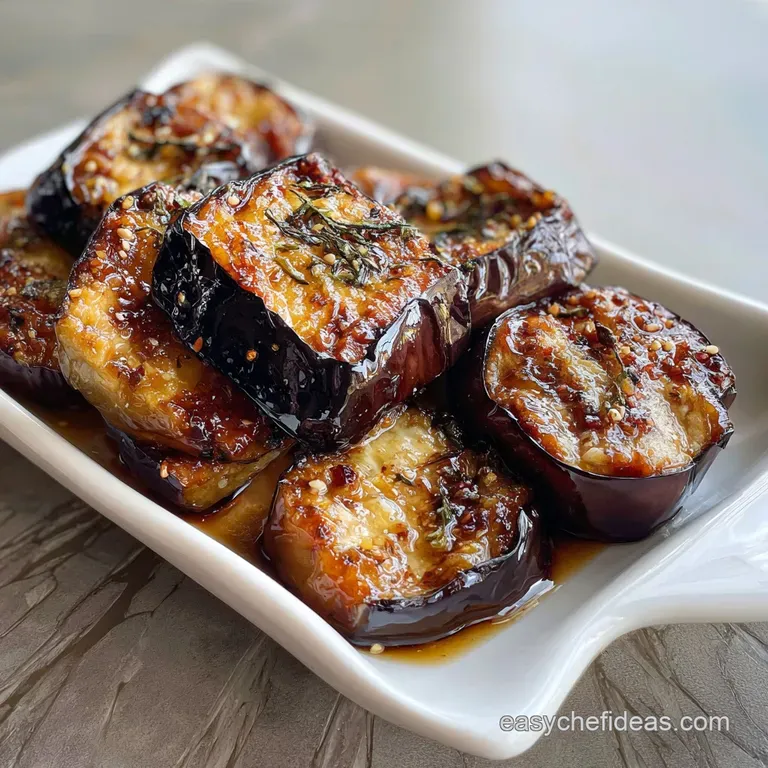
- Time: Active 10 minutes, Passive 20 minutes, Total 30 minutes
- Flavor/Texture Hook: Shatter crisp exterior with a velvety, melt in-your mouth center
- Perfect for: Nourishing weeknight dinners or a vibrant community gathering side
- The Purple Market Discovery: My Favorite Roasted Eggplant Dish
- The Physics of the Pore and Starch Seal
- Essential Recipe Specs for Consistency and Nutrition Success
- Building Blocks: Selecting High-Quality Ingredients for Rich Layers
- Necessary Kitchen Equipment for Achieving that Signature Golden Sizzle
- Bringing it Together: Mastering the Multi Stage Cooking Process
- Troubleshooting Guide: How to Avoid Bitter or Soggy Results
- Creative Twists and Swaps for Global Flavor Profiles
- Smart Storage Solutions and Zero Waste Leftover Strategies
- Perfect Pairings to Create a Complete and Nourishing Meal
- Debunking Kitchen Legends
- Decision Shortcut for Your Kitchen
- Eggplant Dish FAQs
- 📝 Recipe Card
The Purple Market Discovery: My Favorite Roasted Eggplant Dish
I still remember wandering through a sun drenched farmer's market in late August, the air thick with the scent of overripe peaches and warm earth. I stood in front of a crate of Globe eggplants, their skins so dark and glossy they almost looked like polished stones. I used to be terrified of them, honestly.
Every time I tried to cook one, it turned into a greasy, bitter sponge that lacked any soul. But a vendor there told me a secret about heat and starch that changed everything, and that was the day this specific recipe was born.
There is something deeply satisfying about the sizzle as the oil hits the pan or the way the kitchen smells when garlic and lemon juice collide. This isn't just a side; it's a way to nourish your family with something that feels indulgent but stays light.
We're moving away from the heavy, oil logged versions of the past and embracing a method that celebrates the natural diversity of textures this vegetable offers. You'll get that satisfying crunch followed by a silky interior that makes you realize why so many cultures around the world treat this ingredient as a prized centerpiece.
The Physics of the Pore and Starch Seal
The Physics of the Crunch: Eggplant is naturally full of tiny air pockets that act like a vacuum for oil. By dusting the cubes with cornstarch, we create a microscopic barrier that prevents oil absorption while reacting with surface moisture to form a brittle, paper thin crust.
Chef Tip: Microplane your garlic cloves directly into the olive oil 10 minutes before you start. This "cold infusion" lets the garlic flavor the oil without the risk of the tiny bits burning and turning bitter in the over high heat oven.
Essential Recipe Specs for Consistency and Nutrition Success
When we talk about building layers of flavor, precision matters. We aren't just tossing things in a bowl; we're orchestrating a series of reactions. To ensure your kitchen produces the same results as mine, keep these three numeric checkpoints in mind. First, your oven must be a true 200°C (approx.
400°F) before the tray enters. Second, aim for 2cm cubes, as this ratio of surface area to volume is the "sweet spot" for browning. Third, let the dish rest for exactly 5 minutes after it leaves the oven to allow the steam to settle.
| Method | Time | Texture | Best For |
|---|---|---|---|
| oven-roasted | 20 minutes | Evenly browned, creamy interior | Hands off meal prep |
| Stovetop Sauté | 15 minutes | Deeply charred, extra crispy edges | Quick weeknight sides |
| air-fried | 12 minutes | Maximum crunch, very light | Small batches for two |
It is fascinating to see how the same ingredients react differently depending on the heat source. While the oven provides a reliable, consistent roast that feeds a community, the stovetop offers those irregular, charred bits that add a rustic charm to the meal.
Building Blocks: Selecting high-quality Ingredients for Rich Layers
To create a truly memorable meal, we must focus on the quality of our components. Each element plays a specific role in the architecture of the dish. For example, using sea salt instead of standard table salt provides tiny pops of salinity that contrast with the creamy vegetable flesh.
- 2 Large Globe Eggplants (approx. 1.5 lbs / 700g): Look for heavy fruits with no soft spots. Why this? Heavy weight indicates high moisture content, which creates a better creamy silky interior contrast.
- 3 tbsp Extra Virgin Olive Oil: Use a robust, peppery oil if possible.
- 1 tbsp Cornstarch: The secret to the "shatter" effect. Why this? Starch absorbs surface moisture faster than flour, leading to a much crispier exterior.
- 1 tsp Sea Salt: Essential for drawing out bitterness and seasoning.
- 1/2 tsp Freshly Cracked Black Pepper: Adds a foundational warmth.
- 2 cloves Garlic, microplaned: For that deep, aromatic soul.
- 1/4 cup Fresh Flat leaf Parsley, minced: Brings a grassy, fresh finish.
- 1 tbsp Lemon Juice: The acidity that "wakes up" the heavy flavors.
- 1/2 tsp Red Pepper Flakes: A subtle hum of heat.
| Ingredient | Science Role | Pro Secret |
|---|---|---|
| Eggplant | Structural Base | Leave the skin on for fiber and to prevent the cubes from collapsing. |
| Cornstarch | Moisture Absorber | Toss the cubes in a bag with starch to ensure a perfectly even, thin coating. |
| Lemon Juice | pH Balancer | Add it at the very end to keep the herbal colors vibrant and the flavor sharp. |
When you are learning how to prepare eggplant, you realize that the order of operations is just as important as the ingredients themselves.
Necessary Kitchen Equipment for Achieving that Signature Golden Sizzle
You don't need a professional kitchen to make this, but a few specific tools will make your life much easier. I always recommend using a large, rimmed baking sheet. If the pan is too small, the eggplant will crowd together and steam rather than roast, leaving you with a soggy mess.
A piece of parchment paper is also a lifesaver here, as it prevents the starch from sticking to the metal and tearing off that hard earned crust.
A microplane is another essential. Using it for the garlic ensures the flavor is distributed into every drop of oil, rather than having large chunks that might burn. If you don't have one, a very fine mince with a sharp chef's knife works, but try to get it as close to a paste as possible.
Finally,, a large stainless steel bowl is better than glass for tossing, as the metal helps dissipate heat if you are mixing in the herbs while the cubes are still screaming hot.
Bringing it Together: Mastering the Multi Stage Cooking Process
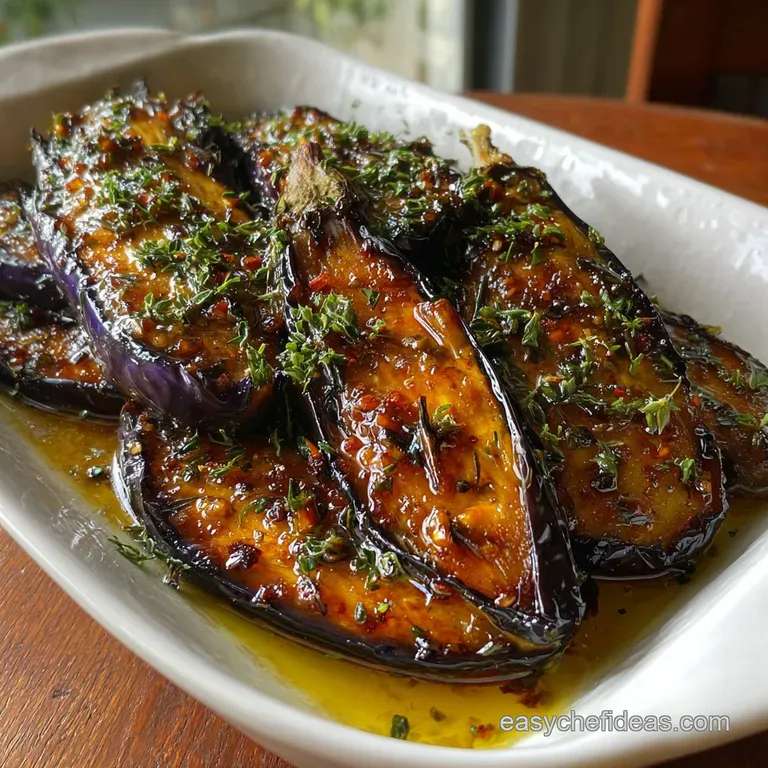
- Prep the vegetable. Slice the 2 Large Globe Eggplants into uniform 2cm cubes. Note: Uniformity ensures every piece finishes cooking at the exact same moment.
- Draw out moisture. Place cubes in a bowl and sprinkle with 1 tsp Sea Salt. Wait 10 minutes until beads of water appear on the surface.
- Dry and coat. Pat the cubes dry with a clean kitchen towel, then sprinkle with 1 tbsp Cornstarch.
- Infuse the oil. Whisk 3 tbsp Extra Virgin Olive Oil with the microplaned garlic and 1/2 tsp Black Pepper.
- Toss for coverage. Pour the garlic oil over the eggplant and toss until every side is shimmering.
- Arrange the tray. Spread cubes on a parchment lined sheet, ensuring no two pieces are touching.
- Roast for texture. Bake at 200°C for 20 minutes until the edges are deeply golden and crackling.
- Prepare the finish. While roasting, mix the 1/4 cup minced parsley, 1 tbsp lemon juice, and 1/2 tsp red pepper flakes.
- The final layer. Remove the tray from the oven and immediately toss the hot cubes with the herb mixture.
- Rest and serve. Let the dish sit for 5 minutes until the flavors meld and the steam settles.
Similar to the method used in our Avocado Egg Rolls recipe, the goal is to create a contrast between a crisp shell and a soft, flavorful filling.
Troubleshooting Guide: How to Avoid Bitter or Soggy Results
Understanding Soggy Texture Causes
If your eggplant comes out limp and greasy, it's usually a temperature or spacing issue. If the oven isn't hot enough, the cell walls of the eggplant collapse and release water before the starch can form a crust. This creates a steaming effect.
Also, if you overcrowd the pan, the moisture escaping from one cube will soften the one next to it.
| Problem | Root Cause | Solution |
|---|---|---|
| Soggy/Limp | Pan overcrowding | Use two trays or cook in batches to allow airflow. |
| Excessive Bitterness | Older eggplant | Increase the salting time to 20 mins to draw out more juice. |
| Burned Garlic | Garlic bits too large | Use a microplane or stir into the oil before coating. |
One mistake I once made was skipping the "pat dry" step after salting. I thought the moisture would help the starch stick, but instead, it turned into a gummy paste. Trust me on this: dry that eggplant like your life depends on it.
Common Mistakes Checklist:
- ✓ Ensure the oven is fully preheated before the tray goes in.
- ✓ Pat the eggplant completely dry after the 10 minute salt rest.
- ✓ Use a large enough baking sheet so cubes have at least 1cm of space between them.
- ✓ Don't skimp on the oil; it's necessary for the heat transfer that creates the crunch.
- ✓ Add the lemon juice only at the very end to maintain the structural integrity of the crust.
Creative Twists and Swaps for Global Flavor Profiles
Eggplant is a canvas that welcomes cultural diversity. While the parsley and lemon version is a classic Mediterranean approach, you can easily pivot to other flavor profiles. If you are looking for a more substantial meal, you might even consider how this roasting technique applies to a Lighter Eggplant Parmesan recipe.
| Original Ingredient | Substitute | Why It Works |
|---|---|---|
| Lemon Juice | Rice Vinegar | Adds a softer acidity; great for Asian inspired versions. |
| Cornstarch | Arrowroot Powder | Provides a similar crunch and is a great grain free alternative. |
| Parsley | Fresh Cilantro | Completely shifts the profile toward a North African or Mexican vibe. |
Changing the spices can also transform the dish. Replace the red pepper flakes with a teaspoon of smoked paprika for a Spanish flair, or use a pinch of cumin and coriander for something that feels more like a middle eastern feast. This flexibility is what makes this the best eggplant dish for any occasion.
Smart Storage Solutions and Zero Waste Leftover Strategies
Storage: This dish is at its absolute peak the moment it leaves the oven. However, if you have leftovers, they will keep in the fridge for up to 3 days. To reheat, avoid the microwave at all costs it will turn the eggplant into a rubbery mess.
Instead, pop them back into a hot oven or an air fryer for 5 minutes to restore some of that "shatter" to the crust. You can also freeze the roasted cubes for up to 2 months, though the texture will be softer upon thawing.
Zero Waste: Don't throw away those herb stems! The parsley stems are packed with flavor; mince them extra fine and add them to the roasting tray for the last 5 minutes of cooking.
If you find yourself with small scraps of eggplant that didn't make the "cube" cut, toss them in a pan with some onions to start a base for a nourishing pasta sauce.
Perfect Pairings to Create a Complete and Nourishing Meal
To prepare eggplant for a full dinner party, think about balance. Because this dish is earthy and rich, it pairs beautifully with something bright and creamy. A dollop of Greek yogurt mixed with a little tahini and lemon is a dream alongside these crispy cubes.
The cool yogurt cuts through the roasted garlic and oil, creating a harmony that feels like a true community feast.
For a more filling option, serve this over a bed of fluffy quinoa or pearl couscous. The grains will soak up any leftover garlic oil and lemon juice from the bottom of the bowl. If you're going for a tapas style spread, these cubes are the perfect companion to a sharp, salty feta cheese or some olives.
It's about bringing together different elements of flavor salt, fat, acid, and heat to create a meal that truly nourishes the body and the spirit.
Debunking Kitchen Legends
Myth: Salting eggplant is only done to remove bitterness. Truth: While it does help with older, more bitter varieties, the main goal of salting in modern recipes is to collapse the air filled cell structure.
This prevents the vegetable from acting like a sponge and absorbing too much oil, allowing it to brown properly instead of becoming saturated.
Myth: You must peel eggplant because the skin is tough. Truth: The skin is where most of the nutrients live, and it provides the essential structure that keeps the cubes from turning into mush.
When roasted at high heat, the skin becomes tender and adds a beautiful color diversity to your plate.
Decision Shortcut for Your Kitchen
- If you want a party appetizer: Cut the cubes slightly larger (3cm), roast until very dark, and serve with toothpicks and a spicy yogurt dip.
- If you want a quick weeknight meal: Sauté the cubes in a heavy skillet on the stovetop for 15 minutes to get those charred, rustic edges.
- If you want a healthy lunch prep: Roast the cubes as directed, let them cool completely, and toss them into a kale salad the eggplant will hold its shape and add a "meaty" texture.
Eggplant Dish FAQs
How do you prepare an eggplant for cooking?
Cut into uniform cubes and salt. Slice eggplant into 2cm cubes, toss with sea salt, let sit for 10 minutes until water beads appear, then pat dry thoroughly. This process draws out excess moisture and helps prevent a greasy texture.
Do I need to soak eggplant before cooking?
No, a 10-minute salt treatment is better. Soaking in plain water isn't as effective; salting draws out moisture through osmosis and can also reduce bitterness. Patting it completely dry afterward is key for achieving crispiness.
What's the best way to eat an eggplant?
Roast or sauté until crispy. High heat cooking methods that create a shatter crisp exterior with a velvety interior are ideal. Try tossing cubes with cornstarch before roasting for an amazing texture, similar to techniques used in My Smoky Baingan Bharta Recipe Taste of India.
Are you supposed to peel an eggplant before you cook it?
No, leave the skin on. The skin adds valuable nutrients, fiber, and helps the eggplant maintain its shape during cooking. When cooked properly at high heat, it becomes tender and contributes to the dish's appeal.
Why does my eggplant turn out greasy?
Likely due to insufficient moisture removal or pan overcrowding. Ensure you salt and thoroughly pat dry the eggplant before cooking. Also, avoid crowding the pan; give the pieces space to roast rather than steam, which is a common pitfall when learning how to prepare eggplant.
How can I make my eggplant dish extra crispy?
Use cornstarch and high heat. After salting and drying, toss the eggplant cubes with a tablespoon of cornstarch before roasting. Cooking at a high temperature, around 200°C (400°F), is crucial for achieving that satisfying crunch.
Can I prepare eggplant ahead of time?
Yes, with a specific method. You can chop and salt the eggplant up to 4 hours before roasting. Just make sure to pat it dry thoroughly right before you plan to cook it to avoid sogginess.
Crispy Eggplant Dish
Ingredients:
Instructions:
Nutrition Facts:
| Calories | 144 kcal |
|---|---|
| Protein | 1.9 g |
| Fat | 11.1 g |
| Carbs | 12.3 g |
| Fiber | 5.3 g |
| Sugar | 6.2 g |
| Sodium | 588 mg |
