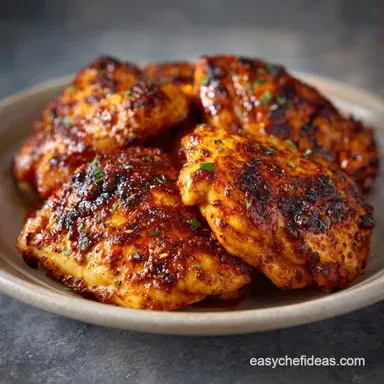
Crispy Chicken Thighs: Golden and Juicy
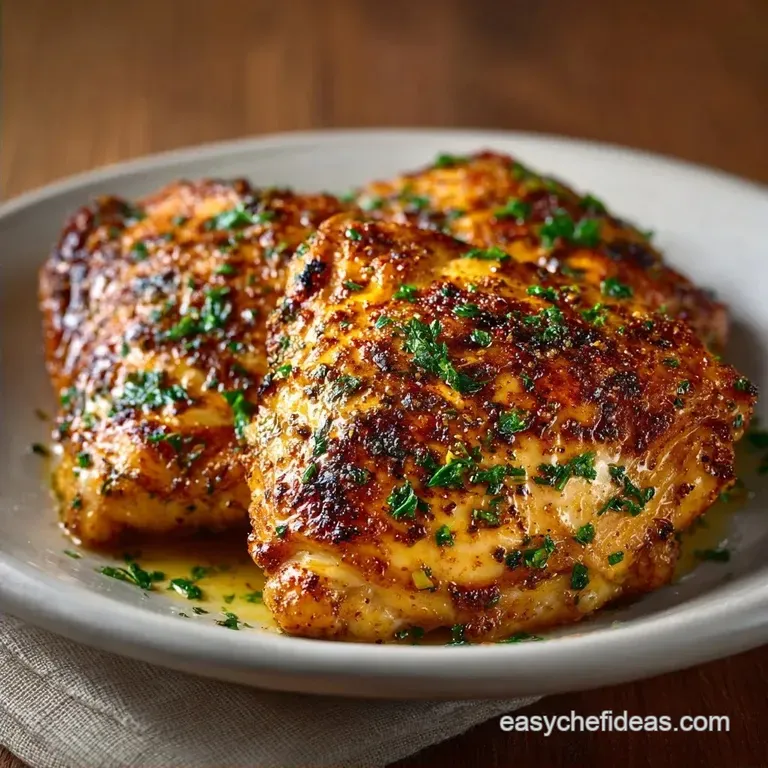
- Time: 5 min active + 35 min cooking
- Flavor/Texture Hook: Shatter crisp skin with juicy, succulent meat
- Perfect for: Weeknight dinner or a nourishing Sunday family meal
- Why This Method Actually Works
- The Essential Ingredient Breakdown
- The Building Blocks
- Getting Your Tools Ready
- Step by Step Cooking Guide
- Fixing Common Texture Issues
- Troubleshooting Common Issues
- Flavor Tweaks for Diversity
- Adjusting the Batch Size
- Common Kitchen Myths
- Storage and Bone Waste
- Plating for the Table
- Recipe FAQs
- 📝 Recipe Card
Crrr ack. That's the only sound that matters when you bite into a piece of skin that's been rendered just right. I remember the first time I tried to make these for a small community gathering. I was in a rush, so I skipped the drying step and just tossed the thighs in the oven.
They came out tasting fine, but the skin was rubbery and pale, almost like it had been steamed. It was a total letdown when I wanted something that felt celebratory and hearty.
Since then, I've learned that the secret isn't in a fancy marinade or expensive equipment. It's all about managing moisture and heat. When you get the technique right, the skin turns a deep mahogany brown, and the meat stays tender and dripping with flavor.
We're going to focus on building flavors in layers here. We start with a base of fat and smoke, then we use high heat to create that crackle, and we finish with a hit of fresh acid to cut through the richness.
This approach transforms Crispy Chicken Thighs from a basic protein into a centerpiece that nourishes both the body and the soul.
Why This Method Actually Works
The goal here is to remove every trace of water from the surface of the meat before it hits the heat. Water is the enemy of browning because it creates steam, which keeps the skin soft and pale.
- Surface Dryness: Patting the skin removes moisture, allowing the oil to sizzle immediately instead of boiling the water away.
- Air Circulation: Using a rack lets hot air hit the bottom of the meat, preventing the "soggy bottom" effect.
- High Heat: 425°F triggers the browning process quickly, rendering the fat beneath the skin before the meat overcooks.
- Acidic Finish: Adding lemon juice at the end brightens the heavy fats, creating a balanced flavor profile.
Right then, before we get into the ingredients, it's helpful to decide how you want to cook these. Some people swear by the stove, but for a crowd, the oven is your best friend.
| Method | Time | Texture | Best For |
|---|---|---|---|
| Oven Roast | 35 mins | Evenly crisp | Large batches / Hands off |
| Stovetop Sear | 20 mins | Extra charred | Single servings / Speed |
| Air Fryer | 22 mins | Very dry crisp | Maximum efficiency |
The Essential Ingredient Breakdown
To get that shatter crisp result, every ingredient has a specific job. It's not just about taste, it's about how the components interact under high heat. According to Serious Eats, removing surface moisture is the single most important step for achieving a golden brown crust on poultry.
| Ingredient | Science Role | Pro Secret |
|---|---|---|
| Kosher Salt | Draws out moisture | Use coarse grains for better skin texture |
| Smoked Paprika | Color and Depth | Adds a "grilled" flavor without a grill |
| Olive Oil | Heat Conductor | Helps the spices stick without burning |
| Lemon Juice | Fat Balance | Apply only after cooking to keep skin crisp |
The Building Blocks
Gather these items before you start. I highly recommend using bone in thighs because the bone helps the meat retain moisture and adds a deeper, more cultural richness to the overall flavor.
- 4 bone in, skin on chicken thighs (approx. 2 lbs / 900g)
- 1 tbsp olive oil Why this? High smoke point for roasting
- 1 tsp kosher salt Why this? Better salt distribution than table salt
- 1/2 tsp cracked black pepper Why this? Freshly cracked provides more punch
- 1 tsp garlic powder Why this? Doesn't burn as fast as fresh garlic
- 1/2 tsp smoked paprika Why this? Gives that mahogany color
- 1/2 lemon, juiced Why this? Cuts through the rendered fat
- 1 tbsp fresh parsley, chopped Why this? Adds a fresh, grassy note
If you don't have everything on hand, don't sweat it. Most of these can be swapped without ruining the dish, though the skin's texture might change slightly.
| Original Ingredient | Substitute | Why It Works |
|---|---|---|
| Olive Oil | Avocado Oil | Similar high smoke point. Note: More neutral flavor |
| Smoked Paprika | Sweet Paprika | Still adds color. Note: Lacks the smoky depth |
| Kosher Salt | Sea Salt | Similar mineral profile. Note: Adjust quantity as it's denser |
| Lemon Juice | Apple Cider Vinegar | Provides necessary acid. Note: More pungent, less citrusy |
Getting Your Tools Ready
You don't need a professional kitchen, but a couple of specific tools make a huge difference. I use a standard baking sheet and a wire cooling rack. If you don't have a rack, you can slice some thick onions or carrots to act as a natural trivet for the chicken to sit on.
I've found that using a digital meat thermometer is the only way to ensure you don't overcook the meat. Since we're using a high temperature, the window between "perfect" and "dry" is smaller than you'd think.
Step by step Cooking Guide
Let's crack on with the actual process. Remember, the more aggressive you are with the paper towels in step one, the better your results will be.
- Pat the chicken thighs aggressively with paper towels until the skin is completely matte and dry to the touch. Note: This prevents steaming.
- Rub the chicken with olive oil, then evenly coat with the kosher salt, cracked black pepper, garlic powder, and smoked paprika.
- Preheat the oven to 425°F (218°C).
- Place the thighs skin side up on a wire cooling rack set over a large baking sheet to ensure 360 degree airflow.
- Roast for 30–35 minutes until the skin is a deep mahogany brown and the internal temperature reaches 165°F (74°C), though 175°F (79°C) is preferred for thighs.
- For extra crispiness, turn on the broiler for the final 2 minutes, monitoring closely to prevent burning.
- Remove from the oven and immediately squeeze fresh lemon juice over the skin.
- Garnish with chopped parsley and let them rest for 5 minutes before serving.
Chef's Note: Trust me on the resting period. If you cut into the meat immediately, all those lovely juices will run out onto the plate, leaving the chicken dry.
Fixing Common Texture Issues
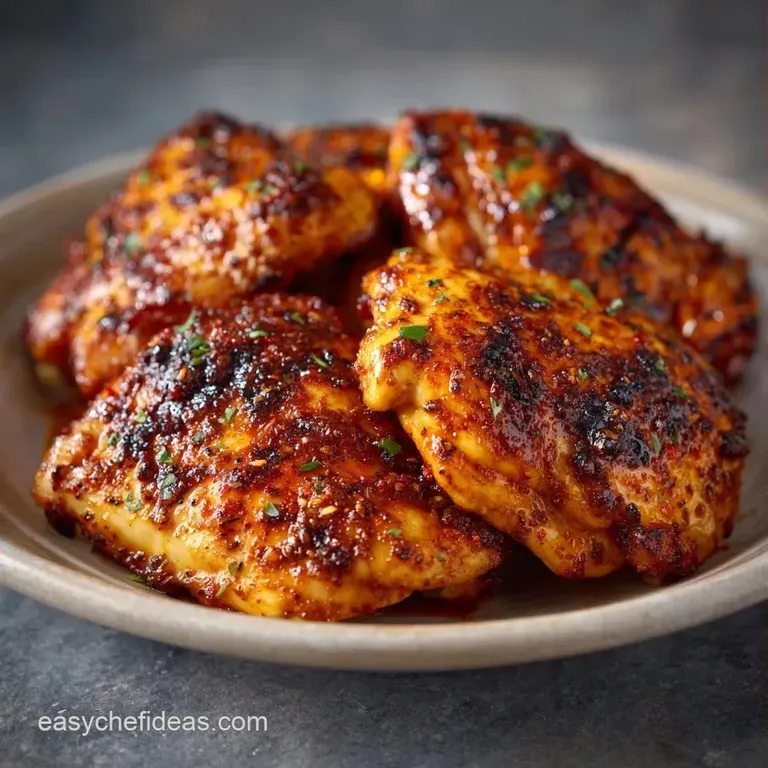
When making Crispy Chicken Thighs, things can occasionally go sideways. Usually, it's a matter of temperature or moisture. If your skin isn't shattering, it's almost always because there was too much water on the surface or not enough airflow.
Troubleshooting Common Issues
| Issue | Solution |
|---|---|
| Why Your Skin Is Rubbery | This happens when the chicken is crowded in the pan or the oven temperature is too low. The fat doesn't render, and the skin just boils in its own juices. |
| Why the Meat Is Dry | Overcooking is the main culprit. While breasts dry out at 165°F, thighs are actually better at 175°F because the connective tissue breaks down. |
| Why the Spices Burnt | If you use too much sugar based rub or your oven runs hot, the paprika can char. If you notice the skin getting too dark too quickly, just slide a piece of foil loosely over the top. |
Common Mistakes Checklist:
- ✓ Forgot to pat dry (Result: Rubbery skin)
- ✓ Crowded the pan (Result: Steamed meat)
- ✓ Skipped the rack (Result: Soggy underside)
- ✓ Added lemon too early (Result: Softened crust)
Flavor Tweaks for Diversity
Once you've got the base technique down, you can really play with the spice layers. For a more global feel, try swapping the paprika for a pinch of cumin and coriander. This gives the dish a warm, earthy tone that pairs beautifully with a side of basmati rice.
If you're looking for something more indulgent, these thighs are a great companion for a chicken and mushrooms white wine sauce. The creaminess of the sauce creates a wonderful contrast against the shatter crisp skin.
Decision Shortcut: If you want a spicy kick, add 1/2 tsp cayenne to the rub. If you want a sweet savory vibe, glaze with honey in the last 5 minutes. If you want a Mediterranean feel, swap paprika for dried oregano and thyme.
Adjusting the Batch Size
When you're cooking for a crowd, don't just double the spices. Salt and potent spices like smoked paprika can become overwhelming if scaled linearly.
Scaling Down (2 Thighs): Use a smaller baking sheet so the heat stays concentrated. You'll likely need to reduce the roasting time by about 5–10 minutes. Since you only need a small amount of oil, use a brush to apply it precisely.
Scaling Up (8-12 Thighs): Work in batches if your oven is small. If you crowd the pan, you'll lose the airflow, and you'll end up with steamed chicken. Increase the spices to only 1.5x the original amount for a double batch, as the flavor concentrates during the roast.
If using multiple racks in the oven, rotate the pans halfway through to ensure an even brown.
Common Kitchen Myths
There are a lot of old school rules that actually hold us back from better food. Let's clear a few of these up.
The "Sealing Juices" Myth: Many people think searing meat "locks in" the juices. In reality, searing creates flavor and texture, but it doesn't stop moisture loss. The juice stays inside because we don't overcook the internal temperature, not because of the crust.
The "Room Temp" Myth: You'll hear that you must let chicken sit on the counter for 30 minutes before cooking. For thighs, this isn't necessary. The high heat of the oven handles the temperature difference easily, and keeping the meat cold actually helps prevent the skin from softening before it hits the heat.
Storage and Bone Waste
Leftover Crispy Chicken Thighs stay great in the fridge for 3 to 4 days. To reheat them without losing the crunch, avoid the microwave. Instead, pop them back in the oven at 350°F for 10 minutes or use an air fryer for 5 minutes.
This re renders the fat and brings back the shatter.
For freezing, it's best to freeze them cooked. Wrap them tightly in foil and freezer bags for up to 3 months. Thaw overnight in the fridge before reheating in the oven.
Don't throw away the bones! Once you've finished the meat, toss the bones into a pot with water, a carrot, and a stalk of celery. Simmer them for a few hours to make a rich, gelatinous stock. This homemade base is what makes a creamy chicken mushroom soup taste like it came from a professional kitchen.
Plating for the Table
To make this dish look as good as it tastes, focus on the contrast of colors. The deep mahogany of the skin looks stunning against a bright white plate or a rustic wooden board.
- 1. Internal Temp
- 175°F for maximum tenderness.
- 2. Rest Time
- Exactly 5 minutes to preserve juices.
- 3. Final Touch
- A fresh squeeze of lemon right before the plate hits the table.
Arrange the thighs in a circle, overlapping slightly, and scatter the chopped parsley across the top. I like to serve these alongside roasted root vegetables or a crisp green salad. The acidity of the salad cleanses the palate between bites of the rich, savory chicken.
It's a simple way to nourish your community with a meal that feels thoughtfully crafted.
Recipe FAQs
How can I get the crispiest skin on chicken thighs?
Pat the skin aggressively with paper towels until it is completely matte and dry. This prevents the chicken from steaming and allows the fat to render properly for a shatter crisp finish.
Are chicken thighs okay for high cholesterol?
Consult your doctor, but thighs generally contain more saturated fat than breasts. Removing the skin before eating can significantly reduce the cholesterol content of the meal.
Can a diabetic eat baked chicken?
Yes, baked chicken is an excellent low-carb protein choice. Just avoid adding sugary glazes or honey to keep the glycemic index low.
What makes chicken skin extra crispy?
Using a wire rack over a baking sheet ensures 360-degree airflow. This prevents the chicken from sitting in its own juices and allows the skin to crisp evenly on all sides.
What is the best way to cook skinless chicken thighs?
Season and bake at 425°F. Because there is no skin to insulate the meat, check the internal temperature more frequently to avoid drying them out. For a different approach to thigh preparation, try our authentic tinga chicken.
How long do you cook baked chicken thighs?
Roast for 30 35 minutes at 425°F. The meat is safe at 165°F, but 175°F is preferred for thighs as it better breaks down the connective tissue.
What is the best way to grill chicken thighs?
Sear over medium high heat until the skin is mahogany brown and the internal temperature reaches 175°F. Flip occasionally to prevent the paprika from charring too quickly.
Crispy Chicken Thighs