The Golden Root Crispy Carrot and Courgette Veggie Latkes

Beyond the Potato: Why These Modern Veggie Latkes Rule
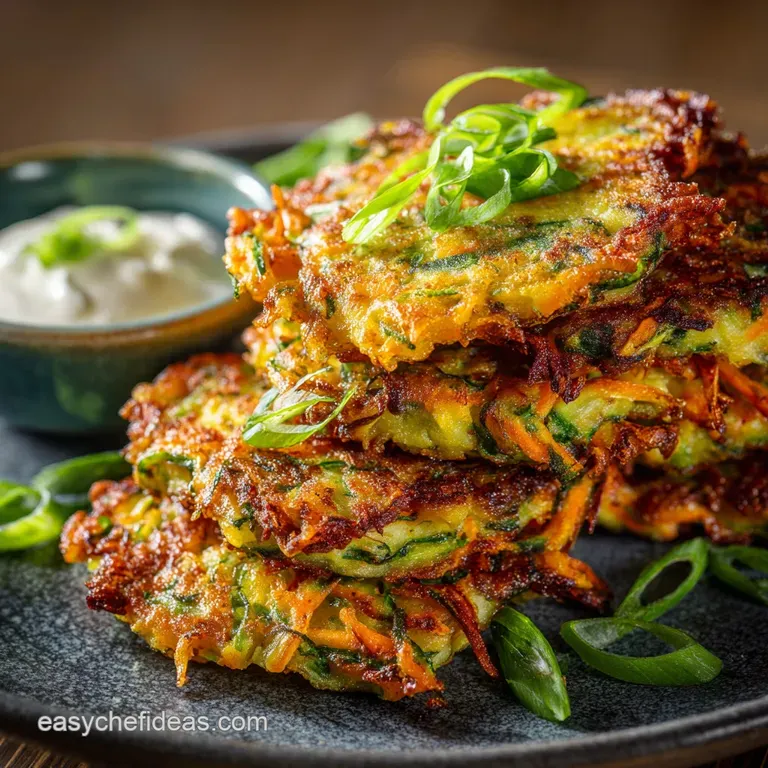
The classic potato latke holds a sacred place in culinary history, but true innovation happens when we treat tradition as a foundation, not a limitation. These modern Veggie Latkes take everything you love about the crisp, savory fritter and elevate it into something lighter, brighter, and significantly more complex in flavor.
While the preparation itself is rated medium difficulty primarily due to the required diligence in moisture management the result is a supremely satisfying dish perfect for brunch, dinner, or holiday celebrations.
Expect about 20 minutes of active prep time, 15 minutes of crucial draining, and 30 minutes of careful cooking, yielding 12 to 14 generous latkes.
Elevating the Classic: The Carrot and Courgette Difference
The brilliance of this vegetable latkes recipe lies in its colourful additions. We start with three medium, starchy Russet potatoes (approximately 500g), which provide the essential structure and binding starch.
However, we introduce two medium carrots (250g) and one large courgette (200g) alongside a small yellow onion (100g). The carrots contribute a subtle, necessary sweetness and beautiful golden hue, making the final fritter far more appealing than a purely potato based version.
The courgette, rich in moisture but neutral in flavour, softens the interior texture, resulting in a more tender bite. This blend provides a significant nutritional boost, making these an excellent foundation for Healthy Vegetable Latkes .
Achieving the Ultimate Crunch: Conquering the Moisture Challenge
The most common hurdle in latke making is sogginess. When high water-content vegetables, like the ones used here, hit hot oil without proper preparation, they leach moisture, drastically dropping the oil temperature and resulting in a greasy, soft fritter. The key to a definitive crunch is preparation, not frying time.
We rely on a two-part process: first, salting to draw out the water, and second, an aggressive squeezing technique. By mastering the moisture extraction, we ensure the latke surface quickly dehydrates in the hot oil, promising that perfect, glass like crisp exterior.
Gathering Your Golden Roots: Essential Latke Components
Before mixing and frying, success depends on having the right tools and understanding how each component functions. Unlike a quick drop biscuit, veggie latkes recipe success is highly procedural.
Must Have Equipment for Perfect Fritters
The tools required are simple but specific. You will need a sturdy box grater or, ideally, a food processor equipped with a coarse shredding attachment to handle the large volume of vegetables.
Most importantly, you must have reliable moisture removal tools: a fine mesh sieve and, critically, a clean, heavy duty tea towel or cheesecloth. For frying, invest in a heavy bottomed frying pan cast iron is superb to maintain steady heat, along with a slotted spatula and kitchen tongs for safe handling.
All finished latkes should drain on a baking sheet lined with paper towels, away from the frying area.
Shredding Secrets: Optimal Grate Size for Texture
Texture starts with the shred. To ensure the latkes achieve an open structure that allows moisture to steam out during cooking, always use the coarsest setting available on your grater. Avoid using the fine grate, which turns the mixture into a wet paste that resists crisping.
The coarse shred creates appealing long, elegant strands of potato, carrot, and courgette that bind together beautifully and retain their structure, resulting in a superior, lacy fritter texture.
Flour, Egg, or Binder Alternatives Explained
The binder's job is to hold the grated vegetables together just long enough for the structure to set in the hot oil. We utilize two large, lightly beaten eggs, which distribute easily, and two tablespoons of all-purpose flour.
Crucially, we also employ the reserved potato starch scraped from the bottom of the drained liquid which acts as the most powerful, natural binding agent. For those seeking gluten-free options, substituting the flour with three tablespoons of Matzo meal (a traditional choice) or two tablespoons of arrowroot powder works perfectly, maintaining the structural integrity of these delicious vegetarian latkes .
Related Recipes Worth Trying
- My GoTo Rava Uttapam Recipe Instant Quick Veggie Appam No Fermentation — Skip the waiting Our Instant Rava Uttapam Recipe Instant is the easy Indian breakfast lifesaver Get fluffy quick uttapam no fermentation needed Serve with...
- Speedy Weeknight Dinner Air Fryer Lemon Herb Chicken Veggies — Need a quick weeknight dinner air fryer recipe This lemon herb chicken and veggies is ready in 35 Healthy delicious and easy cleanup Get the recipe
- Healthy Weekday Dinners OnePan Lemon Herb Chicken Veggies — Stuck for healthy weekday dinners This OnePan Lemon Herb Chicken Veggies is quick easy and packed with flavour Dinner on the table in under an hour Get the...
The Art of the Fritter: step-by-step Veggie Latke Preparation
This is where technique separates the amateur from the expert. Following these steps precisely ensures maximum crispness and a perfect, golden hue.
The Squeeze Test: Dramatically Removing Vegetable Water
The single most pivotal step in achieving a crispy outcome is moisture removal. After grating the potatoes, carrots, courgette, and onion, toss them gently in a large bowl with one teaspoon of fine sea salt.
Let this mixture rest for 10 to 15 minutes; the salt will immediately start drawing out water. Next, transfer the entire mass into your cheesecloth or tea towel. This is the moment to truly exert yourself: twist the cloth tightly over the sink, squeezing out every drop of liquid.
When you think you are done, squeeze again. This dramatically dry vegetable mass is the foundation of a non-greasy, perfectly crisp latke. Don't forget the bonus step: let the reserved liquid sit for five minutes, pour off the clear water, and scrape the thick white potato starch back into the dried vegetable mixture.
Forming the Batch: Gentle Combining for Lightness
Once the vegetables are dry, quickly combine them with the beaten eggs, flour, pepper, and optional baking powder. Mix swiftly and thoroughly until just combined. Speed is crucial here , as the salt remaining in the vegetables will cause them to start releasing moisture again almost immediately.
Scoop roughly two tablespoons of the mixture and gently pat them into a compact, three inch disc using the back of a spoon. Work quickly from bowl to pan to prevent re-hydration.
Mastering the Oil Temperature for Maximum Crisp
Pour about one cup (250ml) of high heat cooking oil (canola, grapeseed, or peanut) into your heavy pan, reaching a depth of about 1/2 inch (1.5 cm). Heat the oil over medium high heat until it shimmers, ideally reaching 350°F (175°C).
Test the temperature with a tiny piece of potato; it should sizzle immediately and aggressively. Carefully place the formed latkes into the hot oil. Avoid overcrowding the pan fry in small batches of four or five to prevent the oil temperature from dropping, which is the chief cause of absorption and greasiness.
Fry for 4 to 5 minutes per side, gently pressing down with your spatula after the first minute to ensure maximum surface contact and crisp development.
Cooling and Draining: Finishing Touches for Non-Greasy Latkes
Once deep golden brown and flawlessly crisp, remove the veggie latkes immediately with a slotted spatula. Place them onto your prepared baking sheet lined with several layers of paper towels to wick away any surface oil.
To ensure all your latkes remain hot and crunchy while you finish the remaining batches, transfer the finished fritters to a low oven set at 250°F (120°C). This gentle heat maintains the crispness achieved during frying without drying them out.
Troubleshooting and Flavor Upgrades
Every great cook knows how to pivot when things go sideways or how to adjust a recipe for maximum flavour impact.
Why Are My Veggie Latkes Falling Apart? (Fixes)
If your latkes are dissolving in the pan or falling apart when flipped, the problem is almost certainly moisture. First, check your technique: were the potatoes high starch (Russets)? Did you squeeze hard enough? The binder cannot work effectively if it is too diluted by vegetable liquid.
If the batter feels too wet even before frying, your immediate fix is to sprinkle in an additional tablespoon of flour or Matzo meal, mix lightly, and try frying again. For a less messy, yet equally delicious alternative, consider making waffled veggie latkes —the pressure and heat of the waffle iron naturally compact the batter and wick away moisture.
Creative Swaps: Adapting the Recipe with Different Vegetables
This recipe is highly adaptable. While the russet potato base is fundamental for structure, the carrot and courgette can be creatively swapped. For an earthier flavour profile, substitute the courgette with an equal amount of finely grated parsnip or celeriac.
If you want to lean into spices, incorporate a teaspoon of ground cumin and a pinch of turmeric into the binding mixture for Spice Route Latkes , serving them with cooling Greek yoghurt. Alternatively, incorporating two tablespoons of fresh dill or chives provides beautiful herbaceous notes.
Pairing Perfection: Sauces and Sides That Complement Latkes
Though traditionally paired with sour cream and apple sauce, these robust fritters deserve equally dynamic pairings. The classic serving is always welcome, but try elevating them for a sophisticated brunch by topping the warm vegetarian latkes with a schmear of cream cheese, a slice of smoked salmon, and capers.
For a hearty dinner, these fried cakes make an excellent, non-traditional base beneath savoury proteins, such as slow cooked pulled beef or seared sea bass. The crispy, earthy nature of the latke stands up beautifully to richness.
Making Ahead: Refrigeration and Freezing Best Practices
Due to the reactive nature of the grated potatoes, the raw batter should never be refrigerated it will turn grey and release too much water. However, cooked veggie latkes freeze perfectly.
To make-ahead, fry the latkes fully, allow them to cool completely on a wire rack, and then stack them in a freezer safe container, separated by parchment paper. Reheat them directly from frozen on a baking sheet in a 350°F (175°C) oven for about 10– 15 minutes until piping hot and fully crisp again.
This also applies if you choose the oven method, producing slightly lighter baked veggie latkes . For maximum convenience and ease of clean-up, try the Waffle Iron Latkes method, which provides a unique, deeply textured crispness without the need for excessive oil.

Recipe FAQs
Help! My Veggie Latkes are turning out oily and soggy, not crisp. What have I done wrong?
Don't fret, this is the most common issue! The key to perfectly crisp latkes is removing nearly all the liquid from the shredded vegetables you need to squeeze them absolutely bone dry using a sturdy tea towel.
If the mixture is too wet, the latkes will drop the temperature of your oil and absorb the fat instead of crisping up, leaving you with a bit of a greasy mess. Secondly, ensure your oil is properly hot (shimmering, about 350°F / 175°C) before you start frying; fry in small batches so the temperature doesn't drop.
I’m hosting a proper brunch. Can I make the batter for these latkes ahead of time?
Sadly, the prepared batter needs to be fried immediately. Once the potatoes are shredded and the salt and eggs are added, they begin to oxidise and release liquid almost instantly, which ruins the desired crispness.
You can, however, prepare the grated vegetables (Step 1 and 2), squeeze them dry, and store them in an airtight container in the fridge for up to 4 hours. Just before frying, quickly mix in the eggs and flour, then get straight to the hob!
My latkes keep falling to bits in the pan do I need more flour or egg to bind them?
Not necessarily! If your latkes are disintegrating, it’s usually a sign that they are still too wet, not that they lack binder. Go back to the crucial step of squeezing the moisture out.
If you did that perfectly, remember to scrape the settled potato starch from the reserved liquid and add it back to the mix; that natural starch is far more effective than adding loads of extra flour, which can make the latkes heavy.
Ensure you let them set properly for a few minutes on the first side before attempting a flip.
Is there a way to make these lighter? Can I bake or air fry the latkes instead of pan-frying?
Absolutely, though you do sacrifice a little of that delightful, traditional richness. For a lighter version, lightly coat the formed latke discs in cooking spray or oil and bake them on a lined sheet at 400°F (200°C) for around 15 to 20 minutes, flipping halfway. Alternatively, a waffle iron works spot on!
Lightly oil and preheat the waffle iron, then cook a scoop of batter until deep golden brown for a clean, textured result without excess oil.
What’s the best way to store leftover latkes and reheat them without losing the crunch?
You can store cooked latkes in an airtight container in the fridge for 3 to 4 days, or freeze them layered with parchment paper for up to a month. To bring back that glorious crunch, reheating in an oven or toaster oven is essential microwaves will make them miserably soggy.
Pop them on a wire rack over a baking sheet at 350°F (175°C) for about 8 10 minutes until piping hot and crispy again.
Crispy Carrot Veggie Latkes
Ingredients:
Instructions:
Nutrition Facts:
| Calories | 720 kcal |
|---|---|
| Protein | 11.9 g |
| Fat | 4.3 g |
| Carbs | 75.2 g |
| Fiber | 14.1 g |
| Sodium | 10136 mg |
