Creamy Tuscan Garlic Sauce
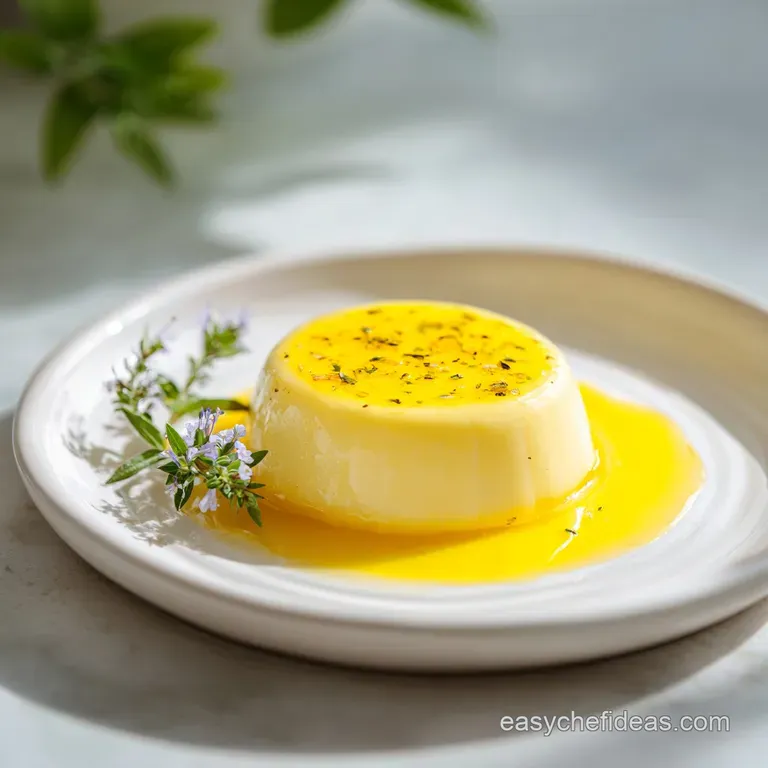
- Time: Active 10 mins, Passive 15 mins, Total 25 mins
- Flavor/Texture Hook: Silky, garlic forward, and buttery
- Perfect for: Impressive weeknight dinners or romantic date nights
- Create the Best Creamy Tuscan Garlic Sauce
- The Science of Fat Emulsion
- Fast vs Classic Cook Methods
- Analyzing the Component Science
- Essential Items for Your Pantry
- Tools Needed for Smooth Sauces
- Simple Steps for Perfect Results
- Fixing Common Sauce Problems
- Easy Ways to Adjust Volume
- Debunking Common Kitchen Myths
- Storing and Reheating Leftovers
- Best Ways to Serve This
- Recipe FAQs
- 📝 Recipe Card
Create the Best Creamy Tuscan Garlic Sauce
The moment that sun dried tomato oil hits the hot stainless steel, my kitchen transforms. There is a specific, sharp sizzle followed by a deep, concentrated aroma of vine ripened fruit and sea salt.
It reminds me of a tiny trattoria I visited years ago, where the air was thick with the scent of simmering herbs and toasted garlic. I used to think these sauces required some secret Italian magic, but I eventually learned it’s all about the order of operations and the quality of your fats.
We have all been there - trying to make a "creamy" sauce that ends up thin, greasy, or worst of all, broken into a grainy mess. I remember my first attempt at a tuscan garlic sauce; I turned the heat too high and the garlic went from fragrant to bitter and black in seconds.
It was a disaster, but it taught me the value of patience. This recipe is the result of those mistakes, designed to be foolproof while feeling incredibly luxurious.
We are focusing on more than just food here; we are talking about a dish that brings people to the table. In our community, sharing a meal is a way to nourish the soul as much as the body. This sauce, with its golden hue and flecks of emerald spinach, is a celebration of simple ingredients used correctly.
Whether you are tossing this with pasta or drizzling it over a seared protein, it feels like a warm hug in a bowl.
The Science of Fat Emulsion
Casein Stability: The high fat content in heavy whipping cream (36%) provides a physical barrier that prevents the proteins from clumping together when they meet the acidic sun dried tomatoes.
The Emulsion Bridge: Freshly grated Parmesan contains natural emulsifiers that help the chicken bone broth and heavy cream bind into a singular, velvety liquid rather than separating into oil and water.
Maillard Complexity: Sautéing the finely diced yellow onions until translucent creates a foundational sweetness that balances the salty punch of the cheese and the sharp bite of the garlic.
I’ve found that understanding these little physics lessons makes you a much more confident cook. For instance, if you understand how fats bind, you’ll see why this technique is similar to the one I use in my Garlic Parmesan Sauce recipe.
Fast vs Classic Cook Methods
| Method | Total Time | Texture | Flavor Profile |
|---|---|---|---|
| The 25 Min Quick Version | 25 minutes | Silky and light | Bright, fresh garlic, punchy tomatoes |
| The Classic Slow Reduction | 1 hours 15 mins | Thick and heavy | Deeply caramelized, mellow garlic |
| The dairy-free Alternative | 30 minutes | Slightly grainy | Nutty, coconut forward, mild |
When we choose the quick version, we rely on the high heat stability of the heavy cream to do the heavy lifting. The bone broth adds a depth of flavor that usually takes much longer to achieve with standard stock.
Analyzing the Component Science
| Ingredient | Science Role | Pro Secret |
|---|---|---|
| Heavy Cream | Primary Emulsifier | Use room temperature cream to prevent the sauce from "shocking" and breaking. |
| Garlic | Aromatic Base | Mince by hand rather than a press to keep the oils from becoming too pungent. |
| Parmesan | Thickening Agent | Always grate from a block; pre shredded cheese is coated in starch that ruins the silkiness. |
| Bone Broth | Umami Source | The gelatin in bone broth adds a "mouthfeel" that regular chicken stock lacks. |
The interaction between the sea salt and the baby spinach is also quite interesting. Salt draws out the moisture from the leaves almost instantly, allowing them to wilt into the sauce without thinning it out too much.
Essential Items for Your Pantry
- 1 tbsp sun dried tomato oil: Why this? It carries the concentrated essence of the tomatoes into the base fat. (Substitute: Extra virgin olive oil - adds a peppery finish but lacks the tomato punch)
- 2 tbsp unsalted butter: Why this? Provides a creamy mouthfeel and helps brown the aromatics. (Substitute: Ghee - higher smoke point but less "milky" flavor)
- 6 cloves fresh garlic, minced: Why this? The backbone of the flavor profile; provides pungent heat. (Substitute: 1 tsp garlic powder - use only in emergencies as it lacks fresh complexity)
- 0.5 cup oil packed sun dried tomatoes, julienned: Why this? Adds chew and a sweet tart contrast to the heavy cream. (Substitute: Roasted red peppers - softer texture and sweeter, less acidic flavor)
- 0.5 small yellow onion, finely diced: Why this? Builds a savory foundation through gentle caramelization. (Substitute: Shallots - more delicate, garlicky sweetness)
- 1.5 cups heavy whipping cream (36% fat): Why this? Creates the thick, luxurious body of the sauce. (Substitute: Full fat coconut milk - similar fat content but adds nutty/tropical notes)
- 0.5 cup chicken bone broth: Why this? Adds collagen and depth without the calories of more cream. (Substitute: Vegetable broth - lighter flavor profile and less body)
- 0.5 tsp sea salt: Why this? Enhances every other flavor in the pan. (Substitute: Kosher salt - use slightly more as the grains are larger)
- 0.5 tsp cracked black pepper: Why this? Provides a subtle, earthy heat. (Substitute: White pepper - cleaner look but more floral/funky scent)
- 1 tsp dried oregano: Why this? Adds a classic Italian herbal finish. (Substitute: Fresh basil - add at the very end to prevent turning bitter)
- 0.5 cup freshly grated Parmesan cheese: Why this? Acts as the primary thickener and salt source. (Substitute: Pecorino Romano - saltier and tangier with a sheep's milk funk)
- 2 cups fresh baby spinach: Why this? Adds color, texture, and a boost of nutrients. (Substitute: Kale - heartier texture; requires 2-3 extra minutes of simmering)
- 0.25 cup fresh parsley, chopped: Why this? Brightens the heavy fats with a clean, grassy finish. (Substitute: Fresh cilantro - use only if you want a fusion twist; very different profile)
- 0.5 tsp red pepper flakes: Why this? Cuts through the richness with a tiny spark of heat. (Substitute: Cayenne pepper - use a pinch for heat without the visible flakes)
Tools Needed for Smooth Sauces
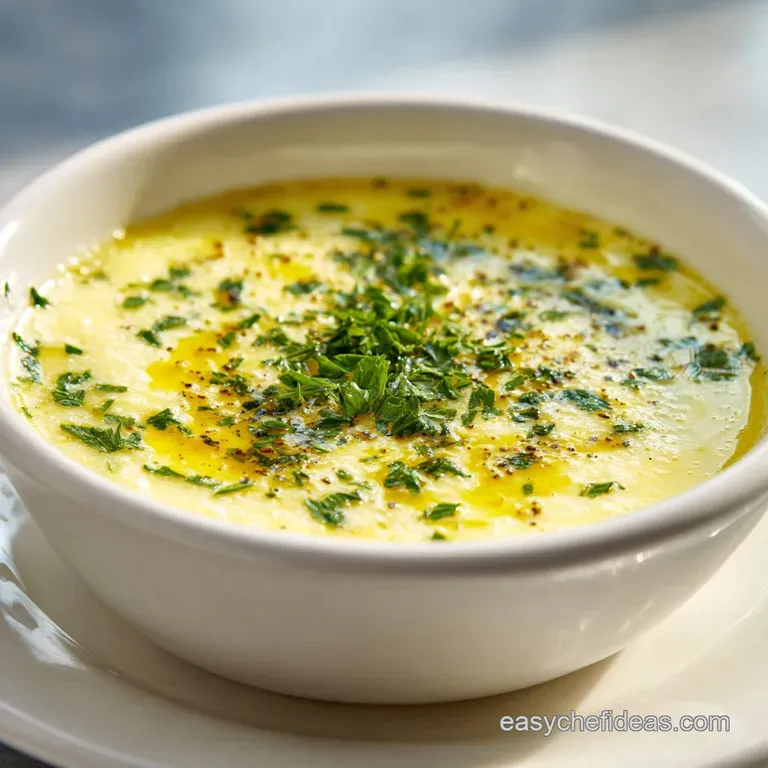
To get that perfect tuscan garlic sauce, you really need a wide, heavy bottomed skillet. I prefer cast iron or a heavy stainless steel pan like an All Clad. The wide surface area allows the liquids to reduce evenly.
A silicone coated whisk is your best friend here. It helps you incorporate the Parmesan cheese without scratching your pan, ensuring the cheese melts into the liquid rather than sticking to the bottom.
Finally,, don't forget a fine microplane or grater. The finer the cheese is grated, the faster it will melt. If the pieces are too big, they will clump and sink, leaving you with a watery sauce and a cheesy "pancake" at the bottom of your skillet.
Simple Steps for Perfect Results
- Heat the fats. Place your skillet over medium low heat and add 1 tbsp sun dried tomato oil and 2 tbsp unsalted butter. Note: Using both prevents the butter from browning too quickly.
- Sauté aromatics. Add the 0.5 finely diced yellow onion. Cook for 3-4 minutes until translucent and soft.
- Toast the garlic. Stir in the 6 minced garlic cloves. Sauté for exactly 1 minute until the scent is fragrant but not browned.
- Add tomatoes. Toss in the 0.5 cup julienned sun dried tomatoes. Cook for 2 minutes until they begin to soften and release their color.
- Deglaze the pan. Pour in 0.5 cup chicken bone broth. Use a wooden spoon to scrape up any flavorful bits stuck to the bottom.
- Introduce the cream. Slow pour 1.5 cups heavy whipping cream into the skillet. Stir constantly to combine the broth and fats.
- Simmer and season. Add 0.5 tsp sea salt, 0.5 tsp pepper, 1 tsp dried oregano, and 0.5 tsp red pepper flakes. Bring to a gentle simmer for 5 minutes until the liquid thickens slightly.
- Whisk in cheese. Reduce heat to low and add 0.5 cup freshly grated Parmesan. Whisk until the sauce is completely smooth and glossy.
- Wilt the greens. Fold in 2 cups fresh baby spinach. Stir for 1-2 minutes until the leaves are vibrant green and shrunken.
- Final touch. Remove from heat and stir in 0.25 cup fresh parsley. Serve immediately while the sauce is velvety and hot.
Fixing Common Sauce Problems
Why Your Sauce Separated
Sometimes a sauce "breaks," meaning the fat separates from the liquid, leaving an oily puddle. This usually happens because the heat was too high or the cream was added while ice cold. It looks unappealing, but it is fixable.
| Problem | Root Cause | Solution |
|---|---|---|
| Oily Surface | High heat caused the fat to separate | Remove from heat and whisk in 1 tbsp of cold heavy cream |
| Grainy Texture | Pre shredded cheese or overheating | Blend the sauce briefly or whisk in a splash of warm broth |
| Bitter Aftertaste | Garlic was burned during the sauté | Unfortunately, you must start over; burned garlic cannot be masked |
Why Your Sauce is Thin
If your sauce looks more like a soup than a coating, it hasn't reduced enough. The water content in the bone broth needs time to evaporate so the fats can concentrate.
Common Mistakes Checklist
- ✓ Never boil the sauce once the cheese is added (it will turn grainy).
- ✓ Pat the sun dried tomatoes dry if they are excessively oily before measuring.
- ✓ Use a wide skillet to maximize evaporation and speed up the thickening process.
- ✓ Grate your Parmesan just before using to preserve the moisture in the cheese.
- ✓ Don't skip the parsley; the acidity and freshness are vital for balancing the 46.2g of fat.
Easy Ways to Adjust Volume
When cutting this recipe in half, the main challenge is the onion. I recommend using a whole shallot instead of half a small onion for a more manageable size. Reduce the simmering time by about 2 minutes, as smaller volumes of liquid evaporate much faster.
If you need a half egg for a related dough, beat it first and measure by weight.
Scaling up for a crowd is simple, but do not just double everything blindly. For a double batch, keep the red pepper flakes at 0.75 tsp unless you want it very spicy. Use a large Dutch oven instead of a skillet to ensure you have enough room to whisk vigorously without splashing.
If you are cooking for a huge community gathering and need 4x the amount, reduce the bone broth by 10%. Large batches retain more moisture, and you don't want the sauce to be too runny. Work in batches when sautéing the spinach so you don't drop the temperature of the sauce too quickly.
| Serving Goal | Cream Amount | Spinach Amount | Pan Type |
|---|---|---|---|
| 2 People | 0.75 cup | 1 cup | 8 inch skillet |
| 4 People | 1.5 cups | 2 cups | 12 inch skillet |
| 8 People | 3 cups | 4 cups | Large Dutch Oven |
Debunking Common Kitchen Myths
Myth: You must use "light" cream to make it healthier. Truth: Light cream or half and half has a much higher water content and lower stability. It is far more likely to curdle when it hits the heat and the acidic tomatoes.
Stick to the heavy whipping cream for the structural integrity of the sauce.
Myth: Fresh oregano is always better than dried. Truth: In slow simmered sauces, dried oregano actually holds its flavor better. Fresh oregano can become bitter and lose its floral notes when heated for more than a minute or two.
Storing and Reheating Leftovers
Storage: This sauce keeps beautifully in the fridge for up to 3 days. Store it in a glass airtight container to prevent the garlic aroma from haunting your other leftovers.
I don't recommend freezing this specific creamy garlic sauce because the emulsion often breaks during the thawing process, leaving you with a cottage cheese texture.
Zero Waste: Don't throw away the remaining oil in the sun dried tomato jar! It is liquid gold. Use it to sauté eggs the next morning or drizzle it over a crusty loaf of bread.
If you have leftover sauce, it makes an incredible base for a "Tuscan Pizza" the next day just spread it on a pre made crust and top with chicken.
Best Ways to Serve This
This sauce is incredibly versatile. While it’s a natural partner for penne or fettuccine, I love serving it over pan seared chicken thighs or even a flaky white fish. The acidity of the tomatoes cuts through the richness of the protein perfectly. If you are looking for a side dish, it pairs wonderfully with The Garlic Butter recipe for an ultra garlicky feast.
For a low carb option, try spooning this over zoodles or roasted spaghetti squash. The sauce is thick enough to cling to the vegetable strands without sliding off. Always finish the dish with an extra crack of black pepper and a few fresh parsley leaves to make the colors pop.
If you have a bit of crusty sourdough nearby, use it to swipe up every last drop of the sauce from the plate. In my house, we call that "the chef's tax." It’s the best part of the meal and a true sign that the sauce was a success.
Nourishing your friends with a meal like this is one of the simplest joys life offers.
Chef's Tip: If the sauce becomes too thick while waiting for your pasta to finish, whisk in 2 tablespoons of hot pasta water. The starch in the water will loosen the sauce while maintaining its velvety texture.
Recipe FAQs
What is creamy tuscan sauce?
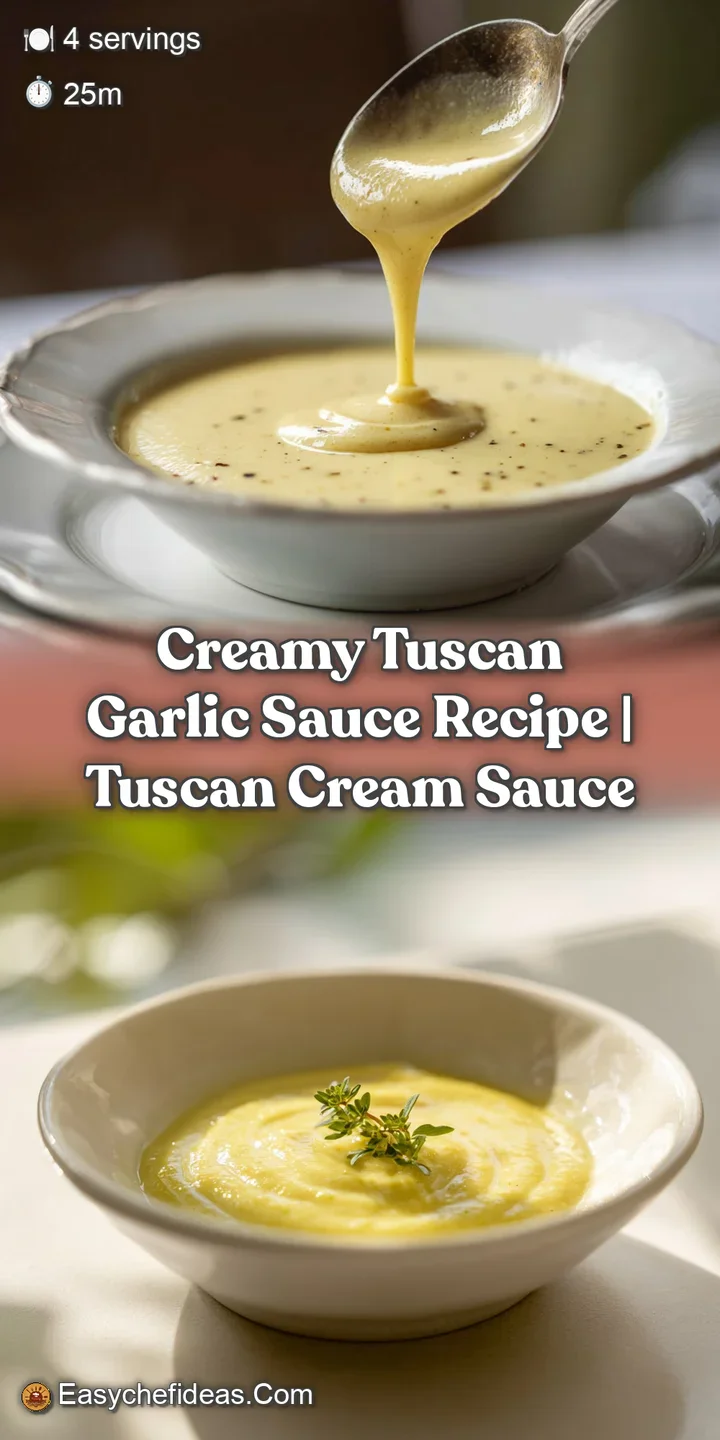
It is a rich, Italian inspired cream based sauce featuring garlic, sun-dried tomatoes, and spinach. The defining characteristic is its luxurious, velvety texture achieved through the emulsification of heavy cream and Parmesan cheese.
How do you make creamy garlic sauce?
Sauté minced garlic in fat until fragrant, then whisk in heavy cream and chicken bone broth. Simmer gently until slightly reduced, then remove from heat before incorporating freshly grated Parmesan cheese to prevent separation.
What's the secret to a rich creamy sauce?
The secret is grating your own Parmesan cheese from a block and using high fat heavy cream. Pre-shredded cheese contains anti caking agents that prevent smooth emulsification, leading to a grainy texture.
How to make creamy cheese garlic sauce?
Reduce your liquid base first, then whisk in the cheese off the heat. If you are looking for a heartier meal using this technique, see how the high fat components bind similarly in our Cottage Cheese Alfredo recipe.
Can I substitute heavy cream with milk for a lighter sauce?
No, you should avoid substituting with low-fat milk if you want a truly creamy texture. Lower fat dairy will scald or break easily when combined with acidic ingredients like sun-dried tomatoes, resulting in a thin, curdled sauce.
Why did my sauce separate into oil and water?
This separation is almost always caused by cooking the sauce too quickly or adding cold cream to high heat. High heat shocks the proteins; next time, ensure the heat is reduced to low just before adding the cheese and use room temperature cream.
What is the best protein to serve with Tuscan Garlic Sauce?
Pan-seared chicken breast or shrimp are classic pairings that absorb the sauce beautifully. For a savory slow cooked option that uses similar flavor layering, try the Crockpot Tuscan Chicken recipe.
Creamy Tuscan Garlic Sauce
Ingredients:
Instructions:
Nutrition Facts:
| Calories | 483 kcal |
|---|---|
| Protein | 7.4 g |
| Fat | 46.2 g |
| Carbs | 6.8 g |
| Fiber | 1.2 g |
| Sugar | 3.1 g |
| Sodium | 465 mg |
