Creamy Italian Sausage Pasta
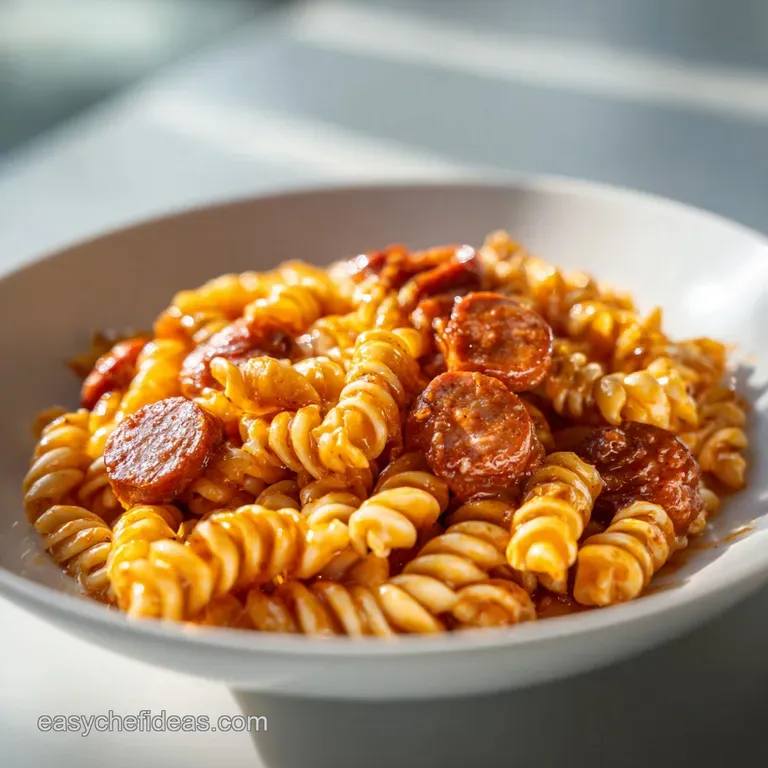
- Time: Active 10 minutes, Passive 10 minutes, Total 20 minutes
- Flavor/Texture Hook: Savory, browned pork bits contrasting with a silky, lemon brightened cream sauce.
- Perfect for: High protein weeknight dinners or a comforting community meal.
- Master the Ultimate Savory Sausage Pasta
- The Science of Emulsified Fat
- Component Analysis of Flavor Layers
- Selecting The Essential Aromatics
- Kitchen Tools For Efficient Searing
- Executing The High Heat Technique
- Fixing Common Texture Mistakes
- Scaling Strategies For Large Groups
- Debunking Common Starch Myths
- Preserving Texture During Storage
- Complementary Sides For Balance
- Very High in Sodium
- Recipe FAQs
- 📝 Recipe Card
Master the Ultimate Savory Sausage Pasta
The first thing you notice isn't the sight of the dish, but the aggressive sizzle of pork fat hitting a hot stainless steel pan. It's that intoxicating aroma of garlic and shallots softening in rendered drippings, promising a depth of flavor that usually takes hours to achieve.
I remember the first time I got this right; I'd spent years making bland, watery sauces until I realized the secret was all in the fond those little brown bits stuck to the bottom of the pan.
This version is all about the contrast between the rich, fatty heritage of Italian sausage and the bright, zesty lift of lemon and white wine. It's a dish that nourishes the soul and brings people together, embodying the culture of shared tables and honest ingredients.
We aren't just boiling noodles here; we're building layers of flavor that make every bite feel like a celebration.
You’ll love how the heavy cream mellows the heat of the red pepper flakes, creating a sauce that feels luxurious without being heavy. It’s a simple recipe on the surface, but once you master the technique of deglazing and emulsifying, you’ll never go back to jarred sauces again.
Let’s get into the kitchen and make something truly special.
The Science of Emulsified Fat
- The Maillard Reaction: High heat transforms the proteins in the sausage, creating complex flavor compounds and those "shatter crisp" brown edges.
- Starch Water Binding: The pasta water contains released starches that act as a bridge, allowing the fat from the sausage and cream to bind with the liquid.
- Deglazing Chemistry: The acidity in the dry white wine dissolves the caramelized proteins (fond), pulling deep umami notes back into the liquid phase.
| Pasta Thickness | Texture Goal | Rest Time | Visual Cue |
|---|---|---|---|
| Rigatoni | Al Dente | 2 minutes | White core barely visible |
| Penne Rigate | Firm Bite | 1 minute | Ridges hold sauce well |
| Fusilli | Soft/Tender | None | Spirals expand slightly |
Choosing the right pasta shape is a decision that impacts how the sauce clings to your meal. For this Sausage Pasta, rigatoni is the champion because those wide tubes act like little chimneys for the meat and cream. If you are looking for a lighter alternative later in the week, the Cottage Cheese Alfredo recipe offers a similarly silky texture with a different nutritional profile.
Component Analysis of Flavor Layers
| Ingredient | Science Role | Pro Secret |
|---|---|---|
| Italian Sausage | Primary Fat/Umami | Brown it 2 minutes longer than you think; color equals flavor. |
| Dry White Wine | Solvent/Acid | Use a crisp Pinot Grigio to cut through the heavy cream's richness. |
| Parmigiano Reggiano | Protein Stabilizer | Grate it micro plane fine so it melts instantly without clumping. |
| Heavy Cream | Fat Emulsion | Add it slowly while stirring to prevent the sauce from breaking. |
Chef's Note: I always freeze my block of Parmigiano for 10 minutes before grating. It prevents the cheese from softening against the warmth of your hands, giving you those airy, "snow like" flakes that dissolve perfectly into the sauce.
Selecting The Essential Aromatics
For this recipe, we need 1 lb Rigatoni or Penne Rigate pasta and 1 lb Italian Pork Sausage with the casings removed. The aromatic base consists of 3 cloves of Garlic, thinly sliced, and 1 small Shallot, minced.
For the deglazing and sauce, have 1/2 cup dry white wine, 1 cup heavy cream, and 1/2 cup freshly grated Parmigiano Reggiano ready. Finish the dish with 1 tbsp unsalted butter, 1/4 cup fresh basil or flat leaf parsley, 1 tsp lemon zest, and 1/2 tsp red pepper flakes for a gentle heat.
| Original Ingredient | Substitute | Why It Works |
|---|---|---|
| Italian Pork Sausage | Turkey Sausage | Leaner profile but lacks the same fat for the "fond" creation. |
| Heavy Cream | Full fat Coconut Milk | Same fat content but adds a slight nutty/tropical undertone. |
| Dry White Wine | Chicken Stock + Lemon | Replaces the liquid and acidity without the alcohol content. |
| Parmigiano Reggiano | Pecorino Romano | Saltier and funkier; use slightly less to balance the salt. |
When you’re looking to vary your weeknight routine, this flavor profile can be adapted easily. If you prefer a simpler, more butter forward approach on busier nights, The Garlic Butter recipe is a fantastic companion to keep in your rotation.
Kitchen Tools For Efficient Searing
To get that perfect sear on the sausage, a heavy bottomed stainless steel skillet or a cast iron pan is your best friend. You'll also need a large pot for boiling the pasta aim for at least 5 liters of water to ensure the noodles have room to move.
A sturdy wooden spoon is essential for scraping up the fond after deglazing, and a microplane is the best tool for that zesty lemon finish.
Executing The High Heat Technique
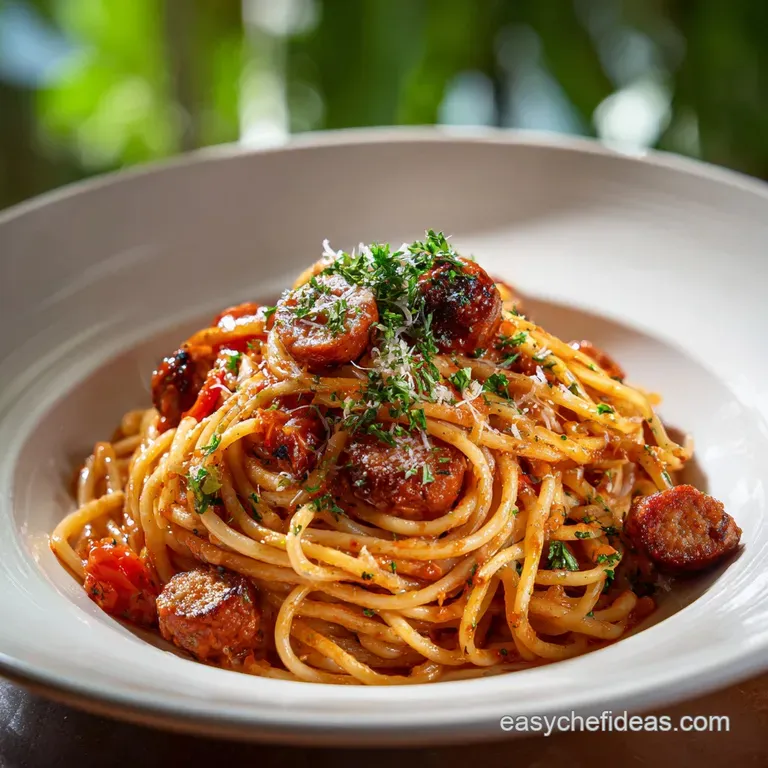
- Boil the water. Fill a large pot with water and a generous palmful of salt. Note: The water should taste like the sea to season the pasta from the inside out.
- Cook the pasta. Drop 1 lb Rigatoni into the boiling water. Cook for 8-9 minutes until it has a firm bite (al dente).
- Sear the protein. While pasta boils, heat a large skillet over medium high heat. Add 1 lb Italian Pork Sausage, breaking it into small chunks.
- Develop the crust. Cook the sausage for 5-6 minutes until deeply browned and crispy on the edges.
- Sauté aromatics. Add 3 cloves sliced garlic and 1 minced shallot to the sausage fat. Cook for 2 minutes until the shallots are translucent and fragrant.
- Deglaze the pan. Pour in 1/2 cup dry white wine. Scrape the bottom of the pan with a wooden spoon until all the brown bits have dissolved.
- Simmer the cream. Pour in 1 cup heavy cream and 1/2 tsp red pepper flakes. Simmer for 3 minutes until the sauce slightly thickens.
- Combine and emulsify. Transfer the cooked pasta directly into the skillet. Add 1/2 cup Parmigiano Reggiano and 1 tbsp butter.
- Toss and gloss. Add 1/4 cup pasta water if the sauce looks too thick. Toss vigorously until a velvety, glossy coating forms.
- Final aromatics. Turn off the heat. Stir in 1/4 cup fresh basil, 1 tsp lemon zest, and serve immediately.
Fixing Common Texture Mistakes
Why Your Sauce Separated
If your sauce looks oily or grainy rather than silky, it has "broken." This usually happens if the heat was too high when the cheese was added or if the cream was boiled too aggressively. The fat separates from the liquid, leaving a greasy mess.
| Problem | Root Cause | Solution |
|---|---|---|
| Oily Sauce | Heat too high when adding cheese | Remove from heat; add a splash of cold cream and whisk. |
| Mushy Pasta | Cooked too long in water | Subtract 2 mins from box time; finish in the pan. |
| Bland Flavor | Lack of salt or acid | Add an extra squeeze of lemon or more Parmigiano. |
✓ Always save a cup of pasta water before draining (it's liquid gold for the sauce). ✓ Grate your own cheese; pre shredded bags contain cornstarch that prevents smooth melting. ✓ Pat the sausage meat dry with a paper towel if it seems moist before hitting the pan.
✓ Let the skillet get hot for 3 minutes before adding the meat to ensure a proper sear. ✓ Use a wide skillet rather than a deep pot for the sauce to encourage even evaporation.
Scaling Strategies For Large Groups
When cutting the recipe in half, use a smaller skillet to prevent the cream from evaporating too quickly. You might need to reduce the wine simmering time by about 20%. For the pasta, you can still use a large pot, but be mindful that 1/2 lb of pasta will cook slightly faster than a full pound.
If you're doubling the recipe for a community gathering, work in batches when browning the sausage. Overcrowding the pan causes the meat to steam rather than sear, which means you lose that essential crust. For the spices, only scale the red pepper flakes to 1.5x, as they can become overwhelming in larger volumes.
Keep the liquids at a 1.9x ratio to ensure the sauce doesn't become too soupy.
Debunking Common Starch Myths
Adding oil to pasta water does not stop the noodles from sticking; it only prevents the sauce from clinging to the pasta later. The oil creates a slick barrier that causes the velvety cream to slide right off. Instead, just use plenty of water and give it a stir in the first two minutes.
Another common misconception is that you should rinse your pasta after cooking. Rinsing washes away the surface starch that we desperately need to emulsify the white sauce sausage pasta. Keep that starch on the noodle so the sauce can grab hold and create that restaurant style sheen.
Preserving Texture During Storage
Storage: This dish keeps well in the fridge for up to 3 days. However, the pasta will continue to absorb the moisture from the sauce. When reheating, add a splash of milk or water to loosen the cream back up.
Avoid the microwave if possible; a over low heat skillet with a lid is much better for maintaining the texture of the pork.
Freezing: You can freeze the sausage and cream base, but I don't recommend freezing the fully assembled dish. The pasta tends to become mushy upon thawing. If you must, freeze for up to 2 months and thaw in the fridge overnight.
Zero Waste: Don't toss those parsley or basil stems! Finely mince them and sauté them right along with the shallots for an extra punch of herbal flavor. If you have leftover lemon halves, toss them into a container of water in the fridge for a refreshing drink.
Complementary Sides For Balance
To balance the richness of this Quick Sausage Pasta, I always serve it with something bright and crunchy. A simple arugula salad with a sharp balsamic vinaigrette cuts through the cream perfectly.
Since we already have the lemon zest in the pasta, a side of roasted broccolini with a squeeze of fresh lemon juice is a natural fit that adds a lovely green diversity to your plate.
If you find yourself with extra sausage, it's the perfect excuse to plan a Sausage Peppers and recipe for later in the week. The flavor profile is different enough to feel like a new meal while utilizing similar shopping list items. Community and nourishment are at the heart of good cooking share this dish with friends and watch how it disappears in minutes!
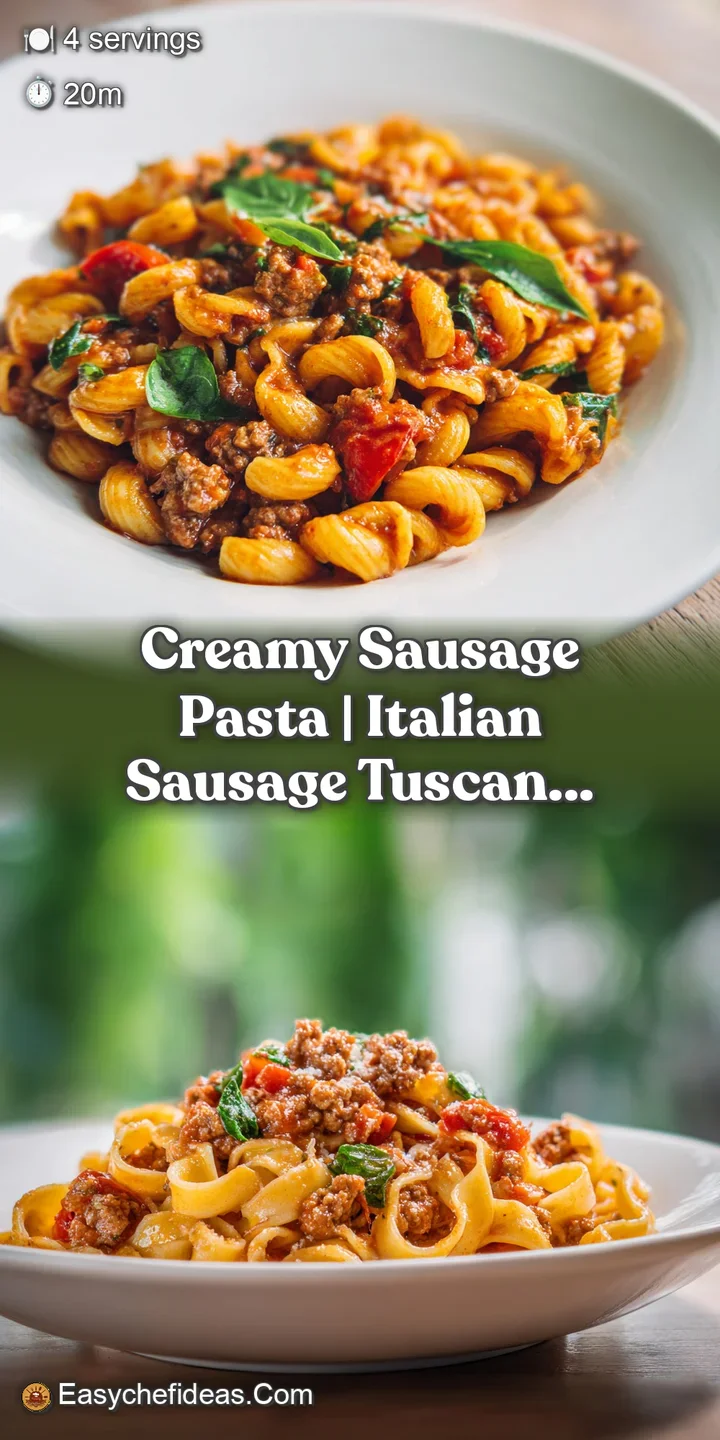
Very High in Sodium
1145 mg mg of sodium per serving (50% 50% of daily value)
The American Heart Association recommends limiting sodium intake to no more than 2,300mg per day for most adults.
Sodium Reduction Tips for Pasta with Sausage
-
Choose Low-Sodium Sausage-25%
Italian sausage is a major source of sodium. Look for a low-sodium or no-salt added version of Italian pork sausage. This simple swap could reduce sodium significantly, up to 25%.
-
Reduce the Cheese-15%
Parmigiano Reggiano adds great flavor but is also high in sodium. Reduce the amount of cheese by half, and consider using a little bit of nutritional yeast for extra cheesy flavor without the sodium, resulting in approximately 15% sodium reduction.
-
Omit Added Salt-10%
Taste the dish before adding any additional salt. The sausage and cheese already contribute a significant amount. You may find you don't need any extra, reducing sodium by approximately 10%.
-
Use Unsalted Butter
You are already using unsalted butter, which is excellent! Keep using it to control the amount of sodium going into the dish and ensure zero added sodium from the butter itself.
-
Flavor with Herbs & Spices
Instead of relying on salt for flavor, enhance the dish with fresh herbs like basil, parsley, and the red pepper flakes. Lemon zest will add extra brightness. These additions offer wonderful flavor without adding sodium.
Recipe FAQs
Can I use ground turkey instead of Italian sausage?
No, not without adjustments. Ground turkey lacks the high fat content necessary to properly develop the flavorful fond during searing, which is essential for the sauce base.
How to prevent the cream sauce from separating or looking oily?
Remove the pan from heat before adding cheese. Overheating causes the milk proteins to denature, separating the fat; whisking in a small splash of cold cream or reserved pasta water can sometimes save a broken sauce.
Should I rinse the pasta after draining to stop it from sticking?
No, absolutely not. Rinsing washes away the surface starch clinging to the pasta, and that starch is crucial for creating a stable emulsion with the fat and liquid.
How to achieve the silkiest sauce texture possible?
Vigorously toss the pasta and sauce off the heat with the final butter and cheese. If you mastered emulsification in this dish, apply the same vigorous whisking technique used in the Creamy Keto Alfredo recipe for a perfect bind.
What is the proper ratio of salt for the pasta water?
Use about 1 tablespoon of kosher salt per quart of water. The water should taste distinctly salty, like the sea, to season the pasta throughout the cooking process.
How to ensure the sausage achieves a deep brown color rather than steaming?
Preheat the pan thoroughly over medium high heat before adding the meat. Give the sausage space and allow it to sit undisturbed for several minutes to encourage proper Maillard reaction searing.
Is it necessary to use dry white wine, or can I skip it?
It is highly recommended to use wine or an acidic substitute. The alcohol evaporates, leaving behind acidity necessary to cut through the richness of the sausage fat and balance the heavy cream.
Creamy Sausage Pasta In 20 Minutes
Ingredients:
Instructions:
Nutrition Facts:
| Calories | 1062 kcal |
|---|---|
| Protein | 39 g |
| Fat | 58 g |
| Carbs | 88 g |
| Fiber | 4.2 g |
| Sugar | 4.5 g |
| Sodium | 1145 mg |
