How to Cook Ground Turkey for Perfect Crumbles
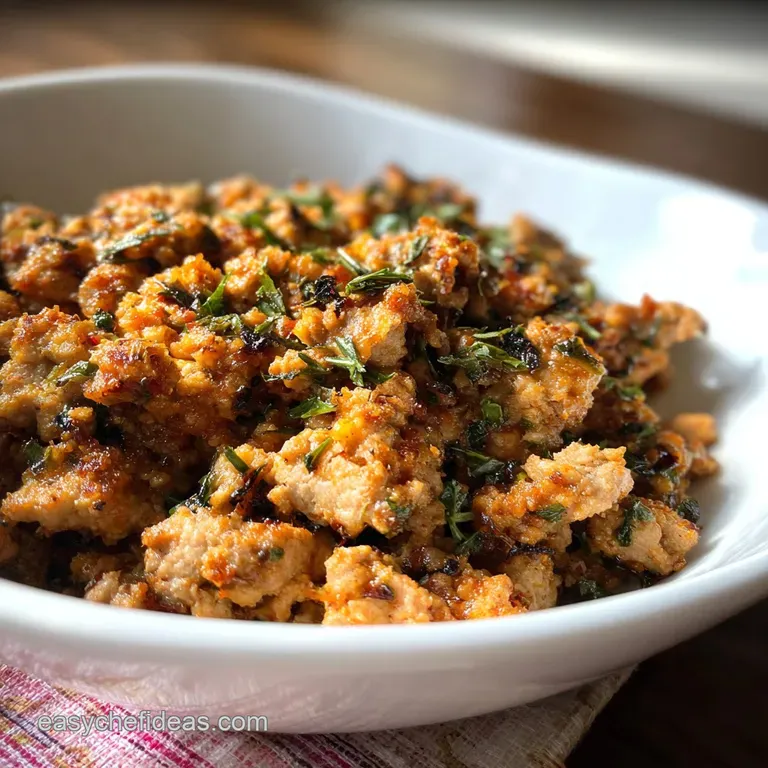
- Time: Active 5 minutes, Passive 0 minutes, Total 15 minutes
- Flavor/Texture Hook: Savory, browned crumbles with a juicy, tender interior
- Perfect for: High protein meal prep, diverse weeknight dinners, and beginner friendly kitchen wins
- Mastering Savory Layers When Learning How to Cook Ground Turkey
- Essential Metrics for Achieving Moist and Tender Results
- Selecting Wholesome Ingredients for a Nutritious Flavor Base
- Selecting the Right Pan for Superior Heat Distribution
- Layering Aromatics and Heat for the Ultimate Texture
- Troubleshooting Texture and Seasoning for the Perfect Crumb
- Adapting the Base for Global and Cultural Diversity
- Scaling Your Production for the Whole Community
- Preserving the Integrity of Your Meal Prep Labors
- Nourishing Pairings to Round Out Your Cultural Feast
- Recipe FAQs
- 📝 Recipe Card
Mastering Savory Layers When Learning How to Cook Ground Turkey
The sound of 1 lb of turkey hitting a hot stainless steel skillet is a specific kind of music. It shouldn't be a soft hiss; it needs to be a confident, crackling pop that tells you the Maillard reaction is starting its magic.
For years, I struggled with this protein because I treated it like beef, only to end up with a pan full of watery, flavorless clumps. Everything changed when I stopped rushing the process and started respecting the layers of flavor that lean meat requires to truly shine.
When you finally get that golden brown crust on a crumble of turkey, the aroma changes from metallic to deeply savory, almost nutty. It’s about more than just heat; it’s about nourishing your community with a dish that feels intentional.
Whether you're prepping for a massive family taco night or folding this into a Sunday ragu, understanding the physics of the sear is what separates a bland meal from a soulful one. Trust me, once you hear that right sizzle, you’ll never go back to the old way.
We are going to focus on building a foundation of flavor that respects the cultural diversity of how this ingredient can be used. By using avocado oil for its high smoke point and adding a splash of Worcestershire sauce for that fermented umami kick, we turn a humble package of 93% lean meat into something remarkable.
Let’s look at why these specific steps matter for your kitchen success.
Essential Metrics for Achieving Moist and Tender Results
The Thermodynamics of Thermal Browning: High heat creates a rapid sear that locks in internal moisture before the lean proteins can tighten and expel their juices. This prevents the "steaming" effect often seen in overcrowded pans.
| Cooking Method | Cook Time | Texture Outcome | Best For |
|---|---|---|---|
| Traditional Stovetop | 8-10 minutes | Crispy edges, juicy core | Tacos, Pasta, Bowls |
| Air Fryer Crumb | 12-15 minutes | Ultra crunchy, drier | Salad toppers, snacking |
| Slow Cooker Base | 4-6 hours | Soft, velvety, infused | Soups, Chili, Stews |
To ensure your meat is safely cooked while maintaining its integrity, aim for an internal temperature of 165°F (74°C). Because ground turkey lacks the heavy fat content of chuck beef, even a few minutes of overcooking can lead to a grainy texture.
Watch for the moment the pink hues vanish and the liquid in the pan turns clear rather than cloudy. This precision ensures you are providing a nourishing, safe, and silky result every single time you step up to the stove.
Selecting Wholesome Ingredients for a Nutritious Flavor Base
The ingredients we choose are the building blocks of our culinary community. Starting with 1 lb of 93% lean ground turkey provides a high protein, lower fat canvas that is incredibly responsive to seasoning.
We use 1 tbsp of avocado oil not just for lubrication, but because its neutral profile allows the 2 cloves of minced garlic and 0.5 finely diced yellow onion to express their natural sweetness as they sweat into the meat.
| Component | Science Role | Pro Secret |
|---|---|---|
| Worcestershire Sauce | Umami Catalyst | The anchovy base provides a "meatier" profile to lean poultry. |
| Avocado Oil | Heat Transfer | Its high smoke point prevents acrid flavors during the initial sear. |
| Kosher Salt | Protein Denaturation | Helps the meat retain moisture by restructuring the protein strands. |
| Yellow Onion | Moisture Release | As onions cook, they release steam that prevents the turkey from sticking. |
For a truly balanced dish, consider the source of your poultry. Organic or pasture raised options often have a more robust texture that stands up better to over high heat sautéing. When selecting your aromatics, ensure the garlic is fresh and sticky; pre minced jarred garlic often carries an acidic aftertaste that can clash with the delicate nature of the turkey. If you are looking to expand your repertoire, you might find that this base technique is very similar to the flavor building in my How to Make recipe for taco soup.
Selecting the Right Pan for Superior Heat Distribution
The vessel you choose is just as important as the flame beneath it. A heavy bottomed cast iron or stainless steel skillet is your best friend here. These materials hold onto heat, meaning that when you add the cold meat, the pan temperature doesn't plummet.
If the temperature drops too far, the turkey will begin to leak water and boil in its own juices, resulting in that gray, rubbery texture we are trying to avoid.
Chef's Tip: Place your skillet over medium high heat for a full 3 minutes before adding the oil. You'll know it's ready when a drop of water flicked onto the surface dances and evaporates instantly.
Avoid non stick pans if you are looking for a deep, crusty sear. While they are great for eggs, they often don't allow for the "fond" (those little brown bits) to develop on the bottom of the pan. That fond is where the concentrated flavor lives.
If you must use non stick, ensure you don't overcrowd the pan; give the 1 lb of turkey plenty of room to breathe so the steam can escape freely into the air rather than being trapped against the meat.
Layering Aromatics and Heat for the Ultimate Texture
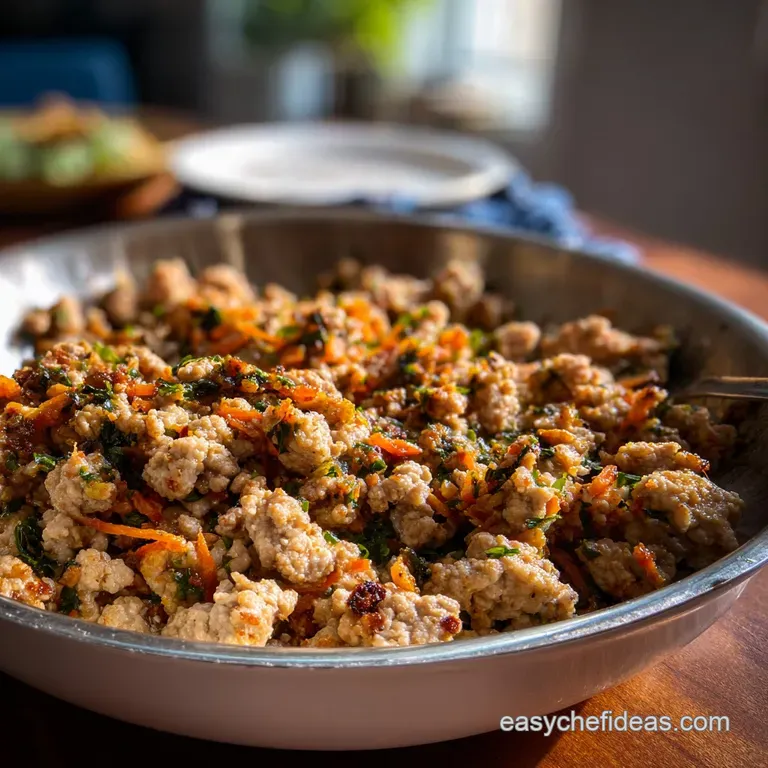
Preheating for Success
Begin by heating your 1 tbsp of avocado oil in the skillet until it shimmers. If the oil starts to smoke, remove it from the heat for a moment. Add the 0.5 diced yellow onion first.
Note: Sautéing the onion for 2 minutes before the meat ensures the harsh raw flavor is gone and the sugars have begun to caramelize.
Achieving the Initial Sear
Place the 1 lb ground turkey into the pan in one large flat disc, almost like a giant burger. Cook 3 minutes without moving it until the bottom develops a deep, mahogany crust. This patience is vital for flavor.
Breaking and Building Flavor
Use a sturdy spatula to break the meat into large chunks. Add your 2 minced garlic cloves, 1 tsp kosher salt, and 0.5 tsp cracked black pepper. Note: Adding garlic now prevents it from burning during the over high heat sear phase.
Finishing with Moisture
Pour in the 1 tsp of Worcestershire sauce. The liquid will deglaze the pan, picking up all the browned bits. Continue to break the meat into smaller crumbles. Cook 4-5 minutes until no pink remains and the juices run clear.
| Original Ingredient | Substitute | Why It Works |
|---|---|---|
| Avocado Oil | Ghee | High smoke point with a rich, buttery finish that adds depth. |
| Worcestershire | Tamari | Provides the same umami saltiness but keeps the dish gluten-free. |
| Yellow Onion | Shallots | A more delicate, garlicky sweet profile for refined sauces. |
Adding these ingredients in stages allows each one to reach its peak potential. The salt draws out just enough moisture to create a sauce with the Worcestershire, while the pepper provides a sharp contrast to the richness of the oil.
This isn't just cooking; it's an act of nourishing your body and soul through careful craftsmanship.
Troubleshooting Texture and Seasoning for the Perfect Crumb
Why Your Turkey is Gray and Watery
This usually happens because the pan wasn't hot enough or you moved the meat too soon. When meat is moved constantly, it can't form a crust. The water trapped inside the cells leaks out and "steams" the exterior.
To fix this, crank the heat up and let the liquid evaporate completely until you hear the meat start to fry again in the oil.
Fixing Over Seasoned Turkey
If you accidentally slipped with the salt shaker, don't panic. You can balance the salinity by adding a splash of acid, like lime juice or rice vinegar, or by folding in unsalted bulk ingredients like cooked rice or sautéed zucchini.
These additions absorb the excess salt and add volume to the meal, further embracing the philosophy of zero waste cooking.
| Problem | Root Cause | Solution |
|---|---|---|
| Rubbery Texture | Overcooking past 165°F | Add a splash of broth or tomato sauce to rehydrate. |
| Bland Flavor | Lack of Maillard reaction | Increase heat and add a dash of smoked paprika or cumin. |
| Burnt Garlic | Added too early | Scrape out dark bits and add a pinch of sugar to mask bitterness. |
Common Mistakes Checklist
- ✓ Pat the turkey dry with a paper towel before adding to the pan to remove surface moisture.
- ✓ Use a wooden spoon or a "meat masher" tool to get uniform crumble sizes for even cooking.
- ✓ Avoid adding the salt until the meat has started to brown; salt can draw out moisture too early.
- ✓ Never crowd more than 1 lb of turkey in a 12 inch skillet.
- ✓ Let the cooked meat rest for 2 minutes before serving to allow the fibers to relax.
Adapting the Base for Global and Cultural Diversity
One of the beautiful things about ground turkey is its ability to act as a chameleon across different cultures. Once you have mastered the basic sear, you can branch out into specific flavor profiles that celebrate global diversity. For instance, if you're craving something Mediterranean, you can use my Homemade Greek Seasoning recipe to transform this base into something that pairs perfectly with tzatziki and pita.
Mastering the Taco Blend
For a vibrant Mexican inspired dish, add 1 tbsp chili powder, 1 tsp cumin, and a splash of lime juice during the final 2 minutes of cooking. The citrus brightens the earthy spices and cuts through the richness of the avocado oil.
The "Better Than Takeout" Bowl
Whisk together ginger, soy sauce, and a drizzle of toasted sesame oil. Pour this over the browned turkey and serve over jasmine rice with quick pickled cucumbers. This approach nourishes the need for variety while utilizing the same efficient cooking method.
Scaling Your Production for the Whole Community
When cooking for a larger group, the main challenge is maintaining pan temperature. If you try to cook 2 lbs of turkey in one skillet, you will almost certainly end up with a boiled, gray mess. Instead, work in batches. Cook 1 lb at a time, removing the first batch to a warm bowl while you sear the second.
This ensures every bite has that coveted texture.
For smaller portions, such as a single serving for a quick lunch, you can easily halve the recipe. Use a smaller 8 inch skillet and reduce the cook time by about 20%. Since you are using a smaller volume of meat, it will reach 165°F much faster, so stay vigilant.
If you are prepping for the week, remember that seasoned ground turkey actually tastes better the next day as the spices have more time to penetrate the protein fibers.
| Goal | Adjustment | Note |
|---|---|---|
| Double (2 lb) | Use two pans or work in batches | Prevents steaming and maintains sear quality. |
| Half (0.5 lb) | Reduce onion/garlic by half | Keeps flavor ratios balanced without overpowering. |
| Bulk Prep | Increase oil slightly | Helps keep the meat from drying out during storage. |
Preserving the Integrity of Your Meal Prep Labors
The key to longevity in the kitchen is knowing how to store your hard work without losing that velvety texture. Once the turkey has cooled completely, store it in an airtight glass container. It will stay fresh in the fridge for up to 4 days.
When reheating, avoid the microwave if possible, as it can turn the poultry rubbery. Instead, a quick toss in a warm skillet with a tablespoon of water or broth will revive the moisture and snap the flavors back to life.
For zero waste cooking, don't discard any leftover juices or "fond" in the pan. If you have a small amount of meat left, toss it into a morning omelet or use it as a protein rich topper for a grain bowl. You can even freeze cooked ground turkey for up to 3 months.
To thaw, simply place the container in the fridge overnight. The structure of the crumbles holds up surprisingly well to freezing, making it an excellent candidate for long term meal planning.
Nourishing Pairings to Round Out Your Cultural Feast
To turn this protein into a complete, nourishing meal, think about contrast. If the turkey is savory and salty, pair it with something bright and acidic, like a slaw dressed in apple cider vinegar.
If you've gone the spicy route, a dollop of Greek yogurt or avocado mash provides a cooling creaminess that balances the heat.
Serving your ground turkey over a bed of quinoa or farro adds a nutty, chewy dimension that complements the tender crumbles. I also love folding this meat into a hollowed out bell pepper or zucchini boat for a low carb option that still feels incredibly satisfying.
By viewing each meal as an opportunity to celebrate flavor and community, you transform a simple kitchen task into a meaningful ritual. Enjoy the process, and remember the best recipes are the ones shared with the people you love.
Recipe FAQs
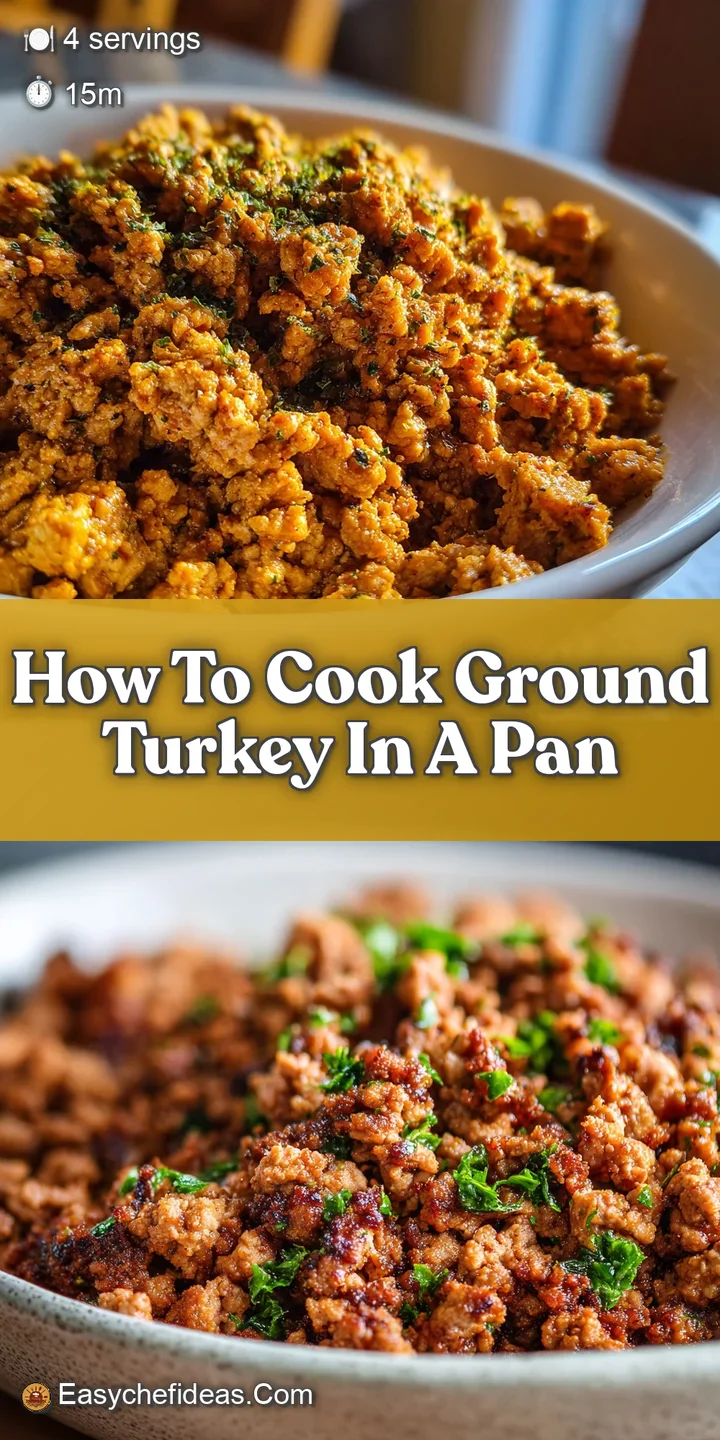
How to cook ground turkey the best?
Sear it hard and do not overcrowd the pan. Achieving the best flavor requires high heat to develop a deep, browned crust (the Maillard reaction) before stirring vigorously. If you overcrowd the pan, the turkey will steam instead of sear, leading to a gray, bland result.
Can you cook ground turkey in a skillet?
Yes, a skillet is the ideal standard method. Use medium high heat and a high smoke point oil like avocado oil to achieve that crucial initial sear. Cook the meat in one flat layer for three minutes without moving it to develop maximum surface flavor.
Do you cook ground turkey just like ground beef?
No, you must treat turkey more gently due to its low-fat content. Ground beef's fat insulates the protein, but turkey dries out very easily; aim to cook it only to 165°F (74°C) and stop immediately.
Mastering this temperature control is similar to the precision needed when mastering temperature in batch cooking to ensure consistent texture.
How long does it take to cook a ground turkey?
Expect about 8 to 10 minutes total cooking time on the stovetop. After the initial 3 minutes of searing the large mass undisturbed, break it up and cook for another 5 to 7 minutes until no pink remains and the juices run clear.
What internal temperature must ground turkey reach for safety?
The required safe minimum internal temperature is 165°F (74°C). Use a meat thermometer inserted into the thickest part of the crumble to confirm doneness, as overcooking even slightly will compromise its texture.
Why does my ground turkey often turn out dry and crumbly?
It is usually due to insufficient fat in the pan or excessive stirring. Add a flavorful fat source like avocado oil or butter and cook the meat in batches to prevent the temperature from dropping.
If you are using very lean turkey (99%), consider adding a splash of broth during the last minute of cooking.
Is it necessary to add flavorings like onions or spices before browning the meat?
No, add aromatics in stages for optimal flavor release. Sauté onions first for 2 minutes until translucent, then add the meat for the sear; only add garlic and spices during the last 2 minutes of cooking. This prevents the delicate garlic from scorching while you build that foundational sear, similar to how we build flavor profiles in my Opa The Homemade recipe.
Cook Ground Turkey Perfectly
Ingredients:
Instructions:
Nutrition Facts:
| Calories | 209 calories |
|---|---|
| Protein | 21.2 g |
| Fat | 12.4 g |
| Carbs | 2.2 g |
| Fiber | 0.3 g |
| Sugar | 0.9 g |
| Sodium | 615 mg |
