Deep South Comfort Slowsimmered Mixed Greens with Smoky Potlikker
Capturing the Soul of Southern Comfort Cooking
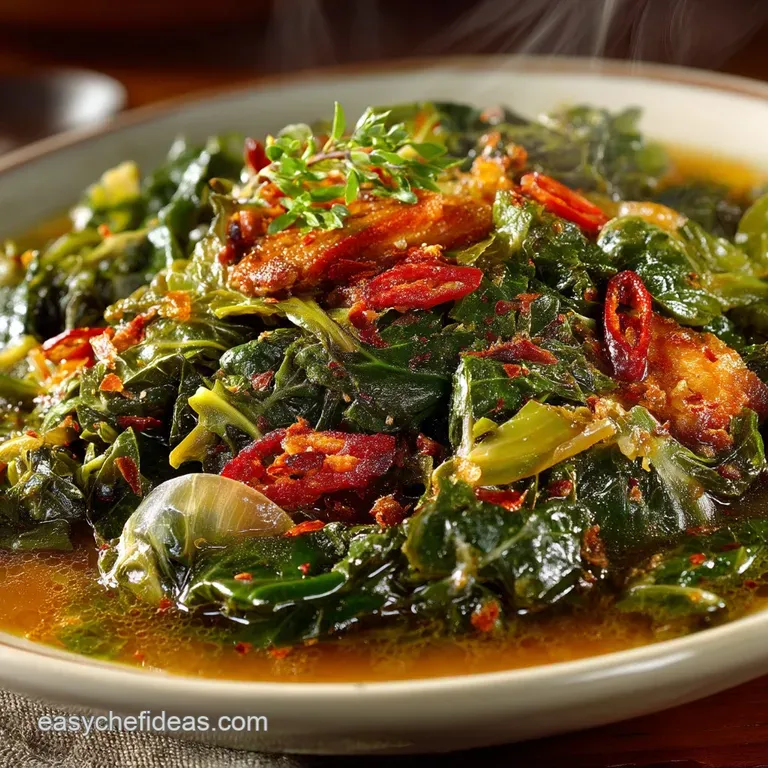
This dish is more than just a side; it is a culinary ritual, the absolute heart of Southern hospitality and Soul Food tradition. A proper Southern Mixed Greens Recipe takes time, transforming hardy leaves into something profoundly tender and intensely flavored.
Achieving this level of deep, comforting savoriness requires respect for the process, demanding a long, slow braise that allows all the smoky components to fully integrate. Once you master this method, you will understand why these greens are the bedrock of the Southern table.
The Culinary Foundation: Defining Southern Mixed Greens
While many cooks prepare individual batches of, say, collards or turnip greens, a true mixed preparation utilizes a blend of sturdy, dark leafy greens to achieve maximum textural and flavor complexity. This standard combination typically includes collard, mustard, and turnip greens.
Collards provide the sturdy, slightly tougher leaf that holds up best during the long simmer, which is why the core of this preparation follows the tenets of a superb Southern collard greens recipe .
Adding in the peppery bite of mustard greens and the earthy flavor of Southern Style Turnip Greens results in a nuanced profile, far richer than using just one type of leaf. This specific blend defines a successful Greens Recipe Soul Food .
The Liquid Gold: Understanding 'Potlikker' and Its Role
The term "potlikker" (or pot liquor) refers to the nutrient dense, savory broth created during the long braise. It is often considered the best part of the dish. This liquid gold is the result of the water and chicken stock dissolving the gelatin from the Southern Mixed Greens with Ham Hocks while absorbing the salt, spices, and the released chlorophyll and vitamins from the greens.
A richly seasoned potlikker is paramount, and it is traditionally used to soak up fresh, hot cornbread a non-negotiable part of the serving experience.
Why Patience is Key to Perfectly Tender Greens
Rushing this preparation is the single biggest mistake a home cook can make. Southern Mixed Greens are not a quick sauté; they rely on a prolonged braising process to break down the tough cellulose structure within the leaves. If the cooking time is cut short, the greens will remain chewy and fibrous.
By maintaining a very gentle simmer for nearly two hours, as prescribed in this method, the greens surrender their bitterness and become silky smooth, completely yielding to the rich, smoky flavors of the potlikker base.
Essential Components for Authentic Southern Mixed Greens
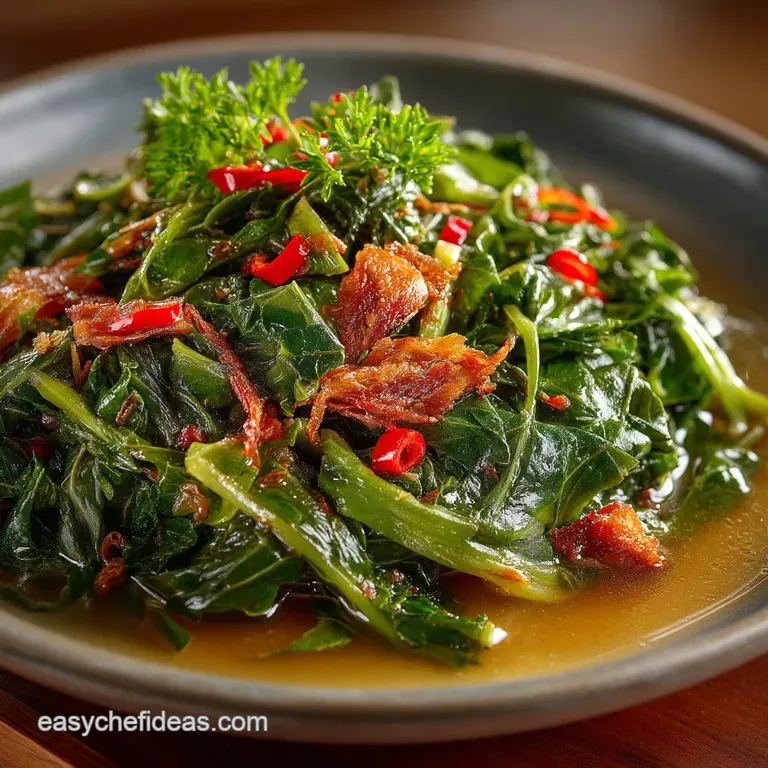
Crafting this dish successfully starts long before the pot hits the stove. Selecting the right components ensures the final flavor is smoky, savory, and perfectly balanced.
Selecting the Best Greens: Collards, Mustard, and Turnip Variations
For a comprehensive mix, we target approximately three pounds of greens: one pound each of collard and mustard greens, and just under a pound of turnip greens. When purchasing, look for fresh, crisp leaves without yellowing or blemishes.
The combination of Mustard And Turnip Greens Southern Style adds the necessary sharp, earthy notes that contrast beautifully with the robust texture of the collards.
Always ensure you choose mature, deep green leaves, as they stand up better to the necessary two-hour cook time than younger, more delicate varieties.
Securing the Smoke: Choosing Your Cured Pork (Ham Hocks vs. Fatback)
The hallmark flavor of this Southern staple is its deep, pervasive smokiness, which must come from cured or smoked meat. We utilize substantial Southern Mixed Greens with Ham Hocks (about 3.3 pounds, or two large hocks) because they release excellent gelatin and fat, naturally thickening the potlikker.
While ham hocks are traditional, you can achieve a similar depth using bacon, resulting in Southern mixed greens with bacon , or by substituting lean Southern Mixed Greens with Smoked Turkey legs for a lighter, pork free option.
Necessary Pantry Staples and Aromatics
The foundation of the potlikker requires simple but powerful aromatics. Start with a generous amount of yellow onion and four cloves of minced garlic, sautéed gently to release their essence.
The liquid base should be low-sodium chicken stock or water (six cups), seasoned robustly with Kosher salt, black pepper, and crushed red pepper flakes for a noticeable, yet balanced, heat.
Finally, the necessary balance comes from the finishing touches: two tablespoons of apple cider vinegar added at the very end to sharpen the flavor and cut through the richness.
Specialized Tools for the Braising Process
While the preparation is rustic, two essential pieces of equipment are mandatory for success. First, a heavy bottomed Dutch oven or a large stock pot with at least a six to eight quart capacity is needed to handle the massive initial volume of raw greens and maintain even heat distribution throughout the long braise.
Second, and equally important, you must have a clean, very large basin, sink, or multiple large bowls, along with a salad spinner, dedicated solely to the crucial washing phase.
Related Recipes Worth Trying
- Best Authentic Southern Cornbread Recipe Savory Skillet Finish — Forget the boxed mixes This Easy Homemade Cornbread recipe delivers the best Southern Cornbreadsavory crumbly and perfectly crusted from a hot skillet Get...
- Foolproof Southern Style Chicken and Dumplings Recipe — Learn to make the ultimate Homemade Chicken and Dumplings with fluffy herb drop biscuits soaking up rich gravy A true comfort food classic
- Glazed to Perfection Authentic Southern Candied Yams Recipe — Forget watery sides this Best Candied Yams Recipe uses brown butter for a sticky deep caramel glaze The secret to Soul Food Candied Yams starts here
Mastering the Low and Slow Technique for Flavor Extraction
The key to developing rich, authentic flavor in this Southern Mixed Greens Recipe lies in precise prep work followed by sustained, gentle heat.
Prep Work Precision: Thoroughly Washing and Chopping the Mixed Greens
The most critical and time consuming step is cleaning the greens. Collards and turnip greens grow low to the ground and invariably contain sand and grit, which must be removed completely, or the entire dish will be ruined.
Fill your sink or basin with cold water and vigorously submerge the greens, agitating them to release debris. Drain and repeat this process at least three, sometimes four, times until the water remains absolutely clear.
After washing, remove the thick center ribs, stack the leaves, roll them up tightly, and chop them into uniform one-inch strips.
Building the Flavor Base: Sautéing the Meat and Aromatics
The braising process begins by building a deep, savory base. Start by searing the ham hocks in a small amount of oil or bacon grease over medium high heat until nicely browned on all sides. Remove the hocks and set them aside.
Reduce the heat and add the chopped onion, sautéing for about five minutes until softened. Then, stir in the minced garlic and crushed red pepper flakes for one minute until fragrant. This layering of flavor ensures the potlikker base is deeply aromatic before the liquid is introduced.
The Long Simmer: Braising the Southern Mixed Greens to Perfection
Return the seared ham hocks to the pot, pour in the six cups of stock or water, and bring the liquid to a rolling boil. Once boiling, immediately reduce the heat to the lowest setting to maintain a very gentle simmer.
Now, incorporate the huge volume of chopped greens in batches, stirring occasionally as they quickly wilt and shrink. Partially cover the pot to allow some steam to escape and continue the slow simmer for one hour and 45 minutes, up to two hours.
The greens should be perfectly tender, and the ham hocks should be falling away from the bone.
Final Adjustments: Balancing Acidity and Seasoning the Potlikker
Once the greens are tender, remove the ham hocks, shred the meat (discarding bones and excess skin), and return the meat to the pot. This is the moment to complete the flavor profile.
Stir in the two tablespoons of apple cider vinegar, which provides the necessary acidity to brighten the dish and cut the inherent bitterness of the greens. If the flavor still feels too sharp, stir in a small teaspoon of sugar to achieve balance.
Always taste the resulting potlikker last before adding any final seasoning, as the long reduction process and the smoked meat will have already contributed significant salt.
Troubleshooting and Serving Authentic Southern Mixed Greens
A successful batch of greens yields a comforting, savory result, but knowing how to handle common issues and serving them correctly ensures maximum enjoyment.
Troubleshooting Common Issues: Why Are My Greens Still Bitter?
If your perfectly cooked greens retain an unpleasant level of bitterness, there are two primary culprits. First, they may simply need more time; bitterness often dissipates completely after the full two-hour simmer, so if you stopped short, allow them to continue cooking.
Second, and most commonly, the dish needs balancing. The addition of the apple cider vinegar is mandatory to counter bitterness, but sometimes a final splash of vinegar or a hit of brown sugar may be required to achieve that perfect smoky savory-tangy equilibrium.
Making It Meatless: Vegan and Vegetarian Adaptations
Authentic Greens Recipe Soul Food traditionally relies on smoked meat, but fantastic meatless versions are easily achievable. To create a flavorful base, use vegetable stock and introduce the smoke element via liquid smoke, smoked paprika, or by braising a large, cured mushroom stem (like a king oyster mushroom) in the liquid.
Adding nutritional yeast during the final 30 minutes of the cook time will provide a crucial savory umami depth, mimicking the richness usually provided by the ham hocks.
Storage Solutions: Freezing and Reheating Leftover Greens
Southern Mixed Greens are an excellent make-ahead dish, often improving in flavor the next day. They can be stored in an airtight container in the refrigerator for up to five days. If you've made a large batch, they also freeze beautifully.
Package the greens and a generous portion of their potlikker into freezer safe containers, leaving a little headspace for expansion. Thawed greens should be reheated gently on the stovetop, ensuring the potlikker comes back to a gentle simmer.
Pairing Perfection: What to Serve Alongside This Classic Dish
The rich, deep flavor of these Southern Mixed Greens demands classic pairings. Unquestionably, the most important accompaniment is warm, freshly baked cornbread, essential for soaking up every last drop of the potlikker.
For a complete meal, serve this hearty side alongside quintessential Southern mains like crispy fried chicken, barbecue pulled pork, or slow smoked beef brisket. A dash of vinegary hot sauce (like Texas Pete or Tabasco) provided on the side allows everyone to customize the final heat level.

Recipe FAQs
Why do my Southern Mixed Greens turn out bitter or chewy, even after cooking for ages?
Right then, bitterness usually comes down to two things: impatience and missing acid. Firstly, you must give the greens the full cooking time; if you rush it, the sturdy fibres won't break down, leaving them tough as old boots.
Secondly, that final addition of apple cider vinegar is absolutely crucial; it cuts through the remaining bitterness and the richness of the ham hocks, balancing the entire dish.
What exactly is this ‘potlikker’ people rave about? Is it meant to be eaten?
Potlikker is the rich, nutrient dense liquid remaining in the pot after the greens have cooked down. It’s absolutely liquid gold! Not only does it hold all the flavour from the smoked meat and seasonings, but it’s loaded with vitamins released from the greens during the long simmer.
The traditional (and only proper) way to enjoy it is to serve it in a bowl alongside the greens, using pieces of warm cornbread to soak it all up it’s brilliant comfort food.
I don't have ham hocks. How do I make these Southern Mixed Greens without pork?
Not to worry, you have a few options for flavour. The smokiness is key, so if you're avoiding pork, try smoked turkey legs, which yield a similar depth of flavour. For a vegan alternative, simply omit the meat, use vegetable stock, and incorporate a dash of liquid smoke or smoked paprika along with the onions for that essential earthy depth.
I'm making a huge batch. Can I make these Southern Mixed Greens ahead of time for a proper Sunday spread?
They absolutely love a bit of resting time! Greens are perhaps even better the next day, as the flavours meld and the potlikker becomes richer and more intense. Store them in an airtight container in the fridge for up to 4 days.
When reheating, do so gently on the stovetop over low heat, ensuring you don't boil them to smithereens. If the potlikker seems too thick, just add a splash of water or stock.
Is it okay to skip the extensive washing process if I buy pre-washed greens?
Even if greens are labelled "triple washed," always give them a vigorous rinse. Collard, mustard, and turnip greens grow close to the ground, and a small amount of grit or sand is often inevitable, particularly near the stems.
A few extra minutes in the sink is a small price to pay to ensure your finished dish isn't spoiled by an unpleasant, gritty texture it truly is non-negotiable for a spot-on result.
Classic Southern Mixed Greens With Ham Hocks
Ingredients:
Instructions:
Nutrition Facts:
| Calories | 856 kcal |
|---|---|
| Protein | 5.8 g |
| Fat | 16.0 g |
| Carbs | 31.8 g |
| Fiber | 8.9 g |
| Sodium | 303 mg |
