The Bombay Kitchen Classic Perfect Spiced Potatoes Cauliflower Aloo Gobi
- Unveiling the Comfort: Why This Aloo Gobi Recipe Stands Apart
- The Essence of North Indian Homestyle Cooking
- Curating Your Pantry: Essential Components for Brilliant Aloo Gobi
- The Method Unlocked: Step-by-Step Assembly of Your Dish
- Elevating Your Aloo Gobi Experience: Pro Tips and Tweaks
- Maximizing Freshness: Storage and Reheating Guidelines
- Recipe FAQs
- 📝 Recipe Card
Unveiling the Comfort: Why This Aloo Gobi Recipe Stands Apart
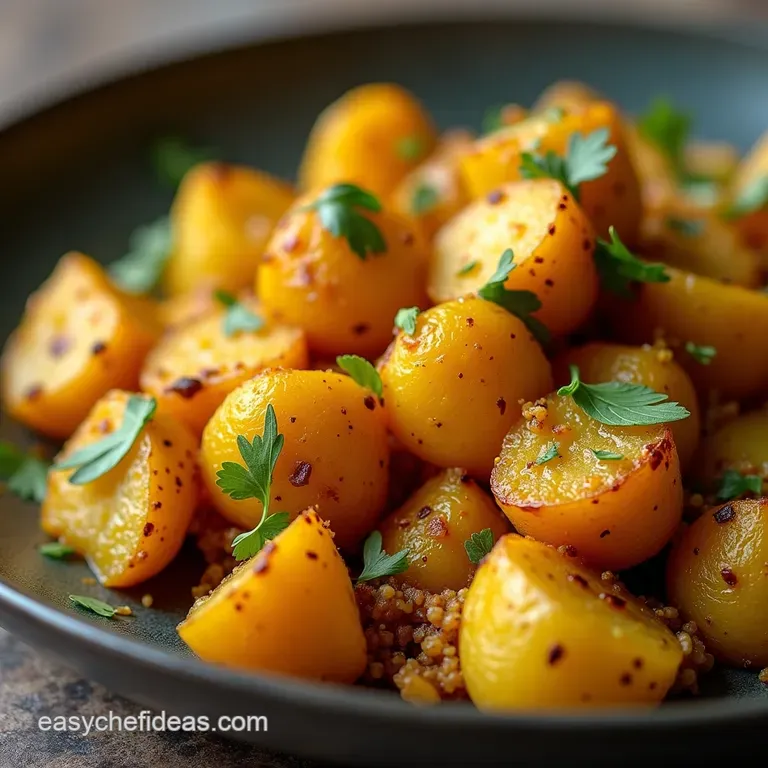
Few dishes capture the essence of comforting, everyday Indian cooking quite like Aloo Gobi . It’s a dish that transcends regional boundaries, appearing in various forms across North India, yet always maintaining its core identity: the perfect marriage of humble potatoes (Aloo) and velvety cauliflower (Gobi).
This particular Aloo Gobi Recipe we are exploring today aims for that sweet spot tender vegetables enveloped in an aromatic, non-greasy spice coat. It’s a testament to how simple ingredients, treated with respect and the right spices, can transform into something truly spectacular.
If you've ever wanted to master a truly authentic, flavorful Indian Potato Curry Dish that doubles beautifully as a hearty vegan main, you’ve arrived at the right place.
The Essence of North Indian Homestyle Cooking
North Indian cuisine often focuses on layered flavour building, where dry roasting spices before incorporating them unlocks incredible depth. This recipe showcases that perfectly. Unlike heavily sauced curries, this preparation leans towards a drier texture, which allows the distinct character of the vegetables to shine through the spice coating.
It’s one of the cornerstones of Vegetarian Indian Food , celebrated for its simplicity and nutrient density.
Setting the Stage: A Balanced Approach to Cauliflower and Potato
The key to success lies in managing the texture of the two main components. Potatoes absorb flavour readily but can break down if overcooked, while cauliflower florets need enough time to soften without disintegrating into mush.
We address this by ensuring uniform cutting aiming for roughly 1 inch cubes for the Aloo and similarly sized, bite sized florets for the Gobi. This uniformity is crucial for even cooking, ensuring every spoonful offers a pleasant contrast between the soft potato and the slightly firmer cauliflower.
The Flavor Blueprint: Aromatics That Define Authentic Taste
The aromatic base, or tadka , is where the magic begins. We rely on the classic combination of whole cumin seeds toasted in hot oil, immediately followed by fresh, pungent ginger and garlic, and a kick from fresh green chillies.
This initial flurry of freshness contrasts beautifully with the earthiness of the ground spices later added. The subtle tang provided by fresh tomatoes and a final squeeze of lemon juice cuts through the richness, creating a bright, addictive flavour profile that defines this quintessential Aloo Gobi Curry .
Why Master This Essential Vegetable Curry Now
Mastering a classic like Aloo Gobi opens the door to numerous culinary explorations. For those seeking quick weekday meals, this recipe is surprisingly efficient, clocking in at just over an hour total time.
On top of that,, the foundational techniques learned here tempering spices and managing vegetable cooking times are transferable to countless other vegetable preparations.
Whether you are looking for the perfect side for Aloo Gobi Paratha or need a reliable, flavourful Best Vegan Curry for company, this method delivers consistent results, whether you use a traditional stovetop or explore the Aloo Gobi Instant Pot variation later.
Curating Your Pantry: Essential Components for Brilliant Aloo Gobi
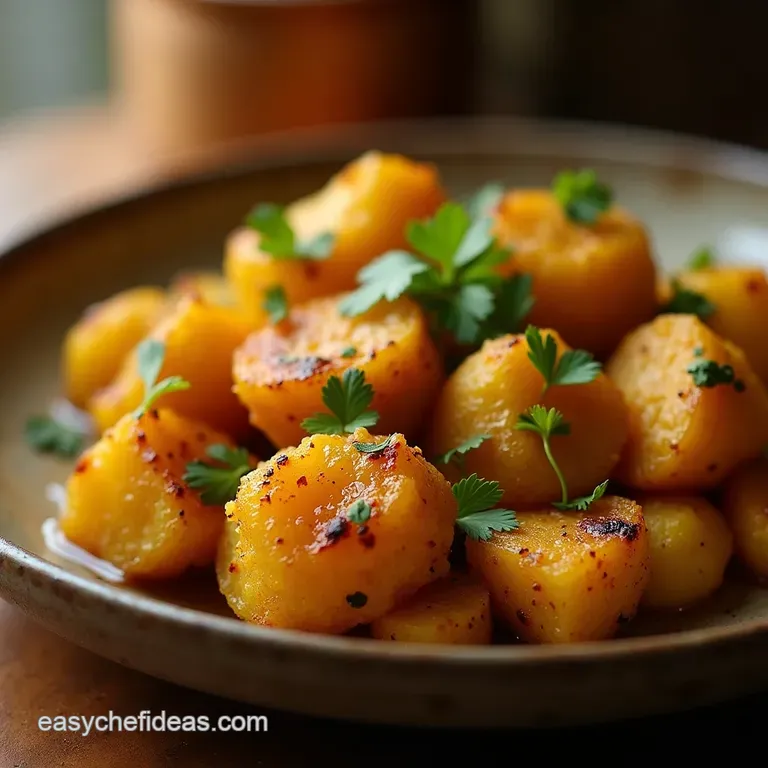
Preparation is paramount when cooking Indian food. Having your ingredients prepped and ready ensures a smooth cooking process, especially during the quick stages of blooming spices. For this vibrant Aloo Gobi Masala , we rely on accessible, fresh components balanced with foundational dry spices.
Sourcing the Stars: Selecting the Best Potatoes and Cauliflower
When selecting your produce, look for firm, heavy cauliflower heads with tightly packed florets and unblemished leaves, indicating freshness. For the potatoes, Yukon Gold or Russet varieties work beautifully; they should be firm to the touch. Peel the potatoes and cut them into uniform 1 inch cubes.
It is important to wash the cauliflower thoroughly before cutting it into medium florets so they can integrate well during the simmer.
The Spice Symphony: Measuring Your Masala Blend Precisely
The heart of this dish lies in the precise balance of spices. We use turmeric for its earthy colour and health benefits, coriander powder for body, and cumin powder for warmth. Kashmiri chilli powder (or mild paprika) is used here purely for achieving that lovely, rich orange hue without adding excessive heat.
Remember, the ground spices are toasted briefly; measure these accurately beforehand as you will be adding them quickly after the aromatics are cooked. We save the Garam Masala for the very end to preserve its complex, delicate aroma.
Necessary Kitchen Gear for Flawless Preparation
While you certainly can adapt this recipe for pressure cooking, the best texture is often achieved in a heavy bottomed Dutch oven or a large, deep frying pan equipped with a tight fitting lid. This allows for effective initial sautéing and then gentle, moist simmering without scorching the spices.
A sharp knife for finely chopping the onion, ginger, and garlic is non-negotiable to ensure those aromatics melt seamlessly into the flavour base.
A Note on Oil Choice: Tempering for Perfect Results
We utilize a neutral cooking oil, such as sunflower or canola, as the vehicle for our tadka . You’ll need about 3 tablespoons in total. The oil must be adequately hot to properly sizzle the whole cumin seeds, which signals that the oil is ready to draw out the fat-soluble flavours from the spices.
If the oil isn’t hot enough, the cumin will simply steam rather than toast, resulting in a flat flavour profile.
Related Recipes Worth Trying
- Gobi Manchurian Hakka Takeaway Fakeaway YOU Can Make — Ditch the takeaway This Gobi Manchurian Cauliflower Manchurian Hakkastyle is crispy spicy ready in under an hour Easier than you think and tastes AMAZING...
- Gobi Manchurian Takeaway Fakeaway Sorted — Skip the takeaway My Gobi Manchurian recipe gives you that sweet spicy tangy IndoChinese flavour at home Cauliflower perfection awaits Get the recipe now
- Gobi Manchurian Seriously Easy Delicious — Craving The Best Easy GobiManchurian Recipe My simple take on this IndoChinese classic is ready in under an hour Crispy cauliflower tangy sauce takeaway at...
The Method Unlocked: step-by-step Assembly of Your Dish
The process of creating this delicious Aloo Gobi is a dance between dry sautéing and gentle steaming. It requires attention during the initial stages but settles into a low, slow cook that builds profound flavour.
Tempering the Seeds: Building the Flavor Foundation
Begin by heating your neutral oil in the chosen deep pan over medium heat. Once shimmering, add one teaspoon of whole cumin seeds. Allow them to pop and darken slightly this process releases their essential oils into the fat. Immediately follow this by adding the finely chopped onions and slit green chillies.
Sauté these gently for about five to seven minutes until the onions turn translucent and begin to sweeten, forming the first flavour layer. Next, introduce the minced ginger and garlic, cooking them for only about 60 seconds until their sharp fragrance blooms; prolonged cooking here will result in bitterness.
Simmering Secrets: Ensuring Tender Vegetables Without Mushiness
After adding the ground spices (turmeric, coriander, and cumin powder) and toasting them for half a minute, introduce the cauliflower florets and pre-cut potatoes. Toss everything thoroughly to ensure every piece is beautifully coated in the developing masala .
Now, add your finely chopped tomatoes, salt to taste, and half a cup of water or vegetable broth. Cover the pan, reduce the heat to the lowest setting, and let the steam do the work for 15 to 20 minutes. This steaming period tenderizes the vegetables perfectly.
The Final Toss: Integrating Spices for Deep Color and Infusion
After checking for tenderness the vegetables should yield easily to a fork remove the lid. If there is excess liquid, increase the heat slightly and cook uncovered for a few minutes to reduce it; we are aiming for a dry consistency, not a soupy curry.
It’s at this stage that we stir in one teaspoon of Garam Masala for that aromatic lift, along with a teaspoon of fresh lemon juice to brighten the overall taste profile. Toss gently one last time and stir in half of your fresh cilantro just before serving.
Elevating Your Aloo Gobi Experience: Pro Tips and Tweaks
To move your preparation from merely good to truly exceptional, consider these expert refinements that professional cooks employ when making this classic dish.
- The Pre-Fry Insurance: For the most resilient potatoes that hold their shape beautifully, lightly pan-fry the potato cubes in a separate pan with a tablespoon of oil until they just begin to show faint golden edges before adding them to the main spice base. Remove them and add them during Step 8.
- Moisture Management is Key: Remember, this is intended to be a dry vegetable preparation. If you find your curry is watery in the final stage, remove the lid entirely and let it steam dry. Stir occasionally to prevent sticking, but resist the urge to add more liquid unless the bottom is scorching.
- The Brightness Factor: Never skip the final touch of acidity. Whether you use a squeeze of fresh lemon juice or a dash of Amchur (dried mango powder), this final acidic component is essential for balancing the earthy spices and making the flavour "pop."
Maximizing Freshness: Storage and Reheating Guidelines
This dish keeps remarkably well. Store any leftovers in an airtight container in the refrigerator for up to four days. When reheating, a gentle application of heat on the stovetop is preferred, perhaps with a tablespoon of water added to prevent drying out.
It actually often tastes better the next day as the spices continue to deepen their integration with the vegetables.
Creative Twists: Flavor Variations Beyond the Traditional Curry
While this recipe adheres to the classic structure, consider adding frozen green peas during the last five minutes of simmering to create a delightful Aloo Gobi Mutter . For a creamier texture, stir in a dollop of full fat yogurt or coconut cream off the heat just before the final seasoning.
Nutritional Snapshot: Understanding the Goodness of This Dry Vegetable Dish
As a primarily vegetable based dish, this Aloo Gobi is naturally rich in dietary fibre, particularly from the cauliflower. It’s naturally low in saturated fats (depending on the oil you use) and provides complex carbohydrates from the potatoes, making it a wonderfully balanced and satisfying meal, especially when paired with whole grains.
Troubleshooting Common Pitfalls in Cauliflower Potato Preparation
The most common issue is mushy cauliflower. This usually occurs because the florets were cut too small or the heat during the simmer was too high. If you find your cauliflower is already tender but the potatoes are still hard, try adding a splash more water, covering the pot, and continuing to cook until the potatoes yield, accepting that the cauliflower might soften slightly more.
Conversely, if your spices are burning, your heat is too high when adding the dry powders; ensure you reduce the heat to low before adding them to the oil base.
Recipe FAQs
Why does my Aloo Gobi turn out mushy instead of flavourful?
That’s a common pitfall, like a soggy bottom on a Victoria sponge! To keep things firm, try pre-frying the potato cubes slightly before adding them to the main pot, as detailed in the recipe.
Also, remember that Aloo Gobi should be fairly dry; remove the lid for the last few minutes of cooking to let excess moisture evaporate.
Can I make Aloo Gobi ahead of time, or is it best fresh from the hob?
It holds up surprisingly well, much like a good stew! You can certainly make it a day ahead, and often the flavours deepen overnight in the fridge. When reheating, add a splash of water or broth to prevent it from sticking, and stir through that fresh lemon juice right at the end to lift the flavour profile again.
My cauliflower florets are still hard when the potatoes are done what’s the trick?
It sounds like your veggies aren't uniform in size, which is a nuisance! For the best results next time, try to cut the cauliflower florets and potatoes into roughly the same size, about one inch.
If you’re stuck mid-cook, add the cauliflower in five minutes after the potatoes, or add a tiny bit more simmering liquid and cover the pan again just for the cauliflower.
I’m not keen on spicy food; how can I reduce the heat in this Aloo Gobi recipe?
Fear not, you can easily dial down the fire! The heat primarily comes from the green chillies and the Kashmiri chilli powder. Omit the green chillies entirely, or use just half a mild one and remove the seeds. Swap the chilli powder for sweet paprika, which gives great colour without the kick.
What's the secret to getting that lovely restaurant taste in my homemade Aloo Gobi?
The real magic lies in the ‘blooming’ of the spices! Make sure you let the ground spices (turmeric, coriander, cumin powder) cook gently in the hot oil with the onions for about 30 seconds before adding any moisture.
This process releases their essential oils, giving you that deep, aromatic flavour rather than a raw, dusty taste.
Is this dish healthy, or is it just swimming in oil like some curries?
It’s generally quite a lean dish, provided you stick to the suggested oil amounts think of it as a vegetable dish first! Potatoes and cauliflower are packed with fibre, and turmeric offers fantastic anti inflammatory benefits.
You can reduce the oil slightly during the initial tempering (Tadka) stage if you’re watching your intake.
Classic Homestyle Aloo Gobi
Ingredients:
Instructions:
Nutrition Facts:
| Calories | 2257 kcal |
|---|---|
| Protein | 29.3 g |
| Fat | 27.3 g |
| Carbs | 129.3 g |
| Fiber | 43.3 g |
| Sodium | 1520 mg |
