New York Steak: High-Heat Sear
- Time: Active 10 mins, Passive 45 mins, Total 55 mins
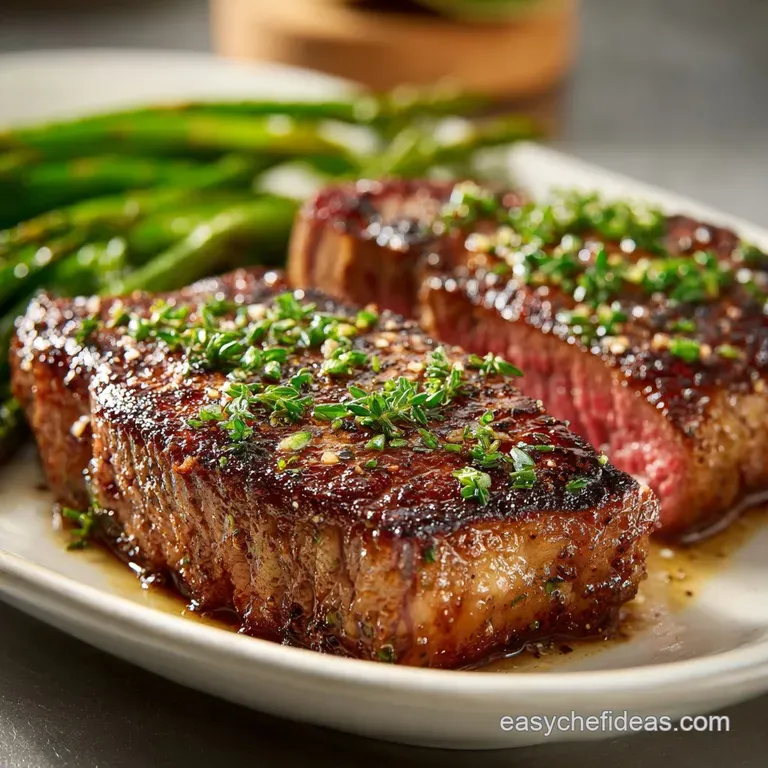
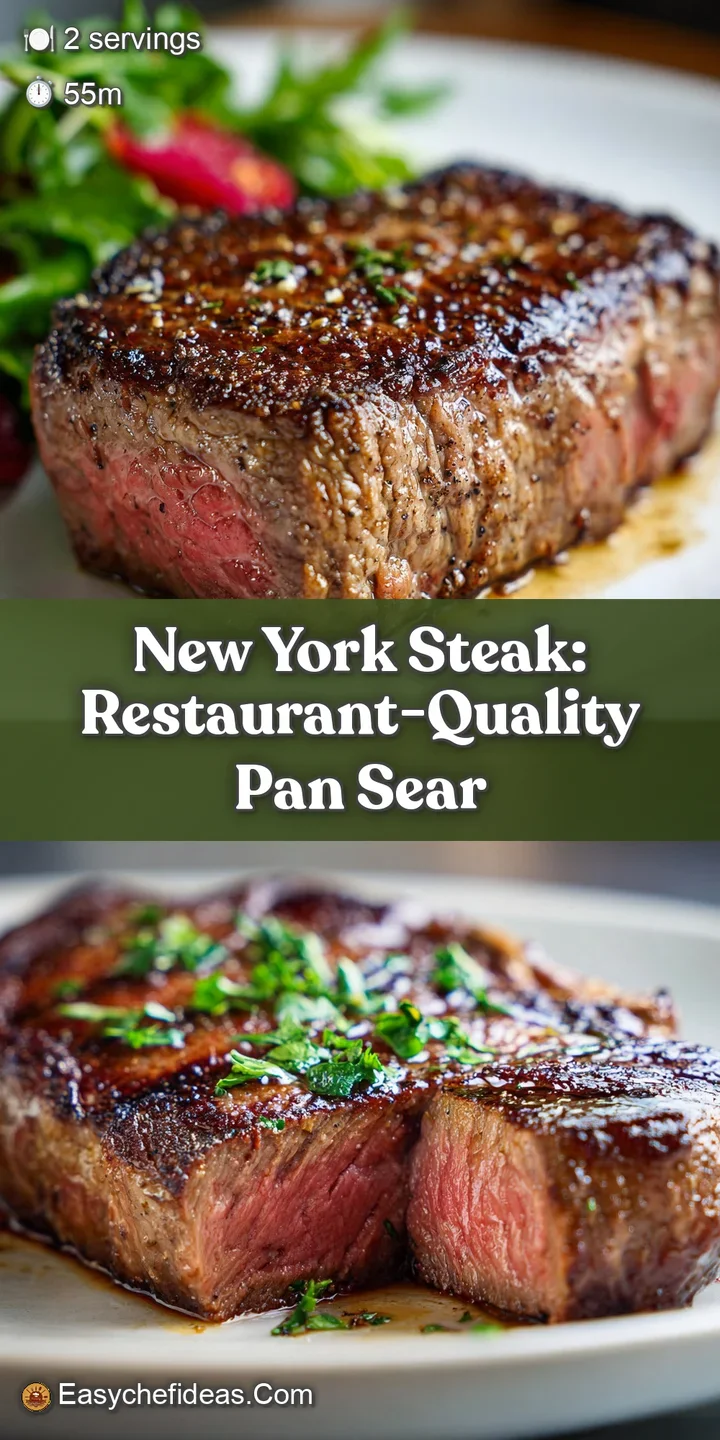
- Flavor/Texture Hook: Shatter crisp mahogany crust with a velvety, ruby red center
- Perfect for: An intimate date night or a high protein weekend reward
- How to Sear the Best New York Steak at Home
- The Thermal Mechanics of the Perfect Sear
- A Component Analysis of the Steakhouse Profile
- The Alchemy of Umami: Selecting Your Elements
- Essential Tools for Achieving That Restaurant Quality Sear
- Step by Step Guide to a Flawless Mahogany Finish
- Avoiding Common Pitfalls for a Perfectly Tender Result
- Creative Twists for a Personalized Steakhouse Experience
- Adjusting Your Recipe for Date Night or Crowds
- Maximizing Leftovers and Protecting Your Kitchen Investment
- The Best Side Dishes to Nourish Your Community
- Very High in Sodium
- Recipe FAQs
- 📝 Recipe Card
How to Sear the Best New York Steak at Home
I still remember the first time I actually got a steak right. For years, I was that person who would nervously poke the meat every thirty seconds, terrified of overcooking it, only to end up with a gray, rubbery mess that tasted like disappointment.
The smoke detector was my kitchen timer, and the meat usually had the texture of an old shoe. It wasn't until I stopped rushing the process and started respecting the science of the sizzle that everything changed.
When you finally nail this New York Steak, the sound is the first thing you notice. It isn't just a hiss; it is a violent, rhythmic crackle as the fat renders and the proteins transform.
The aroma of toasted garlic and bruised rosemary fills the room, creating an atmosphere that feels less like a Tuesday night dinner and more like a celebration of community and craft. This isn't just about eating; it is about the ritual of fire and iron.
We are going to walk through this together, focusing on how to build those flavor layers from the inside out. We will start with the deep seasoning of the muscle fibers and end with a luxurious butter baste that coats every nook and cranny.
Whether you are cooking for yourself or sharing a meal with someone special, this recipe is designed to give you the confidence to conquer the cast iron without the stress.
The Thermal Mechanics of the Perfect Sear
Building a great steak is a lesson in thermodynamics. We aren't just heating meat; we are managing moisture and energy to create a specific chemical reaction.
- The Maillard Reaction: This occurs between 140°C and 165°C, where amino acids and sugars rearrange to create hundreds of flavor compounds and that distinct brown crust.
- Surface Dehydration: Moisture is the enemy of the sear. By dry brining, we draw out surface water so the heat goes directly into browning rather than evaporating steam.
- Albumin Coagulation: As the internal temperature rises, proteins tighten and push moisture toward the center, which is why the resting phase is non negotiable for a velvety finish.
- Fat Rendering: The edge strip of fat on a New York Steak requires direct contact to transform from chewy connective tissue into a melt in-the mouth delicacy.
| Thickness | Internal Temp | Rest Time | Visual Cue |
|---|---|---|---|
| 2.5 cm | 54°C (Med Rare) | 5 mins | Warm red center, firm exterior |
| 4 cm | 54°C (Med Rare) | 8 mins | Deep red middle, very dark crust |
| 5 cm | 57°C (Medium) | 10 mins | Pink throughout, heavy char |
The thickness of your cut dictates how much energy the meat can absorb before the center overcooks. A thicker 1.5 inch steak (about 4 cm) gives you a much wider margin for error, allowing you to develop a heavy, mahogany crust while keeping the inside beautifully rare.
A Component Analysis of the Steakhouse Profile
Every ingredient in this recipe serves a structural purpose. We aren't just adding "flavor," we are manipulating the texture and the aromatic profile of the beef.
| Ingredient | Science Role | Pro Secret |
|---|---|---|
| Kosher Salt | Protein Denaturation | Use coarse grains to create tiny pockets for the fat to settle into during the sear. |
| Avocado Oil | High Smoke Point | This oil stays stable up to 270°C, preventing the bitter "burnt oil" taste common with butter only sears. |
| Fresh Rosemary | Volatile Oil Release | The heat of the oil fractures the herb's cells, infusing the fat with a woody, pine like aroma. |
Selecting the right fat is the difference between a clean, beefy flavor and a kitchen full of acrid smoke. While many people reach for extra virgin olive oil, its low smoke point makes it a poor choice for the initial sear, though we use a touch of it at the end for its fruity finish.
The Alchemy of Umami: Selecting Your Elements
To nourish your community with the best possible meal, the quality of your ingredients is the foundation. We are looking for high-quality, grass fed beef that carries a rich, diverse nutrient profile.
- 2 Grass fed New York Strip Steaks (340g each): Look for steaks that are 1.5 inches thick for the best temperature control.
- Substitute: Ribeye. Why this? It has higher fat content but offers a similar sear experience.
- 1.5 tsp Kosher salt (9g): Essential for the dry brine process.
- Substitute: Sea salt. Why this? Provides the same salinity but use slightly less if the grains are very fine.
- 1 tsp Freshly cracked black pepper (2g): Adds a sharp, pungent bite to cut through the richness.
- Substitute: Tellicherry peppercorns. Why this? These are larger and more aromatic than standard black pepper.
- 1 tbsp Avocado oil (15ml): The vehicle for the over high heat sear.
- Substitute: Grapeseed oil. Why this? Also possesses a very high smoke point and neutral flavor.
- 2 cloves Garlic, smashed (6g): Provides a mellow, savory backbone to the butter baste.
- Substitute: Garlic shallots. Why this? Adds a sweeter, more complex onion garlic hybrid flavor.
- 2 sprigs Fresh Rosemary or Thyme: For earthy, herbaceous layers.
- Substitute: Dried herbs. Note: Not recommended for searing as they burn instantly stick to fresh!
- 1 tsp Extra virgin olive oil (5ml): A finishing touch for a silky mouthfeel.
- Substitute: Grass fed butter. Why this? Adds a nutty, lactic richness that mimics high end steakhouse finishes.
| Original Ingredient | Substitute | Why It Works |
|---|---|---|
| Avocado Oil | Grapeseed Oil | Both have high smoke points (above 200°C), preventing acrid flavors during the sear. |
| Kosher Salt | Flaky Sea Salt | Similar clean taste. Note: Flaky salt is less dense, so use a bit more by volume. |
| Rosemary | Thyme | Both are woody herbs that withstand high heat. Thyme is slightly more floral and subtle. |
Using the right salt is particularly important because the grain size affects how it dissolves into the meat. If you use table salt, you risk over salting because the grains are so small and pack together tightly. Kosher salt allows for a more even, controlled distribution that builds a better crust.
Essential Tools for Achieving That Restaurant Quality Sear
You don't need a professional kitchen, but you do need a pan that can hold onto heat. A heavy cast iron skillet is the gold standard here. It acts like a thermal battery, soaking up heat and dumping it into the cold meat without a massive temperature drop.
An instant read thermometer is your best friend. Relying on "the finger test" is a recipe for inconsistency. We want precision, and a digital probe will tell you exactly when the center of that New York Steak has reached the perfect 54°C for medium rare.
I also recommend a pair of long, sturdy tongs so you can flip the meat and hold it on its side to render that beautiful fat cap.
step-by-step Guide to a Flawless Mahogany Finish
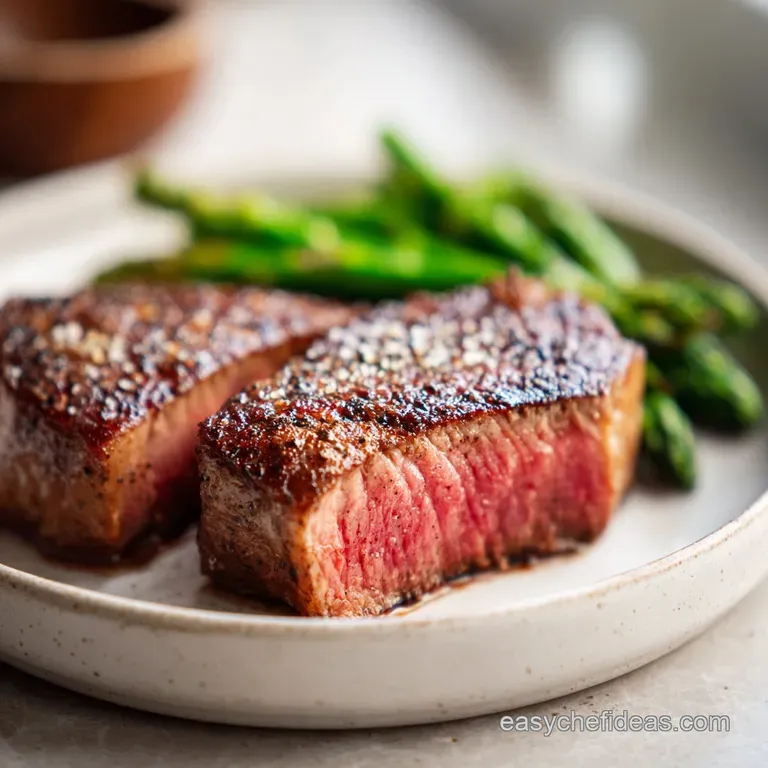
Success here is all about the sequence. We aren't just throwing meat in a pan; we are following a series of events that build flavor layers.
1. The Dry Brine Phase
Pat your 340g steaks completely dry with paper towels. Rub the 1.5 tsp of Kosher salt and 1 tsp of pepper over every surface, including the sides. Note: This draws moisture out, seasons the deep tissue, and then reabsorbs the brine for a tender interior.
2. The over High heat Sear
Heat your cast iron over medium high heat until the 1 tbsp of avocado oil is shimmering and just starting to wispy smoke. Place the steaks in the pan away from you to avoid splashes. Cook for 2 minutes until a deep golden brown crust forms.
3. The Frequent Flip Method
Flip the steaks every 30 to 60 seconds after the initial crust has set. Note: This unconventional trick ensures the meat cooks evenly from both sides, preventing that "gray band" of overcooked meat under the crust.
4. The Precision Finish
Add the 2 cloves of smashed garlic, rosemary sprigs, and the 1 tsp of EVOO to the pan. Tilt the skillet and use a large spoon to pour the flavored oil over the steaks repeatedly. Continue until the thermometer reads 52°C for medium rare.
5. The Essential Rest
Transfer the steaks to a warm plate and pour the remaining pan juices over them. Let them rest for 5 to 8 minutes. Note: This allows the muscle fibers to relax and reabsorb the juices, ensuring they don't pour out when you slice in.
| Method | Time | Texture | Best For |
|---|---|---|---|
| Stovetop Only | 8-10 mins | Maximum crust, thinner pink center | Steaks under 1.5 inches |
| Sear & Oven | 12-15 mins | Even edge to edge pink | Thick cut 2 inch steaks |
| Reverse Sear | 45+ mins | Silky, tender, "sous vide" style | Maximum precision, low smoke |
The choice of method depends on your patience and the thickness of your meat. For a standard 340g New York Steak, the stovetop method with frequent flipping provides the best balance of a heavy crust and a juicy interior without needing to turn on the oven. If you find yourself wanting a more complex sauce to go with this, you might enjoy the technique found in The Butchers Rich recipe.
Avoiding Common Pitfalls for a Perfectly Tender Result
Even with the best intentions, things can go sideways. The most common issue I see is people being too afraid of the heat. If your pan isn't hot enough, the meat will boil in its own juices rather than searing.
Why Your Steak Is Gray and Steamy
If the meat looks gray instead of brown, your pan wasn't hot enough or you overcrowded the skillet. When too many cold steaks hit the pan at once, the temperature crashes, and the escaping moisture turns into steam. Always ensure the oil is shimmering before the meat goes in.
Why Your Steak Is Tough
This usually happens because the meat was cooked straight from the fridge or wasn't allowed to rest. A cold steak will cook unevenly, leaving the outside charred and the inside raw. Give it at least 30 minutes on the counter before cooking to take the chill off.
| Problem | Root Cause | Solution |
|---|---|---|
| Lack of crust | Surface moisture | Pat the meat dry with paper towels multiple times before searing. |
| Bitter taste | Burnt garlic/herbs | Only add aromatics in the last 2-3 minutes of cooking. |
| Uneven cooking | Cold center | Temper the meat at room temperature for 45 minutes before cooking. |
Common Mistakes Checklist
- ✓ Skipping the dry brine: Salt needs time to penetrate the fibers; don't just salt right before the pan.
- ✓ Using a non stick pan: These cannot handle the high heat required for a proper Maillard reaction.
- ✓ Cutting into the meat too soon: You lose up to 40% of the juices if you don't wait 5 minutes.
- ✓ Forgetting the fat cap: Use tongs to hold the steak upright and sear the side fat for 60 seconds.
Creative Twists for a Personalized Steakhouse Experience
Once you have the basic technique down, you can start experimenting with the flavor profile to suit your culture or dietary needs. For a more intense crust, try a "coffee rub" by mixing finely ground espresso with your salt and pepper.
The acidity of the coffee acts as a natural tenderizer and creates a dark, savory exterior that is incredible on a New York Steak.
If you are following a Paleo or Keto lifestyle, you can double down on the healthy fats by finishing the steak with a dollop of grass fed tallow or a compound butter made with roasted bone marrow. For those who enjoy a bit of heat, a "Peppercorn Crusted Twist" involves pressing crushed green and black peppercorns into the meat before searing, creating a spicy, textured "poivre" style steak. You could even look at Rib Eye Steak recipe if you want to see how this over high heat method adapts to a different, fattier cut.
Adjusting Your Recipe for Date Night or Crowds
Scaling a steak recipe isn't as simple as doubling everything. The biggest constraint is your pan space.
- For One (½ recipe): Use a smaller 8 inch skillet to ensure the aromatics don't burn in the empty space of a large pan.
- For a Crowd (4x recipe): Do not try to cook four steaks in one pan. Work in batches of two. Keep the first batch in a 80°C oven on a wire rack to stay warm while you finish the rest.
- Scaling Spices: When moving to 4 steaks, increase the salt and pepper to 1.5x rather than a full 4x. It is easier to add a finishing pinch of salt than to fix an oversalted steak.
Chef's Tip: If you're cooking for a group, use a "reverse sear" method. Bake all the steaks at 120°C until they hit 46°C, then sear them all at once on a scorching hot grill or in two pans. This ensures everyone's dinner is hot and perfectly timed.
Maximizing Leftovers and Protecting Your Kitchen Investment
Steak is a premium ingredient, and we want to make sure none of it goes to waste. If you find yourself with leftovers, do not microwave them it will turn that velvety meat into rubber.
- Storage: Keep cooked New York Steak in an airtight container in the fridge for up to 3 days.
- Freezing: You can freeze cooked steak for up to 2 months, though the texture will soften slightly. Wrap it tightly in plastic wrap and then foil to prevent freezer burn.
- Reheating: The best way to reheat is "low and slow." Place the steak in a 120°C oven until it reaches 45°C, then give it a quick 30 second flash in a hot pan to crisp the edges.
- Zero Waste: Don't throw away the fat scraps or the rosemary infused oil. Use the leftover fat to roast potatoes the next day it is liquid gold. The garlic and herb oil can be drizzled over steamed vegetables to add a rich, steakhouse adjacent flavor to a simple side dish.
The Best Side Dishes to Nourish Your Community
A great New York Steak deserves companions that complement its richness without overpowering it. In our culture, the steak is the star, but the sides provide the balance that makes the meal feel complete.
A crisp, acidic salad with a lemon vinaigrette is the perfect counterpoint to the heavy fats of the beef. If you want something more traditional, garlic mashed cauliflower or roasted root vegetables provide a grounding, earthy element. For a truly classic experience, you might look at The Pub Classic recipe to see how a velvety cream sauce can turn this dish into a comforting, pub style feast.
Sharing this meal is about more than just calories; it is about the time spent together around the table. By mastering the New York Steak, you aren't just making dinner you are creating a memory of a perfectly cooked, nourishing meal that shows your friends and family how much you care about the craft of cooking.
Trust the process, watch the temperature, and enjoy that incredible, shattering crust.
Very High in Sodium
1745 mg mg of sodium per serving (76% % of daily value)
The American Heart Association recommends limiting sodium intake to about 2,300mg per day.
Tips to Reduce Sodium in Your Steak Recipe
-
Reduce Salt by Half-25%
Cut the kosher salt in half to 0.75 tsp (4.5g). This will significantly lower the sodium content without sacrificing too much flavor.
-
Use a Salt Substitute-10%
Replace some of the kosher salt with a potassium based salt substitute. Start with substituting 1/4 tsp of the kosher salt.
-
Brining Alternative-10%
Consider dry-brining the steak with herbs and spices, then adding a very small amount of salt immediately before searing. This technique can enhance flavor with less sodium.
-
Boost Flavor with Aromatics
Increase the amount of garlic, rosemary, and thyme to add depth of flavor and reduce the need for as much salt. Consider adding a pinch of red pepper flakes for a little heat.
Recipe FAQs
Is New York steak better than ribeye?
It depends on your preference. The New York strip is leaner and firmer, offering a more straightforward beefy flavor, whereas the ribeye is highly marbled, resulting in a richer, buttery taste.
Is a New York steak a good steak?
Yes, it is considered an excellent steak. It strikes a great balance between tenderness and flavor, making it a reliable centerpiece for any serious meat lover.
What is the best way to cook a New York strip steak?
Sear it hard in cast iron, then finish with butter basting. Use a very hot pan with high smoke point oil to achieve the Maillard reaction quickly, then introduce aromatics like garlic and rosemary.
What steak is the poor man's ribeye?
The New York strip is often considered the alternative. While not significantly cheaper, it shares a similar structural muscle group and texture profile without the extensive marbling of a true ribeye.
Is it true I must let the steak rest for at least 10 minutes?
No, 10 minutes is often too long for a standard cut. Rest for 5 to 8 minutes; the key is allowing muscle fibers to relax and reabsorb juices, which you can master by practicing the temperature control used in The Definitive Classic recipe.
Why does my New York strip keep developing a gray band under the crust?
You are likely using insufficient or inconsistent heat. A gray band forms when the outside cooks too slowly; try flipping the steak every minute after the initial sear to even out the thermal absorption.
Can I substitute avocado oil with olive oil for the sear?
No, switch to an oil with a higher smoke point first. Standard olive oil burns easily at the required high sear temperature, imparting a bitter taste; use avocado or grapeseed oil instead for clean flavor building, similar to the fat management needed for Pepper Steak recipe.
Best New York Steak Sear
Ingredients:
Instructions:
Nutrition Facts:
| Calories | 678 calories |
|---|---|
| Protein | 78.4 grams |
| Fat | 38.5 grams |
| Carbs | 1.2 grams |
| Fiber | 0.3 grams |
| Sugar | 0.1 grams |
| Sodium | 1745 milligrams |
