Fish and Chips: Crispy Dual-Batter
- Time: Active 20 minutes, Passive 20 minutes, Total 40 minutes
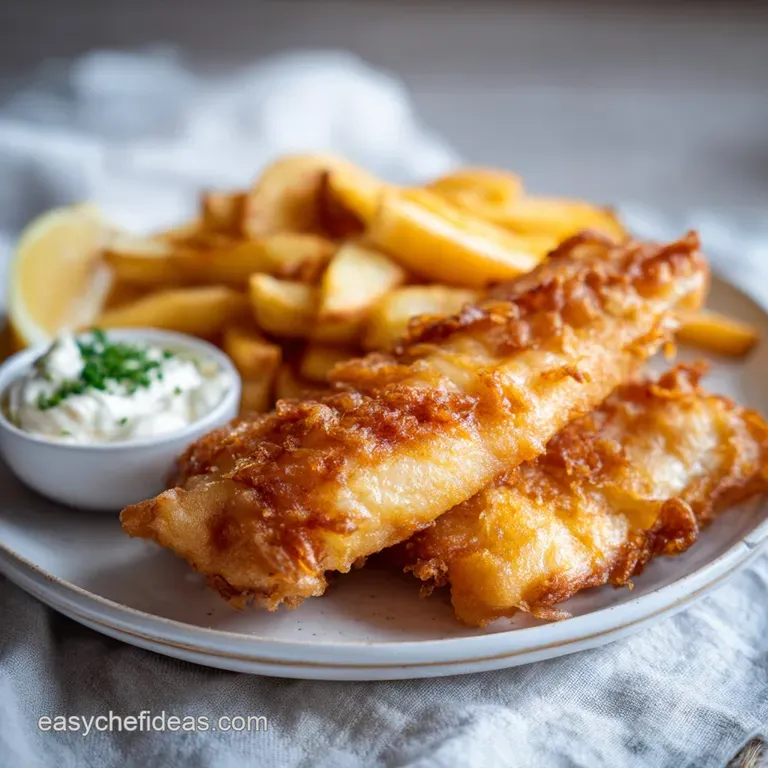
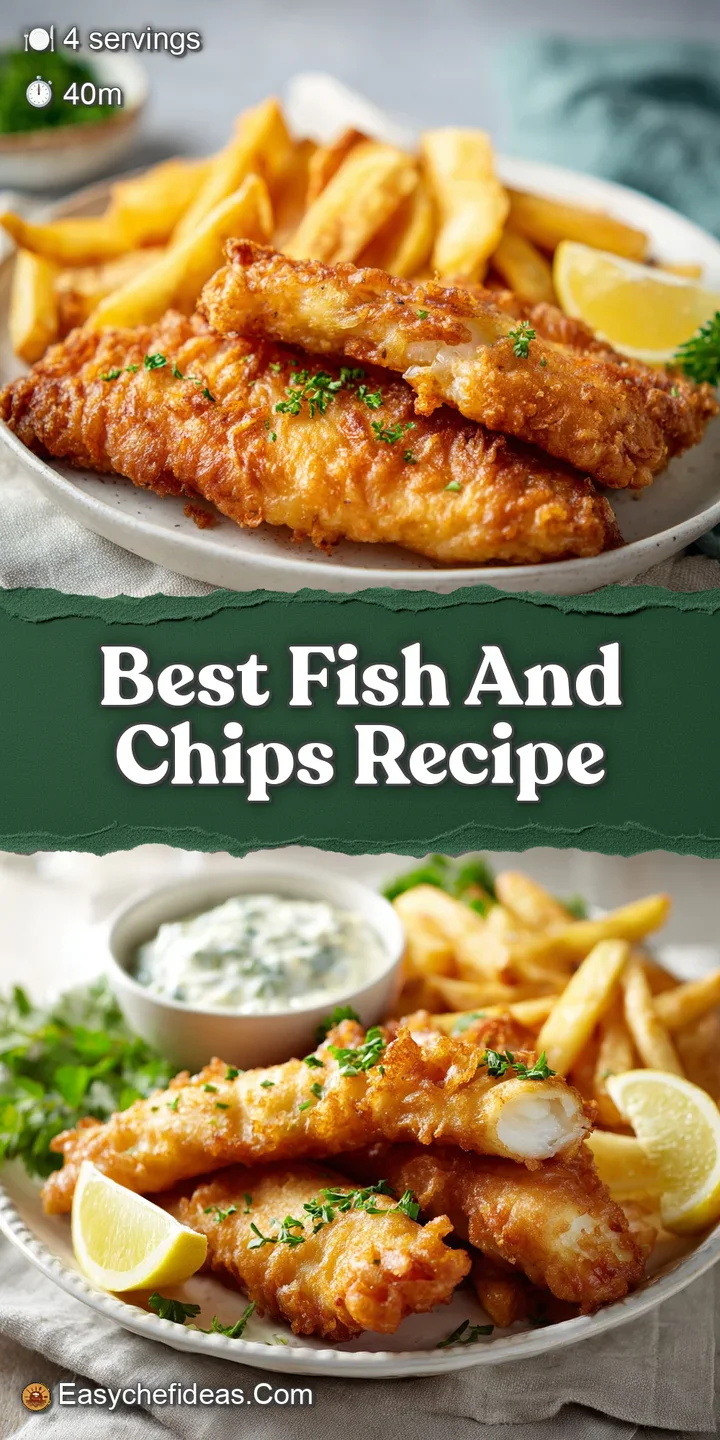
- Flavor/Texture Hook: Shatter crisp golden batter and fluffy, salt dusted Russets.
- Perfect for: A traditional weekend feast or a high effort family dinner.
- The Mechanics of the Crunch
- Essential Statistics for Frying Success
- Selecting Ingredients for Maximum Texture
- Kitchen Gear for Pro Frying
- Step by Step Frying Procedures
- Solutions for Common Frying Mishaps
- Flavor Variations and Cultural Twists
- Handling Your Leftover Crispy Fish
- Side Dishes for Complete Nourishment
- Frying Myths Debunked
- High in Sodium
- Fish and Chips FAQs
- 📝 Recipe Card
The Mechanics of the Crunch
- Thermal Shock: The massive temperature gap between ice cold batter and 375°F (190°C) oil triggers immediate steam release, creating an airy crust.
- Carbonation Expansion: CO2 bubbles in the lager act as tiny leavening agents, pushing the batter outward so it doesn't settle into a dense, heavy layer.
- Starch Gelatinization: Using rice flour prevents excessive gluten development, ensuring the coating stays crisp rather than turning tough or "bready."
- Surface Dehydration: Dredging the fish in dry flour before battering creates a "glue" layer that prevents the batter from sliding off during the fry.
The Physics of the Fizz: Carbon dioxide bubbles in the lager create an insulating foam that expands instantly when hitting hot oil. This creates a lightweight, aerated structure that allows the batter to dehydrate into a shatter crisp shell rather than a heavy dough.
| Method | Time | Texture | Best For |
|---|---|---|---|
| Traditional Deep Fry | 20 minutes | Shatter crisp shell | Maximum authenticity and crunch |
| Oven Baked | 30 minutes | Firm and crunchy | Lower fat and easier cleanup |
| Air Fryer | 25 minutes | Uniformly crisp | Smaller batches and quick prep |
The choice of method often depends on your comfort level with hot oil. While the deep fry is the gold standard for that "chippy" feel, many home cooks find the air fryer a great middle ground for weeknight meals.
Just remember that the air fryer requires a slightly thicker batter to prevent it from dripping through the basket.
Essential Statistics for Frying Success
| Component | Science Role | Pro Secret |
|---|---|---|
| Rice Flour | Reduces gluten | Mix 50/50 with AP flour for a lighter, "glass like" crunch. |
| Ice Cold Lager | Aeration | Keep the beer in the freezer for 15 minutes before mixing. |
| Russet Potatoes | High starch | Soak in cold water to remove surface starch for crispier edges. |
Before we start mixing, we need to talk about the fish. I find that a thick cut fillet is non negotiable because it needs to withstand the heat without overcooking before the batter is golden. If you love this flavor profile but want something lighter, my Cod Fish recipe offers a zesty, un battered alternative that still celebrates the flaky nature of white fish.
Selecting Ingredients for Maximum Texture
- 1.5 lbs Fresh Cod fillets: Thick cut is best for a juicy interior. Why this? Cod provides a sturdy but flaky texture that handles high frying temperatures well.
- 1 cup All purpose flour: The structural base of your batter. (Substitute: Cake flour for an even lighter result).
- 0.5 cup Rice flour or Cornstarch: Prevents the batter from getting tough. Why this? It lacks gluten, which ensures the coating stays crispy and light.
- 1 tsp Baking powder: Adds extra lift and airiness.
- 1 tsp Sea salt: For seasoning both the flour and the final fish.
- 1 cup Ice cold Lager: Cold carbonation is the secret to volume. (Substitute: Cold club soda for an alcohol free version).
- 0.25 cup All purpose flour: For the initial dredge.
- 4 Large Russet potatoes: The starch king of potatoes. Why this? Their high starch content leads to the fluffiest interior once fried.
- 2 Quarts Neutral oil: Use canola, peanut, or vegetable oil.
- 0.5 cup Mayonnaise: The base for your Fish and Chips Sauce Recipe.
- 1 tbsp Capers & Cornichons: For that essential acidic bite in the tartar.
- Fresh lemon & dill: To brighten the heavy fried flavors.
For those busy nights when fresh fish isn't an option, The Golden Flake recipe is a life saver that uses pantry staples to achieve a similar satisfying crunch.
Kitchen Gear for Pro Frying
To get that authentic British fish and chips recipe result at home, a heavy bottomed pot like a Dutch oven (such as a Lodge) is your best friend. It holds heat better than a thin stainless steel pot, which means the oil temperature won't plummet the second you drop the fish in.
You'll also want a wire cooling rack set over a baking sheet. Never rest fried fish on paper towels; the steam gets trapped underneath and turns your hard earned crust into a soggy mess within minutes.
A digital thermometer is another tool I won't cook without. Guessing oil temperature is a recipe for greasy fish. You want that oil at exactly 375°F (190°C) for the fish and 325°F (160°C) for the first fry of the chips.
Finally, a large spider strainer or slotted spoon will help you fish out those little "bits" of batter the crunchy scraps that are a chef’s treat.
step-by-step Frying Procedures
1. Preparing the "Chips"
Peel and cut the 4 Russet potatoes into thick batons. Note: Aim for 1/2 inch thickness for that classic fluffy inside feel. Soak them in cold water for 30 minutes to remove excess starch.
2. Executing the First Fry
Heat the 2 quarts of oil to 325°F (160°C). Fry the potatoes in batches for about 5 minutes until pale and soft. They shouldn't be brown yet; this step just cooks the interior.
3. Mixing the Cold Batter
Whisk the 1 cup all purpose flour, 0.5 cup rice flour, baking powder, and salt. Slowly pour in the 1 cup ice cold lager, whisking until the texture resembles heavy cream. Do not over mix; a few tiny lumps are actually fine.
4. Battering the Fish
Pat the 1.5 lbs cod fillets completely dry with paper towels. Dredge each piece in the 0.25 cup of extra flour, shaking off the excess. Dip into the cold batter until fully and thickly coated.
5. Frying to Golden Perfection
Increase the oil heat to 375°F (190°C). Gently lower the fish into the oil, holding one end for a few seconds before releasing to prevent sticking. Fry for 4-6 minutes until the exterior is mahogany gold and shatters when tapped.
6. Finishing the Chips
Bring the oil back to 375°F (190°C). Toss the pre cooked chips back in for 2-3 minutes until they are deeply golden and whistling. Drain on the wire rack and salt immediately while the oil is still wet on the surface.
7. Preparing the Quick Tartar
Mix the mayonnaise, chopped capers, minced cornichons, lemon juice, and dill. This provides the necessary acid to cut through the richness of the battered fish recipe.
Chef's Tip: Freeze your flour for 20 minutes before mixing the batter. This keeps the temperature as low as possible, which delays gluten formation and maximizes the "shatter" effect.
Solutions for Common Frying Mishaps
Why Your Fish Stays Soggy
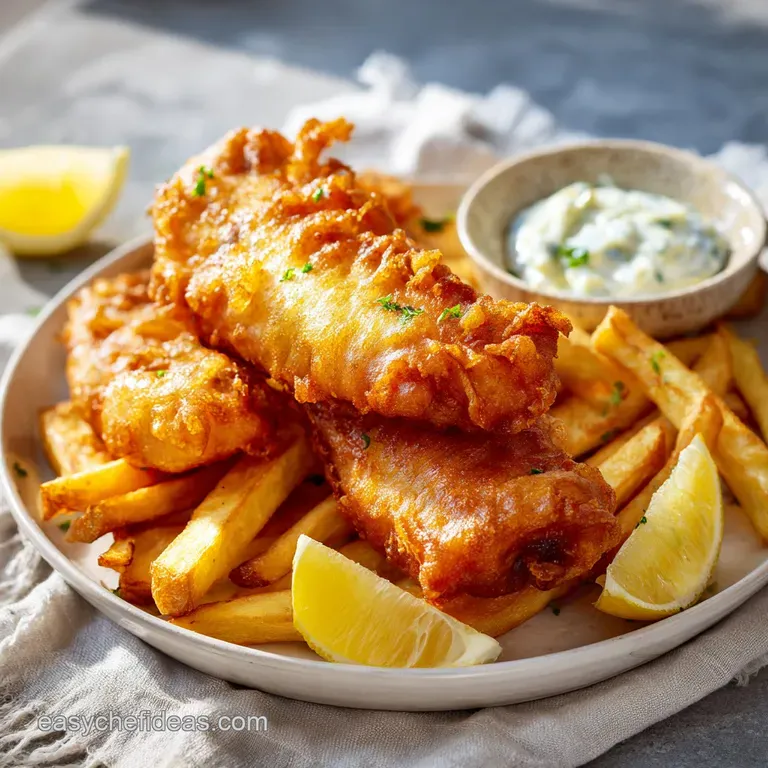
The most common culprit is oil temperature. If the oil is too cool, the batter absorbs the fat instead of crisping up. Another reason is overcrowding; if you put too much fish in at once, the temperature drops instantly. Always fry in batches to keep that sizzle aggressive and constant.
Why the Batter Slides Off
This usually happens because the fish was wet. Moisture creates a layer of steam between the flesh and the coating, causing the whole shell to slip off like an oversized coat. Always pat the fish bone dry and use that initial flour dredge as a "primer" for the wet batter to cling to.
| Problem | Root Cause | Solution |
|---|---|---|
| Batter is doughy | Over mixing the flour | Whisk gently; stop as soon as the flour is incorporated. |
| Greasy chips | Low oil temperature | Ensure the oil hits 375°F (190°C) before the final crisping fry. |
| Fish is dry inside | Fillets cut too thin | Use thick cut cod (at least 1 inch) to protect the meat. |
Common Mistakes Checklist
- ✓ Forgetting to pat the fish dry (this is the #1 cause of batter failure).
- ✓ Mixing the batter too early (the bubbles will go flat; mix right before frying).
- ✓ Using "waxy" potatoes like Red Bliss (they won't get fluffy; stick to Russets).
- ✓ Resting fried items on paper towels (use a wire rack to allow air circulation).
- ✓ Not seasoned the fish itself (salt the fillets before dredging).
Flavor Variations and Cultural Twists
Trying the Spicy Cajun Twist
For a Southern style take on this British fish and chips recipe, add 1 tablespoon of Cajun seasoning to your dry flour mix. You can also swap the lager for a darker ale to bring out more malty, caramel notes that pair beautifully with the spice.
The diversity of spices can really nourish the soul when you're looking for something with a bit more kick.
Creating a gluten-free Version
You can achieve an incredible crunch by using a 1:1 gluten-free flour blend and increasing the rice flour ratio. Because there is no gluten to worry about, you can actually whisk this batter quite vigorously. The result is a very light, almost tempura like shell that is naturally crispy.
Making Fish And Chips Recipe Baked
If you want to skip the deep frying, dredge your fish in flour, then egg wash, then seasoned Panko breadcrumbs. Spray liberally with oil and bake at 400°F (200°C) for 15-18 minutes.
It won't have that "shatter" of a beer batter, but it provides a very satisfying crunch with much less cleanup.
| Original Ingredient | Substitute | Why It Works |
|---|---|---|
| Lager (1 cup) | Club Soda (1 cup) | Provides the same carbonation without the malt flavor profile. |
| Cod (1.5 lbs) | Haddock or Pollock | Similar flaky white fish. Note: Pollock is more sustainable but slightly softer. |
| Rice Flour (0.5 cup) | Cornstarch (0.5 cup) | Both are pure starches that inhibit gluten and increase crispness. |
Classic British comfort food often revolves around fish, much like my Haddock Fish Recipes, which is perfect if you find yourself with extra fillets and want a cozy, baked alternative to the fry.
Handling Your Leftover Crispy Fish
Storage: Fried fish and chips are best eaten immediately, but you can keep them in the fridge for up to 2 days. Store them in an airtight container lined with a dry paper towel to soak up any migrating moisture.
For longer storage, you can freeze the fried fish for up to 1 month, though the texture will soften slightly.
Reheating: Never use the microwave! It will turn your batter into a gummy sponge. The best way to revive the crunch is in a 400°F (200°C) oven or air fryer for 5-7 minutes.
This helps re fry the oil already trapped in the batter, bringing back that sizzle.
Zero Waste: If you have leftover chips, chop them up and fry them with onions and peppers for a "chippy" hash the next morning. Leftover batter can be used to make "scraps" just drizzle it into the hot oil, fry until golden, and serve them over your next meal for an extra bit of texture.
Side Dishes for Complete Nourishment
To truly honor the authentic British fish and chips recipe, you need more than just the fish. Mushy peas are the traditional companion. They provide a velvety, earthy contrast to the sharp, salty crunch of the batter. Just simmer some marrowfat peas with a little butter, salt, and a hint of mint.
It’s a bit of a "love it or hate it" addition, but for me, it's essential for a balanced plate.
Don't forget the malt vinegar. That sharp acidity is what cuts through the fat and makes you want to keep eating. I also love serving this with a simple slaw to add some freshness and color to the plate. It's about creating a meal that nourishes both the body and the spirit through a sense of shared culture.
Whether you're wrapping it in faux newspaper for a bit of fun or serving it on your finest plates, this dish is a celebration of simple ingredients done perfectly.
Frying Myths Debunked
Myth: Searing the fish before battering locks in juices. Truth: Searing will actually make the batter slide off and overcook the delicate flesh. The batter itself is the protective "oven" that steams the fish to perfection.
Myth: The alcohol in the beer is what makes it crispy. Truth: It's actually the CO2 (carbonation) and the lower boiling point of alcohol compared to water. Alcohol evaporates faster in the hot oil, which allows the batter to dry out and crisp up much quicker than a water based mix.
Myth: You need a dedicated deep fryer for good results. Truth: A heavy cast iron pot or Dutch oven is actually superior because of its heat retention. As long as you have a thermometer to monitor the temp, the stovetop method is world class.
Enjoy your homemade chippy night! If you tackle this recipe, remember: keep it cold, keep it hot, and don't skimp on the salt.
High in Sodium
845 mg mg of sodium per serving (37% % of daily value)
The American Heart Association recommends limiting sodium intake to about 2,300mg per day for overall cardiovascular health.
Tips to Reduce Sodium in Your Fish and Chips
-
Reduce Added Salt-25%
Eliminate or drastically reduce the 1 tsp of sea salt in the batter. Taste the batter before frying and adjust accordingly, as other ingredients may provide some saltiness.
-
Lower Sodium Tartar Sauce-20%
The capers and cornichons in the tartar sauce contribute significant sodium. Use half the amount of capers and cornichons, or look for low-sodium versions if available.
-
Consider Low-Sodium Lager-10%
Although the sodium content in lager is typically low, swapping out the regular lager with a low-sodium lager could contribute to an overall reduction in sodium.
-
Enhance with Lemon-5%
Increase the amount of fresh lemon juice in the tartar sauce to enhance the flavor and reduce the need for as many salty ingredients.
-
Spice It Up!
Experiment with sodium free herbs and spices like garlic powder, onion powder, black pepper, or paprika to enhance the flavor of the batter and tartar sauce without adding sodium.
Fish and Chips FAQs
What do Americans call fish and chips?
They usually call it fish and chips too. While some regional American diners might list it simply as "Fried Cod" or "Battered Fish Platter," the term "fish and chips" is widely understood across the US for this specific dish format.
What do you usually put on fish and chips?
Malt vinegar and salt are mandatory first steps. Traditionally, the essential condiment is a squeeze of fresh lemon and a dollop of tartar sauce, though mushy peas are standard in the UK.
What do British people dip their fish and chips in?
Malt vinegar is the primary dip, often poured directly over everything. Beyond vinegar, many Brits use tartar sauce or, less commonly, curry sauce, especially when buying from a dedicated "chippy."
Is fish n chips Irish or British?
It is most strongly associated with British cuisine, though enjoyed across the UK. While the dish has roots in both English and Jewish immigrant cooking traditions, it is firmly established as a staple of British takeaway culture.
Why must the batter be ice cold when frying?
Use ice cold beer to create the maximum thermal shock when hitting the oil. The rapid temperature difference causes the moisture in the beer to instantly flash into steam, puffing the batter outwards for a light, shattering crust.
Can I use a different fish like salmon?
Yes, but cod or haddock are the traditional choices for best texture. Salmon is oilier and has a stronger flavor that changes the dish's profile; if you want to explore seared fish without batter, check out our How to Make Salmon recipe for a lighter flavor experience.
How to reheat leftover fried fish to keep it crispy?
Reheat in a 400°F (200°C) oven or air fryer for 5 to 7 minutes. Avoid the microwave at all costs because the trapped steam will make the coating instantly soggy; the dry heat is essential for re-crisping the exterior.
Best Fish And Chips Recipe
Ingredients:
Instructions:
Nutrition Facts:
| Calories | 1042 kcal |
|---|---|
| Protein | 44 g |
| Fat | 56 g |
| Carbs | 88 g |
| Fiber | 6 g |
| Sugar | 3 g |
| Sodium | 845 mg |
