Baked Salmon at 400 with Lemon
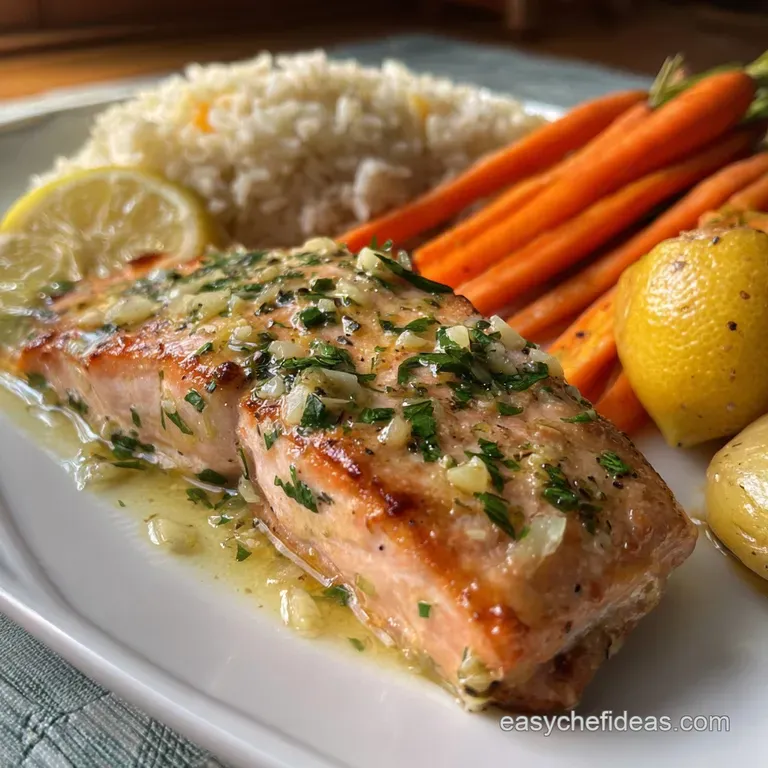
- Time: Active 10 minutes, Passive 15 minutes, Total 25 minutes
- Flavor/Texture Hook: Flaky, buttery, and bright
- Perfect for: Nourishing weeknight dinners or a shared community meal
- Achieve Juicy Baked Salmon at 400 with Lemon
- Science of the over High heat Roast
- Essential Preparation and Cooking Benchmarks
- Wholesome Ingredients for Nourishing Meals
- Essential Tools for Flawless Fish
- The Aromatic Path to Flaky Fillets
- Avoiding Dry or Rubbery Salmon
- Cultural Twists for Flavor Diversity
- Guidelines for Freshness and Storage
- Plating for a Community Feast
- Recipe FAQs
- 📝 Recipe Card
Achieve Juicy Baked Salmon at 400 with Lemon
The moment the oven door opens, a wave of bright citrus and toasted garlic fills the room, signaling that dinner is ready. I remember the first time I tried roasting fish at a lower temperature; it came out grey, sad, and swimming in a pool of its own juices. That was a mistake I only made once.
Switching to a higher heat transformed my kitchen routine, turning a potentially intimidating protein into a reliable staple that nourishes the whole family.
This recipe delivers perfectly flaky Baked Salmon at 400 with Lemon and Garlic, ready in minutes. It relies on the balance between the richness of grass fed butter and the sharp acidity of fresh lemon juice. You won't find any complex techniques here, just honest cooking that respects the ingredient.
We’re aiming for a texture that shatters under a fork while remaining velvety in the center.
We’ve all been there staring at a piece of fish, worried it will turn into a dry brick. This method removes the guesswork. By the time the garlic begins to turn golden and the lemon slices soften, the salmon is just right.
It is a dish that honors diverse culinary traditions where simple, fresh components are the stars of the table.
Science of the over High heat Roast
Protein Denaturation: High heat at 400 degrees causes the outer layers to firm up quickly, creating a thermal barrier that prevents the interior moisture from escaping.
The Maillard Response: While not a deep sear, 400 degrees allows the sugars in the lemon and the proteins in the butter to lightly brown, adding a savory depth.
Fat Emulsification: The combination of olive oil and melted grass fed butter creates a stable fat layer that coats the fish, ensuring the herbs and garlic stick and infuse deeply.
| Thickness | Internal Temp | Rest Time | Visual Cue |
|---|---|---|---|
| 1 inch | 145°F | 3 minutes | Flakes easily with fork |
| 1.5 inches | 145°F | 5 minutes | Center is opaque |
| 0.5 inch | 140°F | 2 minutes | Edges are slightly crisp |
Cooking fish is often a balance between speed and precision. If you’re looking for a comparison, consider how this compares to a classic pan sear.
| Method | Cook Time | Texture | Aroma Profile |
|---|---|---|---|
| Fast (400°F) | 12-15 minutes | Velvety and uniform | Clean lemon and garlic |
| Classic (Sauté) | 8 minutes | Crispy skin, soft top | Deeply toasted butter |
Essential Preparation and Cooking Benchmarks
| Ingredient | Science Role | Pro Secret |
|---|---|---|
| Lemon Juice | Breaks down connective tissue | Use zest for aromatic oils |
| Grass fed Butter | Provides high smoke point fat | Adds a rich, nutty finish |
| Garlic | Aromatic sulfur compounds | Mince finely for even heat |
| Kosher Salt | Draws out surface moisture | Season 5 minutes before baking |
Understanding how each component behaves in the oven is the first step to a successful meal. If you're interested in other seafood techniques, you might also enjoy learning about a Flaky Baked Cod recipe which uses a similar citrus led approach for a different variety of fish.
Wholesome Ingredients for Nourishing Meals
- 4 center cut salmon fillets (6 oz each): These provide a consistent thickness for even cooking. Why this? Center cut portions are uniform, preventing the tail from overcooking while the middle stays raw.
- Substitute: Arctic Char. It has a similar fat content and flaky texture.
- 2 tbsp extra virgin olive oil: Acts as the primary heat conductor. Why this? It offers a high smoke point and heart healthy fats.
- Substitute: Avocado oil.
- 1 tbsp grass fed butter, melted: Adds a velvety mouthfeel. Why this? Grass fed varieties have a higher nutrient profile and deeper flavor.
- Substitute: Ghee for a lactose free option.
- 3 garlic cloves, minced: The backbone of the savory profile. Why this? Fresh garlic provides a punch that powdered versions lack.
- Substitute: Shallots for a milder, sweeter aroma.
- 1 large lemon, zested and juiced: Provides the essential acid to cut through the fat. Why this? The zest contains the aromatic oils that scent the whole house.
- Substitute: Lime juice for a more tropical lean.
- 1 tsp dried oregano or thyme: Adds an earthy, herbaceous note. Why this? Dried herbs hold up better under the intense 400 degree heat.
- Substitute: Dried dill.
- 0.5 tsp kosher salt: Essential for flavor transition. Why this? Coarse grains provide better control over seasoning levels.
- Substitute: Sea salt.
- 0.25 tsp fresh cracked black pepper: For a subtle, woody heat. Why this? Pre ground pepper loses its aromatic oils quickly.
- Substitute: White pepper for a cleaner look.
- 1 tbsp fresh parsley, chopped: A bright finish for the plate. Why this? It adds a "green" freshness that balances the roasted garlic.
- Substitute: Fresh cilantro.
Essential Tools for Flawless Fish
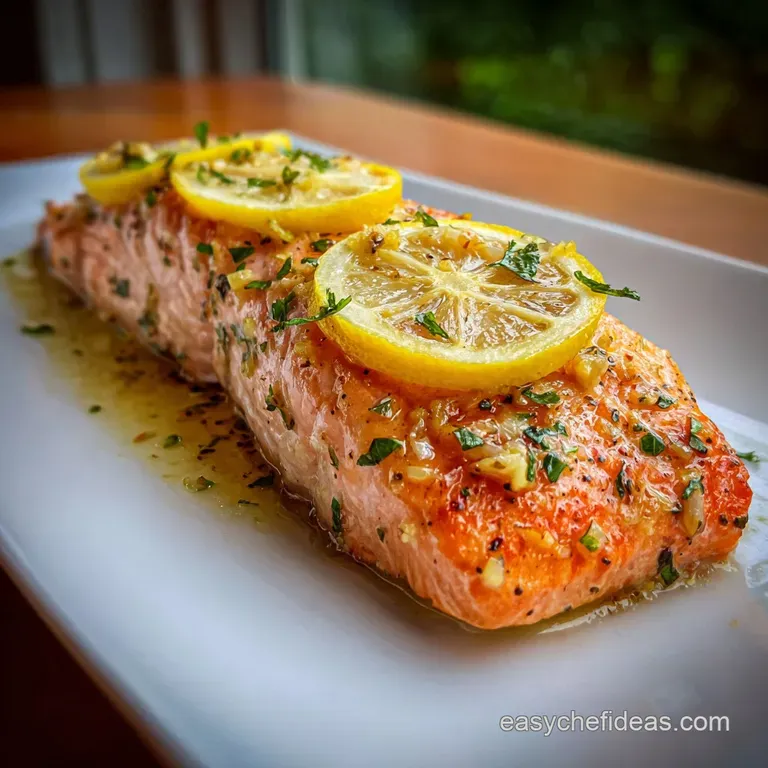
Having the right gear makes the process seamless. I usually reach for a heavy rimmed baking sheet (like those from Nordic Ware) because it distributes heat evenly and prevents any oil from dripping into the bottom of the oven.
A piece of parchment paper or a silicone baking mat is a lifesaver for cleanup, as salmon skin tends to stick when the fats render out.
You'll also need a small glass bowl to whisk your "liquid gold" that mixture of olive oil, melted butter, and lemon. A microplane is the best tool for getting that fine lemon zest without the bitter white pith.
If you want to be precise, a digital meat thermometer is the only way to guarantee you never serve a dry fillet again.
Chef's Tip: Freeze your lemon for 5 minutes before zesting. It firms up the skin, making it much easier to grate without squishing the fruit.
The Aromatic Path to Flaky Fillets
1. Temper and Prep
Remove the 4 salmon fillets (6 oz each) from the fridge 15 minutes before cooking. Note: This ensures the center isn't ice cold when the outside starts to bake. Pat the skin and flesh completely dry with a paper towel.
2. The Infusion Glaze
In a small bowl, whisk together 2 tbsp extra virgin olive oil, 1 tbsp melted grass fed butter, 3 minced garlic cloves, the zest and juice of 1 large lemon, and 1 tsp dried oregano. Note: Whisk until the oil and juice are temporarily emulsified.
3. Season the Base
Place the fillets on a parchment lined tray. Sprinkle 0.5 tsp kosher salt and 0.25 tsp black pepper evenly over the fish. Note: Salt needs a moment to penetrate the surface.
4. Apply the Aromatics
Spoon the lemon garlic mixture over each fillet, ensuring the garlic bits are spread out. Note: Do not let the garlic clump or it may burn.
5. over High heat Roasting
Slide the tray into the oven preheated to 400°F. Bake for 12-15 minutes until the fish flakes easily and the aroma of roasted garlic is prominent.
6. Rest and Brighten
Remove from the oven and let the fish sit for 3 minutes. Note: Carryover cooking will finish the center perfectly. Sprinkle with 1 tbsp fresh parsley before serving.
Avoiding Dry or Rubbery Salmon
The biggest hurdle with fish is the "white goop" known as albumin. It’s actually just protein that squeezed out because the muscle fibers contracted too tightly usually from overcooking. If you see a little, don't panic, but if the fillet is covered in it, your heat was likely too high for too long.
Prevent Albumin Leakage
To minimize this, try brining the salmon in a basic salt water solution for 10 minutes before baking. This partially dissolves the muscle fibers so they don't contract as violently when they hit the 400 degree air.
| Problem | Root Cause | Solution |
|---|---|---|
| Dry Texture | Internal temp exceeded 150°F | Pull fish at 140°F and rest |
| Bitter Taste | Burnt garlic or lemon pith | Add garlic halfway through or mince larger |
| Soggy Skin | Excess moisture on raw fish | Pat dry with paper towels twice |
Common Mistakes Checklist
- ✓ Never put cold fish directly into a hot oven (it cooks unevenly).
- ✓ Avoid using bottled lemon juice; the preservatives alter the delicate flavor.
- ✓ Don't skip the resting period; the juices need time to redistribute.
- ✓ Use a thermometer rather than "eyeballing" the doneness.
- ✓ Ensure the oven is fully preheated for at least 15 minutes before the tray goes in.
Cultural Twists for Flavor Diversity
This recipe is a canvas. In my house, we often lean into the Mediterranean profile by adding a few kalamata olives and cherry tomatoes to the sheet pan. They blister at 400 degrees, creating a built in sauce that nourishes the soul and the body. If you want to try a different texture, my How to Make Salmon recipe uses a searing technique that is just as vibrant.
Mediterranean Flavor Profile
Add 1 tbsp of capers and a handful of halved cherry tomatoes to the pan. The brine of the capers reacts beautifully with the lemon at 400 with Lemon and Garlic.
dairy-free Paleo Version
Replace the grass fed butter with an equal amount of ghee or simply add an extra tablespoon of extra virgin olive oil. The result is still incredibly rich and satisfying.
| If you want... | Do this... |
|---|---|
| Crispy Topping | Add 2 tbsp of almond flour to the herb mix |
| Spicy Kick | Stir in 0.5 tsp of red pepper flakes |
| Extra Umami | Add 1 tsp of nutritional yeast to the glaze |
Guidelines for Freshness and Storage
If you find yourself with leftovers, you’re in luck. Roasted salmon is fantastic cold over a bed of greens the next day. Keep it in an airtight container in the fridge for up to 3 days. I don't recommend reheating it in the microwave, as that's a one way ticket to Rubbertown.
Instead, flake it into a warm pan with a splash of water or more lemon juice just to take the chill off.
For long term storage, you can freeze the cooked fillets for up to 2 months. Wrap them tightly in plastic wrap and then foil. To use, thaw in the fridge overnight. The texture will be slightly softer, making it perfect for something like a The Golden Flake recipe adaptation where the fish is flaked and reformed.
Zero waste tip: Don't toss those squeezed lemon halves! Put them on the baking sheet alongside the fish. The heat caramelizes the remaining juice, and you can squeeze that concentrated, smoky liquid over the salmon right before eating.
Plating for a Community Feast
Salmon always looks best when it’s colorful. Serve it on a large platter with the roasted lemon slices tucked between the fillets. The contrast of the pink fish against the bright green parsley and yellow lemon is stunning. It’s the kind of meal that invites people to dig in and share stories.
Retain Velvety Texture
Always slice against the grain if you are portioning a large side of salmon. For individual fillets, leave them whole to maintain that beautiful, flaky structure.
Heart Healthy Fish
The fats in this dish are good for you. Salmon is packed with Omega-3s, and when paired with extra virgin olive oil, it becomes a powerhouse of nutrition that supports heart health and brain function.
There is a common misconception that you must rinse fish before cooking. This is a myth that actually spreads bacteria around your sink. A simple pat dry with a paper towel is all you need for a clean, safe, and crispy result.
Searing at the start is also not required to "seal in" juices; as we've seen, the over high heat bake handles that beautifully on its own. Enjoy the process and the incredible aroma that follows!

Recipe FAQs
How long should you cook salmon in the oven at 400 degrees?
12-15 minutes. This timeframe is generally sufficient for 1 inch thick fillets at 400°F, but always check for doneness with a fork or thermometer.
What temperature to bake lemon garlic salmon?
Bake at 400°F. This high heat is crucial for achieving a flaky texture and preventing the salmon from becoming dry, much like the technique used in our Flaky Baked Cod recipe.
Should you put lemon juice on salmon before or after cooking?
Before and after. Applying lemon juice before helps tenderize and flavor the fish, while a squeeze of fresh juice after cooking brightens the overall taste.
Can you put lemon in the oven with salmon?
Yes, absolutely. Slicing lemon and placing it directly on or around the salmon during baking infuses it with citrusy notes and creates a beautiful aroma as it roasts.
How do I avoid dry salmon when baking at 400 degrees?
Don't overcook it and let it rest. Pull the salmon when it reaches an internal temperature of 140-145°F and allow it to rest for 3-5 minutes; this is a key part of mastering temperature precision, similar to how it's applied in our Cod Fish: Perfectly Seared with Zesty Brown Butter Sauce recipe.
Why is my salmon releasing white stuff when baking?
This is called albumin, and it's a sign of overcooking. As salmon cooks, proteins contract and squeeze out albumin. To minimize this, avoid high heat for too long and ensure the fish is not overdone.
Is it safe to eat salmon that was cooked at 400 degrees Fahrenheit?
Yes, it is safe and recommended. Baking salmon at 400°F cooks it quickly, helping to keep the interior moist and flaky while ensuring it's cooked through to a safe internal temperature of 145°F.
Baked Salmon 400 Lemon
Ingredients:
Instructions:
Nutrition Facts:
| Calories | 442 kcal |
|---|---|
| Protein | 35.2 g |
| Fat | 32.1 g |
| Carbs | 1.8 g |
| Fiber | 0.3 g |
| Sugar | 0.4 g |
| Sodium | 415 mg |
