Flaky Swiss Gipfeli Recipe for Home Baking

- Time: 45 min active + 4 hours resting/proofing
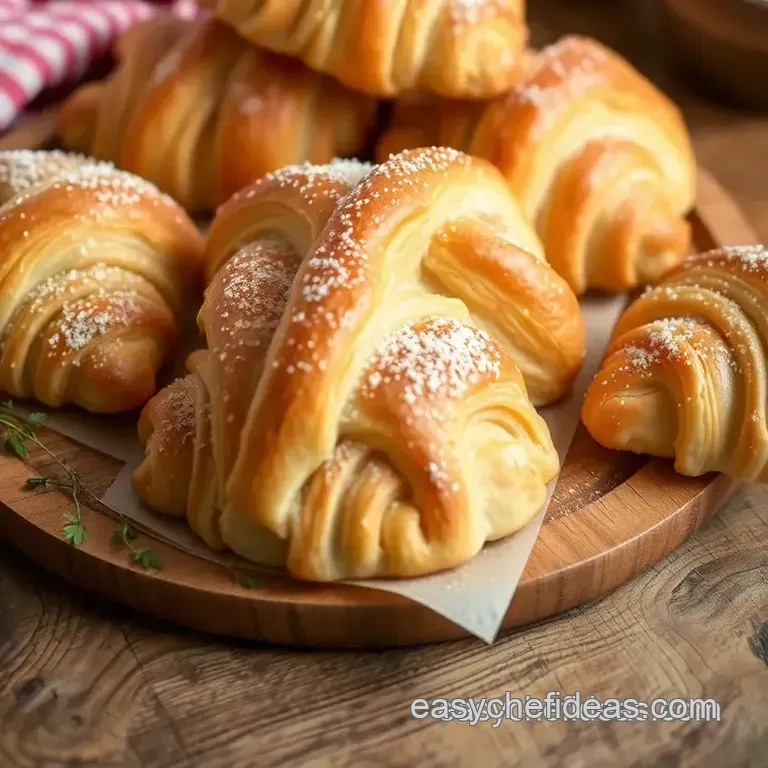
- Flavor/Texture Hook: Shattering mahogany crust with a cloud like center
- Perfect for: Weekend brunch or a slow Sunday morning
The scent of browned butter hits you before you even open the oven. I remember my first try at these; I was so worried about the butter melting that I practically worked in a walk in freezer. Once I realized that the butter just needs to be pliable, not frozen solid, everything clicked.
You get that distinct, shatter crisp exterior and a center that feels almost like a cloud. This Swiss Gipfeli Recipe for Home Baking isn't about professional speed, but about a few key movements that build those gorgeous layers.
You'll spend about 45 minutes of actual work, and the rest is just letting the dough do its thing.
Right then, let's get into it. We're aiming for a pastry that tastes like it came from a cobblestone street in Zurich, but made in your own kitchen with things you probably already have in the pantry.
Swiss Gipfeli Recipe for Home Baking
Cold Butter: Keeping the butter solid creates tiny steam pockets during baking, which pushes the dough layers apart.
Gluten Rest: That one hour in the fridge stops the dough from snapping back, making it easier to roll into thin sheets.
Egg Wash: The protein in the egg browns quickly in the heat, giving you that deep mahogany color.
| Method | Prep Time | Texture | Best For |
|---|---|---|---|
| Fast (Canned) | 10 mins | Bready | Quick weekday breakfast |
| Classic (This) | 5 hours | Shattering | Special brunch guests |
The real magic happens during the folding. If you rush it or the kitchen is too hot, the butter blends into the dough instead of staying in layers, and you end up with a roll instead of a pastry.
Gear for the Kitchen
No professional equipment is required, only a few essentials. A rolling pin is ideal, although a smooth wine bottle works just as well. I recommend a digital scale, as 375g of flour is much more precise than "3 cups," which can change based on your scooping method.
Parchment paper is an absolute lifesaver here. Use it to shape the butter block to avoid leaving a greasy mess on your counter. If you have a stand mixer, it will save your arms during the first knead, though mixing by hand is perfectly fine if you have the energy.
The Pantry List
For the dough, we use all purpose flour for a balanced structure. If you want a slightly chewier bite, you could use bread flour, but AP keeps it light. The warm milk wakes up the yeast, and the softened butter inside the dough adds a rich, tender crumb.
Then there's the lamination butter. This needs to be unsalted so you can control the flavor. I prefer a European style butter with higher fat content, as it's more plastic and less likely to crack when you roll it.
For the Dough
- 3 cups (375g) All purpose flour Why this? Provides a light, tender structure
- 1 cup (240ml) Warm milk Why this? Activates yeast and adds richness
- 2 tbsp (25g) Granulated sugar Why this? Feeds yeast and helps browning
- 1 tsp (6g) Salt Why this? Balances sweetness and strengthens gluten
- 2 ¼ tsp (7g) Active dry yeast Why this? Creates the airy rise
- 4 tbsp (56g) Unsalted butter, softened Why this? Keeps the interior soft
For the Lamination
- ¾ cup (170g) Unsalted butter, cold Why this? Essential for creating flaky layers
For the Glaze
- 1 large Egg, beaten Why this? Gives the mahogany shine
- 1 tbsp (15ml) Water Why this? Thins the egg for an even coat
| Original Ingredient | Substitute | Why It Works |
|---|---|---|
| All purpose flour | Bread flour | Higher protein. Note: Result is chewier, less tender |
| Warm milk | Warm soy milk | Similar fat/protein. Note: Slight nutty flavor |
| Unsalted butter | Salted butter | Still works. Note: Reduce added salt by ½ tsp |
Using high-quality butter is the one place where you shouldn't cut corners. If the butter is too watery, it'll leak out in the oven, leaving you with a greasy pan and a flat pastry.
Timing and Yield
This recipe makes 12 gipfeli. The active work is split between mixing the dough and the folding process.
- Prep time: 45 minutes
- Cook time: 20 minutes
- Total time: 5 hours 5 mins
- Yield: 12 pastries
Making the Gipfeli
Phase 1: Building the Base Dough
- Combine warm milk, sugar, and yeast in a bowl. Let it sit 10 mins until it becomes foamy.
- Stir in the flour and salt. Knead by hand or mixer 7 mins until the dough feels smooth and tacky.
- Gradually knead in the softened butter. Note: Keep kneading until no greasy streaks remain.
- Shape into a disk, wrap in plastic, and refrigerate 1 hour.
Phase 2: The Lamination Process
- Place cold butter between parchment sheets. Roll it into a 6 inch square.
- Roll chilled dough into a 10 inch square. Place the butter block in the center and fold the dough over, sealing edges tightly.
- Roll the dough into a long rectangle and fold into thirds. Rotate 90 degrees and repeat once more. Note: Chill for 20 mins if the dough feels soft.
Phase 3: Shaping and Baking
- Roll the dough into a large triangle. Cut into long, thin triangles.
- Roll each triangle from the base to the tip.
- Bake at 400°F (200°C) for 20 mins until golden and crackling.
Chef's Note: When rolling the triangles, don't press too hard. You want to keep those butter layers intact, or you'll lose the flake.
Fixing Common Issues
Butter Leaking on Pan
If you see puddles of fat under your pastries, the butter melted before the dough set. This usually happens if the dough gets too warm during the final rise. Keep your kitchen cool and make sure the oven is fully preheated to 400°F before the tray goes in.
Dense Interior
A heavy center usually means the lamination failed. This happens when the butter and dough merge into one mass instead of staying in separate sheets. If the dough feels warm while you're rolling, stop immediately and put it in the fridge for 30 mins.
Dough Tearing
Small rips in the dough can let butter escape. Use a light touch with the rolling pin and ensure your surface is lightly floured. If a tear happens, just pinch it shut quickly with your fingers before continuing.
Keeping Them Fresh
While best enjoyed warm, these can be stored in a closed container in the refrigerator for 3 days. To refresh them, heat them in a 350°F (175°C) oven for 5 mins.
For extended storage, flash freeze the raw, shaped crescents on a baking sheet before bagging them. They will last for 2 months. You can bake them directly from frozen; just increase the time by 3-5 mins.
To minimize waste, roll any remaining dough scraps into tiny cinnamon knots. Mix in a pinch of cinnamon and sugar, bake them, and enjoy a little reward for the chef.
Different Ways to Bake
If you want something more indulgent, try filling the center with a thin strip of dark chocolate before rolling. For a savory twist, fold in some finely diced Gruyère cheese. If you're feeling bold, you can serve these with a creamy Dijon sauce for a sophisticated appetizer.
Quick Decision Guide
- Extra crunch? → brush with extra egg wash.
- Slightly sweeter? → add 1 tbsp more sugar to dough.
- Smaller batch? → halve all ingredients, use a 3 inch butter square.
| Plating Style | Setup | Extra Touch |
|---|---|---|
| Simple | White ceramic plate | Side of jam |
| Polished | Wooden serving board | Dusting of powdered sugar |
| Restaurant | Lace doily & platter | Fresh raspberries & mint |
Whether you're doing a simple home breakfast or a full spread, the visual appeal comes from that golden shine. I love using a wooden board because it makes the mahogany crust pop in photos.
What to Serve
Typically, these are served with a bold coffee or a rich hot chocolate. Since they are so buttery, they balance well with tart flavors such as apricot jam or fresh berries.
If you're planning a full brunch spread, these provide a wonderful contrast to spicier dishes. Try pairing them with Breakfast Enchiladas to offer your guests a mix of savory and sweet options.
To be honest, a small pat of salted butter on a warm gipfeli is all I need. This allows the quality of the lamination and the toasted flavor of the dough to truly stand out.
Recipe FAQs
Can I use a different liquid for the dough?
Yes, but it may change the rise. If you liked the light texture here, see how we achieve a similar airy crumb in our kefir sheet cake.
How to stop the butter from melting while rolling?
Chill the dough and butter frequently. Return the pastry to the refrigerator if it feels soft to ensure the butter remains a solid block for distinct layers.
Is it true that a professional dough sheeter is required for flaky layers?
Not true. A simple rolling pin and parchment paper allow you to create the necessary butter dough layers at home.
Why are my rolls bready rather than shattering?
The butter likely melted into the dough. This happens if the ingredients aren't cold enough, preventing the steam pockets that create those signature airy layers.
Which method is best for freezing unbaked gipfeli?
Shape the dough first. Freeze the shaped gipfeli on a baking sheet, then move them to a bag for up to 2 weeks.
Does making the dough a day early help?
Yes, this helps significantly. Allowing the dough to relax in the fridge overnight makes it much easier to roll without it snapping back.
Bake Swiss Gipfeli Flaky Croissants At Home