Chefs Authentic Goan Fish Curry Tangy Tamarind Coconut Delight
- Unveiling Xitti Kodi: The Sun-Kissed Soul of Konkan Cuisine
- Why This Goan Fish Curry Rivals Any Restaurant Classic
- Assembling Your Vibrant Goan Fish Curry Pantry
- Selecting the Perfect Seafood for Maximum Flavor Absorption
- Mastering the Masala: Creating the Flavor Foundation
- Simmering to Perfection: Cooking Your Goan Fish Curry
- Serving Suggestions: Elevating Your Seafood Experience
- Troubleshooting and Storage Secrets for Leftovers
- Recipe FAQs
- 📝 Recipe Card
Unveiling Xitti Kodi: The Sun-Kissed Soul of Konkan Cuisine
Goan Fish Curry, lovingly known in Konkani as Xitti Kodi , is far more than just another seafood preparation; it is the culinary heart of Goa, echoing the sunshine, the coastline, and the gentle monsoon breezes.
This vibrant, slightly fiery, and beautifully creamy dish stands apart from heavier Northern Indian curries because of its unique foundation built on fresh coconut and the exhilarating punch of tamarind.
When you master this Goan Fish Curry , you unlock a flavour profile that is instantly recognizable bright red, deeply aromatic, and intensely satisfying. It’s the ultimate Seafood Curry Recipe that transports you straight to the Arabian Sea.
Why This Goan Fish Curry Rivals Any Restaurant Classic
Achieving that spectacular depth of flavour in a Fish Curry Recipe comes down to respecting the foundational elements: the fresh grind and the precise balance of acidity.
Many home attempts fall flat because they rely on pre-ground powders, but the true essence of this dish lies in the freshly prepared ingredients.
A Culinary Journey to Goa's Coastline
The coastal influence is undeniable in this dish. Unlike curries that rely solely on cream or yogurt for richness, the Goan Fish Curry with Coconut Milk uses freshly grated coconut, which lends a subtle sweetness and an unctuous texture that standard canned milk struggles to replicate.
Coupled with a careful selection of local chillies, this creates a gravy that is rich without being heavy.
The Magic of Tamarind and Fresh Grinding
The defining characteristic of this particular preparation is the sourness a bright, clean tanginess that cuts through the richness of the coconut. This signature sour note is derived from real tamarind pulp, not just vinegar or lime.
On top of that,, the essential aromatics coriander, cumin, fenugreek, garlic, and ginger are toasted lightly and ground fresh, ensuring their volatile oils are captured perfectly within the final Goan Fish Curry Masala .
What Makes This Hooman Truly Authentic
To call this an Authentic Goan Fish Curry , we must adhere to a few non-negotiables. First, the use of coconut oil is crucial for its distinct aroma. Second, the slow sautéing of the freshly ground paste is mandatory; this step, often called 'blooming' the masala, unlocks the chillies’ colour and mellows the raw spice notes.
Finally, the fish must be added late in the process to ensure it remains tender and flaky, not disintegrated into the sauce.
Assembling Your Vibrant Goan Fish Curry Pantry
This Goan Fish Curry Recipe requires a few key components that must be sourced thoughtfully. For the fish itself, opt for firm, white fleshed varieties like Kingfish, Halibut, or Cod. These chunks hold up beautifully to the simmering process without turning mushy.
The marinade is simple but vital: a quick toss with turmeric powder, salt, and fresh lime juice allows the fish to begin absorbing flavour while you prepare the complex paste.
Selecting the Perfect Seafood for Maximum Flavor Absorption
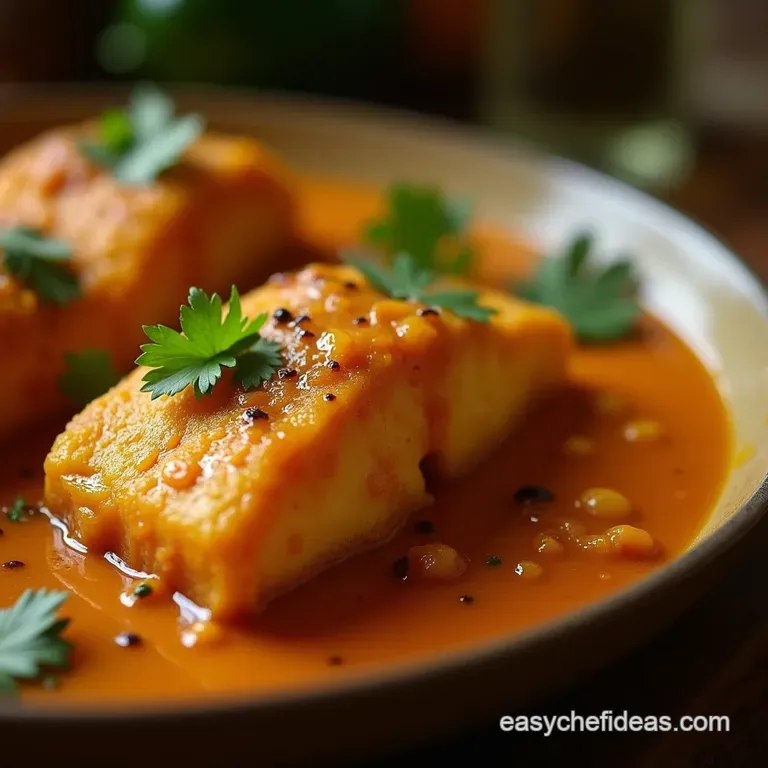
We are looking for about 1.5 lbs of firm fish, cut into manageable 2 inch chunks. When you select your seafood, ensure it is very fresh. A quick 15-minute marinade allows the turmeric to impart a subtle earthy undertone and the lime juice to begin tenderizing the surface proteins slightly before they meet the hot gravy.
The Essential Spice Blend: Grinding for Glory
The soul of the Goan Fish Curry Masala lies in the combination of whole spices. You’ll need coriander seeds, cumin seeds, and a scant quarter teaspoon of fenugreek seeds the fenugreek is potent, so use it sparingly to add depth, not bitterness.
These, alongside garlic cloves, a knob of ginger, a small red onion, and crucially, 8 to 10 dried Kashmiri Chillies, form the vibrant paste. Kashmiri chillies are prized here not just for their gentle heat but for imparting that signature, electric red hue without overwhelming the palate.
Acidity & Brightness: Sourcing the Right Tamarind
The sour component, essential for this Tangy Fish Curry , comes from tamarind pulp. A small, concentrated piece, soaked in hot water, squeezed vigorously, and strained, yields a rich, complex liquid.
This sourness is balanced perfectly by the natural sweetness of the grated coconut and, optionally, a hint of jaggery or brown sugar to achieve that sought after sweet sour equilibrium typical of Goan cooking.
Essential Tools for an Impeccable Masala Paste
While a traditional stone grinder ( sil batta ) would be ideal, a high speed blender or a robust food processor is essential for achieving the necessary silkiness in the spice mixture. The paste needs to be as smooth as possible; any graininess will affect the final texture of the gravy.
If your blender struggles, soak the dried chillies for an extra 10 minutes and blend in small batches, adding just enough water to keep the blades moving.
Related Recipes Worth Trying
- Regal Shahi Paneer Recipe Foolproof Creamy Cottage Cheese Curry — Master this luxurious Shahi Paneer recipe featuring a velvety cashew paneer gravy Get restaurantquality texture using our simple straining trick Perfect for...
- Easy Mediterranean Baked Fish with Tomatoes and Olives — This easy Mediterranean baked fish recipe uses one sheet pan for minimal washing up Expect moist flaky fish swimming in bright tomatoes and capers Perfect...
- Easy Mediterranean Baked Fish with Lemon Olives — Looking for healthy Mediterranean fish dinner ideas This Baked Fish with Tomatoes and Olives is simple healthy and ready in 40 minutes Perfect for a weeknight
Mastering the Masala: Creating the Flavor Foundation
Once your spice paste is ready, the next critical step involves creating the flavour foundation in your cooking vessel, which should ideally be a heavy bottomed saucepan to distribute heat evenly. Start by slowly caramelizing a finely sliced large onion in coconut oil until it achieves a light golden hue.
This sweet base layer is vital. Then, introduce your freshly ground masala paste. This must be cooked or 'bloomed' gently over medium low heat for about five to seven minutes, stirring constantly.
You will know it’s ready when the raw, sharp smell of the spices has cooked off, and you can see the oil beginning to separate slightly around the edges of the paste. This crucial step deepens the colour and complexity of the resulting Goan Fish Curry .
Simmering to Perfection: Cooking Your Goan Fish Curry
With the flavour base established, the remainder of the process focuses on building the sauce volume and gently cooking the fish. This stage requires patience and a light touch.
step-by-step: Toasting and Grinding the Dried Spices
Before you even think about adding liquid, ensure all those dry components coriander, cumin, fenugreek, and chillies have been properly awakened. Lightly toasting them in a dry pan for 30 seconds until fragrant elevates their flavour before they are blended with the fresh coconut, garlic, and ginger into the signature paste.
This ensures maximum aromatic impact in the final sauce.
Tempering the Curry Base: Building Layers of Taste
After blooming the masala paste with the onions, it’s time to introduce the liquids. First, incorporate the strained tamarind liquid the primary source of our exhilarating tang followed by water to achieve the desired gravy consistency.
A small addition of jaggery or brown sugar is recommended here to round out the tartness. Bring this mixture to a gentle simmer, allowing it to bubble softly for about ten minutes. This resting period lets the coconut milk disperse fully and the spices marry into a cohesive, fragrant liquid.
The Final Plunge: Adding Fish and Achieving the Right Consistency
Once the gravy is simmering beautifully, gently slide the marinated fish pieces into the liquid. This is where a gentle hand is required; avoid vigorous stirring, as this will break up the delicate flesh. Instead, gently swirl the entire saucepan to ensure all the fish is submerged in the hot liquid.
Allow it to cook for just five to seven minutes until the fish turns opaque and flakes easily. If the sauce reduces too much, add a splash of hot water. For an extra layer of traditional flavour, a final, quick Black Mustard Seeds Curry style tempering of curry leaves dropped into hot coconut oil and poured over the top right before serving seals the deal.
Serving Suggestions: Elevating Your Seafood Experience
This dazzling Goan Fish Curry demands the right accompaniment to soak up every last drop of that vibrant gravy.
The Best Accompaniments for Your Tangy Curry
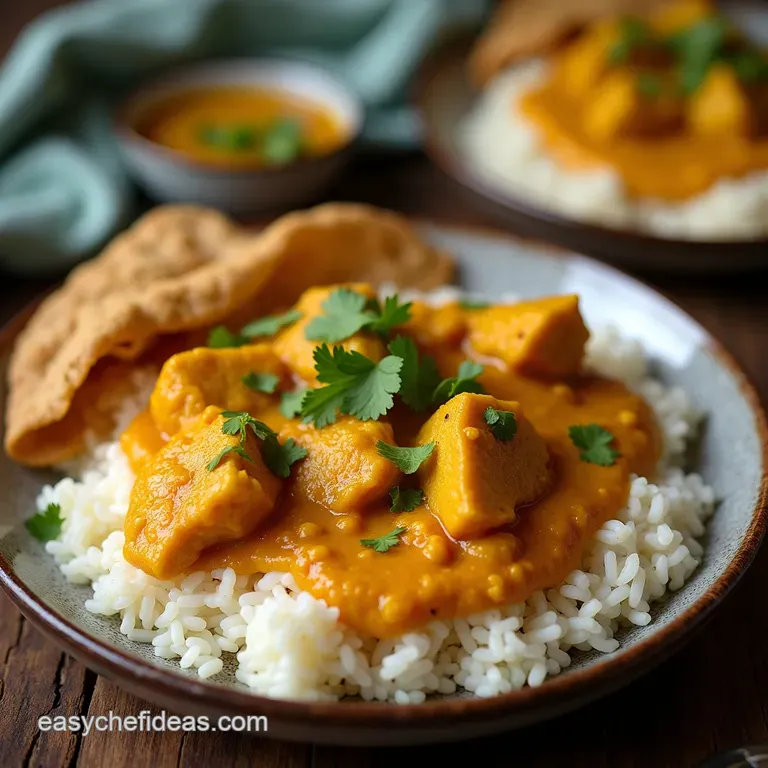
The absolute best pairing is steamed rice specifically, fluffy Basmati rice or, if you are feeling adventurous, the traditional Goan Sanna (a spongy steamed rice cake). Alternatively, simple, unleavened flatbreads like soft roti or plain naan are excellent for scooping.
A side of fresh, crisp salad or some pickled onions provides a wonderful textural contrast to the richness of the curry.
Troubleshooting and Storage Secrets for Leftovers
Even the most perfect dish can sometimes benefit from a little fine tuning, and leftovers are always welcome when dealing with a sensational Goan Fish Curry Recipe .
Tips for Adjusting Heat and Sourness Levels
If, after tasting, your curry leans too heavily on the sour side, counteract it with a pinch more sugar or a tablespoon of canned coconut milk, which adds a creamy buffer. If you crave more heat, never add raw chilli powder at the end, as it tastes dusty; instead, fry a few extra dried chillies in a teaspoon of oil and stir this infused oil into the pot.
How Long Can This Beautiful Goan Fish Curry Last?
Thanks to the acidity from the tamarind, this curry keeps remarkably well. Stored correctly in an airtight container in the refrigerator, your leftover Goan Fish Curry will maintain excellent flavour for up to three days. The flavour often deepens overnight!
For longer storage, it freezes beautifully for up to a month, though try to freeze the gravy and fish separately if possible to maintain the fish's texture upon reheating.

Recipe FAQs
What sort of fish should I use for an authentic Goan Fish Curry?
For that proper, authentic Goan flavour, firm white fish is the name of the game! Kingfish (Surmai) is traditional, but Cod or Halibut are brilliant, sturdy substitutes that hold up well to simmering. Just ensure your chunks are about two inches thick so they don't disintegrate on you.
My Goan Fish Curry looks a bit pale; how do I get that vibrant red colour?
That gorgeous, fiery hue comes from Kashmiri chillies, which are brilliant for colour but milder on the heat scale. If you can’t find them, use a mix of mild red chillies and a good teaspoon of sweet paprika in your spice paste.
Don't forget to 'bloom' the masala properly; frying the ground paste until the oil separates deepens the colour beautifully.
Can I make the spice paste for this Goan Fish Curry ahead of time?
Absolutely! Making the spice paste (masala) in advance is a cracking idea, especially since it takes a bit of elbow grease. You can blend it a day ahead and store it in an airtight container in the fridge.
Just remember to let it come up to room temperature slightly before frying it, as chilling can make it harder to blend smoothly into the oil.
This curry tastes too sour! How do I fix the tanginess?
That bright tang comes from the tamarind, which can sometimes be a bit punchy! If it’s too sharp, the secret ingredient is a tiny bit of sweetness add a small amount of Jaggery or brown sugar, just enough to balance the acid.
Taste and adjust before adding the delicate fish, as boiling the fish too much after adjusting can sometimes dull the flavour.
How long will leftover Goan Fish Curry keep, and what should I serve it with?
It keeps brilliantly! Leftovers are often even better the next day once the spices have had a proper chance to mingle; store it in an airtight container for up to three days in the fridge.
It is best served with steaming hot Basmati rice or, if you want to go truly traditional, some fluffy Goan Sanna rice to soak up every last drop of that sauce.
Authentic Tangy Goan Fish Curry

Ingredients:
Instructions:
Nutrition Facts:
| Calories | 4054 kcal |
|---|---|
| Protein | 29.5 g |
| Fat | 108.8 g |
| Carbs | 142.3 g |
| Fiber | 38.3 g |
| Sodium | 746 mg |
