The Proper Pot Rich Authentic Shrimp Creole Served over Steamed Rice
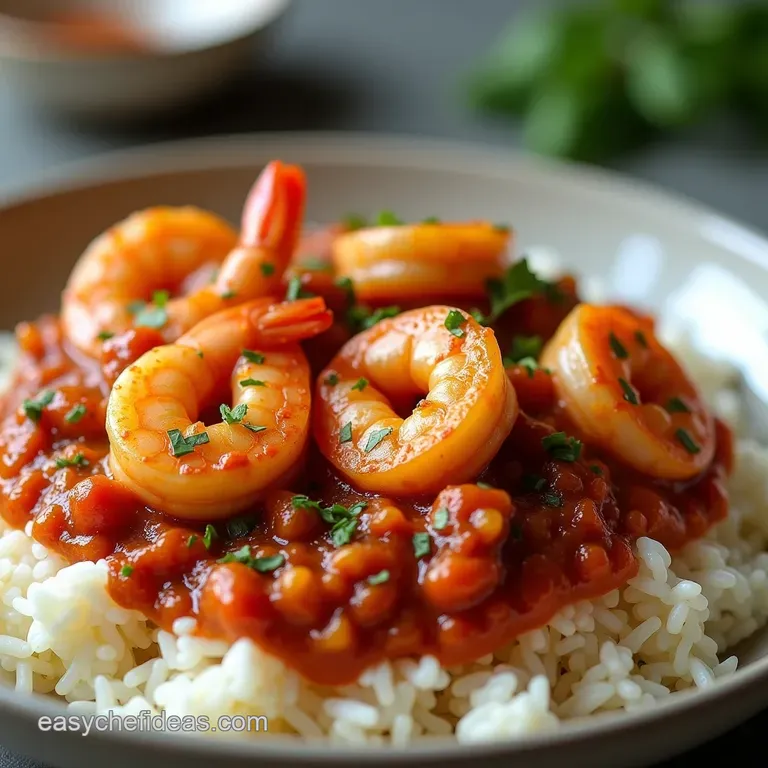
- Unlocking the Essence: Why This Shrimp Creole Recipe Stands Apart
- A Culinary Snapshot: Defining True Creole Flavour Profile
- Assembling Your Arsenal: The Components for Stellar Shrimp Creole
- The Slow Burn Method: Mastering the Simmer for Maximum Depth
- Step-by-Step Mastery: Crafting the Perfect Creole Sauce
- Elevating Your Dish: Tips for Advanced Creole Explorers
- Storage and Reheating: Preserving That Fresh-Made Zing
- Recipe FAQs
- 📝 Recipe Card
Unlocking the Essence: Why This Shrimp Creole Recipe Stands Apart
When the topic turns to classic Louisiana cooking, few dishes command the respect and adoration quite like Shrimp Creole . This isn't just a simple tomato stew; it’s a deeply layered experience a vibrant tapestry woven from slow cooked vegetables, bright acidity, and perfectly tender seafood.
Many recipes rush the process, resulting in a thin, one-dimensional sauce. Our approach to this authentic Shrimp Creole recipe demands patience, honoring the technique that turns humble ingredients into something truly spectacular.
We aim for that rich, velvety texture and profound savoury depth that transports you straight to the heart of New Orleans. If you’re searching for the definitive Shrimp Creole experience at home, you’ve found your guide.
A Culinary Snapshot: Defining True Creole Flavour Profile
At its core, Shrimp Creole is defined by its tomato base, elevated by the meticulous preparation of foundational aromatics. Unlike some heartier, spicier stews, Creole cooking emphasizes balancing acidity with slow building richness. The goal is bright flavour married to substantial body.
This dish relies heavily on high-quality canned tomatoes and a careful seasoning blend that whispers of the bayou without overwhelming the delicate flavour of the shrimp. Understanding this balance is the first step toward mastering the dish.
Beyond the Basics: What Makes This Creole Different?
Where many home cooks rely solely on canned spices, our method incorporates a light thickening technique early on, which helps the final Shrimp Creole sauce cling perfectly to the rice.
While some variations lean heavily on smoked meats or robust roux, this traditional preparation focuses on coaxing the natural sweetness out of the vegetables. We aim for a concentration of flavour, building complexity through slow simmering rather than relying on heavy fats or extensive pre-cooking.
For those seeking versatility, know that this foundation is also excellent when adapted to include seasonal additions, such as shrimp creole with okra .
Setting the Scene: From Louisiana Porch to Your Kitchen
To truly appreciate this dish, envision the setting: long, slow afternoons where the aromas of simmering herbs mingle with the humid air. Preparing this dish is an act of connection to that heritage.
It's a medium difficulty undertaking, not because the steps are technically challenging, but because they require commitment about 25 minutes of dedicated prep work followed by an hour dedicated to coaxing flavour.
This patience yields a reward far superior to any quick fix imitation; it results in the Shrimp Creole your guests will remember.
The Trinity Foundation: Building Deep, Savoury Layers
The undisputed starting point for nearly all great Louisiana cooking is the Holy Trinity: onions, celery, and green bell pepper. For this recipe, we require these three to be finely diced.
When sautéed gently in butter, they break down, releasing sweet moisture that forms the irreplaceable shrimp creole base . We don't want browning here; we want them softened, translucent, and nearly melting.
This foundational step is non-negotiable for achieving that signature depth in the final Shrimp Creole sauce .
Assembling Your Arsenal: The Components for Stellar Shrimp Creole
Crafting a memorable meal means sourcing the right components. Our ingredient breakdown ensures you have everything necessary before you even turn on the stove. We’re looking at robust canned tomatoes, high-quality stock, and, of course, magnificent shrimp.
Sourcing Secrets: Selecting Premium Seafood and Produce
When selecting your seafood for this Shrimp Creole recipe , look for large shrimp, ideally in the 26/30 count range. Whether you purchase them fresh or frozen, ensuring they are properly peeled and deveined saves time, but the quality must be high, as the shrimp is the star.
For the vegetables, fresh onions, celery, and bell peppers are paramount; avoid pre-cut mirepoix, as it rarely has the necessary structural integrity for the long sauté required.
Essential Pantry Stock: Spices, Liquids, and Thickeners
The magic happens with the supporting cast. We rely on quality canned diced tomatoes and tomato sauce to provide body and acidity. For liquids, a low-sodium chicken or seafood stock is crucial to control the final salt level.
Spices are simple but potent: dried thyme, oregano, a bay leaf, and cayenne pepper for that classic New Orleans warmth. Finally, two tablespoons of all-purpose flour will be used not to make a heavy roux, but to create a light binder (a singer ) that helps the finished sauce adhere beautifully to the rice a key element in making this a truly Shrimp Creole recipe easy to manage without losing authenticity.
The Essential Gear: Tools Needed for Perfect Simmering
A heavy bottomed Dutch oven or a deep, quality skillet is your best friend here. Even heat distribution is vital, particularly during the initial sauté and the long simmer, preventing scorching on the bottom while the top bubbles gently.
You’ll also need a sharp knife for precise dicing of the Trinity, and a sturdy wooden spoon or spatula for consistent stirring throughout the process.
Shrimp Prep Matters: Cleaning and Sizing for Texture
Take the time to pat your prepared shrimp thoroughly dry before they meet the sauce. Excess moisture will cause the shrimp to steam rather than sear slightly when they are introduced later, leading to a less desirable texture.
Lightly seasoning them before they go into the pot ensures they are seasoned throughout, not just coated by the sauce.
Related Recipes Worth Trying
- Irresistible Honey Garlic Shrimp Bowls Takeout Fakeout — Ditch the takeaway These Irresistible Honey Garlic Shrimp Bowls are quick easy bursting with flavour Your new goto easy shrimp dinner Get the recipe now
- Easy Grilled Shrimp Bowl Recipe Sunshine Zesty Avocado — This Easy Grilled Shrimp Bowl Recipe is summer in a bowl Juicy shrimp zesty avocado sauce make it the perfect healthy quick meal Get the recipe now
- Tasty Garlic Shrimp Bowl Recipe Easy Takeout Fakeout — Skip the takeaway This Garlic Shrimp Bowl Recipe Tasty is ready in 35 mins Garlic butter shrimp rice and veggies Healthy easy and ohsogood Get the recipe
The Slow Burn Method: Mastering the Simmer for Maximum Depth

The real difference between a good Creole dish and a great one lies in the simmering time. Once the tomatoes and stock are introduced, the sauce needs time to meld. Forty minutes of gentle, low heat is necessary.
This process allows the raw edge of the tomato to cook off, concentrates the flavours of the herbs, and thickens the base naturally, resulting in a sauce that has true, lingering flavour.
This slow burn is what elevates this beyond a quick weeknight meal into a genuine taste of Shrimp Creole new orleans style.
step-by-step Mastery: Crafting the Perfect Creole Sauce
Now we move from theory to execution, blending our components meticulously. Remember, we are building layers, ensuring each ingredient contributes fully before the next is added.
Sautéing the Holy Trinity: Building the Flavor Base
In your heavy pot, melt the butter over medium heat. Introduce the finely diced onion, celery, and bell pepper. This crucial phase takes patience sauté for a full 10 to 12 minutes, stirring frequently, until the vegetables are completely soft and translucent.
This breakdown is the aromatic heart of the dish. Following this, stir in the minced fresh garlic and cook for just one minute until fragrant. Next, sprinkle in the flour, stirring constantly for two minutes to cook out any raw starch flavour.
Developing the Sauce: Tomato Integration and Seasoning Adjustments
Introduce the canned diced tomatoes (do not drain them), the tomato sauce, and the cup of stock. Stir vigorously to ensure the flour mixture is fully incorporated. Add the bay leaf, dried thyme, oregano, cayenne pepper (start with a quarter teaspoon), salt, and black pepper.
Bring the mixture up to a gentle bubble, then immediately reduce the heat to low. Cover partially and allow this sauce to simmer for 30 minutes, stirring every ten minutes to prevent sticking.
This period is essential for developing the richness characteristic of a proper shrimp creole base .
The Final Plunge: Introducing Shrimp Without Overcooking
Once the sauce has beautifully reduced and deepened in colour, remove and discard the bay leaf. Taste the sauce now and adjust salt or heat as needed. Increase the heat slightly to maintain a very gentle simmer. Add the seasoned, prepared shrimp to the sauce, stirring just enough to fully submerge them.
Shrimp cook incredibly fast. Allow them to simmer uncovered for only 3 to 5 minutes. They are done when they are opaque pink and curled into a gentle 'C' shape. Stop cooking immediately when this point is reached to maintain tenderness.
Serving Suggestion: The Ideal Bed for Your Homemade Shrimp Creole
The perfect accompaniment for this rich stew is simple, fluffy, long grain white rice. The rice acts as the necessary absorbent sponge for the vibrant sauce. Ladle a generous portion of the Shrimp Creole over a mound of rice, ensuring each serving gets plenty of succulent shrimp.
Garnish liberally with freshly chopped parsley for colour and brightness.
Elevating Your Dish: Tips for Advanced Creole Explorers
For those looking to push the boundaries of this classic, consider minor enhancements. A dash of good quality Worcestershire sauce added along with the tomatoes can deepen the umami notes.
On top of that,, if you find your sauce slightly lacking in depth after the main simmer, stirring in a teaspoon of quality hot sauce right at the very end can amplify the existing spice notes without fundamentally altering the Creole profile.
Storage and Reheating: Preserving That Fresh Made Zing
Leftovers are often even better the next day once the flavours have fully married overnight. Store cooled Shrimp Creole in an airtight container in the refrigerator for up to three days.
When reheating, do so gently over low heat on the stovetop, adding a splash of water or stock if it seems too thick. Freezing is possible, but the texture of the shrimp may degrade slightly upon thawing; the sauce alone freezes beautifully for up to three months.
Cajun vs. Creole Cooking: Understanding the Subtle Yet Important Separation
While often confused, Cajun and Creole cooking have distinct differences. Creole cuisine, originating in the city of New Orleans, tends to incorporate more tomatoes and refined techniques (like the lighter binding flour we used here).
Cajun cooking, rooted in the rural bayous, often avoids tomatoes entirely and typically relies on a darker roux for thickening. Understanding this separation helps you appreciate why this Shrimp Creole features that bright tomato element.
Ingredient Swaps: Handling Seafood Allergies or Preferences
If you need to avoid shellfish, this recipe adapts brilliantly. Substitute the shrimp with 1.5 lbs of firm white fish (cod, snapper, or catfish), adding them about 5 minutes before the cooking time would normally finish.
Alternatively, substitute with sliced, firm smoked andouille sausage (though this pushes the flavour profile slightly more Cajun).
Making Ahead: Can the Sauce Be Prepared Days in Advance?
Absolutely. The sauce component everything up to the point of adding the shrimp can be made 1-2 days ahead of time. In fact, making the shrimp creole sauce ahead allows the flavours to deepen even further.
Simply cool, refrigerate, and when ready to serve, reheat the sauce gently and then proceed with adding and cooking the fresh shrimp for the final 5 minutes.
Nutritional Snapshot: Breaking Down the Components
Focusing on the rich profile, this dish provides an excellent source of lean protein from the shrimp. The base, comprised of vegetables and tomatoes, contributes significant vitamins and antioxidants.
While satisfying, the nutritional value is highly dependent on whether you choose to serve it over white rice or a lower carb alternative.
Recipe FAQs
What is the key difference between Shrimp Creole and Shrimp Etouffee? I always get them mixed up!
That’s a cracking question, as they are both famous Louisiana dishes! The main difference is the base: Shrimp Creole is tomato centric, relying heavily on a rich, slow simmered tomato sauce.
Etouffee, on the other hand, is typically lighter in colour and flavour, thickened primarily with a blonde roux and seafood stock, with less emphasis on the tomatoes.
I’m worried about overcooking the shrimp; how long should they really simmer in the sauce?
You've hit on the make-or-break point for any great shrimp dish! Shrimp cook incredibly fast, especially when dropped into simmering liquid. Generally, once added to the sauce, they only need 3 to 5 minutes until they curl into a 'C' shape and turn opaque pink. Any longer, and they’ll be as tough as old boots!
Can I make the sauce for this Shrimp Creole ahead of time to save time later?
Absolutely, that’s a brilliant idea for entertaining! The sauce component of this Shrimp Creole benefits immensely from being made a day ahead, allowing the flavours of the trinity and spices to really marry.
Simply prepare the sauce (Steps 1 through 4), let it cool, refrigerate it, and then gently reheat it before adding the fresh shrimp near serving time.
My sauce seems a bit thin after simmering; what’s the best way to thicken my Shrimp Creole without adding too much flour?
If your sauce is looking too watery after the 30-minute simmer, don't fret; it’s an easy fix. The best technique, without making a heavy roux, is to remove the lid and allow it to simmer rapidly for 5 to 10 minutes this will reduce the liquid naturally.
Alternatively, you can mix a teaspoon of cornstarch with a tablespoon of cold water (a slurry) and whisk it in until it thickens immediately.
I can’t find fresh parsley, can I substitute dried herbs for the garnish?
While dried herbs are used in the simmering process, for the garnish at the end, you really want fresh parsley it offers that essential bright, fresh lift that cuts through the rich tomato base.
If fresh parsley is completely unavailable, a sprinkle of fresh green onions (scallions) would be a decent stand-in, but avoid dried parsley as a garnish entirely.
Authentic Shrimp Creole

Ingredients:
Instructions:
Nutrition Facts:
| Calories | 1832 kcal |
|---|---|
| Protein | 23.7 g |
| Fat | 35.2 g |
| Carbs | 133.4 g |
| Fiber | 50.6 g |
| Sodium | 398 mg |
