Wok Star Chow Mein the Ultimate Panda Express Copycat Recipe
- Cracking the Code: The Authentic Panda Express Chow Mein Experience
- Building the Flavor Base: Essential Components and Tools
- Executing the Cook: Step-by-Step Wok Technique
- Pro Tips for Panda Express Chow Mein Success
- Beyond the Basics: Storage, Scaling, and Serving Suggestions
- Recipe FAQs
- 📝 Recipe Card
Cracking the Code: The Authentic Panda Express Chow Mein Experience
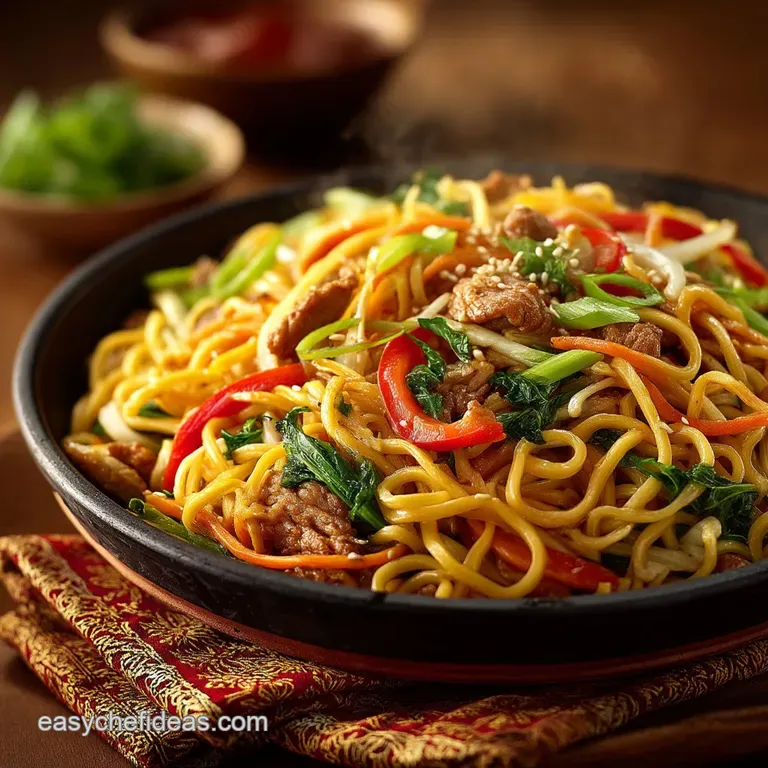
If there is one side dish that defines American Chinese cuisine, it is the unmistakable stir fried glory of the Panda Express Chow Mein. This isn't just a basic noodle dish; it’s a foundational element of the fast casual dining experience, known for its perfectly tender yet slightly chewy noodles, thinly sliced vegetables, and deep, savory coating.
While many traditional Cantonese versions rely on crispy noodles, the classic Panda Express Chow Mein Copycat focuses entirely on soft, thick egg noodles expertly coated in a simple yet robust umami blend.
We are unlocking the secrets to recreating this exact flavor profile right in your kitchen, requiring high heat and impeccable timing.
The 'Takeout Fakeout' Promise: Speed and Flavor
The genius of this specific Chow Mein Recipe lies in its efficiency. It is the ultimate "takeout fakeout," delivering restaurant quality flavor faster than you can manage delivery.
With just 10 minutes of preparation focused mostly on chopping vegetables and mixing the Panda Express Chow Mein Sauce —the actual cooking process only takes about 8 minutes.
This rapid turnaround is essential for preserving the freshness of the ingredients and achieving that classic comforting aroma and texture without resorting to excess oil or heavy preparation techniques. This quick cooking nature makes it ideal for a weeknight meal when you crave instant gratification.
Chow Mein vs. Lo Mein: Defining the Noodle Difference
When preparing Homemade Chow Mein , it’s essential to understand its identity, particularly when comparing it to its cousin, Lo Mein. The crucial difference lies in the preparation method.
Lo Mein (which translates roughly to "tossed noodles") uses soft, often thicker noodles that are briefly boiled and then tossed into a dish with a rich, glossy sauce. Chow Mein ("fried noodles"), however, demands a high heat stir fry where the noodles are quickly seared in the wok.
The sauce in this Panda Express Chow Mein style is lighter and thinner, designed to coat and caramelize onto the Asian Noodles rather than creating a thick gravy. This distinction dictates both the texture and the required cooking temperature.
Why High Heat is Your Best Friend in the Kitchen
Achieving the authentic Panda Express Chow Mein texture slightly crisp vegetables and perfectly pliable noodles is impossible without significant heat. We are aiming for a genuine stir fry, not a sauté or a simmer.
Using high heat accomplishes two critical goals: first, it rapidly seals the moisture in the vegetables (onions, celery, and cabbage) so they achieve a signature al dente crunch without becoming watery.
Second, high heat helps the sauce caramelize onto the noodles, preventing them from becoming soggy and lending the dish that crucial, smoky flavor known as wok hei . Anything less than smoking hot oil will result in steaming, yielding a mushy, subpar result.
Building the Flavor Base: Essential Components and Tools
Success in recreating this dish hinges entirely on using the correct Panda Express Chow Mein Ingredients and employing the right equipment. The simplicity of the final flavor profile requires precision in component selection.
Sourcing the Right Noodle: Fresh vs. Dried Requirements
For an authentic Panda Express Chow Mein , you must source the right type of Asian Noodles . Look for fresh, par-cooked, thick egg noodles, often labelled simply as "Chow Mein Noodles" or sometimes "Yakisoba Noodles" in Asian markets.
These noodles require only a brief rinse in warm water to separate them and remove excess starch; they skip the long boiling process, which saves time and prevents sogginess. If fresh noodles are unavailable, standard dried spaghetti or linguine can be substituted, provided they are cooked precisely al dente and immediately rinsed and tossed with a small amount of oil to prevent clumping.
Mastering the Umami Sauce Blend
The distinct flavor of the Panda Express Chow Mein Sauce is built on a trinity of savory agents, balanced with a hint of sweetness. The foundation is low-sodium soy sauce, which provides salinity.
Crucially, the sauce must include oyster sauce (or a vegetarian mushroom substitute), which injects a deep, complex umami flavor missing from simple soy and sugar. The non-negotiable secret ingredient is dark soy sauce.
While it adds minimal salt, dark soy provides the rich, molasses like colour and depth that gives the chow mein its signature appetising brown hue. A small amount of granulated sugar is added to counteract the salinity and enhance caramelization during the stir fry.
The Crucial Role of Fresh Cut Vegetables
Unlike many noodle dishes that feature endless varieties of vegetables, the classic Panda Express version keeps it lean and mean, focusing on texture. We use only thinly sliced yellow onion, celery stalks, and shredded green cabbage.
This combination is specifically chosen because these vegetables hold up well under high heat, delivering the necessary crunch that contrasts beautifully with the soft Asian Noodles .
Ensure all three are cut to a thin, uniform size; this is vital so they cook through simultaneously during the rapid 2-3 minute stir fry window.
Required Equipment: Why a Wok is Non-Negotiable
While you can attempt this in a large skillet, for true Homemade Chow Mein results, a wok is highly recommended. The rounded shape of a carbon steel or cast iron wok allows for superior heat distribution it is blazing hot at the bottom and cooler on the sides.
This configuration is essential for keeping ingredients moving and preventing sticking, allowing the chef to "toss" rather than "stir." Tongs are also essential equipment, providing the leverage needed to coat every strand of noodle quickly and efficiently once the sauce is introduced.
Related Recipes Worth Trying
- Beef Lo Mein Takeout Taste Homemade Easy Peasy — Ditch the takeout This easy Beef Lo Mein recipe is ready in 35 mins Tender beef tasty noodles and a sauce thatll knock your socks off Get the recipe now
- Easy 30Minute Beef Lo Mein Takeout Fakeout — Skip the takeout My Easy 30Minute Beef Lo Mein is quicker tastier and healthier Perfect weeknight dinners with authentic flavor Get the recipe now
- Speedy Beef Lo Mein 30Minute Takeaway Triumph — Craving Quick and Flavorful Beef Lo Mein This 30minute recipe delivers takeaway flavour at home Tender beef vibrant veg and a knockout sauce Get yours now
Executing the Cook: step-by-step Wok Technique
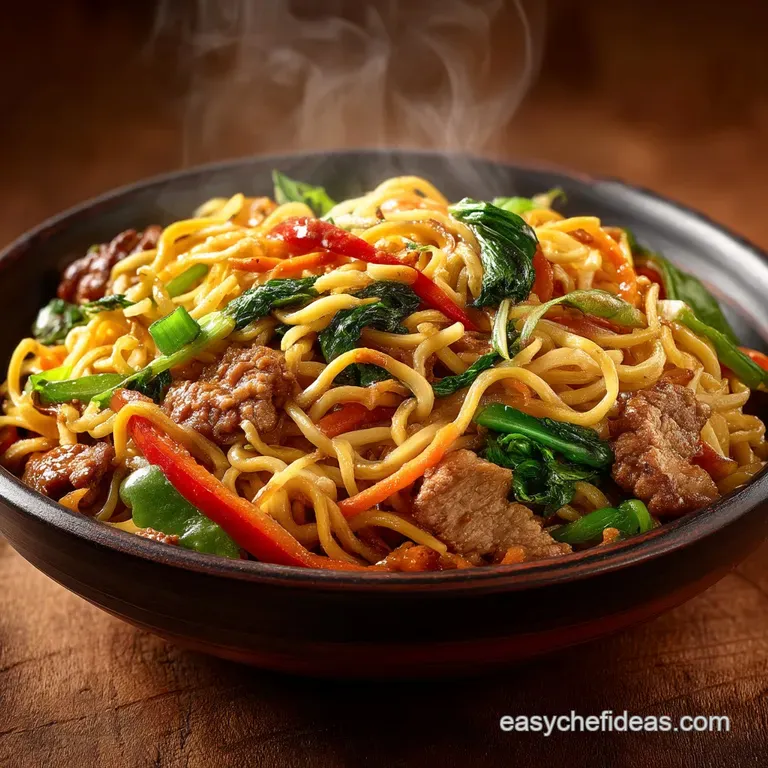
Once you have your Panda Express Chow Mein Ingredients prepped and ready, the actual cooking process is a swift, rhythmic dance that demands attention.
The Gold Standard: Perfecting Your Prep (Mise en Place)
Before you turn on the burner, everything must be in place, known in the professional kitchen as mise en place . Given the total cook time is only eight minutes, there is zero time to slice, measure, or search for ingredients once the oil hits the heat.
This means noodles are rinsed and oiled, vegetables are uniformly sliced, and the Panda Express Chow Mein Sauce is whisked together in a bowl right next to the stove. This preparation stage is the single most defining factor in ensuring your success.
Pre-Warming and Oil Smoking Point
The first step in execution is heating the wok until it is searing hot. Place the wok over the highest heat setting and wait for it to visibly begin smoking. Add the two tablespoons of neutral oil (canola or peanut oil, known for their high smoke points) and swirl immediately to coat the sides.
The oil should instantly shimmer and smoke lightly upon contact. This ensures that when the first vegetables go in, they sear instantly, creating flavor and preventing the ingredients from lowering the wok temperature too dramatically.
Vegetable Sequencing: Achieving That Signature Crunch
Add the onion and celery first, as they require slightly more heat exposure than the cabbage. Stir fry these rapidly for approximately 60 to 90 seconds. You want them to soften slightly but still maintain a distinct resistance. Next, introduce the shredded cabbage. Stir fry for another 60 seconds.
The goal is a quick wilt and volume reduction, not complete softness. Season the vegetables lightly here with white pepper and a pinch of salt to layer the flavor before the noodles are added.
Final Toss and Sauce Integration for Maximum Flavor
Push the half cooked vegetables to the side of the wok and add the prepared, separated Asian Noodles directly to the center. Toss the noodles quickly with the vegetables for about 30 seconds to heat them through.
Now, pour the entire measured Panda Express Chow Mein Sauce blend evenly over the noodles. Using your tongs, toss the entire mixture vigorously and continuously for one to two minutes.
This rapid tossing motion is key to absorbing the sauce fully, achieving the deep brown colour from the dark soy, and ensuring every strand is coated. Finish by removing the wok from the heat and folding in a teaspoon of fragrant toasted sesame oil before serving immediately.
Pro Tips for Panda Express Chow Mein Success
To elevate your Homemade Chow Mein from good to fantastic, focus on these critical details. First, do not stir fry more than four servings at a time. Overcrowding the pan instantly drops the temperature and leads to steaming, which is the nemesis of any stir fry.
If you need to scale the recipe, cook the vegetables and noodles in separate batches and combine them in the final moments. Second, always use white pepper rather than black pepper; its subtler, earthy heat is the traditional choice for this style of Chinese cooking.
Finally, taste the noodles right before you finish the toss. Since the sodium levels of soy and oyster sauces vary widely, a final tasting allows you to adjust the salt, sweetness, or pepper balance precisely.
Beyond the Basics: Storage, Scaling, and Serving Suggestions
Mastering the Panda Express Chow Mein Recipe doesn't end when the food hits the plate; successful chefs also know how to manage leftovers and variations.
Preventing Soggy Noodles: The Starch Rinse
The most common culprit for soggy noodles is residual starch. When using fresh or par-cooked noodles, rinsing them quickly in warm water immediately after they come out of the bag (or out of the boil, if using dried) removes the exterior starch coating.
Following this rinse by tossing the drained noodles with a teaspoon of neutral oil ensures the strands remain separate, preventing them from clumping in the wok and turning gummy. This step guarantees your Asian Noodles fry, they don't steam.
Adjusting the Salt and Sweet Balance
The overall flavor profile of this dish is savory and umami driven, but that half teaspoon of sugar in the Panda Express Chow Mein Sauce is crucial. If the finished dish tastes too sharp or salty (common with differing brands of oyster sauce), a tiny pinch more sugar can smooth the flavor profile dramatically.
Conversely, if it tastes too sweet, a splash of rice vinegar or a few drops of additional low-sodium soy sauce can re-establish the savory base.
Quick Fixes for Over Sauced Chow Mein
If you accidentally add too much liquid or if the stir fry heat wasn't high enough and your noodles are swimming in sauce, quickly turn the heat back up to high. Spread the noodles thinly across the wok surface and continue tossing rapidly. The high heat will evaporate the excess moisture.
If that fails, quickly chop a quarter cup of extra cabbage or green onions, add them to the wok, and toss; the fresh vegetables will absorb some of the excess liquid and provide a welcome textural boost.
Safe Storage and Reheating Methods
When discussing food consumption, many look up the Panda Express Chow Mein Calories and Panda Express Chow Mein Nutrition information, especially when making it at home. This homemade version is generally fresher and often lower in sodium than commercial offerings.
Store leftovers promptly in an airtight container in the refrigerator for up to three days. The best method for reheating Chow Mein is not the microwave, which often makes the noodles rubbery.
Instead, heat a small amount of oil in a wok or skillet over medium high heat and stir fry the leftovers quickly until piping hot, refreshing the texture.
Adding Protein: Chicken and Shrimp Variations
While the classic side is vegetarian, it’s easy to boost the Panda Express Chow Mein into a full meal. We suggest adding 4 ounces of thinly sliced chicken breast or medium shrimp per serving.
Crucially, cook the protein first, remove it from the wok, and then proceed with the vegetable stir fry (Step 3). Reintroduce the fully cooked protein right alongside the noodles in the final stage, ensuring it is thoroughly heated and coated by the sauce without being overcooked.
Complementary Panda Express Dishes to Pair
This Homemade Chow Mein is the perfect base for creating a complete spread. Pair it with other signature Panda Express Chow Mein Copycat items, such as a crisp batch of vegetable spring rolls, or the rich sweetness of Honey Walnut Shrimp.
For a lighter touch, a side of steamed Chinese broccoli (Gai Lan) dressed simply with garlic provides a sharp, healthy contrast to the savory, comforting Asian Noodles .
Recipe FAQs
I can't find 'fresh chow mein noodles' at the supermarket. What’s the next best noodle substitute?
Don’t fret it’s a common culinary pickle! If you can't find fresh, thick egg noodles, you can absolutely use dried spaghetti or linguine in a pinch. The trick is to boil them until they are just past al dente (still slightly firm) and immediately rinse them in cold water to halt the cooking.
Crucially, toss them with a little oil after draining to ensure they don't clump, otherwise, they’ll turn into a steaming mess instead of a proper stir fry.
Help! My noodles came out a bit mushy and soggy. How do I get that crunchy soft takeaway texture?
Ah, the classic stir fry pitfall! Soggy noodles often result from a wok that isn't hot enough, which causes the ingredients to steam rather than fry. You must ensure your wok or skillet is smoking hot before adding the oil and don't overcrowd the pan.
If you're cooking a large batch of Panda Express Chow Mein, cook the vegetables and noodles separately and combine them quickly at the very end to keep everything sizzling and snappy.
What’s the secret sauce for replicating that authentic colour and deep flavour of Panda Express Chow Mein?
The secret weapon for the colour is Dark Soy Sauce. Unlike regular soy, it's thicker and darker, giving the noodles that beautiful, rich mahogany hue without adding excessive saltiness don’t skip it!
For that deep, umami rich savoury flavour, Oyster Sauce is your reliable friend, providing a comforting, subtle sweetness and depth that truly defines this American Chinese favourite.
I need a proper meal! What's the easiest way to turn this side dish into a full main course?
Right then, turning it into a feast is easy peasy. Add a quick cooking protein like sliced chicken breast, shrimp, or thinly sliced pork. Cook the protein first, remove it from the wok, proceed with the recipe as written (Steps 3 and 4), and then reintroduce the cooked protein right before you add the sauce.
This stops your protein from overcooking and prevents the pan from getting chilly, maintaining the high heat needed for a Wok Star result.
Can I prepare a big batch of this Chow Mein ahead of time, and how should I handle the leftovers?
This chow mein keeps quite well in an airtight container in the fridge for up to three days, making it perfect for meal prep. When reheating, avoid the microwave if possible, as it tends to soften the noodles too much.
Instead, toss the leftovers in a hot skillet or wok with a tiny splash of water or stock to prevent drying, reheating rapidly until piping hot it brings back the sizzle!
Wok Star Panda Express Chow Mein Copycat
Ingredients:
Instructions:
Nutrition Facts:
| Calories | 1486 kcal |
|---|---|
| Protein | 9.8 g |
| Fat | 25.8 g |
| Carbs | 56.5 g |
| Fiber | 7.8 g |
| Sodium | 3033 mg |
