Wholesome Vegetable Soup

- Time: Active 15 minutes, Passive 20 minutes, Total 35 minutes
- Flavor/Texture Hook: Savory fire roasted depth with tender crisp garden vegetables
- Perfect for: Busy weeknight dinners and restorative meal prep
- Creating the Ultimate Flavorful Vegetable Soup
- Why This Wholesome Transformation Actually Works
- Analyzing the Components of a Great Vegetable Soup
- Gathering the Elements for Your Wholesome Pot
- Minimal Tools for Maximum Flavor Results
- Detailed Instructions from Prep to Plate
- Essential Troubleshooting for Common Soup Pitfalls
- Scaling This Recipe for Any Crowd
- Debunking Common Myths About Soup
- Storage and Zero Waste Tips
- Finishing Touches and Presentation Tips
- Recipe FAQs
- 📝 Recipe Card
Creating the Ultimate Flavorful Vegetable Soup
We've all been there, staring down a bowl of what looks like hot water with some limp, gray celery floating in it. It’s that disappointing cafeteria style soup that gives healthy eating a bad name.
For a long time, I thought the only way to get a "real" soup was to simmer it for four hours or use a heavy bone broth, but I was wrong. The real culprit behind bland soup isn't a lack of time, it's a lack of technique.
The secret to a wholesome transformation lies in how we treat the aromatics and the tomato base. If you just dump everything into a pot of water and turn on the heat, you're making tea, not soup. We want a rich, veggie filled experience that feels like a warm hug.
This recipe focuses on building layers of flavor in a short 35 minutes total time, ensuring every spoonful has character.
By the time you finish this pot, you'll have a vibrant, deep red broth that actually tastes like something. We're going to use fire roasted tomatoes and a specifically timed simmering process to keep the zucchini from turning into mush.
Trust me on this, once you see how much flavor we can pull from a simple yellow onion and some tomato paste, you'll never settle for the canned stuff again.
Why This Wholesome Transformation Actually Works
Caramelized Concentration: Letting the tomato paste fry in the oil for 2 minutes transforms its raw acidity into a deep, nutty sweetness.
Delayed Hydration: Adding the zucchini and peas in the last 5 minutes prevents them from losing their cellular structure and becoming soggy.
Acidic Brightness: A final splash of lemon juice at the end breaks through the earthy starch of the potatoes, making all the flavors pop.
Maillard Browning: Letting the initial aromatic trio sit untouched for 60 seconds creates golden brown edges that infuse the entire broth with a savory profile.
| Method | Time | Texture | Best For |
|---|---|---|---|
| Stovetop (Classic) | 35 minutes | Controlled, tender crisp | Maximum flavor development |
| Instant Pot | 25 minutes | Softer, integrated | Set it and forget it days |
| Slow Cooker | 4 hours | Very soft, stew like | Cold winter afternoons |
This comparison shows that while the stovetop takes just a few minutes longer than the pressure cooker, it gives you the most control over the texture. If you're looking for that perfect "snap" in your green beans, the classic pot method is the winner every time.
Analyzing the Components of a Great Vegetable Soup
| Component | Science Role | Pro Secret |
|---|---|---|
| Yukon Gold Potatoes | Natural Thickener | These release just enough starch to give the broth body without falling apart like Russets. |
| Tomato Paste | Umami Foundation | Frying it until it turns "brick red" creates a savory depth usually found in long simmered stews. |
| Fire Roasted Tomatoes | Smoked Complexity | The char on these tomatoes mimics the flavor of a wood fired oven, adding a "grilled" note to the liquid. |
The choice of potato is actually a huge part of the chemistry here. While we often think of potatoes as just a filler, Yukon Golds have a medium starch content. This means they hold their cube shape beautifully through the 12 minutes of simmering but still "bleed" a tiny bit of starch into the vegetable broth, giving it a velvety mouthfeel instead of a thin, watery one.
If you find yourself missing that deep, roasted flavor in other recipes, it's likely because they use standard diced tomatoes. My trick is always reaching for the fire roasted variety.
It provides a subtle smokiness that pairs brilliantly with the dried oregano and thyme, making the entire Vegetable Soup feel much more sophisticated than its humble ingredients suggest.
Gathering the Elements for Your Wholesome Pot
To get started, you'll want to gather these plant based essentials. Each one plays a specific part in the final harmony of the dish. Don't skip the lemon juice at the end; it's the "reset button" for your taste buds.
- 2 tbsp Extra virgin olive oil: The fat carries the flavor of the aromatics.
- 1 large Yellow onion: Diced small for even sweetness. Why this? Yellow onions have a higher sugar content than white ones, which helps with browning.
- 2 medium Carrots: Sliced into rounds.
- 2 stalks Celery: The classic backbone of any good mirepoix.
- 4 cloves Garlic: Minced fresh for the best punch.
- 2 tbsp Tomato paste: Look for the double concentrated kind in a tube.
- 1 lb Yukon Gold potatoes: Diced into 1/2 inch cubes for quick cooking.
- 14.5 oz fire roasted diced tomatoes: Don't drain the juices!
- 1 cup Green beans: Trimmed and cut into 1 inch pieces.
- 1 medium Zucchini: Diced into bite sized chunks.
- 1 cup Frozen sweet peas: No need to thaw them first.
- 6 cups Vegetable broth: Use a low sodium version so you can control the salt.
- 1 tsp Dried oregano & 1 tsp Dried thyme: The classic herb duo.
- 2 Bay leaves: For that subtle, tea like background note.
- 1 tbsp Lemon juice: Or red wine vinegar for a sharp finish.
- Salt and cracked black pepper: To taste.
- Fresh parsley: For a hit of green at the end.
| Original Ingredient | Substitute | Why It Works |
|---|---|---|
| Yukon Gold Potatoes | Red Potatoes | Similar waxy texture that holds its shape during the 10-12 minute simmer. |
| Fire Roasted Tomatoes | Roasted Tomato Soup base | If you have leftovers, this adds an even richer, concentrated tomato flavor. |
| Vegetable Broth | Water + Bouillon | Same hydration level. Note: Adjust your salt levels as bouillon is often very salty. |
If you're out of fresh lemons, red wine vinegar is an excellent swap. It provides a similar acidic lift that prevents the soup from feeling heavy. Also, if you’re looking for a different profile altogether, you might enjoy exploring the aromatic depths of an Authentic Pho Soup, which uses a completely different set of spices to achieve comfort.
Minimal Tools for Maximum Flavor Results
One of the reasons I love this recipe is that it doesn't require a kitchen full of gadgets. You really only need one solid pot. A Dutch oven is my go to because the thick walls distribute heat evenly, preventing the onions from scorching in the corners.
A sharp chef's knife is your best friend here. Since we're doing a fair bit of dicing, a dull blade will make the task feel like a chore. Aim for uniform 1/2 inch cubes for the potatoes; this ensures they all reach that "almost tender" stage at exactly the same time.
If some are huge and some are tiny, you’ll end up with a mix of rocks and mush.
Finally, a wooden spoon or a flat edged spatula is essential for the second step. When you add the tomato paste, you'll want to scrape the bottom of the pot constantly. This prevents the paste from burning while allowing it to develop that dark, nutty color we’re looking for.
Detailed Instructions from Prep to Plate
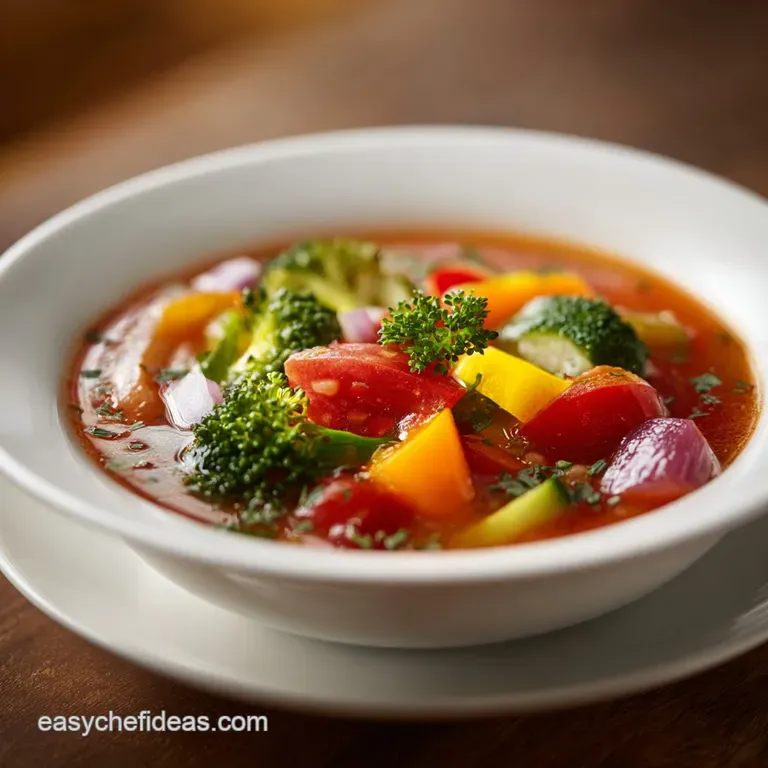
- Heat the olive oil in a large Dutch oven over medium high heat. Add the onion, carrots, and celery. Let sit for 60 seconds to develop golden brown edges, then sauté for 5 minutes until softened. Note: That initial 60 second "sear" builds a flavor base that simmering alone can't replicate.
- Add the minced garlic and tomato paste. Stir constantly for 2 minutes until the tomato paste turns a dark brick color and smells slightly nutty.
- Stir in the diced potatoes, fire roasted tomatoes, green beans, vegetable broth, dried oregano, dried thyme, and bay leaves.
- Bring the soup to a boil, then reduce heat to medium low. Simmer for 10-12 minutes until the potatoes are almost tender.
- Add the zucchini and frozen sweet peas. Continue to simmer for 5 minutes until all vegetables are tender crisp. Note: Adding these late keeps the zucchini from dissolving into the broth.
- Remove bay leaves. Stir in the lemon juice (or red wine vinegar).
- Season with salt and pepper to taste. Taste the broth now it should be bright and savory.
- Garnish with fresh parsley before serving in deep bowls.
Essential Troubleshooting for Common Soup Pitfalls
Why Your Broth Tastes Flat
If you’ve followed the steps but the liquid feels "hollow" or boring, the culprit is usually a lack of salt or acid. Salt doesn't just make things salty; it unlocks the aromatic compounds in the vegetables.
Before you add more salt, try the lemon juice. Often, the flavors are there, they’re just "sleeping." The acid wakes them up. If it still feels thin, you can crush a few of the cooked potato cubes against the side of the pot with your spoon. This releases starch directly into the broth, thickening it instantly.
| Problem | Root Cause | Solution |
|---|---|---|
| Mushy Zucchini | Added too early | Add zucchini in the last 5 minutes of cooking only. |
| Bitter Aftertaste | Scorched garlic | Always add garlic after the onions have softened to prevent burning. |
| Cloudy Broth | Hard boil | Keep the heat at a gentle simmer once the potatoes are in. |
Why the Potatoes Are Still Crunchy
This usually happens if the potatoes weren't diced small enough or if you added the lemon juice too early. Believe it or not, acid can actually toughen the exterior of vegetables if added at the start of the simmer.
Always wait until the very end to add your vinegar or citrus. If you find yourself in this spot, just give it another 5 minutes of simmering. The Yukon Golds are forgiving, but they do need those 12 minutes to lose their raw crunch.
Common Mistakes Checklist
- ✓ Pat the diced zucchini dry if it’s been sitting to ensure it doesn't add excess water.
- ✓ Don't skip the 2 minute fry for the tomato paste; it’s the secret to the color.
- ✓ Ensure the potatoes are cut to 1/2 inch; larger chunks will stay hard.
- ✓ Remove the bay leaves before serving; they are for flavor, not for eating!
- ✓ Use a low simmer, not a rolling boil, once the broth is added to keep the veg intact.
Scaling This Recipe for Any Crowd
When cutting this recipe in half for a solo dinner, use a smaller saucepan to keep the liquid from evaporating too quickly. You can beat one egg and use half if you’re making a different recipe, but here, just use half the cans.
Since fire roasted tomatoes usually come in 14.5 oz cans, you can freeze the other half in a freezer bag for your next batch of Vegetable Soup.
If you’re doubling the recipe for a big family gathering, don't just double the salt and spices right away. Start with 1.5 times the oregano and thyme, then taste. Spices can sometimes become overwhelming when doubled perfectly.
Also, ensure you use a large enough pot so the vegetables aren't crowded; they need space for the heat to circulate, or they will steam instead of simmer.
For a massive batch (4x), I recommend sautéing the aromatics in two separate batches. If you crowd the pot with 4 onions and 8 carrots, they will release too much moisture and boil rather than brown. Once they are all softened, you can combine them into one large stockpot to finish the simmering process.
Debunking Common Myths About Soup
"You have to simmer vegetable soup all day for it to be good." This is simply not true for plant based dishes. Unlike meat heavy stews that need hours to break down connective tissue, vegetables actually lose their vibrant flavor and nutritional value if cooked for too long.
A 20 minute cook time is the "sweet spot" where the flavors meld but the vegetables stay bright.
"The best broth comes from expensive store-bought brands." Actually, the best flavor comes from what you do to the vegetables before the broth even hits the pot. By searing your onions and frying your tomato paste, you are creating a "homemade" flavor profile that makes even a budget friendly carton of broth taste like a five star reduction.
Storage and Zero Waste Tips
This Vegetable Soup keeps beautifully in the fridge for up to 4 days. In fact, many people (myself included) think it tastes even better the next day after the herbs have had a chance to really infuse the liquid. Just store it in an airtight container once it has cooled to room temperature.
To reheat, do it gently on the stove over medium heat to avoid turning the zucchini into mush.
For long term storage, this soup freezes like a dream for up to 3 months. I like to freeze it in individual portions (using silicone molds or freezer bags) so I can grab a quick lunch whenever I need it. Just leave about an inch of headspace in your container, as the liquid will expand when it freezes.
To practice zero waste, save your onion skins, carrot peels, and celery ends in a bag in the freezer. Once the bag is full, boil those scraps with water for an hour to make your own "scrap broth" for the next time you make this recipe.
Also, if you have leftover fresh parsley that’s starting to wilt, blend it with a little olive oil and freeze it in ice cube trays to drop into future soups for an instant fresh herb boost.
Finishing Touches and Presentation Tips
Presentation might seem silly for a humble bowl of soup, but we eat with our eyes first! A dull, brownish soup can be transformed into a restaurant quality dish with a few simple tricks. Always save some of that fresh parsley to sprinkle on top right before serving.
The bright green pop against the deep red broth makes the whole dish look vibrant.
If you want to add a bit of texture, serve this with a thick slice of toasted sourdough or some homemade croutons. The crunch of the bread against the tender vegetables is a perfect contrast. For a bit of visual flair, you can also add a tiny drizzle of high-quality extra virgin olive oil over each bowl.
The oil droplets will catch the light and add a silky mouthfeel to every bite.
For the ultimate "pro" look, try to keep your vegetable cuts as uniform as possible. When the carrots, potatoes, and zucchini are all roughly the same size, the soup looks intentional and polished. It’s a small detail that takes your home cooking from "basic" to "brilliant" without any extra cost.
Enjoy your wholesome, veggie filled creation!
Recipe FAQs
What is the secret ingredient to vegetable soup?
The secret is the tomato paste. You must fry it for 2 minutes until it turns a dark brick color, which builds a deep, nutty base that balances the vegetable sweetness.
What gives vegetable soup more flavor?
Proper sautéing of the aromatics is key. Allow the onion, carrots, and celery to sit for 60 seconds in the Dutch oven to develop golden brown edges before stirring, which creates complex savory notes. If you enjoyed building these deep flavors here, see how we apply the same browning principle in our beef soup to achieve a richer foundation.
What all do you put in vegetable soup?
This recipe uses a specific mix of vegetables and pantry staples. You will need extra virgin olive oil, yellow onion, carrots, celery, garlic, tomato paste, Yukon Gold potatoes, fire roasted tomatoes, green beans, zucchini, frozen sweet peas, vegetable broth, dried oregano, dried thyme, bay leaves, and
lemon juice or red wine vinegar.
What soups help lower cholesterol?
Vegetable based soups like this one are excellent choices. Because this recipe is packed with fiber rich beans, carrots, and potatoes while using olive oil instead of butter, it is a naturally heart healthy option.
How to prevent the vegetables from turning to mush?
Maintain a gentle simmer rather than a rolling boil. Once you add the broth, keep the heat at medium low to ensure the potatoes and zucchini soften without breaking down entirely.
How to fix undercooked potatoes in the soup?
Continue to simmer the soup on low heat. Since you are aiming for 1/2 inch cubes, they should be tender after 10-12 minutes; if they remain firm, check the size of your cuts and keep the pot covered to trap more heat.
Is it true that I should add zucchini at the start of the cooking process?
No, this is a common misconception. Zucchini cooks very quickly, so it should only be added during the final 5 minutes of simmering to ensure it stays tender crisp rather than turning into mush.
Wholesome Vegetable Soup
Ingredients:
Instructions:
Nutrition Facts:
| Calories | 196 calories |
|---|---|
| Protein | 5.2g |
| Fat | 4.8g |
| Carbs | 33.3g |
| Fiber | 6.7g |
| Sugar | 8.2g |
| Sodium | 512mg |
