Traditional Sangria Recipe with Brandy and Stone Fruit
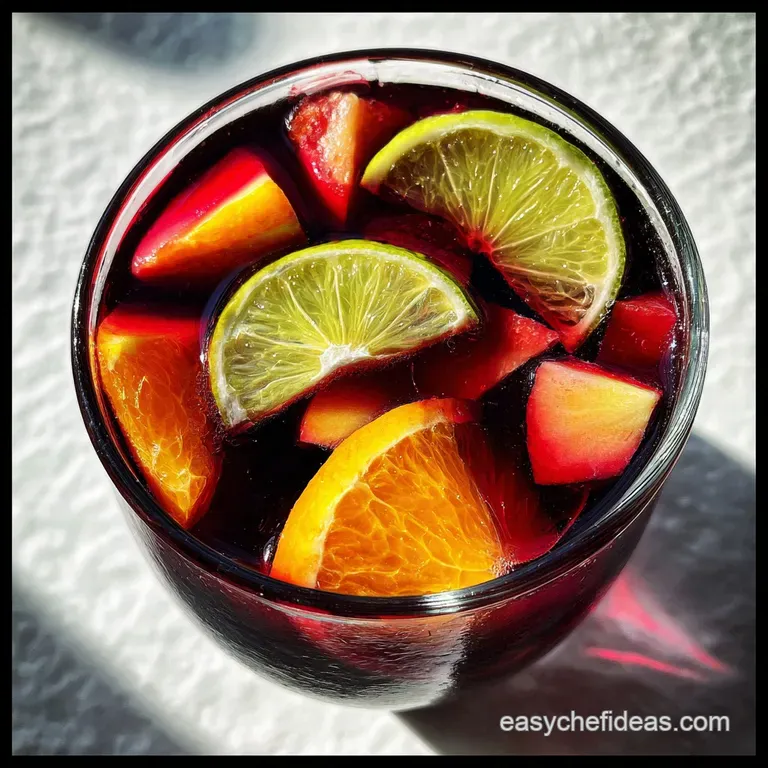
- Time: Active 15 minutes, Passive 4 hours, Total 4 hours 15 mins
- Flavor/Texture Hook: Vibrant, spice forward profile with a crisp, effervescent finish.
- Perfect for: Sun drenched garden parties, festive community gatherings, or a relaxed tapas night.
- Perfecting This Authentic Recipe for a Sangria
- Essential Specs and Yield
- Selecting the Best Ingredients
- Tools for Easy Preparation
- Mastering the Step-by-Step Infusion
- Troubleshooting and Pro Tips
- Creative Variations and Swaps
- Storage and Sustainability
- Ideal Pairings and Menus
- Kitchen Truths and Legends
- Recipe FAQs
- 📝 Recipe Card
Perfecting This Authentic Recipe for a Sangria
The first time I really understood the soul of a red sangria was in a tiny, crowded kitchen in Seville. The air was thick with the scent of split oranges and the sharp, woody aroma of cinnamon sticks hitting a glass pitcher.
My friend’s grandmother didn't just pour wine into a bowl; she treated it like a slow cooked stew, insisting that the fruit needed to "marinate" until the apples were stained a deep, bruised purple. That clink of the long wooden spoon against the glass? It’s a sound that still makes me thirsty.
We often think of this as a "toss everything in" drink, but the magic is actually in the patience. It’s about how the brandy pulls the oils from the citrus rinds and how the wine softens the snap of a green apple.
This isn't just a beverage; it’s a way to nourish a crowd and share a bit of Mediterranean culture at your own table.
We’ve all had those watered down versions at parties where the ice has melted and the wine tastes like cheap juice. Forget those. We are going for something rich, layered, and structured. This version respects the wine while letting the fruit shine, creating a balance that feels sophisticated rather than sugary.
Essential Specs and Yield
Before you start chopping, let’s look at the logistics. This batch is designed to serve a small gathering, but it scales beautifully if you're hosting the whole neighborhood. The key is giving yourself enough lead time you can't rush the infusion process if you want that velvety mouthfeel.
| Servings | Red Wine Amount | Brandy Amount | Pitcher Size |
|---|---|---|---|
| 4 people | 375 ml (1/2 bottle) | 60 ml | 1.5 Liter |
| 8 people | 750 ml (1 bottle) | 120 ml | 2.5 Liter |
| 16 people | 1.5 Liters (2 bottles) | 240 ml | 5 Liter / Punch Bowl |
Note: If you scale up, keep the cinnamon sticks at 3 for a double batch they can become quite dominant if doubled exactly.
Osmosis and Flavor Maceration
Cellular Extraction: Sugar sprinkled on the fruit creates an osmotic pressure that draws flavorful juices out of the fruit cells and into the wine. This process ensures the liquid tastes like fruit, rather than just wine with floating decorations.
The Spirit Bridge
Solubility Enhancement: Spanish brandy acts as a solvent, extracting fat soluble aromatic compounds from the citrus peels that wine alone cannot reach. It adds a structural backbone that prevents the drink from feeling "thin" after adding ice.
Managing Harsh Tannins
Tannin Softening: The addition of fruit sugars and the juice of a naval orange helps to mask and soften the astringent tannins found in dry red wines. This creates a rounded, smoother drinking experience that appeals to a wider variety of palates.
Selecting the Best Ingredients
The quality of your base wine dictates the ceiling of your success. You don't need a vintage bottle, but if you wouldn't drink a glass of it on its own, it has no business being in your pitcher. Stick to Spanish varieties like Tempranillo or Garnacha for that authentic, sun soaked flavor profile.
- Dry Red Wine (750 ml): Look for Tempranillo or Garnacha. Why this? These grapes offer low tannins and high fruitiness which balance the acidity perfectly.
- Substitute: Merlot or a fruity Zinfandel works in a pinch.
- Spanish Brandy (120 ml): Adds a warm, caramelized depth. Why this? It provides the "kick" and structural body needed to stand up to dilution.
- Substitute: Cognac or a high-quality Apple Brandy.
- Naval Oranges (2 large): One for juice, one for slices. Why this? They are seedless and have a sweet, low acid profile that doesn't over sour the mix.
- Substitute: Blood oranges for a stunning, darker visual and tarter edge.
- Green Apple (1 large): Cored and chopped into 1/2 inch cubes. Why this? The tartness of a Granny Smith cuts through the sugar and provides a satisfying crunch.
- Substitute: A firm Pear or a Honeycrisp apple.
- Granulated Sugar (30g): Just enough to kickstart the maceration. Why this? It dissolves quickly into the fruit juices to create a light syrup.
- Substitute: Agave nectar or a simple syrup if you prefer liquid sweeteners.
- Cinnamon Sticks (2): Essential for that woody, spiced aroma. Why this? They release flavor slowly without clouding the liquid like ground cinnamon would.
- Substitute: A star anise pod for a more licorice forward, Mediterranean vibe.
- Sparkling Water (240 ml): The final touch for lift and brightness. Why this? It lightens the density of the wine and adds a refreshing pop.
- Substitute: Club soda or a lemon lime sparkling water for extra citrus notes.
| Component | Fresh Selection | Shortcut Version | Impact on Outcome |
|---|---|---|---|
| Citrus | Fresh Squeezed | Bottled Juice | Fresh juice adds essential oils; bottled can taste flat or metallic. |
| Sweetener | Macerated Sugar | Prepared Syrup | Sugar pulls juice from fruit; syrup just sweetens the wine without depth. |
| Fruit | Firm, seasonal | Canned fruit | Fresh fruit stays crisp; canned fruit becomes mushy and sheds sediment. |
While you're prepping your fruit, you might think about the rest of the menu. This recipe for a sangria is a natural partner for savory dishes. For instance, the acidity in the oranges pairs beautifully with the rich, creamy notes of my Fish Florentine Recipe. The way the spinach and Mornay sauce play against the cold, spiced wine is honestly a revelation for a weekend lunch.
Tools for Easy Preparation
You don't need a full bar setup, but a few specific items make the process much smoother. The goal is to maximize the surface area of the fruit while keeping the liquid clear and inviting.
- Large Glass Pitcher: A 2.5 liter capacity is ideal. Glass allows the vibrant colors of the fruit to be part of the table decor.
- Long Handled Wooden Spoon: Essential for stirring the sugar into the fruit and later incorporating the wine without splashing.
- Sharp Chef's Knife: For getting those clean, 1/2 inch cubes of apple and uniform orange slices.
- Citrus Juicer: To get every drop out of that first orange.
- Fine Mesh Strainer: Optional, if you prefer to pour the liquid into glasses without small bits of pulp.
| Material | Science Role | Pro Secret |
|---|---|---|
| Glass Pitcher | Non reactive surface | Use a clear one to monitor the "staining" of the apples for doneness. |
| Wood Spoon | Neutral pH | Avoids reacting with the acidity of the citrus, preserving the wine's nuances. |
| Stainless Knife | Precision cutting | Sharp blades prevent "bruising" the fruit, which keeps the juices clear, not cloudy. |
Mastering the step-by-step Infusion
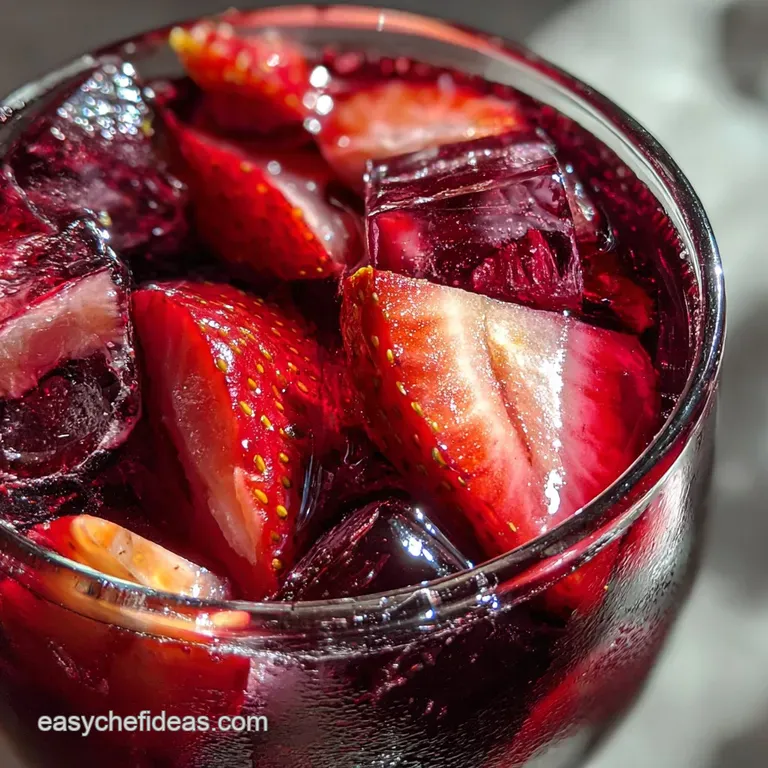
This is where we build those flavor layers. Don't just dump everything in at once. We want to treat the fruit first, then the wine, then the bubbles.
- Prep the fruit. Chop the green apple into 1/2 inch cubes and slice the lemon and one orange into rounds. Note: Uniform cubes ensure the apple absorbs the wine evenly.
- Juice the orange. Squeeze the remaining naval orange directly into the bottom of your large pitcher.
- Macerate with sugar. Add the 30g of granulated sugar to the orange juice and stir until the granules are no longer visible.
- Toss the fruit. Place the apple cubes, lemon rounds, and orange slices into the juice sugar mixture.
- Add the spice. Drop in the 2 cinnamon sticks. Give it a firm stir to coat every piece of fruit in the syrup.
- Fortify with brandy. Pour the 120 ml of Spanish brandy over the fruit. Note: This high proof alcohol starts breaking down the fruit skins immediately.
- Incorporate the wine. Pour the full 750 ml bottle of dry red wine into the pitcher. Stir gently for 30 seconds to marry the flavors.
- The long chill. Cover and refrigerate for at least 4 hours. Wait until the apples look dark and saturated before proceeding.
- The final polish. Just before serving, pour in the 240 ml of sparkling water. Stir once from the bottom to distribute the bubbles.
- Garnish and serve. Pour into ice filled glasses, making sure each guest gets a few pieces of the wine soaked fruit.
Chef's Note: If you have 10 minutes, freeze your orange slices for 20 minutes before adding them to the pitcher. They act as "flavor ice cubes" that won't dilute your drink as they thaw!
Troubleshooting and Pro Tips
Even a simple recipe can hit a snag. Usually, it's a matter of balance or timing. If your mixture feels off, don't panic most issues are easily fixed with a quick adjustment.
| Issue | Solution |
|---|---|
| Why Your Drink Tastes Weak | If the wine feels watery or the fruit flavor is missing, you likely skipped the maceration step or didn't chill it long enough. The brandy and sugar need time to pull the essence out of the fruit. If |
| Why the Finish Is Bitter | Bitterness usually comes from the white pith of the lemon and orange. If you plan to let the mixture sit for more than 12 hours, the pith will release bitter oils. To avoid this, you can peel the citr |
| Why It Lacks Complexity | Sometimes a batch just feels one note. This often happens with very young, inexpensive wines. A pinch of salt (trust me!) or an extra splash of brandy can provide the necessary "edge" to wake up the o |
Common Mistakes Checklist
- ✓ Always use chilled wine to start; it keeps the fruit crisper during the maceration phase.
- ✓ Don't add the sparkling water until the very last second, or it will go flat.
- ✓ Avoid "cooking wine" or bottles with heavy oak oak and fruit often clash in a sangria.
- ✓ Ensure your cinnamon sticks are fresh; old ones will just float there without adding aroma.
- ✓ Use a green apple specifically; red apples turn to mush much faster in the alcohol.
Creative Variations and Swaps
Once you've mastered the classic red, the world of fruit infused wine opens up. You can adjust based on the season or what’s fresh at your local market. For a lighter, more floral experience, you might even consider a Lightened Up Homemade recipe for a snack alongside a white wine version.
The White Sangria Recipe
Swap the red wine for a crisp Albariño or Pinot Grigio. Instead of brandy, use a peach schnapps or Cointreau. Replace the apples with sliced peaches and raspberries. It’s incredibly suave and floral, perfect for high summer afternoons when red wine feels too heavy.
Seasonal Fruit Swaps
In the winter, make this a "Christmas Sangria" by adding pomegranate seeds and swapping the sparkling water for ginger ale. The spice of the ginger plays beautifully with the cinnamon. In the autumn, use hard cider instead of sparkling water and add sliced pears for a harvest vibe.
| Original Ingredient | Substitute | Why It Works |
|---|---|---|
| Granulated Sugar | Maple Syrup | Adds a deep, autumnal caramel note. Note: Better for red wine versions. |
| Spanish Brandy | Dark Rum | Increases the molasses/vanilla profile. Note: Makes for a much "boozier" tasting drink. |
| Sparkling Water | Ginger Beer | Adds a spicy, prickly heat that complements the cinnamon sticks. |
Storage and Sustainability
Unlike a bottle of wine that goes sour quickly, a sangria actually benefits from a bit of age up to a point. However, once you add the carbonation, the clock starts ticking.
- Fridge: Store the base (wine, brandy, fruit, sugar) for up to 48 hours. After 24 hours, the fruit starts to lose its texture, so I recommend straining the fruit out if you aren't finishing it by day two.
- Freezer: Do not freeze the sangria itself as the alcohol won't freeze solidly and the texture of the fruit will be ruined. However, you can freeze the "leftover" liquid into ice cubes to use in your next batch!
- Zero Waste Tip: Don't throw away that wine soaked fruit! The apples and oranges are delicious when chopped up and served over vanilla bean ice cream or stirred into a fruit salad for a "boozy" brunch treat. You can also simmer the leftover fruit with a bit more sugar to create a quick compote for pancakes.
Ideal Pairings and Menus
A great pitcher of sangria deserves a spread that matches its energy. Because of the acidity and sweetness, it loves salty, fatty, and spicy foods. Think about building a community style board of Manchego cheese, Marcona almonds, and salty Serrano ham.
If you’re looking for a full meal, try serving this with spicy garlic shrimp (Gambas al Ajillo) or a big pan of paella. The effervescence of the sparkling water helps scrub the palate between bites of rich, saffron infused rice.
For a lighter lunch, it’s also fantastic with grilled chicken skewers seasoned with lemon and oregano. The drink acts as both a beverage and a bright, fruity sauce for the meal.
Kitchen Truths and Legends
There’s a lot of noise about what makes a "real" sangria. Let’s clear up a few things so you can focus on what actually tastes good.
Expensive wine makes better sangria. Actually, no. A very expensive, complex wine with heavy oak or aged characteristics will often get lost or even taste "muddy" when mixed with fruit and sugar. You want a "middle of-the road" bottle something clean, fruit forward, and around the $10-$15 mark.
Save the vintage bottles for sipping neat.
The fruit is just for decoration. Total myth. As we discussed with the science of osmosis, the fruit is a functional ingredient. It provides the sugars and acids that balance the wine. If you just drop fruit in at the end, you're drinking wine with a garnish.
If you macerate it, you're drinking a unified cocktail.
You must use a specific brandy. While Spanish brandy (like Torres) is traditional and offers a specific sweetness, any decent brandy or even a smooth bourbon can work. The goal is to add a woody, aged spirit that provides a bridge between the fresh fruit and the fermented wine.
Don't feel pressured to hunt down a specific bottle if you have something similar on your bar cart already.
This recipe for a sangria is all about the joy of the process. It's the slow stir, the vibrant colors, and that first, cold sip that tells you the weekend has officially started. Enjoy the process, and don't forget to eat the wine soaked apples they're the best part!
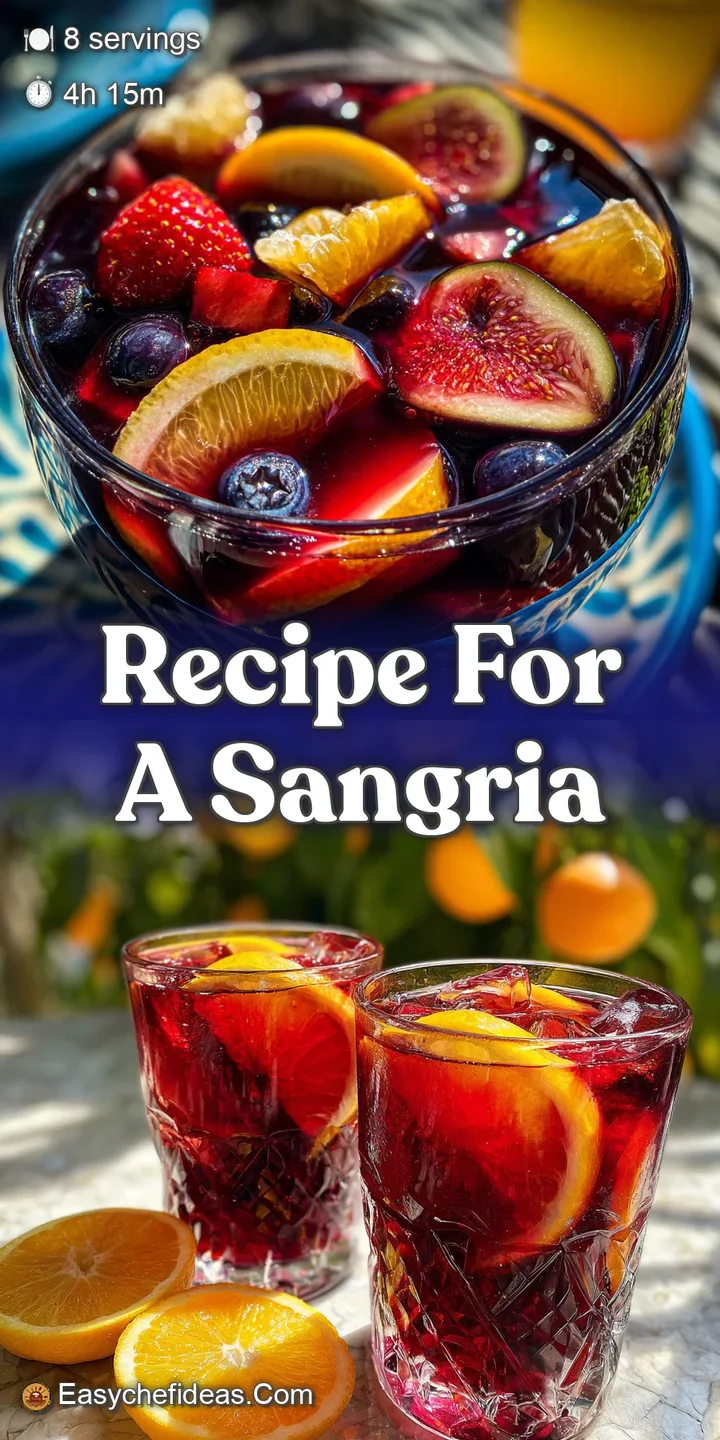
Recipe FAQs
What are the ingredients in a sangria?
Dry red wine, Spanish brandy, naval oranges, green apple, sugar, cinnamon sticks, and sparkling water. These form the classic base, where the brandy extracts the fruit oils and the sugar initiates the crucial maceration process.
What are the three ingredients in sangria?
Wine, brandy, and fresh fruit. While sugar and spice are essential aromatics, the structural components are the base wine, the spirit for depth, and the fruit for flavor extraction.
What's the secret to a good sangria?
The secret is patience and maceration time. You must let the mixture chill for at least four hours preferably overnight so the brandy pulls the oils from the citrus rinds and the sugar draws the juices from the apples.
What is the best alcohol for sangria?
Spanish Brandy is the traditional and best choice for red sangria. It adds a necessary warmth and caramelized backbone that stands up to the fruit, unlike clear spirits which can make the drink taste thin.
How long should I let the sangria macerate?
Refrigerate for a minimum of four hours, aiming for eight to twelve hours if possible. This chilling time allows the sugar and alcohol to work on the fruit, softening the tannins in the wine and fully integrating the flavors.
Is it true I must use a specific type of red wine?
No, this is a common misconception. You should avoid very expensive, heavily oaked wines, as their complexity is lost in the mix. Stick to dry, fruit forward Spanish varieties like Tempranillo or Garnacha for the best balance.
How do I prevent the apple pieces from turning mushy?
Use firm, tart apples like Granny Smith, and keep the maceration time under 12 hours. If you are preparing a large batch that needs to sit longer, strain the fruit out after the initial 4 hours of infusion to preserve texture.
Velvety Spirit Sangria Recipe
Ingredients:
Instructions:
Nutrition Facts:
| Calories | 164 kcal |
|---|---|
| Protein | 0.6 g |
| Fat | 0.1 g |
| Carbs | 15.9 g |
| Fiber | 1.3 g |
| Sugar | 12.5 g |
| Sodium | 6 mg |
