Scalloped Potato Gratin: the Ultimate Creamy Gruyère Recipe
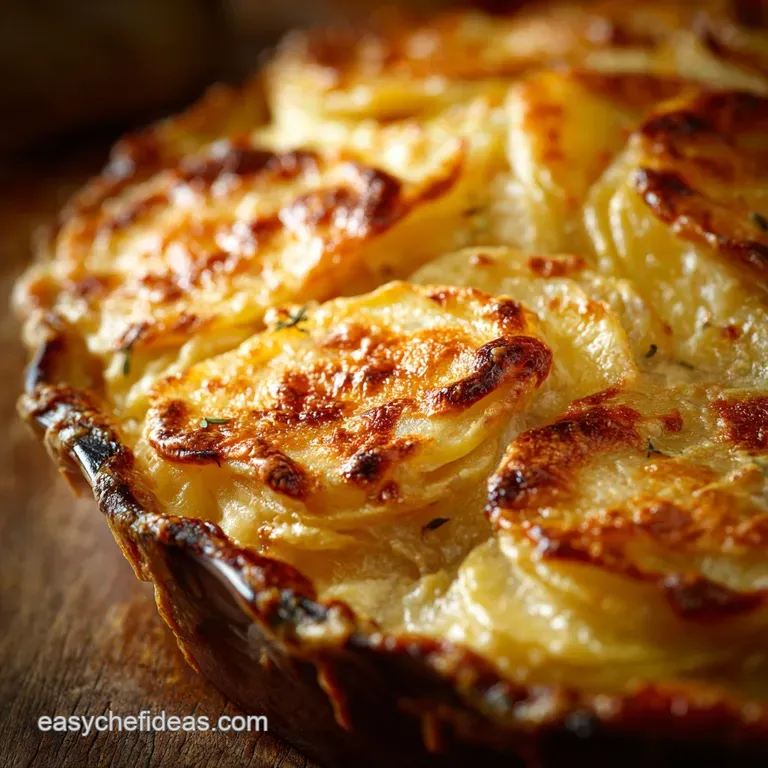
- The Ultimate Creamy Gruyère Scalloped Potato Gratin
- The Comfort Food Crown Jewel: An Introduction to Perfect Scalloped Potato Gratin
- Detailed Inventory: Ingredients for the Gruyère-Laced Potato Bake
- Mastering the Technique: Step-by-Step Instructions for Your Gratin
- Troubleshooting & Advanced Techniques: Expert Tips for a Flawless Result
- Prep Ahead and Storage Solutions
- Pairing Perfection: What to Serve Alongside Creamy Scalloped Potato Gratin
- Recipe FAQs
- 📝 Recipe Card
The Ultimate Creamy Gruyère Scalloped Potato Gratin
The Comfort Food Crown Jewel: An Introduction to Perfect Scalloped Potato Gratin
The moment this creamy, cheesy bake hits the table, the entire room changes. We are talking about the gorgeous aroma of nutmeg and roasted thyme hitting you first, followed by that rich, nutty scent of bubbling Gruyère.
The top crust crackles when you cut into it, revealing layers of silky, tender potato slices nestled in a thick, decadent sauce.
People think this dish is fussy and complicated, but honestly? It’s potatoes, cream, and cheese; it's practically a weeknight pantry staple if you plan ahead. This scalloped potato gratin is the ultimate side dish that makes you look like a culinary genius with minimal stress, making it an absolute lifesaver for holiday dinners.
We are skipping the watery, thin casserole versions you might have tried before. We’re going full French technique here, using a proper Béchamel base and seasoning every single layer for a result that demands immediate attention. Let’s crack on and make this perfectly luxurious potato gratin.
Defining the Difference: Gratin vs. Scalloped Potatoes
You might hear "scalloped" and "gratin" used interchangeably, but there's a key distinction that makes ours measurably superior. Traditional scalloped potatoes often rely on thin milk and potato starch to thicken, which frequently results in a watery or broken sauce.
Our recipe insists on a proper Béchamel (a butter and flour roux base) combined with heavy cream, ensuring the sauce is incredibly stable, thick, and resistant to splitting. That Béchamel is the non-negotiable insurance policy against soupiness.
Why Gruyère and Thyme Make All the Difference
We are not using mild, bland cheese in this ultimate scalloped potato gratin recipe. Gruyère is the secret weapon because its deep, nutty, and slightly fruity flavor melts beautifully without becoming oily. We want depth of flavor, not just saltiness.
We maximize the aromatics by using fresh thyme and whole garlic cloves to steep gently in the cream, rather than mixing in raw ingredients. This infusion technique gives us a deep, warm flavor profile without any harsh, raw notes.
Equipment Check: Essential Tools for a 9x13 Gratin Dish
While you can do this with a knife, I swear, investing in a cheap mandoline slicer changed my gratin life forever. Consistent thickness (we are aiming for dime thin!) is crucial for the potatoes to cook uniformly.
A standard 9x13 dish is the perfect vessel for this volume of creamy goodness, ensuring a proper sauce-to-potato ratio and adequate surface area for a crisp top.
Detailed Inventory: Ingredients for the Gruyère Laced Potato Bake
| Ingredient | Why We Use It | Substitution Tip |
|---|---|---|
| Yukon Gold Potatoes | Mid-starch; holds shape but helps bind. | Use Russets if necessary, but do not rinse them; you need the extra starch. |
| Heavy Cream & Milk | High fat blend prevents splitting and adds richness. | If using Half and Half , increase flour in the roux by 1 Tbsp. |
| Gruyère Cheese | Nutty flavor, excellent melt. | Aged White Cheddar or a blend of Emmental and Fontina works beautifully. |
| All-Purpose Flour | Base for the Béchamel (thickening agent). | Use Cornstarch for a gluten-free version. |
The Starch Secret: Choosing and Prepping Yukon Gold Potatoes
Yukon Golds are the gold standard because they are the perfect balance: they hold their shape during the long bake but release enough starch to help bind the creamy sauce. After slicing, give them a quick rinse in cold water to remove excessive surface starch.
If you absolutely must substitute, use Russet potatoes, but skip the pre-rinse entirely.
Choosing the Right Dairy: Milk vs. Heavy Cream (And Why We Use Both)
We use a 2:1 ratio of heavy cream to whole milk because the high fat content resists splitting under high heat, adding undeniable richness. The whole milk thins the sauce just enough to allow the potato slices to fully absorb it during the steaming phase.
If you have an issue with low-fat dairy, avoid it here, as it almost guarantees a grainy, broken sauce.
Cheese Spotlight: Gruyère Substitutions (Aged Cheddar or Fontina)
Gruyère provides that signature depth and meltability, but sometimes you need a cheaper option. I totally get it! A sharp, aged White Cheddar is an excellent alternative, offering a nice tang without compromising melt quality.
Just make sure you grate your cheese fresh; pre-shredded cheese is coated in cellulose which makes your velvety sauce gritty.
Aromatic Infusion: Maximizing Garlic and Thyme Flavor Extraction
We aren't just throwing garlic and thyme in the dish and hoping for the best. We smash the garlic cloves and place the thyme sprigs directly into the cold dairy mixture, bringing it just to a gentle simmer. Removing the heat and allowing it to steep for ten minutes ensures the flavors are fully extracted and mellowed.
Once, I forgot to strain the cream, leaving bits of cooked garlic everywhere; don't be me, strain that liquid before making the roux!
Mastering the Technique: step-by-step Instructions for Your Gratin
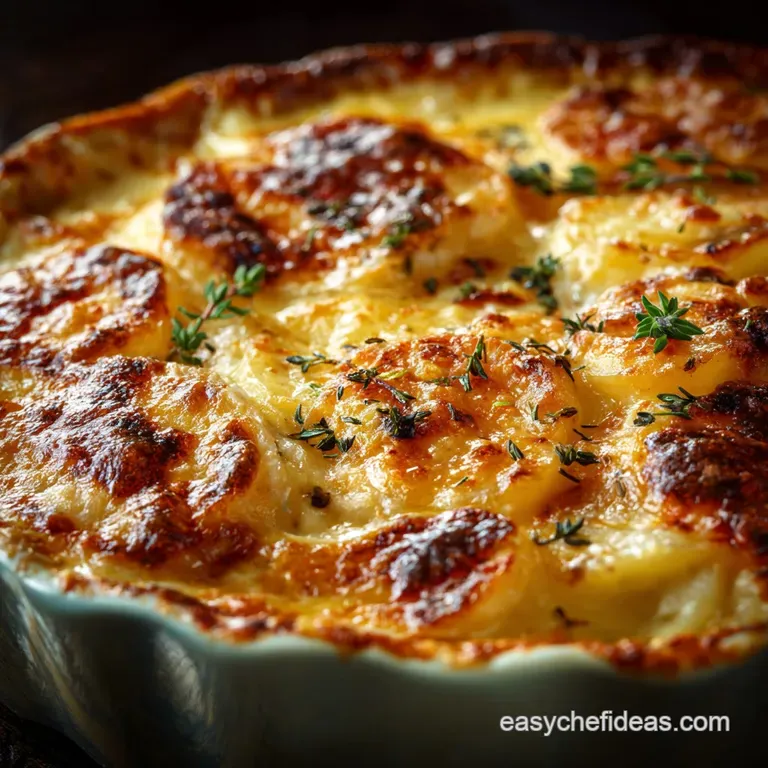
Prep Phase: Slicing Potatoes and Preparing the Béchamel Base
Uniform slicing is non-negotiable for an evenly cooked gratin; aim for 1/16 to 1/8 inch thickness. Next, we build the Béchamel: Melt the butter, whisk in the flour, and cook until it smells slightly nutty that’s your roux!
Slowly whisk in the warm, strained, infused cream until the mixture thickens beautifully and smoothly coats the back of a spoon.
Chef’s Note: You must taste the sauce now, before adding the potatoes. It should taste almost too salty, as the bland potatoes will absorb and dilute the seasoning significantly.
The Layering Strategy: Achieving Structural Integrity
Pour a thin layer of sauce onto the bottom of the buttered baking dish first; this acts as a perfect non-stick agent and ensures the bottom layer of potatoes is creamy. Arrange one-third of the potato slices in an overlapping pattern, pour half the remaining sauce, and then lightly sprinkle with salt.
Repeat this process one more time. The top layer of potatoes should be mostly submerged in the sauce, with only the very tips poking out.
The Initial Bake: Ensuring Potatoes Are Tender Before Browning
Cover the dish tightly with foil, please! This simple step traps steam inside, ensuring that those dense potato slices cook evenly all the way through without drying out the top. Bake covered for a mandatory 45 minutes at 375°F (190°C).
This is the key to preventing crunchy, undercooked centers.
The Final Finish: Achieving the Perfect Golden Crust
Remove the foil after the initial bake, then sprinkle the top generously with the Parmesan cheese. Bake uncovered for another 25– 35 minutes until the top is deeply golden brown and the sauce is furiously bubbling.
Test for doneness by piercing the centre with a sharp knife; the knife should slide through easily with zero resistance. Remove it immediately and let it sit for 15 minutes before serving.
Troubleshooting & Advanced Techniques: Expert Tips for a Flawless Result
Slicing Precision: How Thick is Too Thick?
The number one failure point in any scalloped potato gratin is thick or inconsistent slicing. If slices are too thick (over 1/8 inch), they will always remain crunchy in the center while the top burns.
Fix it: If you only have a knife and the slices aren't perfect, parboil them briefly for 3 minutes before assembling, or extend the initial covered bake time by 15 minutes.
Seasoning Strategy: Layering Salt for Maximum Flavor Depth
People often make the mistake of only seasoning the top layer, resulting in bland centers. Potatoes are flavor sponges! You need to season the sauce until it tastes almost aggressive, and then lightly sprinkle kosher salt onto the potato layers as you build the gratin. This guarantees incredible flavor depth.
This careful technique separates a great gratin from a merely passable one.
Prep Ahead and Storage Solutions
make-ahead Instructions: Preparing the Gratin 24 Hours in Advance
This scalloped potato gratin recipe is perfect for prepping ahead, which is why it's a holiday favorite. Assemble the entire dish, cover it tightly with plastic wrap (press the wrap directly onto the surface to prevent the potatoes from oxidizing), and refrigerate for up to 24 hours.
Always allow the gratin to sit at room temperature for 30 minutes before baking. If you bake straight from the fridge, add 15 minutes to the initial covered bake time to account for the chill.
Can You Freeze Scalloped Potato Gratin? (Spoiler: Proceed with Caution)
But does it freeze well? You bet if you handle it right. The cream based sauce is prone to separation and becoming grainy upon thawing, particularly if you freeze it after baking. If you must freeze, do it unbaked in a freezer safe aluminum dish for up to 3 months.
Thaw it completely in the fridge overnight before baking as directed. Reheating leftovers: Bake small portions at 350°F (175°C) covered with foil until piping hot, then uncovered for 5 minutes to re-crisp the top.
Pairing Perfection: What to Serve Alongside Creamy Scalloped Potato Gratin
The Classic Roast Dinner Pairing
This creamy, savory scalloped potato casserole is practically mandatory alongside any celebration roast. Its richness acts as a perfect foil for a herby pork loin or a holiday bird. It provides that essential, hearty component, much like the perfect counterpoint to the lightness found in something like my Summer Vegetables with Sausage and Potatoes: Easy Sheet Pan Dinner .
Lighter Accompaniments and Wine Recommendations
Because this gratin is so intensely rich, you really need something fresh and sharp to cut through the fat. A simple arugula salad dressed lightly with a tart lemon vinaigrette is ideal. If you are having a smaller, cozy dinner and crave pure comfort, this gratin pairs beautifully with a bowl of my Creamy Sausage and Potato Soup: The Ultimate Tuscan Inspired Heart Warmer . For wine, seek out a dry, heavily oaked Chardonnay; its acidity and buttery notes complement the Gruyère perfectly.

Recipe FAQs
Why are my potatoes still hard or dry after baking?
This is typically due to the potatoes being sliced too thick (they should be uniformly thin, about 1/8 inch) or the sauce evaporating too quickly. Ensure you cover the gratin loosely with foil for the first 40 minutes of baking to trap the steam and moisture necessary for softening the potatoes.
Can I use Russet potatoes instead of Yukon Gold?
While you can use Russets, Yukon Golds are highly recommended because their medium starch content helps thicken the Béchamel sauce naturally while maintaining their structure. Russets are higher in starch and tend to break down more, resulting in a slightly mushier texture.
I don't have Gruyère. What is a good cheese substitute?
Excellent alternatives that provide similar nutty depth and meltability include sharp Comté, rich Emmentaler, or a strong aged white Cheddar. Avoid cheeses with very high moisture content, as they can separate the sauce during the long bake time.
Can I assemble the gratin the day before and bake it later?
Yes, Scalloped Potato Gratin is an excellent make-ahead dish. Assemble everything, cover tightly with plastic wrap, and refrigerate for up to 24 hours. Allow the dish to rest at room temperature for 30 minutes before baking, and add 10-15 minutes to the total bake time.
My Béchamel sauce looks curdled or broken after baking. What went wrong?
Sauce separation often happens if the initial heating was too rapid or if the milk was added too quickly to the roux. If the sauce looks slightly broken before baking, whisk in a small splash of cold milk or cream before layering to help re-emulsify the mixture.
Does this potato gratin recipe freeze well?
Dishes containing a lot of dairy and potatoes often suffer texturally when frozen and reheated, becoming slightly grainy or watery. If you must freeze it, freeze it unbaked; ensure it is wrapped extremely tightly in both plastic wrap and foil. Thaw completely in the refrigerator before baking.
Can I make this gratin gluten-free?
Absolutely. You can substitute the all-purpose flour used to create the Béchamel roux with a reliable gluten-free all-purpose baking blend. Alternatively, you can thicken the warmed cream with cornstarch or arrowroot powder instead of creating a traditional roux.
Ultimate Creamy Scalloped Potato Gratin

Ingredients:
Instructions:
Nutrition Facts:
| Calories | 657 kcal |
|---|---|
| Protein | 29.3 g |
| Fat | 20.5 g |
| Carbs | 89.0 g |
