Creamy Chicken Ramen: Comfort in a Bowl

- The Ultimate Creamy Chicken Ramen: Luxurious Comfort in Under an Hour
- The Flavor Science Behind Deeply Savory and Rich Ramen
- Essential Components for the Ultimate Creamy Chicken Ramen Recipe
- Customizing Your Bowl: Ingredient Notes and Swaps
- The Step-by-Step Method for Perfect Broth and Noodle Harmony
- Chef's Secrets: Troubleshooting and Elevating Your Homemade Ramen
- Storing Leftovers: Keeping Your Broth and Noodles Fresh
- Recipe FAQs
- 📝 Recipe Card
The Ultimate Creamy Chicken Ramen: Luxurious Comfort in Under an Hour
Seriously, when the weather turns cold, nothing hits the spot quite like a colossal bowl of noodles, especially when they are swimming in a velvety, deep savory liquid. This Creamy Chicken Ramen delivers that exact moment of culinary bliss.
The aroma of simmering ginger and garlic fills your kitchen, instantly comforting, before the silky broth even touches your lips.
I’m talking about a broth so rich, so deeply layered with umami, that it tastes like you spent an entire day simmering bones but we didn't. This entire Creamy Chicken Ramen recipe clocks in under an hour, making it the perfect weeknight cheat code for incredible, restaurant quality comfort food.
We are leaving those sad instant packets in the dust, friends.
Ready to trade your take out menu for tongs? We are going to dive deep into the secrets of creating a perfectly emulsified, utterly satisfying broth, guaranteeing that your homemade Creamy Chicken Ramen is the best you've ever had. Let's crack on.
The Flavor Science Behind Deeply Savory and Rich Ramen
You can't just throw cream into chicken stock and call it a day. The trick to making truly exceptional Creamy Chicken Ramen lies in the foundations: the aromatics, the searing of the protein, and the temperature control during the emulsification.
Moving Beyond the Packet: Crafting Restaurant Quality Broth at Home
The base of great ramen isn’t just stock; it’s the tare (the seasoning concentrate) and the aromatics . We start by searing the chicken thighs first. This is critical.
Those brown, sticky bits left behind in the pot (the fond ) are pure flavor gold and dissolve into the broth, adding a complex depth that canned stock alone can never achieve.
We use that fat to lightly toast the garlic and ginger, releasing their sweet, savory oils before the liquid even goes in.
Decoding Umami: Layering Depth into the Base Quickly
Umami is that satisfying, meaty, hard-to-define fifth taste. For this quick Creamy Chicken Ramen Soup , we rely on three powerful umami boosters: soy sauce, miso paste, and the initial chicken sear.
Miso paste, which is fermented soybeans, adds that nutty, savory depth without adding hours to your cook time. A dash of rice vinegar balances the richness, keeping the final product from tasting heavy or flat.
Time Commitment: Is the Ultimate Creamy Ramen Ready in Under an Hour?
Yes, absolutely. Because we are using quality store-bought chicken stock instead of building bone broth from scratch, the actual simmer time is minimal just long enough to cook the chicken and allow the miso and aromatics to meld completely.
You are looking at about 35 minutes of active cooking.
Emulsification: Achieving a Stable, Silky Smooth Broth Texture
The difference between a nice chicken noodle soup and the best Creamy Chicken Ramen you’ve ever slurped is the texture. We achieve a luxurious mouthfeel by finishing the broth with heavy cream or milk.
This creates a stable emulsion, meaning the fat and the liquid are blended perfectly into a unified, silky solution. The secret is low heat.
The Crucial Role of Broth Temperature Management
Once the cream is added, you must treat the broth like a delicate flower. If you crank the heat too high and let it boil aggressively, the fat molecules in the cream will separate, leaving you with a grainy, curdled mess. Trust me, I made this mistake early on.
Keep it at a gentle simmer, just enough to warm it through.
Why Tossing Your Noodles Matters: Avoiding a Starchy Mess
You must cook your noodles separately from the broth. If you cook the noodles in the broth, they release starch, which thickens and dulls the flavor of that beautiful creamy soup.
Cook them in their own pot of water, drain them well, and place them immediately into the serving bowl before ladling the broth over top.
Essential Components for the Ultimate Creamy Chicken Ramen Recipe
This ingredient list is streamlined for flavor efficiency. We are focused entirely on maximizing the savory, creamy impact.
| Component | Purpose in the Broth | Substitute/Alternative |
|---|---|---|
| Chicken Thighs | Protein & Broth Flavor Base | Pork tenderloin or extra firm tofu (sear equally well) |
| high-quality Stock | Liquid Foundation | Bone broth or vegetable stock |
| Heavy Cream/Milk | Creaminess & Emulsification | Full fat coconut milk or cashew cream |
| Miso Paste | Umami Concentrate (Tare) | 1 tsp Worcestershire sauce + 1 tsp salt (if desperate) |
| Mirin | Sweetness and Brightness | A pinch of sugar dissolved in dry sherry |
Customizing Your Bowl: Ingredient Notes and Swaps
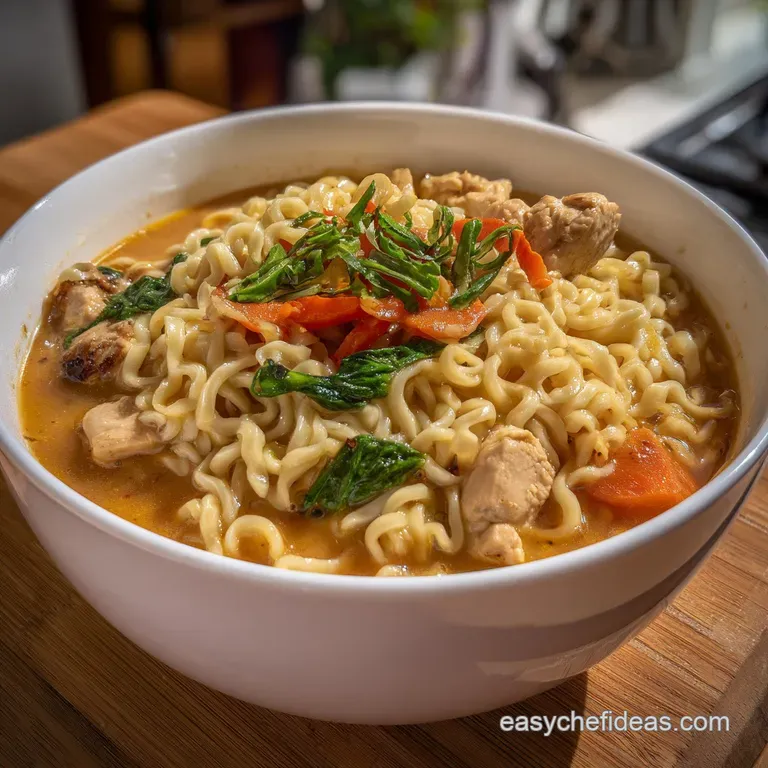
Selecting the Best Ramen Noodles for Optimal Slurp
Look for high-quality, fresh ramen noodles if you can find them. They usually have that lovely yellow hue and a springier texture. Dried noodles work perfectly too, just be meticulous about following the cooking time on the package; they tend to overcook quickly.
For this specific Creamy Chicken Ramen , the chewiness of a good alkaline noodle is essential.
Navigating Broth Bases: high-quality Stock vs. Concentrates
If you use a bouillon cube or concentrate, be extremely careful with the added soy sauce and miso. Those concentrates are often sodium bombs. I highly recommend investing in low-sodium liquid chicken stock.
It gives you maximum control over the final seasoning of your beautiful Homemade Creamy Ramen .
Which Fat Source Delivers the Deepest Broth Richness?
We use a two-pronged fat attack here. First, neutral oil for searing the chicken, which leaves flavorful fond . Second, toasted sesame oil added to the aromatics. Sesame oil is volatile, meaning its flavor dissipates quickly, so adding it early lets it infuse the ginger and garlic before the liquid is introduced.
Adjusting the Salt Content: Low-Sodium Options for the Broth
If you are watching your salt intake, choose low-sodium stock and use Tamari (gluten-free soy sauce) instead of standard soy sauce. You can always add salt at the end, but you can’t take it out once it’s in. Start conservatively!
Making the Broth Thicker: Alternative Creaming Agents
If you don't want to use heavy cream, full fat coconut milk provides incredible richness without the dairy flavor overwhelming the umami base. A slurry of cornstarch or potato starch (mixed with cold water) can also be whisked in at the end to gently thicken the broth, but the texture won't be as inherently creamy as dairy or coconut milk.
Topping Ideas for Final Presentation and Texture
The goal of toppings is texture contrast. Sliced spring onions add sharpness, and nori adds a crispy, sea-salt quality. If you want something green, a side of On The Stove: Creamy Sweetcorn in 13 Minutes adds a lovely burst of sweetness.
The step-by-step Method for Perfect Broth and Noodle Harmony
Follow these steps exactly to ensure your Easy Creamy Chicken Ramen Recipe comes out perfect every single time.
Preparing the Aromatics and Umami Foundation
First things first, get those eggs in the water for exactly six and a half minutes and into an ice bath no negotiation! Next, sear your chicken thighs in the hot oil until they are golden brown and beautiful. Remove them and hold them aside.
Now, reduce the heat and add the sesame oil, minced garlic, ginger, and the white onion parts. Sauté until the aromatics are singing that means they smell sweet and nutty, about two minutes.
Achieving the Ideal Broth Emulsion (The Creaminess Phase)
Pour in the chicken stock, soy sauce, mirin, and rice vinegar. Bring that mixture to a simmer, then whisk in the miso paste until it completely disappears. Return the seared chicken thighs to the simmering broth and let them cook gently for about 15 minutes.
Once the chicken is done, take it out to rest before shredding or slicing.
Crucial Chef’s Note: Now is the time for the cream. Reduce the heat significantly and stir in the heavy cream or milk. Maintain the heat just enough to keep the soup steaming, but do not boil .
This gentle simmer melts the cream beautifully into the broth, resulting in that spectacular Creamy Chicken Ramen Broth . Taste and adjust the seasoning.
Cooking Your Ramen Noodles Properly to Al Dente
While the broth is simmering gently, boil a separate pot of water. Cook your noodles for the minimum time listed on the package, usually 3 to 5 minutes. You want them springy and slightly underdone, or al dente .
Drain them immediately and give them a quick toss to prevent sticking.
Assembly Protocol: Building a Cohesive, Hot Bowl
Building the bowl quickly is key to serving a piping hot, perfect dish. Divide the noodles evenly among the four warmed serving bowls. Ladle the rich, hot Best Creamy Chicken Ramen broth over the noodles.
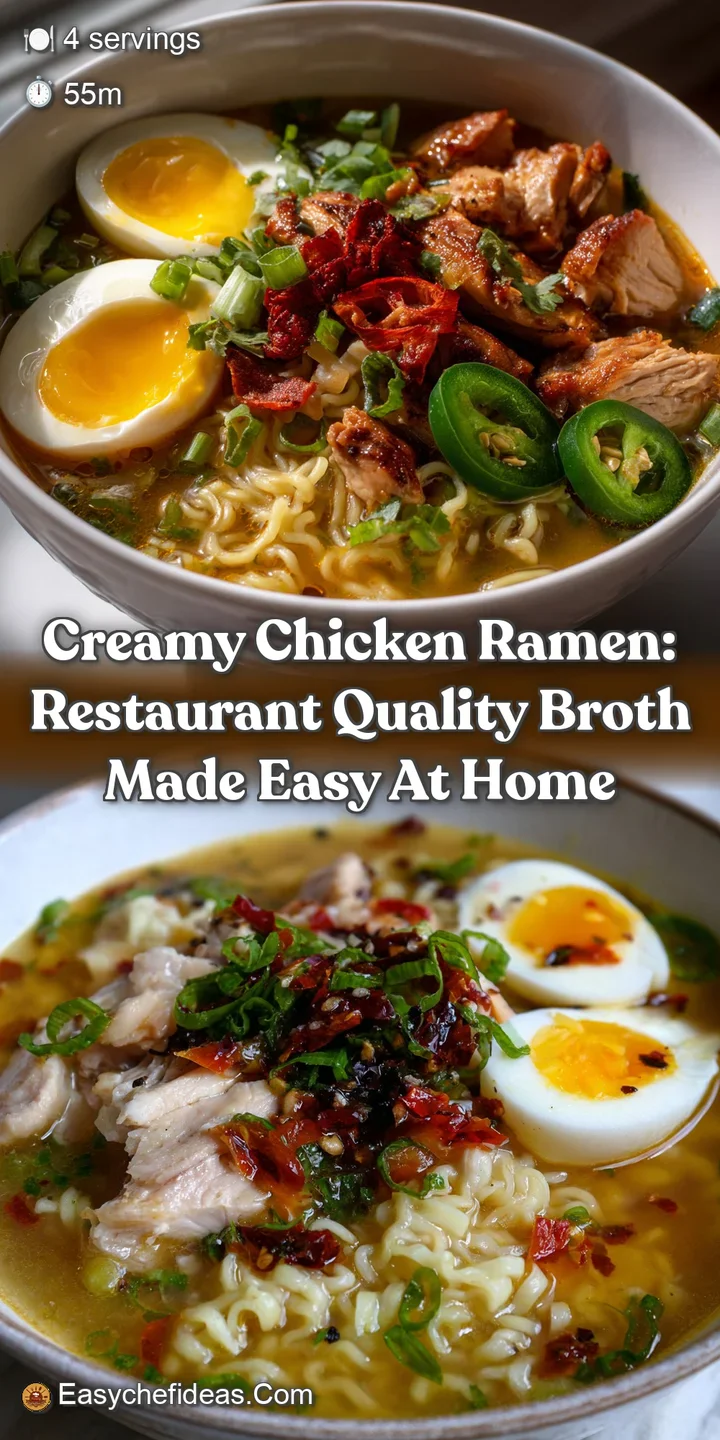
Top with the sliced chicken, the perfect jammy egg halves, fresh spring onions, and a sprinkle of nori strips. If you love heat like I do, a dollop of chili crisp oil is mandatory.
Chef's Secrets: Troubleshooting and Elevating Your Homemade Ramen
Preventing Noodles from Getting Soggy (The Biggest Common Mistake)
This is where most people fail! If you know you're going to have leftovers, do not store the noodles in the broth. The noodles act like tiny sponges and will absorb all your lovely liquid, becoming mushy in the process. Store them separately, always.
The Mellowing Effect: Why Resting the Broth Helps
Even though this is a quick recipe, if you can let the finished, non-creamy broth base (before adding the milk) rest for 15– 20 minutes off the heat, the flavor of the ginger and miso will deepen beautifully. Then, gently reheat and add the cream right before serving.
Essential Tools for Streamlining the Ramen Process
A fine mesh sieve is indispensable for whisking in the miso and ensuring the broth is smooth. I also use a small kitchen scale to accurately measure my noodles and stock, which helps maintain consistency. And seriously, invest in decent tongs for handling the eggs and noodles.
Storing Leftovers: Keeping Your Broth and Noodles Fresh
Can I Freeze the Creamy Ramen Broth Base?
Yes, but with caveats. You should freeze the broth before adding the heavy cream. The high fat content in dairy tends to separate and become slightly grainy when thawed. Freeze the plain, seasoned broth base (the tare and stock) in airtight containers for up to three months.
When reheating, bring it to a simmer, then whisk in the cream fresh.
Reheating Instructions for Maximum Flavor Retention
If you have separated the noodles and the creamy broth, reheating is simple. Gently warm the broth on the stovetop over medium low heat until steaming hot. Do not let it boil. Boil fresh water, quickly dip the refrigerated cooked noodles in for 30 seconds to warm them up, then assemble the bowl as usual.
Suggested Beverage Pairings
Because this Creamy Chicken Ramen is rich and savory, you need something crisp and refreshing to cut through it. A chilled glass of dry sake or a light, crisp pale ale works wonders. If you are leaning into a comfort beverage, a simple glass of iced tea helps reset the palate between those luxurious, creamy spoonfuls. Try pairing it with my super comforting Chicken Thigh Slow Cooker: Hunters Comfort Casserole on another night for a deep dive into winter food.
Recipe FAQs
How do I prevent my ramen noodles from getting mushy in the broth?
The key to perfect noodles is timing and separation. Always cook your ramen noodles according to package directions, drain them immediately, and only add them directly to the bowl when you are ready to serve and eat.
If you leave the noodles soaking in the hot broth, they will continue to absorb liquid and become overcooked and starchy.
My broth looks slightly separated or gritty. What went wrong?
This is often caused by boiling the broth aggressively after the heavy cream has been added, as high heat can cause dairy fats to break or curdle. To prevent this, reduce the heat to a gentle simmer immediately after incorporating the cream.
Ensure you are using full fat heavy cream for stability, and whisk it in thoroughly.
I want to boost the umami flavor further. What ingredients should I use?
Umami is built on depth. Try incorporating a tablespoon of white miso paste into the broth base before adding the cream, or use high-quality dried shiitake mushrooms reconstituted in the chicken stock. A final small drizzle of toasted sesame oil or fish sauce just before serving can also amplify the savory notes.
Can I make this recipe dairy-free or vegan?
Yes, you can substitute the heavy cream with full fat canned coconut milk to achieve a similar creamy, luxurious mouthfeel. For a completely vegan version, substitute the chicken stock with high-quality mushroom or vegetable stock, and use a plant based protein like pan-fried tofu or seitan.
How should I store leftover Creamy Chicken Ramen?
Ramen should never be stored assembled. Separate the broth, chicken, and toppings, storing them in airtight containers in the refrigerator for up to three days. When ready to eat, reheat the broth gently and combine it with freshly cooked noodles and toppings.
Can I use a different protein besides chicken, like pork or beef?
Absolutely. Thinly sliced marinated pork belly (chashu) or roasted pork shoulder works exceptionally well with this creamy base. If using pork, try to render some of the fat and use it to sauté the initial aromatics, which will further deepen the richness of the broth.
What is the best way to add some spiciness to the ramen?
The most straightforward method is to offer chili oil (Rayu) or Sriracha as a topping for individuals to customize their heat level. For heat integrated into the broth, sauté a pinch of red pepper flakes or finely diced jalapeño with the garlic and ginger at the beginning of the cooking process.
Ultimate Creamy Chicken Ramen

Ingredients:
Instructions:
Nutrition Facts:
| Calories | 259 kcal |
|---|---|
| Protein | 17.4 g |
| Fat | 12.0 g |
| Carbs | 20.5 g |
