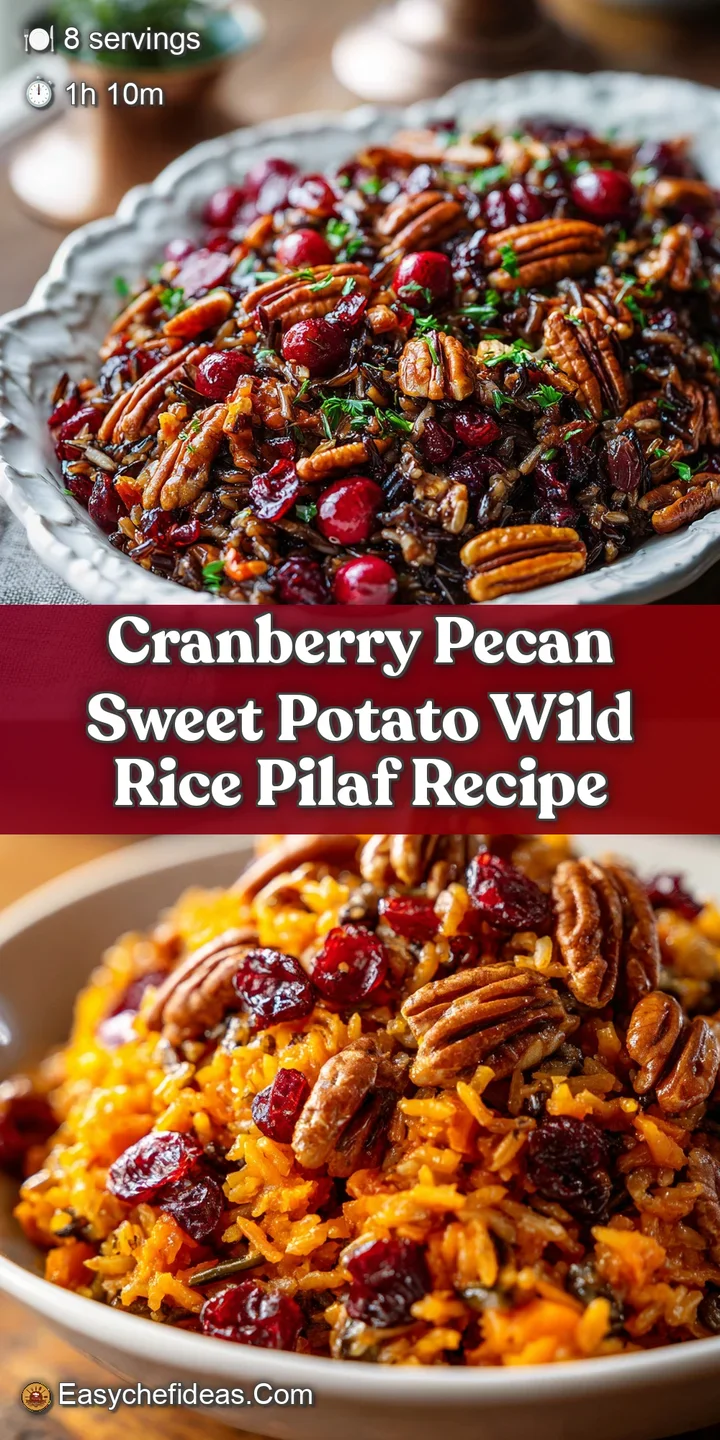
Cranberry Pecan Sweet Potato Wild Rice Pilaf
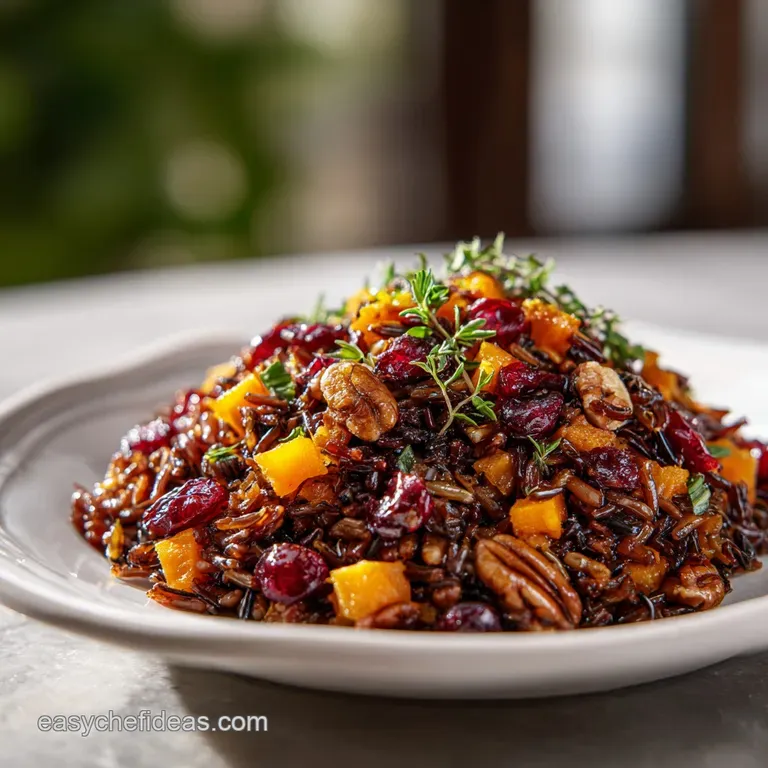
- Time: Active 20 minutes, Passive 50 minutes, Total 1 hours 10 mins
- Flavor/Texture Hook: Nutty, chewy grains paired with velvety roasted roots and a shatter crisp pecan finish.
- Perfect for: Holiday gatherings, nourishing meal prep, or a vibrant Sunday roast side.
- A Vibrant Autumn Feast: Cranberry Pecan Sweet Potato Wild Rice Pilaf
- Why This Harmony of Grains and Roots Nourishes Deeply
- Essential Timing and Texture Targets for Pilaf Success
- Selecting the Finest Elements for a Flavorful Harvest Bowl
- Crucial Tools for a Flawless Pilaf Preparation
- The Multi Stage Process of Building Flavor Layers
- Avoiding Common Pitfalls and Kitchen Disasters
- Flexible Adjustments and Flavor Variations
- Safe Storage and Zero Waste Strategies
- Culinary Myths and Misconceptions
- Creative Presentation and Garnish Ideas
- Recipe FAQs
- 📝 Recipe Card
A Vibrant Autumn Feast: Cranberry Pecan Sweet Potato Wild Rice Pilaf
The first time I pulled a tray of these sweet potatoes out of the oven, the kitchen filled with that deep, sugary aroma that only happens when natural starches meet a hot pan. I remember watching the steam rise in little wisps while the wild rice bubbled away on the stove, its dark husks starting to curl back to reveal that beautiful, creamy interior.
It wasn't just a side dish, it felt like a celebration of the season, all tucked into one ceramic bowl.
We've all been there where a grain salad feels like an afterthought, maybe a bit dry or just one note. But this version is different because we treat every component with its own little bit of love.
The sweet potatoes get that gorgeous brown crust, the pecans get a quick toast to wake up their oils, and the fresh herbs bring a grassy brightness that cuts through the richness.
Honestly, this is the dish that people ask for seconds of before they even touch the main protein. It's hearty enough to feel like a meal but light enough that you don't feel weighed down.
We're going to build these flavors in stages, ensuring the rice is chewy, the potatoes are tender, and the cranberries provide that essential pop of sweetness in every single bite.
Why This Harmony of Grains and Roots Nourishes Deeply
Understanding the "how" behind this dish makes the cooking process so much more intuitive. We aren't just tossing things together, we're managing moisture and heat to ensure every texture stays distinct rather than turning into a mushy heap.
- The Botanical Architecture of Wild Rice: Unlike white rice, wild rice is actually a semi aquatic grass seed with a tough outer bran that requires longer hydration to "bloom" or crack open.
- Maillard Driven Sweetness: Roasting the 2 large Sweet Potatoes at 400°F (200°C) triggers the Maillard reaction, converting complex starches into simple sugars for a deeper, caramelized flavor profile.
- Tannin Balance: The tartness in the 1/2 cup (60g) Dried cranberries provides an acidic counterpoint to the earthy, mushroom like notes of the wild rice husks.
- Fat Soluble Aromatics: Sautéing the fresh thyme and rosemary in 2 tbsp (30g) Unsalted butter allows the essential oils to infuse the fat, coating every grain of rice with herbal fragrance.
Portion Planning and Serving Guide
| Servings | Sweet Potato Weight | Rice Volume | Recommended Pan |
|---|---|---|---|
| 4 people | 340g (1 large) | 0.75 cups | 10 inch Skillet |
| 8 people | 680g (2 large) | 1.5 cups | 12 inch Deep Skillet |
| 12 people | 1kg (3 large) | 2.25 cups | Large Dutch Oven |
While we often think of this as a holiday staple, its nutritional diversity makes it a fantastic base for a weekday power bowl. If you're looking for other ways to bring comfort to your table, you might enjoy the techniques used in this Autumn Comfort Butternut recipe which also celebrates that sweet and savory balance.
Essential Timing and Texture Targets for Pilaf Success
Precision is your friend when dealing with wild rice. It doesn't behave like Jasmine or Basmati, so we have to watch for specific visual cues rather than just relying on a timer.
Component Deep Dive
| Ingredient | Science Role | Pro Secret |
|---|---|---|
| Wild Rice | Structural Base | Cook in stock instead of water to permeate the dense grain with savory depth. |
| Sweet Potatoes | Moisture & Creaminess | Dice them small (1/2 inch) to maximize surface area for caramelization. |
| Apple Cider Vinegar | pH Brightener | A tiny splash at the end acts as a "flavor highlighter," making the earthy notes pop. |
| Raw Pecans | Lipid Crunch | Toast them until you can smell them, then pull them off the heat immediately to prevent bitterness. |
Adding a splash of acidity, like the 1 tsp (5ml) Apple cider vinegar, is a trick I learned after years of wondering why my grain dishes tasted "flat" despite having plenty of salt. It's that tiny touch of sour that wakes up your taste buds.
Selecting the Finest Elements for a Flavorful Harvest Bowl
Each ingredient here plays a specific role in the community of flavors we're building. If you can't find something, don't worry, we've got swaps that keep the spirit of the dish alive.
- 1.5 cups (240g) Uncooked 100% Wild Rice: Use true wild rice, not a blend, for the best chewy texture.
- Substitute: Black Forbidden Rice. Why this? It has a similar nutty flavor and stays firm when cooked.
- 2 large Sweet Potatoes (680g): Look for firm ones without soft spots.
- Substitute: Butternut Squash. Why this? Offers the same roasted sweetness and velvety interior texture.
- 4 cups (950ml) Vegetable or chicken stock: Low sodium is best so you can control the salt.
- Substitute: Water with bouillon. Why this? Provides the liquid base while still adding essential savory notes.
- 1/2 cup (65g) Raw pecans: Roughly chopped for varied texture.
- Substitute: Walnuts. Why this? Provides a similar fatty crunch and pairs beautifully with cranberries.
- 1/2 cup (60g) Dried cranberries: These provide the tart "jewels" of the dish.
- Substitute: Dried cherries. Why this? Tart cherries offer a more sophisticated, slightly less sweet profile.
- 2 tbsp (30g) Unsalted butter: This adds a silky mouthfeel to the final sauté.
- Substitute: Extra virgin olive oil. Why this? Keeps the dish vegan while providing healthy fats.
- Fresh Herbs (Thyme, Rosemary, Parsley): Essential for that garden fresh finish.
- Substitute: Dried herbs (use 1/3 the amount). Why this? Concentrated flavor that holds up well during the sauté phase.
Chef's Tip: Freeze your pecans for 10 minutes before chopping. The cold fat in the nuts makes them "shatter" into clean pieces rather than crumbling into a dusty mess under your knife.
Crucial Tools for a Flawless Pilaf Preparation
You don't need a professional kitchen, but a couple of specific items make a world of difference. A heavy bottomed pot, like a Dutch oven, ensures the rice cooks evenly without scorching at the bottom. For the sweet potatoes, a large rimmed baking sheet is non negotiable.
If you overcrowd the pan, the potatoes will steam rather than roast, and we want that golden, slightly crispy edge.
I also highly recommend using a fine mesh strainer to rinse the rice. Wild rice can sometimes have a bit of dusty residue from the harvesting process, and a quick rinse ensures a clean, bright flavor. If you find yourself enjoying these types of roasted vegetable dishes, you should check out my guide on The Secret to recipe for even more tips on getting that perfect exterior.
The Multi Stage Process of Building Flavor Layers
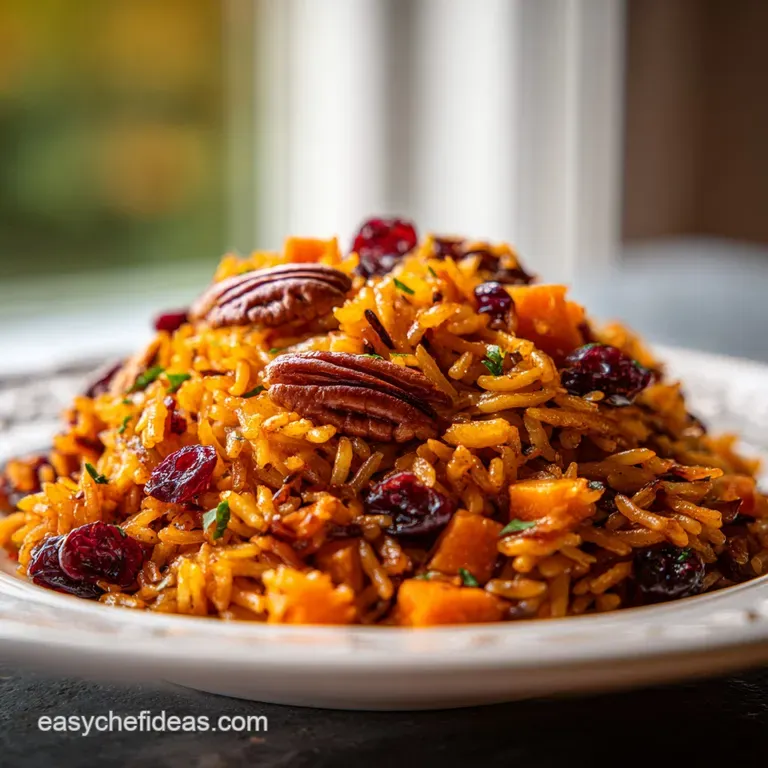
Success with this dish comes from managing the different cook times of each component. While the rice simmers, the potatoes roast, and the aromatics get prepared.
Precision Checkpoints for Success
- Oven Heat: Ensure your oven is fully preheated to 400°F (200°C) before the potatoes go in.
- Rice Texture: The rice is done when about 70% of the grains have "blossomed" or burst open slightly.
- Aromatic Sizzle: The garlic should only cook for 30-60 seconds until fragrant, never brown.
step-by-step Instructions
- Prep the oven. Preheat to 400°F (200°C) and line a large baking sheet with parchment paper. Note: This prevents sticking and helps with cleanup.
- Roast the potatoes. Toss the diced 680g sweet potatoes with 2 tbsp (30ml) olive oil, 1/2 tsp (3g) sea salt, and 1/4 tsp (1g) pepper. Spread in a single layer and bake for 25-30 minutes until golden and tender when pierced.
- Simmer the grains. Rinse 1.5 cups (240g) wild rice, then combine with 4 cups (950ml) stock in a large pot. Bring to a boil, then reduce heat to low, cover, and simmer for 45-50 minutes until grains are tender but still have a bite.
- Drain and rest. Drain any excess liquid from the rice and let it sit, covered, for 5 minutes. Note: This allows the steam to finish softening the grain husks.
- Toast the pecans. In a large skillet over medium heat, add the 65g chopped pecans. Stir frequently for 3-5 minutes until they smell nutty and look a shade darker. Remove and set aside.
- Sauté aromatics. In the same skillet, melt 2 tbsp (30g) butter. Add the 150g diced onion and cook for 5 minutes until translucent and soft.
- Infuse with herbs. Add the minced garlic, 1 tbsp (4g) thyme, and 1 tsp (1g) rosemary to the onions. Stir for 1 minute until the kitchen smells incredibly fragrant.
- The big combine. Add the cooked rice, roasted sweet potatoes, and 60g dried cranberries to the skillet. Toss gently to coat everything in the herb butter.
- Final seasoning. Stir in the 1 tsp (5ml) apple cider vinegar and the 1/4 cup (10g) fresh parsley. Taste and add another pinch of salt if needed.
- Garnish and serve. Fold in the toasted pecans at the very last second so they stay perfectly crunchy.
| Fresh Herb | Dried Equivalent | Flavor Profile |
|---|---|---|
| 1 tbsp Fresh Thyme | 1 tsp Dried Thyme | Earthy, slightly lemony, very pungent. |
| 1 tsp Fresh Rosemary | 1/4 tsp Dried Rosemary | Woody, pine like, dominates if overused. |
| 1/4 cup Fresh Parsley | 1 tbsp Dried Parsley | Grassy and bright (fresh is much better here). |
Avoiding Common Pitfalls and Kitchen Disasters
Even the best cooks run into trouble with wild rice. It's a temperamental grain that doesn't follow the 2:1 water to rice ratio of its cousins.
The Mystery of the Crunchy Rice
If your rice is still hard after 50 minutes, it's usually because the simmer was too low or the lid wasn't tight enough, allowing moisture to escape. Just add another 1/2 cup of stock and keep going. Wild rice is forgiving in that it won't turn to mush instantly like white rice will.
The Soggy Potato Syndrome
This usually happens if the potatoes were crowded on the pan. They end up boiling in their own juices rather than roasting. If you find your potatoes looking pale and wet, turn the oven up to 425°F (220°C) for the last 5 minutes to force some evaporation and browning.
Quick Fix Troubleshooting
| Problem | Root Cause | Solution |
|---|---|---|
| Rice is mushy | Overcooked or too much liquid left | Drain immediately and spread on a baking sheet to air dry. |
| Bland flavor | Under seasoned at the start | Add a splash more vinegar or a pinch of flaky salt before serving. |
| Burned pecans | Heat was too high or pan was left alone | Toss them out; burned nuts are bitter. Toast a new batch on medium low. |
Common Mistakes Checklist
- ✓ Don't skip rinsing the rice; it removes excess starch and debris.
- ✓ Pat the sweet potatoes dry with a paper towel after dicing to ensure they roast, not steam.
- ✓ Resist the urge to peek! Keeping the lid on the rice pot is essential for heat retention.
- ✓ Toast the pecans separately; adding them to the sautéed onions will make them soggy.
- ✓ Use a large enough skillet for the final assembly so you can toss without mashing the potatoes.
Flexible Adjustments and Flavor Variations
This recipe is a canvas. Depending on the season or your pantry, you can pivot the flavor profile quite easily without losing the soul of the dish.
Flavor Profile Shifts
- The Mediterranean Twist: Swap the cranberries for chopped sun dried tomatoes and use feta cheese instead of pecans. Use oregano instead of rosemary.
- The Spicy Harvest: Add a 1/2 tsp of smoked paprika to the sweet potatoes before roasting and toss in a few red chili flakes with the garlic.
Dietary Modifications
- Vegan Version: Use 2 tbsp (30ml) of a high-quality olive oil or avocado oil instead of butter. Use vegetable stock instead of chicken stock.
- Nut Free: Swap the pecans for toasted pumpkin seeds (pepitas) or sunflower seeds. They provide that same essential crunch without the allergens.
If you are cooking for a crowd and need to adjust the quantities, remember these rules. When scaling down (1/2 recipe), use a smaller pot for the rice to maintain the liquid level. When scaling up (2x), you will likely need two baking sheets for the potatoes. Don't crowd them!
Use 1.5x the salt and spices rather than doubling them, then adjust to taste at the end. Liquid can usually be reduced by about 10% when doubling as there is less evaporation per volume.
Safe Storage and Zero Waste Strategies
This pilaf is famous for being even better the next day as the flavors have time to mingle and the rice absorbs the herbal butter.
- Fridge: Store in an airtight container for up to 4 days. The rice might firm up, so add a teaspoon of water when reheating.
- Freezer: You can freeze the cooked rice and roasted potatoes separately for up to 3 months. I don't recommend freezing the fully assembled dish with pecans, as the nuts will lose their texture.
- Reheating: Use a skillet over medium low heat with a tiny bit of butter. This helps re crisp the potatoes. A microwave works too, but you'll lose that roasted texture.
Zero Waste Tip: Don't throw away those parsley stems or the onion skins! Toss them into a freezer bag. Once the bag is full, simmer them with water to make your own vegetable scrap stock for the next time you make this pilaf.
Also, if you have leftover roasted sweet potatoes, they are incredible mashed into a pancake batter the next morning.
Culinary Myths and Misconceptions
There are a lot of old wives' tales about wild rice that simply don't hold up under the heat of the stove.
- "Wild rice must be soaked overnight." False. While soaking can reduce cook time by about 10-15 minutes, it isn't necessary for a tender result. A simple 45-50 minute simmer is more than enough for the grains to bloom properly.
- "You can't overcook wild rice." False. While it is tougher than white rice, if you cook it until all the grains are completely "exploded," it becomes waterlogged and loses that signature nutty chew. You want a mix of curled and straight grains.
- "Sweet potatoes shouldn't be peeled." This is a preference, but for this pilaf, I recommend peeling. The skin can become papery and separate from the flesh during the final sauté, creating an unpleasant texture against the smooth rice.
Creative Presentation and Garnish Ideas
We eat with our eyes first, and this dish has such a naturally beautiful color palette that it doesn't take much to make it look like a center fold.
Layering for Visual Impact
Instead of just stirring everything into a heap, try this: spread the rice and onion mixture onto a large, shallow platter first. Then, scatter the golden sweet potatoes and bright red cranberries over the top. This prevents the potatoes from getting buried and keeps the colors vibrant.
The Final Garnish
Save a handful of the toasted pecans and fresh parsley to sprinkle on top right before the platter hits the table. If you're feeling fancy, a few pomegranate arils add a jewel like shimmer and an extra burst of fresh acidity that looks stunning against the dark wild rice.
Choosing the right vessel also matters. A dark ceramic bowl or a wooden harvest tray complements the earthy tones of the dish. Avoid bright white plates if you can, as the contrast can sometimes make the earthy rice look a bit dull.
Instead, go for warm tones creams, deep greens, or even copper serving pieces to really Lean into that "nourishing community" vibe we're going for.
Honestly, just have fun with it. This is a dish meant for sharing, for passing around a table filled with friends, and for feeling completely nourished by the bounty of the earth. Trust your senses, watch for those rice grains to bloom, and enjoy the sizzle of those potatoes. You've got this!
Recipe FAQs
Can I substitute the wild rice with brown or white rice?
No, this will significantly change the texture. Wild rice requires a much longer cooking time (45-50 minutes) and retains a chewier, nuttier integrity which is essential against the soft potatoes.
How do I ensure my sweet potatoes roast nicely instead of steaming?
Spread the diced sweet potatoes in a single, uncrowded layer on a preheated, rimmed baking sheet. Crowding traps moisture, forcing them to steam; high heat (400°F/200°C) encourages caramelization.
How do I toast the pecans perfectly so they don't burn?
Toast the pecans in a dry skillet over medium low heat for 3-5 minutes, stirring constantly until you smell them distinctly, then immediately remove them from the pan.
Is it true that dried cranberries should be soaked before adding to the pilaf?
No, soaking is unnecessary for this recipe. The moisture released during the final sauté and mixing phase is enough to plump the cranberries adequately without making them mushy.
How far in advance can I cook the wild rice component?
Yes, you can cook the wild rice up to two days ahead of time. Store it refrigerated, and when reheating, add a tablespoon of stock or water to refresh its moisture before incorporating it with the final ingredients.
What can I use instead of pecans if I have a nut allergy?
Substitute pecans with toasted pumpkin seeds (pepitas) or sunflower seeds. This swap maintains the essential crunchy element needed to contrast the soft rice and potatoes.
Why should I add a splash of apple cider vinegar at the very end?
The vinegar acts as a brightener, balancing the earthiness of the rice and the sweetness of the potatoes. This touch of acid cuts through the richness, ensuring the dish tastes lively. If you enjoy this balancing act of sweet and savory flavors, see how we apply similar flavor science in our Homemade Teriyaki Sauce recipe for a different application.
Sweet Potato Wild Rice Pilaf
Ingredients:
Instructions:
Nutrition Facts:
| Calories | 331 kcal |
|---|---|
| Protein | 6.6 g |
| Fat | 13.0 g |
| Carbs | 48.4 g |
| Fiber | 6.2 g |
| Sugar | 10.8 g |
| Sodium | 348 mg |
