Filipino Chicken Adobo: the Sticky, Tangy One-Pot Weeknight Supper

- The Ultimate Filipino Classic: Sticky & Tangy Chicken Adobo (The One-Pot Wonder)
- Unlocking the Umami: Why Filipino Chicken Adobo Is a Weeknight Superstar
- Mastering the Fundamentals: Key Ingredients for Authentic Adobo
- Nutrition and Serving Information (Per Serving)
- How to Cook the Ultimate Filipino Chicken Adobo: Step-by-Step Guide
- Chef’s Secrets: Troubleshooting and Perfecting Your Adobo
- Storing and Meal Prepping: Maximizing the Shelf Life of Filipino Chicken Adobo
- What to Serve Alongside Your Sticky & Tangy Adobo
- Recipe FAQs
- 📝 Recipe Card
The Ultimate Filipino Classic: Sticky & Tangy Chicken Adobo (The One-Pot Wonder)
Unlocking the Umami: Why Filipino Chicken Adobo Is a Weeknight Superstar
I’m telling you, the second this dish starts simmering, your entire house transforms. That scent of potent vinegar fighting with fragrant garlic, softening, then melding with rich soy sauce is simply intoxicating.
It smells earthy, tangy, and deeply comforting, promising a meal that will cure anything that ails you.
This isn’t just good food; it’s a brilliant, fast lifesaver for those manic weeknights. You need maybe fifteen minutes of actual effort, and then the pot does all the heavy lifting for you.
Plus, let's be real, the ingredients are cheap, straightforward pantry staples, making this the best kind of budget friendly, authentic Filipino Chicken Adobo.
Forget the fussy recipes you've seen floating around. This is the simple, honest, sticky, and tangy method that produces fork tender chicken every single time. Grab your soy sauce and let’s crack on with the ultimate Chicken Adobo recipe slow cooker style even if we are using a Dutch oven!
Mastering the Fundamentals: Key Ingredients for Authentic Adobo
A Culinary Icon: What Makes Adobo the National Dish?
Adobo is famous because it perfectly represents preservation through acid and salt it was historically a way to keep meat in a tropical climate. It's a truly elemental dish.
The magic lies in the beautiful, sometimes aggressive, balance between the two strongest flavors: salinity from the soy and sourness from the vinegar.
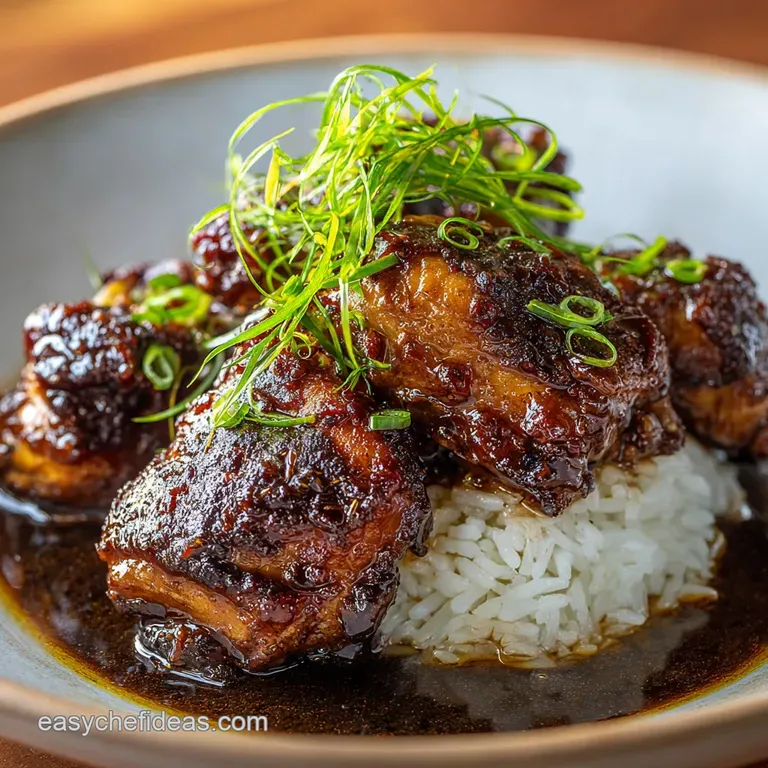
This isn't just about flavour, it’s about texture, too. Simmering the chicken gently ensures it is absolutely tender, while the final, rapid reduction stage creates that signature, beautiful, glossy glaze.
We are creating an Authentic Filipino Chicken Adobo that is both succulent and slightly caramelized.
The Essential Flavor Trio: Soy, Vinegar, and Garlic Balance
Getting the sauce right is the only "trick" here. You need high-quality ingredients because there are so few of them. I always use low-sodium soy sauce just to give me more control over the final seasoning.
Garlic, of course, is non-negotiable. We use a whole head, because you deserve it. This balance of flavors makes it a foundational dish, much like how a perfectly seasoned Arroz Con Pollo Recipe: The Ultimate One-Pot Chicken and Rice Dish relies on its simple spice base.
Why This Recipe Is Perfect for the Home Cook (The One-Pot Method)
Honestly, this Adobo Chicken weeknight supper needs only one pot, which is my favourite kind of cleanup. We start by searing the chicken to build a foundation of flavour and achieve beautiful color. Then everything else gets dumped in and left to bubble away.
There is no complex staging or fancy technique required here. If you can boil water, you can master this braise.
Choosing the Right Cut: Optimizing the Chicken for Braising
I’m going to be really clear: use bone-in, skin-on chicken thighs and drumsticks. The fat and collagen released from the bones while simmering is what gives the sauce its incredible depth and body. Boneless is fine if you're in a huge hurry, but you will sacrifice a noticeable amount of richness.
Using bone-in cuts ensures that the chicken stays incredibly moist during the long braise. This isn’t a dish for dry white meat, trust me.
The Vinegar Factor: Why White Cane or Apple Cider Works Best
Cane vinegar is the traditional choice, offering a clean, slightly rounded acidity. If you can’t source cane vinegar, don't fret; Apple Cider Vinegar is a brilliant substitute.
Distilled white vinegar is too harsh sometimes, though it will work in a pinch if you add a tiny bit more sugar to compensate.
CRITICAL TIP: Do not stir the vinegar in immediately. Let it float on the surface for a few minutes before braising. This allows the volatile, sharp edges of the acid to cook off before they penetrate the meat, preventing a harsh, raw flavor.
Aromatic Depth: The Importance of Whole Garlic and Peppercorns
We aren't chopping the garlic finely; we are smashing those cloves and using them whole or roughly halved. They soften slowly in the braise and become these sweet, buttery nuggets you can mash right into your rice.
Whole black peppercorns are non-negotiable for the true Filipino Chicken Adobo flavour. They give a complex, aromatic heat that ground pepper simply can't achieve when simmered for this long.
Nutrition and Serving Information (Per Serving)
Full Ingredient List and Preparation Times
This recipe serves four very hungry people and requires about an hour of your time, but only 15 minutes of actual hands-on work.
| Stage | Time (Estimate) | Notes |
|---|---|---|
| Prep Time | 15 minutes | Chopping garlic, measuring liquids. |
| Cook Time | 45 – 55 minutes | 30 mins covered simmer, 15- 25 mins reduction. |
| Total Time | 60 – 70 minutes | The perfect Filipino Chicken Adobo recipe timing! |
| Ingredient | US Customary Measure | Substitution Tip |
|---|---|---|
| Bone-in, skin-on Chicken Thighs and Drumsticks | 8 pieces (approx. 1.2 kg) | Use boneless chicken thighs, but reduce the simmer time slightly. |
| Soy Sauce (low sodium recommended) | 1/2 cup | Tamari or Coconut Aminos (reduce salt usage). |
| Cane Vinegar (or good quality White Vinegar) | 1/3 cup | Apple Cider Vinegar or Rice Vinegar (milder). |
| Water (or Chicken Stock) | 1/2 cup | Basic tap water works perfectly fine. |
| Fresh Garlic Cloves | 1 head (12 15 cloves), smashed | Jarred minced garlic (use 2 Tbsp), but fresh is always better. |
| Whole Black Peppercorns | 2 tsp | 1 tsp of freshly ground black pepper (add near the end). |
| Dried Bay Leaves | 4 leaves | No substitute for the earthy aroma, but skip if needed. |
| Granulated Sugar (optional, for balance) | 1 tsp | Skip, or use a tiny drizzle of maple syrup. |
Detailed Nutritional Breakdown
We all want to know what we're eating, right? Due to the richness of the chicken and the use of soy sauce, this is a hearty dish. Remember, using low-sodium soy sauce is the biggest trick for managing sodium here.
(Estimate based on 1/4 of the recipe using skin-on, bone-in chicken.)
| Nutrient | Estimate Per Serving |
|---|---|
| Calories | 450 - 550 kcal |
| Protein | ~40g |
| Sodium | High (Adjust with low-sodium soy) |
Scaling the Recipe: Adjusting Quantities for a Crowd
Adobo is a fantastic dish for entertaining because it’s easily scalable. If you double the chicken, make sure you increase the braising liquid by about 75%, not a full 100%. More importantly, ensure your pot is wide enough that the chicken isn't stacked too deep.
If you decide to try an Instant Pot Adobo Chicken version, you would halve the liquid entirely, as none evaporates during pressure cooking. You then reduce the sauce after the pressure release.
How to Cook the Ultimate Filipino Chicken Adobo: step-by-step Guide
Stage 1: Preparation and Initial Searing
- Prep the Chicken: Pat the chicken pieces absolutely dry with paper towels. Seriously, dry chicken sears, wet chicken steams. Heat 1 Tbsp of neutral oil in your Dutch oven over medium high heat.
- Sear for Colour: Place the chicken, skin side down, into the hot pot. Sear until it has a nice golden crust, about 3- 4 minutes. You are only building color, not cooking it through. Remove the chicken and set it aside.
- Aromatics: Reduce the heat to medium low. Add your smashed garlic to the residual fat in the pot. Sauté gently until you smell that heavenly, nutty aroma about 60 seconds. Do not let the garlic brown or burn!
Stage 2: Braising (The Simmer)
- Build the Sauce Base: Return the chicken to the pot. Add the soy sauce, water or stock, peppercorns, bay leaves, and sugar. Nestle the pieces in so they fit snugly.
- Add the Key: Now pour in the vinegar. STOP. Do not touch it! Allow the vinegar to sit undisturbed on the surface for 3- 5 minutes before you do anything else. This crucial step mellows the acidity.
- Simmer: Bring the liquid just up to a gentle simmer, then give it a quick stir to fully combine. Cover the pot with a tight fitting lid, reduce the heat to low, and braise for 30 minutes until the chicken is fork tender.
Stage 3: Reduction and Finishing
- Remove Lid and Reduce: Take the lid off entirely. Turn the heat up to medium high. We need that liquid to bubble aggressively now!
- Thicken the Sauce: Continue simmering, flipping the chicken occasionally so the pieces glaze evenly, for 15 to 20 minutes. The sauce should reduce visibly, becoming thick, dark, and syrupy, clinging to the chicken pieces.
- Serve: Remove the bay leaves before serving. Transfer the sticky, glorious chicken and the remaining thick sauce over a mound of hot rice. If you want ultra crispy skin, you can take a cue from my method for Thin Sliced Chicken Cutlets: Golden Crispy pan-fried Recipe and briefly pop the chicken pieces under the broiler for two minutes right before saucing.
Chef’s Secrets: Troubleshooting and Perfecting Your Adobo
Marinating and Searing: Building the Flavor Base
I generally skip the overnight marinade for Adobo because the chicken spends so long braising in the liquid anyway. A quick dry brine (salt only) is sometimes helpful, but searing the chicken is the real key to flavor development.
Searing creates a depth of flavor, or Maillard reaction, that you simply can’t get by just dumping raw chicken into liquid. It’s worth the extra five minutes, I promise.
The Simmer Stage: Achieving Tender Chicken and Reducing the Sauce
Low and slow is the mantra for the first stage. We are aiming for a gentle, barely there simmer not a rolling boil. If you cook it too fast, the chicken seizes up and the moisture leaves.
The subsequent high heat reduction is essential for creating the ‘adobo’ glaze. If you don't reduce the sauce enough, you end up with sour chicken soup, which is a tragedy.
Finishing Touches: Reducing the Sauce to Achieve the Signature 'Sticky' Texture
The sauce is reduced enough when you can drag your spoon across the bottom of the pot and see the exposed surface for a moment before the liquid fills it in. You want it to coat the chicken beautifully.
If you want a little variation on your Filipino Chicken Adobo recipe , stir in 1/2 cup of full fat coconut milk right at the end of the reduction stage for a creamy finish that’s called Adobo sa Gata!
Preventing the Sauce from Being Too Salty or Too Sour
This is the most common mistake home cooks make. If your sauce is too salty, add a splash more water or stock and a teaspoon of sugar to rebalance. If it’s too sour (the vinegar hit is too strong), you definitely need that teaspoon of sugar sugar mutes acidity brilliantly.
If you are concerned about salt from the start, use low-sodium soy sauce and hold back a bit of the vinegar until the reduction stage, then taste and add if necessary.
Maximizing the Garlic Flavor Without Burning
As I mentioned in the searing stage, watch that garlic like a hawk! If the garlic burns, the whole dish tastes bitter and acrid. Sauté it until just fragrant and slightly softened, then immediately pour in the liquids to stop the cooking process.
Mashing one or two of those softened, whole garlic cloves into the sauce right before serving will maximize that deep, mellow garlic flavour.
The Resting Rule: Why Adobo Tastes Better the Next Day
This is the absolute truth about Adobo: leftovers are superior. The hours spent chilling allow the fat to solidify and the vinegar and soy to deeply penetrate the chicken.
Make this on Sunday, chill it completely, then reheat it gently on Monday. The flavors will have melded into a harmonious, magnificent whole.
Storing and Meal Prepping: Maximizing the Shelf Life of Filipino Chicken Adobo
Refrigeration and Reheating: Best Practices
Adobo stores beautifully in an airtight container for up to 4 days in the fridge. When reheating, I prefer to use a shallow pan over medium low heat.
Pour the leftover sauce over the chicken and let it slowly heat until bubbling. This keeps the meat moist and prevents the glaze from separating.
Freezing Guidelines: How to Store for Long Term Flavor
But does it freeze well? You bet it does. Due to the high acid and salt content, it preserves wonderfully. Freeze it in a sealed container for up to 3 months.
When ready to eat, thaw it overnight in the fridge. Reheat gently on the stovetop, adding a splash of water if the sauce seems too thick or separated after thawing. This is such a great candidate for batch cooking!
Adobo Leftover Hacks (e.g., Flaked Adobo Rice)
Don't let any of that incredible flavour go to waste! Shred any leftover chicken and toss it into hot, steamed rice with a little extra sauce, maybe some chopped scallions, and a fried egg on top. Instant Adobo Rice —it’s pure genius.
You can also use the shredded chicken as a filling for quick Enchilada Chicken RollUp: Easy Baked Recipe for Weeknight Comfort by substituting the enchilada spices for the Adobo sauce, creating a tangy, savoury twist!
What to Serve Alongside Your Sticky & Tangy Adobo
The Essential Pairing: Steamed Jasmine Rice
Do not skip the rice. Adobo is intentionally salty and tangy to be eaten with a generous, neutralizing mound of hot, plain rice. Jasmine rice is traditional and offers a beautiful floral aroma.
The rice is there solely to soak up every glorious, thick drop of that reduced sauce. You want a big mountain of it.
Adding Freshness: Recommended Side Vegetables
Because the main dish is rich and savoury, you need something crisp and clean to cut through it. I usually serve quick steamed green beans tossed with sea salt, or perhaps a simple cucumber salad dressed with a tiny bit of lime juice.
Something crunchy and fresh provides a textural contrast that really makes the sticky sauce shine.
Achieving Balance: Drink Pairings to Complement the Tang
Adobo calls for something cold and crisp. A sharp, fizzy lemonade or even a simple carbonated water with lime works wonders against the rich, acidic profile. If you're going for something alcoholic, a very cold, light lager is the ideal pairing.
Recipe FAQs
Why is my Adobo sauce too salty or too sour?
Flavor balance is key in Adobo. If the dish tastes too salty, stir in a teaspoon of sugar and a splash of water or broth to dilute the soy sauce. If it is too sour, simply allow the dish to simmer for an additional 5 to 10 minutes without the lid, as cooking helps dissipate the harsh acidity of the vinegar.
Can I use boneless, skinless chicken breast for this recipe?
While you technically can, bone-in, skin-on cuts like thighs and drumsticks are highly recommended as they stay moist and tender during the long braising process. If using chicken breast, cut it into larger cubes and reduce the simmering time significantly to prevent the meat from becoming dry and stringy.
How do I make the sauce thicker and stickier?
The sauce naturally thickens as the rendered chicken fat emulsifies with the braising liquid. If you desire a very sticky glaze, remove the chicken once cooked and reduce the remaining sauce over high heat until it coats the back of a spoon.
Alternatively, you can use a cornstarch slurry (1 tsp cornstarch mixed with 2 tsp water) stirred in at the end.
What type of vinegar should I use for the most authentic flavor?
Traditional Filipino Adobo often uses cane vinegar (like Datu Puti or Sukang Iloco), which offers a milder, slightly sweeter tang than most Western vinegars. If cane vinegar is unavailable, distilled white vinegar or apple cider vinegar are acceptable substitutes, but use them sparingly until you taste the balance.
Can I substitute the chicken with other proteins?
Absolutely. Adobo is excellent with pork shoulder (Adobong Baboy) or beef, though these will require a longer braising time, usually 45 minutes to an hour, to become tender. For a vegetarian option, firm tofu, mushrooms, or hard boiled eggs can be simmered in the sauce for the final 15 minutes of cooking.
How long does Chicken Adobo last and can I freeze it?
Adobo is fantastic for meal prep, storing well in an airtight container in the refrigerator for up to 4 days, tasting even better the next day. While it can be frozen for up to 3 months, the texture of the chicken may degrade slightly upon thawing; ensure you reheat it gently on the stovetop to maintain moisture.
Sticky Filipino Chicken Adobo One Pot
Ingredients:
Instructions:
Nutrition Facts:
| Calories | 500 calories |
|---|---|
| Fat | 32 g |
| Fiber | 0.5 g |
