St Germain Spritz Cocktail Recipe
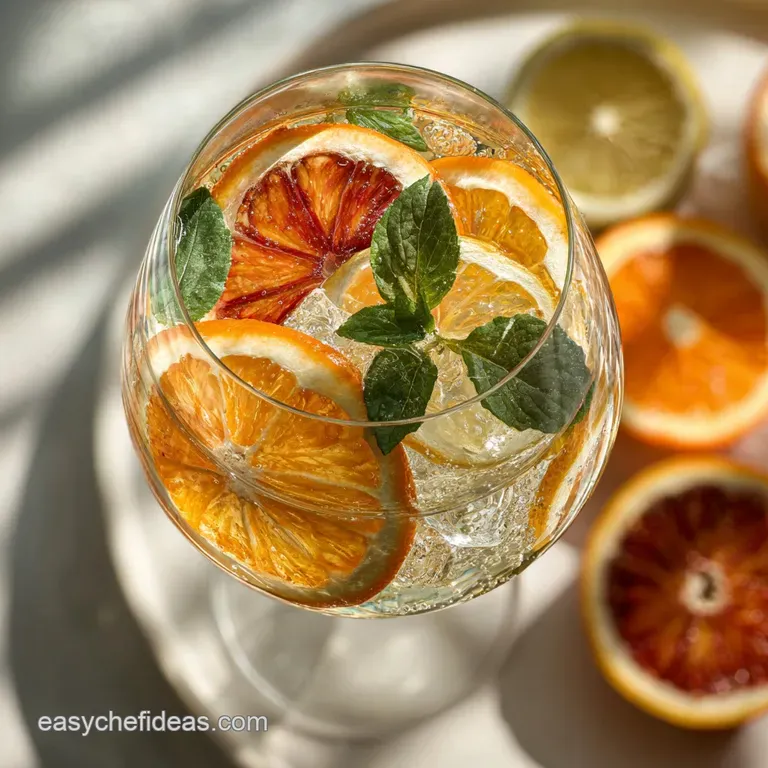
- Time: Active 5 minutes, Passive 0 minutes, Total 5 minutes
- Flavor/Texture Hook: Effervescent, crisp, and floral
- Perfect for: Garden parties, brunch, or a pre dinner aperitif
- Physics of Floral Effervescence
- Essential Recipe Specifications
- Selecting Quality Ingredients
- Necessary Barware and Tools
- Step-by-Step Mixing Guide
- Fixing Common Drink Blunders
- Exciting Flavor Adaptations
- Storing Ingredients Properly
- Presentation and Hosting Tips
- Debunking Spritz Myths
- Recipe FAQs
- 📝 Recipe Card
Physics of Floral Effervescence
Gas Solubility: Keeping the spirits and water ice cold ensures the carbon dioxide stays trapped in the liquid longer. Density Layering: Pouring the denser liqueur first allows the lighter Prosecco to naturally mix as it falls, reducing the need for bubble destroying stirs.
| Drink Vibe | Primary Flavor | Best For | Visual Cue |
|---|---|---|---|
| Classic | Floral & Balanced | Early Afternoon | Pale Straw Gold |
| Extra Dry | Crisp & Tart | Pre Dinner | Very Clear |
| Dessert Style | Sweet & Fruity | Post Meal | Rich Amber Tint |
Building layers of flavor is like building a community; every part needs to support the others. When we talk about the St Germain Spritz, we are looking at how the botanical notes of the elderflower interact with the acidity of the grapes. If you use a wine that is too fruity, the whole thing becomes a sugar bomb.
That is why we lean into the "Brut" side of life to keep things refreshing.
Essential Recipe Specifications
Getting the ratios right is the difference between a soggy mess and a drink that dances on the tongue. We use a specific sequence to ensure the fizz stays lively. If you are prepping for a crowd, keep your liquids in the back of the fridge until the very last second.
| Ingredient | Science Role | Pro Secret |
|---|---|---|
| St Germain | Sweetness & Body | Add first to anchor the base |
| Prosecco | Acidity & Bubbles | Use Brut to cut the liqueur sugar |
| Club Soda | Dilution & Lift | Use small batch soda for larger bubbles |
You might be tempted to use a cheaper sparkling wine, and honestly, sometimes that works. But since the wine makes up such a large part of the volume, its quality directly impacts the "mouthfeel." You want a wine that feels like a velvety scrub on the tongue, not one that leaves a cloying film.
Selecting Quality Ingredients
Selecting your components is an act of care. We want to nourish our guests with the best possible flavors. Here is what you need for a single, perfect serve.
- 1.5 oz St Germain Elderflower Liqueur: Why this? The gold standard for floral liqueur with real elderflower blossoms.
- Substitute: Elderflower syrup (non alcoholic) or a local artisanal elderberry liqueur.
- 2 oz Dry Prosecco (Brut or Extra Brut): Why this? Provides the necessary acidity to balance the sugar.
- Substitute: Cava or a dry sparkling Rosé for a pink twist.
- 2 oz Premium Club Soda: Why this? Adds clean effervescence without altering the flavor profile.
- Substitute: Sparkling mineral water for a slightly saltier, crisp finish.
- 1 thick Fresh Lemon wheel: Why this? The oils in the zest brighten the floral notes.
- Substitute: A lime wheel or even a slice of green apple.
- 1 small sprig Fresh Mint: Why this? Adds a cooling aromatic layer that hits the nose first.
- Substitute: A fresh basil leaf or a sprig of thyme.
- 4 large clear Ice cubes: Why this? Large cubes melt slower, preventing the drink from becoming watery.
- Substitute: Frozen grapes to keep it cold without any dilution.
Necessary Barware and Tools
You don't need a full laboratory to make this, but a few specific items help. I used to just use whatever cup was clean, but a stemmed glass keeps your hands from warming up the drink. It’s a small detail that makes a massive difference in how long the drink stays crisp.
- Highball or Wine Glass: A large bowl allows the aromatics of the mint and lemon to bloom.
- Jigger: Accuracy is key for the 1.5 oz and 2 oz measurements.
- Bar Spoon: A long handled spoon is helpful for a single, very gentle fold.
- Ice Mold: If you can, make large, clear cubes for that professional look.
step-by-step Mixing Guide
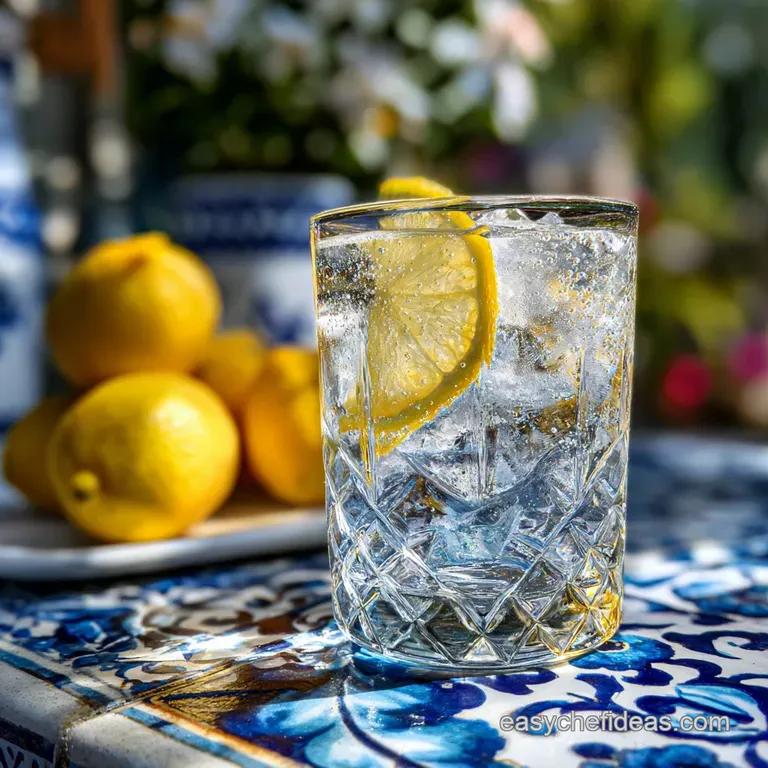
Let's put this together. The goal here is to preserve the "lift" of the bubbles while ensuring the flavor is integrated from top to bottom.
1. The Foundation and Chill
Place your 4 large clear Ice cubes into a chilled wine glass. Note: Chilling the glass beforehand prevents the ice from immediately melting and diluting your base.
2. Measuring the Base
Pour 1.5 oz St Germain Elderflower Liqueur over the ice. Listen for the faint sizzle as the liquid hits the cold surface.
3. Adding the Sparkle
Slowly pour 2 oz Dry Prosecco (Brut or Extra Brut) into the glass. Note: Pouring at an angle against the side of the glass helps preserve the carbonation.
4. The Effervescent Layering
Add 2 oz Premium Club Soda to the mix. Watch the bubbles rise through the liqueur, naturally lifting the syrup toward the top.
5. The Gentle Integration
Insert a bar spoon and give it exactly one half turn. Note: Over stirring is the enemy of the spritz; we want to keep the carbonation intact.
6. Preparing the Garnish
Take your 1 thick Fresh Lemon wheel and run it around the rim of the glass before dropping it in.
7. The Aromatic Finish
Take the 1 small sprig Fresh Mint and "slap" it against the back of your hand. This releases the essential oils without bruising the leaves.
8. Final Presentation
Tuck the mint sprig into the ice near the lemon wheel and serve immediately.
Fixing Common Drink Blunders
Even with a simple drink, things can go sideways. I once made a batch for a party where I pre mixed everything in a pitcher, and by the time guests arrived, it was as flat as a pancake. It was a sad, sugary mess that taught me the importance of the "order of operations."
Why your spritz tastes flat
If your drink lacks that sharp, carbonated bite, it usually comes down to temperature or agitation. Warm liquids cannot hold onto bubbles. Similarly, if you stir like you're mixing paint, you're literally forcing the gas out of the drink.
Why it tastes cloying
This usually happens when the Prosecco isn't dry enough. If you see "Dry" on a Prosecco label, it actually means it has more sugar than "Brut." It is one of those weird wine things. For this recipe, always look for Brut or Extra Brut to ensure the drink doesn't become syrupy.
| Problem | Root Cause | Solution |
|---|---|---|
| Too Sweet | Prosecco is too fruity | Switch to an "Extra Brut" or add more soda |
| Watering Down | Small ice cubes melting | Use larger cubes or frozen fruit |
| No Floral Aroma | Mint is old or muddled | Use fresh mint and "slap" it to release oils |
Common Mistakes Checklist
- ✓ Using room temperature Prosecco (kills the bubbles instantly)
- ✓ Stirring more than once (releases too much CO2)
- ✓ Forgetting to slap the mint (loses that vital aromatic layer)
- ✓ Using "Dry" Prosecco instead of "Brut" (makes it too sugary)
- ✓ Adding the soda before the wine (messes up the natural mixing)
Exciting Flavor Adaptations
Once you've mastered the basic ratio, you can start playing with the "culture" of the drink. In some regions, they add a splash of gin to give it more backbone. I personally love the Emerald Isle Martini recipe for a different botanical experience, but if you want to stay in the spritz family, try these.
The Hugo Spritz Twist
This is the close cousin of the St Germain version. To make it a true Hugo, you would muddle the mint slightly with a tiny bit of lime juice before adding the liqueur. It’s a bit more "mojito adjacent" and very refreshing on a humid day.
Winter Elderflower Version
If you want something for the colder months, swap the lemon wheel for a slice of pear and a stick of cinnamon. The warmth of the cinnamon against the floral liqueur creates a surprisingly cozy profile. You can even find inspiration in this Christmas Drinks Sorted recipe for other seasonal variations.
Chef Tip: Freeze your lemon wheels flat on a tray before adding them to the drink. They act as extra ice and look stunning as they slowly thaw in the glass.
Storing Ingredients Properly
The components of a spritz don't love to hang around once they are opened. Prosecco starts losing its "shatter" (that sharp bubble feeling) within an hour. If you have leftovers, use a high-quality champagne stopper. It won't keep it fresh forever, but it will buy you another 24 hours.
For the St Germain, the high sugar content acts as a preservative. You don't need to refrigerate it, but keep it in a cool, dark place. Over time, the liqueur can darken slightly this is normal oxidation and doesn't usually mean it has gone bad, though the floral notes might become slightly more "jammy."
Zero Waste Tip: If your mint sprigs are looking a bit wilted, don't toss them! Toss them into a small jar with some leftover club soda and lemon scraps to make a refreshing flavored water for the next morning. You can also take any leftover sparkling wine and freeze it in ice cube trays to use in a Festive Spiced Cranberry recipe later.
Presentation and Hosting Tips
Serving a spritz is about the "theatre" of the pour. If you're hosting, I recommend setting up a "Spritz Station." This allows guests to customize their garnish. It fosters a sense of community as people compare their creations.
- Glassware Matters: Use the thinnest glass you have. The thin rim makes the drink feel more "velvety" as it hits your palate.
- The Big Batch Myth: Never make this in a pitcher. The bubbles will die before the third guest gets a glass. Instead, have the liqueur pre measured in the glasses and top with the chilled bubbles as people arrive.
- Temperature Control: Keep your soda and wine in an ice bucket. A warm spritz is a sad spritz.
| Component | Premium Choice | Budget Choice | Flavor Impact |
|---|---|---|---|
| Sparkling Wine | Champagne | Cava | Cava is earthier; Champagne is toastier |
| Carbonation | Fever Tree Soda | Store Brand Soda | Premium soda has smaller, tighter bubbles |
| Citrus | Organic Meyer Lemon | Standard Lemon | Meyer is sweeter/floral; Standard is more acidic |
Debunking Spritz Myths
There is a common misconception that all spritzes need to be bitter, like the Aperol version. While the Italian tradition often leans into the "Amaro" side, the St Germain Spritz proves that you can have an aperitif that is entirely floral and soft. It’s a different branch of the same family tree.
Another myth is that you need expensive Champagne for this. Honestly, a high-quality, dry Prosecco is actually better. The "Glera" grape used in Prosecco is naturally more aromatic and fruity, which complements the elderflower much better than the bready, yeasty notes of a vintage Champagne.
Save the expensive bottle for a toast and use the crisp Prosecco for the spritz.
- Scaling Down: For a mini serve, just halve all measurements. It works perfectly in a smaller flute.
- Scaling Up: If making 10 at once, line up the glasses with ice and liqueur first. Then, open a fresh bottle of Prosecco and pour into all 10 rapidly, followed by the soda. This ensures everyone gets the same level of fizz.
- Non Alcoholic: Use an elderflower syrup and a non alcoholic sparkling wine. Just reduce the syrup amount as it is often more concentrated than the liqueur.
Recipe FAQs
What is Saint Germain spritz?
It is an effervescent, floral cocktail. It balances the sweet, botanical notes of St-Germain elderflower liqueur with the crisp acidity of dry sparkling wine, usually Prosecco.
What kind of alcohol is St-Germain?
It is an elderflower liqueur. It is made from real elderflower blossoms and sugar, providing a delicate, sweet, and highly aromatic floral base for cocktails.
What's in a St-Germain Hugo Spritz?
The base is St-Germain, Prosecco, and club soda, often with mint. A true Hugo often substitutes the St-Germain for elderflower syrup and adds muddled lime for extra tartness, making it slightly more herbaceous.
What is the difference between Aperol and St-Germain?
Aperol is bitter and orange based; St-Germain is sweet and floral. Aperol is used in bitter aperitifs, whereas St-Germain provides a distinctly sweet, botanical, and aromatic profile to its spritz.
How do I build the St-Germain Spritz to keep it fizzy?
Pour the liqueur and wine over ice first, then gently add the club soda last. Adding the densest ingredients first and stirring minimally preserves the carbonation lift from the sparkling wine and soda.
Should I use Brut or Extra Dry Prosecco in the spritz?
Always choose Brut or Extra Brut for the best balance. The higher sugar content in "Dry" Prosecco will clash with the liqueur, making the resulting drink taste overly syrupy.
How do I properly prepare the mint garnish for maximum aroma?
Gently "slap" the mint sprig against the back of your hand. This action releases the essential oils into the air without bruising the leaves, maximizing the aromatic effect as the guest brings the glass to their lips.
St Germain Spritz Cocktail
Ingredients:
Instructions:
Nutrition Facts:
| Calories | 151 kcal |
|---|---|
| Protein | 0.1 g |
| Fat | 0 g |
| Carbs | 12.8 g |
| Fiber | 0.1 g |
| Sugar | 12.2 g |
| Sodium | 14 mg |
