Spinach Lasagna Roll Recipe: Velvety Ricotta
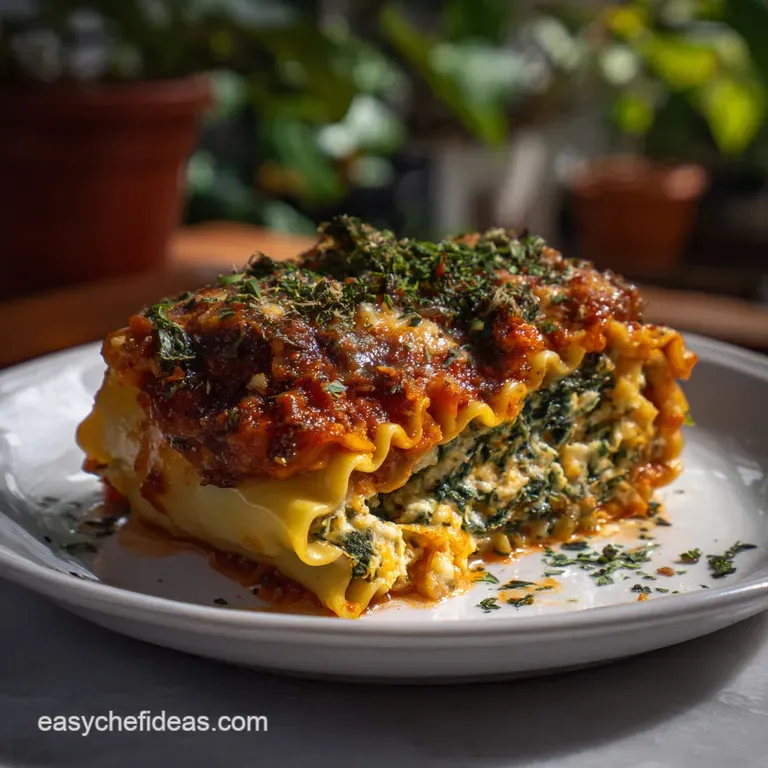
- Time: Active 20 minutes, Passive 30 minutes, Total 50 minutes
- Flavor/Texture Hook: Velvety ricotta with a crispy mozzarella crust
- Perfect for: Sunday family dinners and freezer friendly meal prep
- Crafting a Traditional Spinach Lasagna Roll Recipe
- Key Techniques for Success
- Essential Component Analysis
- Tools for Better Baking
- Mastering the Assembly Process
- Solving Common Cooking Problems
- Creative Flavor Variations
- Storage and Refreshing Tips
- Perfect Side Dish Pairing
- Common Pasta Misconceptions
- Recipe FAQs
- 📝 Recipe Card
Imagine the kitchen filling with the scent of toasted garlic and simmering tomatoes. There is something deeply communal about preparing a meal like this, where the act of rolling each pasta sheet feels like a small tribute to the traditions passed down through generations.
This is not just a meal, it's a way to bring people to the table for a shared experience.
We often look for ways to make our favorite comfort foods a bit more approachable without losing the soul of the dish. That is where this particular method shines. It provides all the depth of a traditional pan of pasta but in a format that feels special and intentional.
I remember the first time I served these at a neighborhood potluck, the tray was empty before I even sat down.
You can expect a dish that balances the earthy tones of spinach with the bright notes of freshly grated nutmeg. It is a harmonious blend that feels light yet satisfying. Whether you are cooking for a crowd or just looking to stock your freezer with something nourishing, these rolls are a reliable staple that never fails to impress.
Crafting a Traditional Spinach Lasagna Roll Recipe
The magic of this dish lies in how we manage moisture and heat. By treating the spinach with care and choosing high-quality fats, we ensure the filling stays creamy rather than watery. It’s about creating layers of flavor that reveal themselves as you cut through the tender pasta.
The Surface Area Science
Increasing the surface area of the pasta through rolling allows more of the noodle to come into direct contact with the sauce. This ensures the starch gelatinizes evenly, creating a silky mouthfeel rather than a chewy or tough one.
Osmotic Drainage Strategy
Salting and squeezing the spinach removes excess water that would otherwise weep into the ricotta. This process prevents the filling from becoming a liquid mess, ensuring a stable, velvety texture that holds its shape after baking.
Protein Binding at Peak
The inclusion of a lightly beaten egg acts as a structural glue during the baking process. As the temperature rises, the egg proteins denature and coagulate, trapping the moisture of the ricotta and cheese within a solid matrix.
Key Techniques for Success
The way we handle the pasta defines the final structure. Using a large pot of water with plenty of sea salt ensures the noodles don't stick and are seasoned from the inside out. If you enjoyed the layering technique here, you might also find the Autumn Comfort Butternut recipe a wonderful way to explore seasonal produce.
| Original Ingredient | Substitute | Why It Works |
|---|---|---|
| Whole Milk Ricotta | Cottage Cheese (strained) | Similar protein structure. Note: Result is slightly more acidic and less creamy. |
| Frozen Spinach | Fresh Kale (blanched) | Sturdier leaf texture. Note: Requires longer cooking to soften the fibers. |
| Marinara Sauce | Bechamel Sauce | High fat content. Note: Creates a richer, French style "Lasagna Bianca." |
Essential Component Analysis
Understanding the role of each element helps you adjust the dish to your own pantry. We aren't just tossing things into a bowl, we are building a foundation of flavor that honors the ingredients.
| Ingredient | Science Role | Pro Secret |
|---|---|---|
| 15 oz Ricotta | Moisture base | Use Galbani Ricotta for a smoother, less grainy texture. |
| 1 Egg | Binding agent | Room temperature eggs incorporate into cheese much faster. |
| 10 oz Spinach | Fiber and bulk | Squeeze it in a lint free kitchen towel for maximum dryness. |
| 2 cups Mozzarella | Fat and elasticity | Shred your own from a block to avoid anti caking starches. |
Tools for Better Baking
You don't need a professional kitchen, but a few specific items make the process much smoother. I personally love using my Lodge Ceramic Casserole Dish because it holds heat so consistently, which is vital for getting those edges nice and crispy.
Pasta Foundation Elements
- 12 lasagna noodles (approx. 375g): I prefer Barilla Lasagna Noodles for their consistent thickness and ability to hold up during the rolling process. Why this? Provides the essential structural wrap for the filling.
- 1 tbsp extra virgin olive oil: A drizzle in the boiling water or on the cooked noodles. Why this? Prevents the noodles from tearing or sticking together.
- 1 tsp sea salt: For the pasta water. Why this? Essential for seasoning the dough itself.
Herbed Ricotta Filling Secrets
- 15 oz whole milk ricotta cheese: The creamy heart of the dish. Why this? Provides a lush, fatty mouthfeel that balances the greens.
- 10 oz frozen chopped spinach: Thawed and squeezed dry. Why this? Adds color, nutrients, and an earthy flavor profile.
- 1 large egg: Lightly beaten. Why this? Holds the ricotta together so it doesn't leak out.
- 0.5 cup freshly grated Parmesan cheese: For a salty, nutty kick. Why this? High umami content deepens the overall flavor.
- 2 cloves garlic: Minced finely. Why this? Adds a pungent, aromatic layer to the cheese.
- 0.5 tsp freshly grated nutmeg: My favorite secret ingredient. Why this? Nutmeg is the classic companion to spinach and cream.
- 0.5 tsp black pepper: Freshly cracked. Why this? Provides a subtle heat and floral aroma.
Sauce and Topping Essentials
- 2 cups marinara sauce: Use a high-quality brand like Rao's for the best results. Why this? The acid in the tomatoes cuts through the heavy cheese.
- 2 cups shredded low moisture mozzarella cheese: For that classic stretch. Why this? Melts beautifully without adding too much extra water.
Mastering the Assembly Process
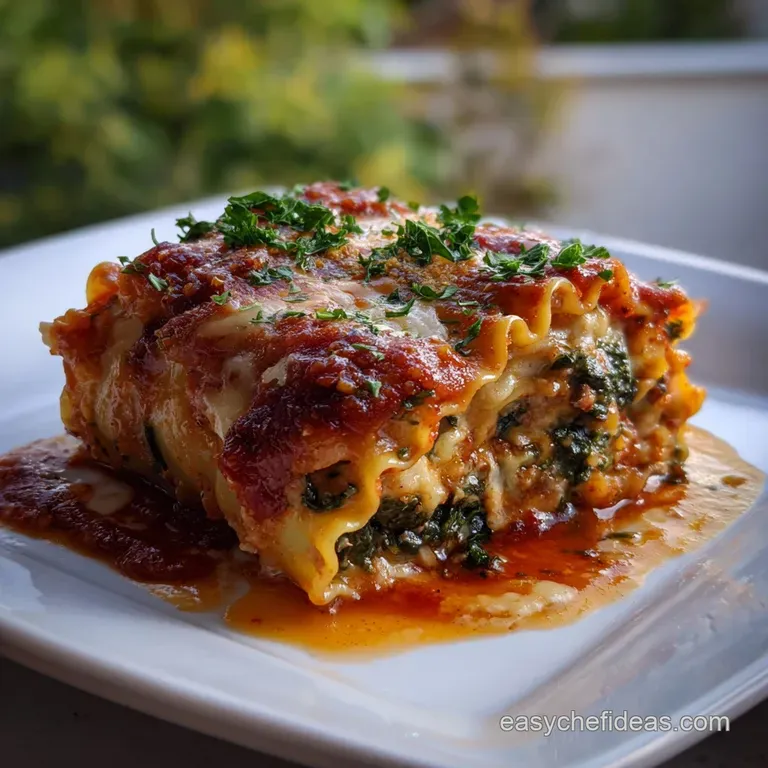
Take your time with the rolling. It should be a relaxing process, almost meditative. If you want to see how this compares to a more traditional flat layered dish, look at The Homemade Lasagna recipe to see how the mechanics of assembly change the final texture.
- Boil the pasta. Cook the 12 lasagna noodles in salted water until just under al dente. Note: They will finish cooking in the oven.
- Drain and dry. Lay the noodles flat on parchment paper or a greased baking sheet. Note: This prevents them from sticking or becoming soggy.
- Prepare the spinach. Squeeze every drop of water out of the 10 oz thawed spinach. The drier the better.
- Mix the filling. Combine the ricotta, spinach, egg, Parmesan, garlic, nutmeg, and pepper in a medium bowl. Note: Mix until the color is a uniform pale green.
- Prep the pan. Spread about 0.5 cup of marinara sauce on the bottom of a 9x13 inch baking dish. Note: This prevents the rolls from sticking to the bottom.
- Spread the cheese. Lay about 3 tablespoons of the ricotta mixture along the length of each noodle. Stop an inch before the end.
- Roll it up. Starting from one end, roll the noodle tightly but gently. Note: Don't squeeze too hard or the filling will pop out the sides.
- Arrange the rolls. Place each roll seam side down in the prepared baking dish. Note: This keeps them from unravelling during the bake.
- Top and cover. Pour the remaining marinara over the rolls and sprinkle with the 2 cups of mozzarella.
- Bake until bubbling. Cover with foil and bake at 375°F (190°C) for 20 minutes, then uncover and bake for 10 more minutes until the cheese is golden and sizzling.
Solving Common Cooking Problems
Sometimes things go sideways in the kitchen, but almost every mistake has a fix. Cooking is a journey of learning, and these rolls are very forgiving.
Fixing Watery Rolls
If you pull the dish out and see a pool of liquid at the bottom, the culprit is usually the spinach or the sauce. Next time, try sautéing the spinach briefly to cook off moisture, or use a thicker sauce.
To fix it now, let the dish rest uncovered for 15 minutes; the pasta will often absorb the excess liquid as it cools.
Repairing Torn Noodles
Don't panic if a noodle rips! Since we are rolling them, you can simply overlap the torn edges as you roll. The ricotta filling acts as a glue, and once the cheese melts on top, no one will ever know there was a tear.
Correcting Grainy Texture
Low quality ricotta can sometimes feel gritty. This happens when the whey separates too quickly. To avoid this, always look for "whole milk" ricotta. If your filling is already mixed and looks grainy, adding an extra tablespoon of heavy cream or a bit more beaten egg can help smooth out the emulsion before baking.
| Problem | Cause | Fix | Pro Tip |
|---|---|---|---|
| Noodles stick together | Lack of oil or space | Rinse with cool water | Lay them on a damp towel |
| Filling leaks out | Rolling too loose | Pinch the ends gently | Use a piping bag for precision |
| Top cheese is burnt | Oven rack too high | Move to middle rack | Tent loosely with foil |
Creative Flavor Variations
Diversity in the kitchen keeps things exciting. You can easily adapt this base to fit whatever you have in the fridge. For more inspiration on using greens in your evening meals, check out these Spinach Dinner Recipes which offer a similar nutritional profile.
Spinach Artichoke Style
Mix in half a cup of chopped marinated artichoke hearts and a splash of lemon juice to the ricotta mixture. This creates a flavor profile reminiscent of the classic dip, offering a tangy contrast to the creamy cheese.
Protein Power Up Ideas
For those who want a bit more heartiness, adding cooked ground turkey or shredded chicken to the filling is a great move. Just ensure the meat is finely chopped so the rolls stay tight and easy to handle.
Vegan Transformation Steps
You can swap the ricotta for a firm tofu crumble mixed with nutritional yeast and lemon. Use a flax egg as the binder and vegan mozzarella on top. The texture remains remarkably similar while being entirely plant based.
White Sauce Variations
Instead of marinara, try a garlic Parmesan cream sauce. This turns the dish into something much richer and decadent, perfect for a special celebration or a cold winter evening.
Chef's Tip: Freeze your block of mozzarella for 10 minutes before grating. It makes the cheese firmer and prevents it from clumping, giving you those long, beautiful shreds that melt perfectly.
Storage and Refreshing Tips
These rolls are a gift to your future self. I often make a double batch just to have some ready for those nights when I’m too tired to cook.
Fridge: Store in an airtight container for up to 4 days. The flavors actually deepen after a night in the refrigerator, making the leftovers even better.
Freezer: These freeze beautifully. You can freeze them unbaked or baked. If unbaked, freeze them on a tray first before transferring to a bag so they don't stick together. They will last up to 3 months.
Reheating: If frozen, thaw overnight in the fridge. Reheat in the oven at 350°F covered with foil to keep the moisture in. If using a microwave, add a teaspoon of water to the plate and cover with a damp paper towel to prevent the pasta from getting rubbery.
Zero Waste: Don't throw away the liquid you squeeze from the spinach! It is packed with nutrients. I usually save it in a jar in the freezer and add it to my next vegetable soup or stew. Similarly, any leftover ricotta can be whisked into pancake batter for an incredibly fluffy breakfast.
Perfect Side Dish Pairing
When serving such a rich, cheese forward dish, you want sides that provide a crisp or acidic contrast. A simple arugula salad with a sharp lemon vinaigrette is my go to choice. The bitterness of the greens cuts right through the creamy ricotta.
If you are looking for something a bit more substantial, a tray of roasted balsamic Brussels sprouts adds a lovely sweetness and crunch. For a true Italian feast, some crusty garlic bread is non negotiable it’s the best tool for swiping up every last drop of that marinara sauce.
Common Pasta Misconceptions
Myth: You must add oil to the pasta water to prevent sticking. Truth: Oil actually prevents the sauce from adhering to the noodle later. The best way to prevent sticking is to use a massive pot of water and stir the noodles frequently during the first three minutes of cooking.
We only use a tiny bit of oil after draining if we aren't saucing them immediately.
Myth: Freshly grated nutmeg is the same as the pre ground stuff. Truth: Nutmeg contains volatile oils that dissipate almost immediately once ground. Grating it fresh provides a floral, citrus like aroma that pre ground powder simply cannot match.
It is the difference between a "good" dish and one that tastes like it came from a professional kitchen.
Precision Checkpoints
- Weight: Ensure you have exactly 10 oz of spinach; too much will overwhelm the cheese.
- Temperature: Internal temperature should reach 165°F (74°C) to ensure the egg binder is fully cooked.
- Time: Let the dish rest for exactly 10 minutes before serving to allow the cheese to set.
Fast vs. Classic Comparison
| Feature | Fast Method (No Boil) | Classic Method (This Recipe) |
|---|---|---|
| Texture | Can be slightly grainy | Silky and tender |
| Control | Difficult to roll dry | Easy to manipulate |
| Flavor | Less salt absorption | Deeply seasoned dough |
Decision Shortcut If you want a crispier edge, bake the rolls uncovered for the last 15 minutes instead of 10. If you want a lighter meal, substitute half the ricotta with Greek yogurt.
If you want a smokier flavor, use smoked provolone instead of mozzarella.
Bringing this dish to your table is about more than just nutrition; it's about the warmth of the home. I hope this recipe becomes a favorite in your household, nourishing your friends and family for many years to come. Enjoy the process, enjoy the scents, and most importantly, enjoy the company.
Recipe FAQs
Can I substitute cottage cheese for the whole milk ricotta in the filling?
Yes, but with a caveat. Cottage cheese works structurally if it is strained well, but the final result will be slightly more acidic and less uniformly creamy than using true ricotta cheese.
Why must the thawed spinach be squeezed so vigorously?
Yes, extreme dryness is crucial. Excess water from the spinach is the leading cause of a runny, soupy filling that leaks out of the rolls during baking.
Is it possible to make these ahead of time, and how long can they be refrigerated?
Yes, assembly ahead is perfect. You can assemble the rolls completely, cover them tightly, and refrigerate them for up to 24 hours before baking.
What is the best way to ensure the pasta noodles don't stick to each other after boiling?
Lay them flat immediately after draining. Do not overlap them in a colander; separate them immediately on parchment paper or a lightly oiled baking sheet to stop the starch from fusing the sheets together.
Can I use this rolling technique for a vegetable that is not spinach?
Absolutely, provided the vegetable is dry. If you master controlling the moisture content here, you can apply that same preparation principle to finely chopped greens for a dish like our Creamy Dreamy Artichoke Dip Pub Classic Made Easy.
My rolls came out a little bland; what flavor element did I miss?
You likely missed the nutmeg or salt in the filling. Freshly grated nutmeg is non-negotiable with spinach and ricotta, providing a warm aromatic base that elevates the savory elements of the cheese.
How does this rolled format differ texturally from traditional layered lasagna?
The surface area exposure is different. Rolling increases the noodle-to-filling ratio on the edges, leading to more browned, slightly crisper noodle edges compared to the uniformly soft layers in a standard lasagna pan.
Spinach Lasagna Roll Recipe
Ingredients:
Instructions:
Nutrition Facts:
| Calories | 283 calories |
|---|---|
| Protein | 15 g |
| Fat | 11 g |
| Carbs | 31 g |
| Fiber | 2 g |
| Sugar | 4 g |
| Sodium | 550 mg |
