Sauteed Collard Greens with Bacon: Smokey, Speedy, and Vinegary-Bright
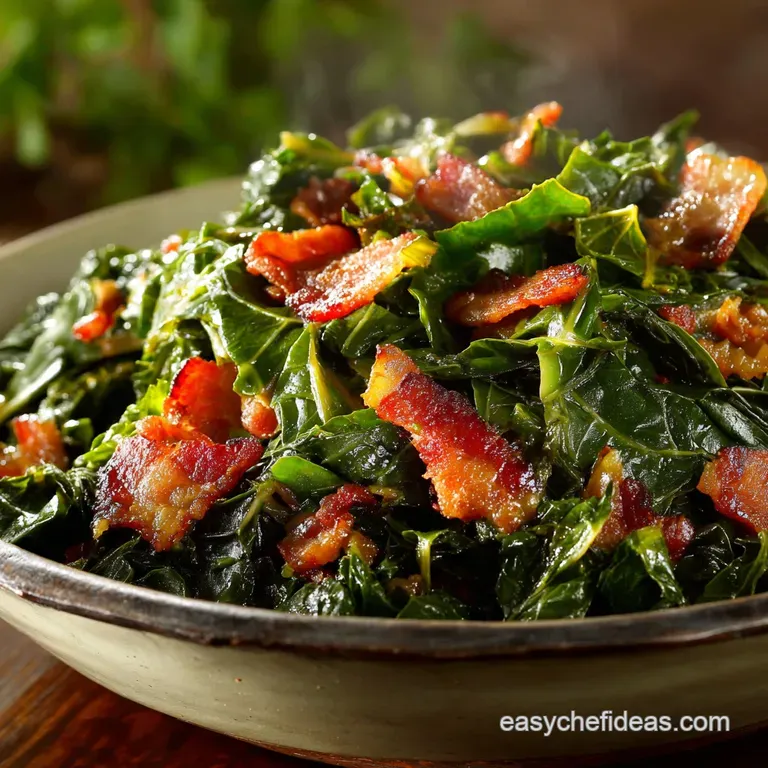
- From Soggy Side to Vibrant Star: The Ultimate Sauteed Collard Greens with Bacon Recipe
- The Culinary Science of Speed: Why Sautéing Beats Braising for Greens
- Essential Ingredients for Perfect Sauteed Collard Greens with Bacon
- How to Achieve Smokey, Speedy Collards: Step-by-Step Method
- Troubleshooting and Pro-Tips for Vibrant Collard Greens
- Storage, Reheating, and Perfect Pairings
- Recipe FAQs
- 📝 Recipe Card
From Soggy Side to Vibrant Star: The Ultimate Sauteed Collard Greens with Bacon Recipe
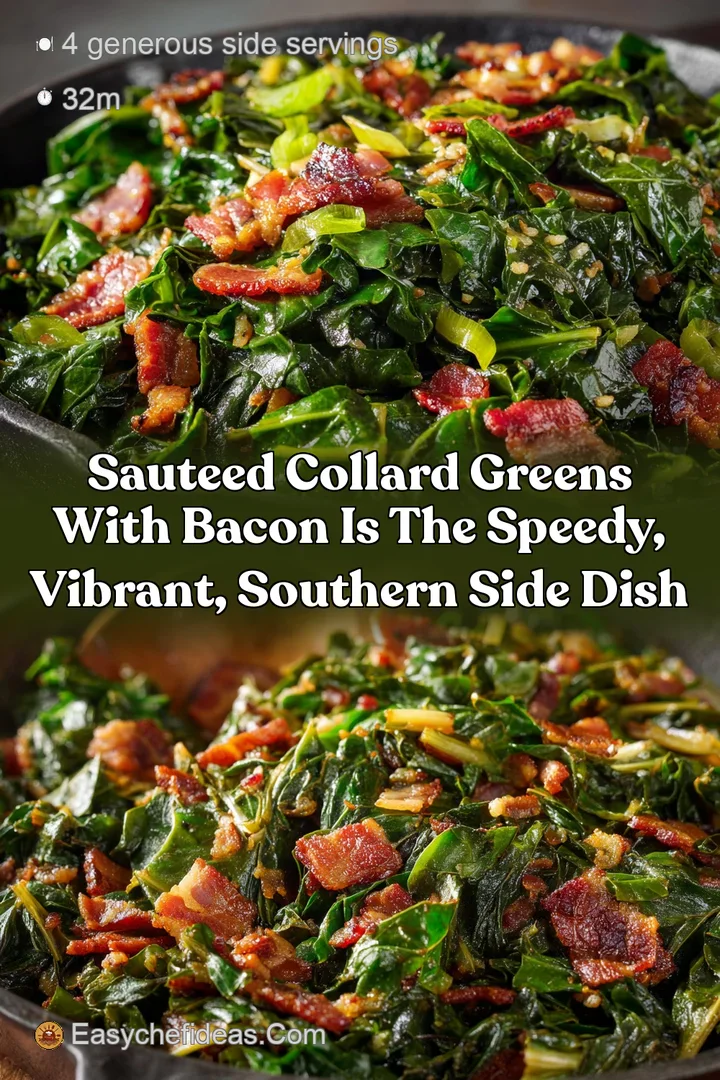
The moment those little bacon lardons start sizzling in the pan, followed by the sweet heat of garlic, you know dinner is going to be good. This isn’t the tired, lengthy process of braising greens into oblivion; this recipe delivers a side dish that is vibrant green, tender crisp, and absolutely swimming in smokey, vinegary flavor.
You get all the depth of traditional Southern style greens without the hours of simmering, which honestly feels like cheating.
Collard greens often get a bad rap for being tough or overly bitter, but this speedy sauté technique is a total game changer, making this complex side dish weeknight friendly. Seriously, we’re talking 30 minutes, tops, from chopping board to table.
It’s cheap, incredibly nutritious, and transforms a forgotten vegetable into a rich, savory rockstar that pairs perfectly with just about anything.
I’ve spent years tweaking this method to get the perfect balance richness from the pork, brightness from the acid, and a satisfying chewiness. Ready to ditch the sad, grey greens forever? Let’s crack the code and make the very best Sauteed Collard Greens with Bacon you’ve ever tasted.
The Culinary Science of Speed: Why Sautéing Beats Braising for Greens
The Secret to Tender Crisp Collards (No Braising Required)
Traditionally, collards are braised for hours to break down their tough cellular structure, resulting in softness but often a loss of color and vibrancy. We cheat this system by prepping the greens correctly: thinly slicing the leaves after removing the thick central stem is non-negotiable.
This massive increase in surface area allows the greens to wilt rapidly under high heat, requiring only a tiny simmer at the end to achieve perfect tenderness.
Why Bacon Grease is the Foundation of Flavor
Fat is the ultimate flavor conductor in cooking. Period. Bacon fat (rendered properly, of course) provides a double whammy: saltiness and deep smokiness, infusing the collards instantly and replacing the need for long, slow seasoning. You can’t get this kind of depth from olive oil alone.
Understanding the Collard Green Leaf Structure
Collard greens are brassicas, tough relatives of cabbage, which means they have high cellulose content that resists quick cooking. This is why we use two phases: the quick over high heat wilt, and then a short, covered steam (often called a 'quick simmer') using flavorful liquid (stock and vinegar).
The slight acidity in the vinegar helps tenderize the greens even faster than water or stock alone.
Mastering the Bacon Render: Achieving Crispy Bits and Flavorful Fat
Never, ever put bacon into a screaming hot pan if you want maximum fat rendering and crispy bits. Start the diced bacon in a cold skillet and place it over medium low heat.
This allows the fat to slowly melt out before the muscle tissue starts to crisp up, ensuring you get perfect little golden brown lardons and a pool of beautiful, smokey fat.
Quick Wilt: Balancing Heat and Crunch in Collards
Once the bacon is rendered and removed, we ramp the heat up to medium high for the actual sautéing stage. The greens need to hit the pan fast and hard, tossed constantly with tongs for just 2– 3 minutes. We want them to wilt dramatically and turn a bright, intense green.
Any longer, and you start veering into mush territory.
The Necessary Acidity: Using Vinegar to Cut Through Richness
This is my biggest secret to incredible greens! Bacon fat is heavy and rich; collards are earthy and slightly bitter. Apple cider vinegar (ACV) provides the essential tangy brightness needed to balance the plate.
It stops the dish from tasting flat and cuts through the grease beautifully, creating that signature sweet sour 'pot liquor' the South is famous for.
Essential Ingredients for Perfect Sauteed Collard Greens with Bacon
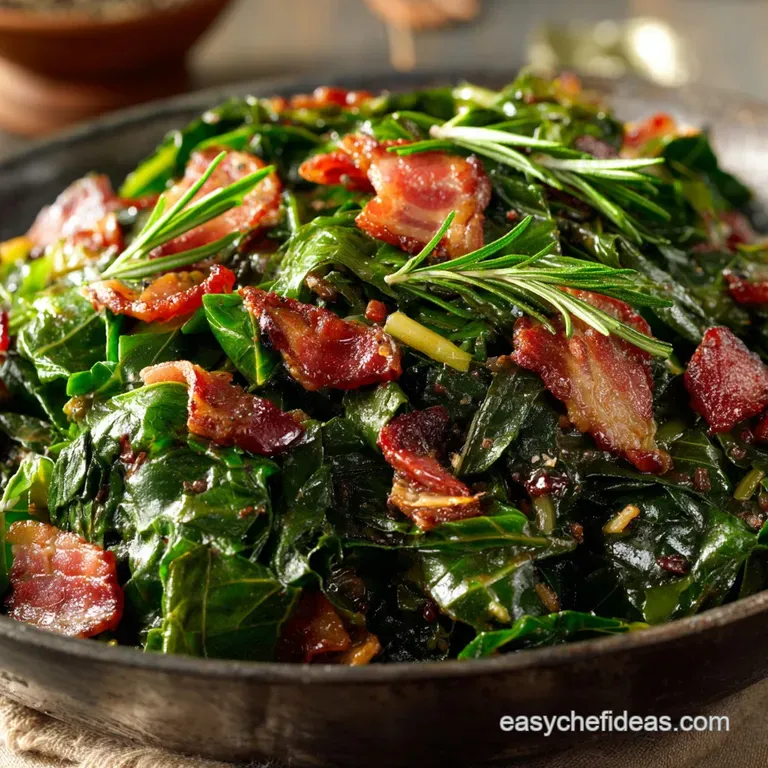
| Ingredient | My Recommendation | Quick Substitute |
|---|---|---|
| Collard Greens | Fresh, vibrant bunch | Lacinato (Dinosaur) Kale or Mustard Greens |
| Bacon | Thick cut, smoked | Pancetta or Diced Smoked Turkey |
| Bacon Fat | The rendered gold | Olive oil + 1 tsp Smoked Paprika |
| Liquid | Low-Sodium Chicken Stock | Water or Vegetable Stock |
| Acidity | Apple Cider Vinegar (ACV) | Red Wine Vinegar or Lemon Juice |
Cleaning and Chopping Collard Greens: The Washing Ritual
Please, I beg you, wash your greens thoroughly. Collards are notorious for carrying grit and dirt. Fill a sink or a huge bowl with cold water, dunk the greens, and swirl them around until the water is clear.
To prep, fold the leaf in half lengthwise and slice the tough central rib out with your knife, then roll the leaves tightly and slice them into thin ribbons (chiffonade).
Choosing the Right Bacon Cut (Thick vs. Thin Slices)
I prefer thick cut smoked bacon here because it creates satisfying, chewy crisp cubes (lardons) that hold up well in the finished dish. Thin sliced bacon works in a pinch, but it tends to disappear into the greens once wilted and offers less textural contrast.
Swapping Oils and Salts: Substitutes for Bacon Fat
If you’re hosting a vegetarian, don’t stress! You can still capture that essential smokiness. Start your sauté with a good quality olive oil, and once you add the onions and garlic, toss in a teaspoon of smoked paprika.
This provides the smoky foundation the dish needs, though obviously, you lose the crispy bits.
The Role of Vinegar: Which Type Provides the Best 'Kick'
Apple cider vinegar (ACV) is traditional for a reason; its fruity, slightly tangy profile melds perfectly with the smokiness of the bacon. While you could use red wine vinegar or even a squeeze of fresh lemon juice, ACV delivers the most authentic, balanced "kick." Don't skip the acid, or the dish will taste heavy and dull.
How to Achieve Smokey, Speedy Collards: step-by-step Method
Stage 1: Rendering the Bacon and Building the Flavor Base
- Dice your 4 strips of bacon and place them in your cold, heavy bottomed skillet (cast iron is perfect here).
- Turn the heat to medium low and cook slowly, stirring occasionally, for 6– 8 minutes until the bacon is crispy brown.
- Use a slotted spoon to scoop out the crispy bacon bits and set them aside on a paper towel. Leave 2 tablespoons of rendered fat in the pan.
Stage 2: Introducing Aromatics (Garlic) Without Burning
- Increase the heat slightly to medium. Add the diced half onion to the pan and sauté in the bacon fat for 3– 4 minutes until they become soft and translucent.
- Stir in the 4 minced cloves of garlic and 1/2 teaspoon of red pepper flakes. Cook for just 60 seconds until you smell that amazing pungent aroma. Pro Tip: Burnt garlic is bitter garlic, so keep it moving!
Stage 3: The over High heat Sauté and Final Deglazing
- Add the massive pile of sliced collard greens to the pan. Toss constantly using tongs for 2– 3 minutes. They will look overwhelming at first, but they quickly shrink down and turn a gorgeous, vibrant green.
- Pour in the 1/2 cup chicken stock and 2 tablespoons of apple cider vinegar. Season lightly with salt and pepper (remember the bacon is already salty!).
- Bring the liquid to a simmer, cover the pan immediately, and let the greens steam for 3– 5 minutes. This steaming action ensures they are tender but still retain a slight bite.
When to Stop Cooking: Achieving Optimal Tenderness
The goal here is al dente —not soggy. After 3 minutes of steaming, pull a leaf out and taste it. It should be easy to chew but still offer pleasant resistance.
Once tender, remove the lid, give it a final taste, adjust the salt or add a splash more vinegar if needed for brightness, and stir the reserved crispy bacon bits back in just before serving.
Chef’s Note: Never salt the dish aggressively before adding the liquid. Collards shrink dramatically, concentrating the seasoning. Bacon and stock add a significant amount of sodium, so always taste the finished product before adding that final sprinkle.
Troubleshooting and Pro-Tips for Vibrant Collard Greens
The Easiest Way to De-Stem Collards Quickly
Don't spend ages fighting the thick central stem! After washing the leaves, simply lay the leaf flat, fold it over the central rib, and slice that rib away in one clean motion. Then, stack the de-ribbed halves into a roll for thin, easy slicing (chiffonade). This saves so much prep time.
Avoiding the Bitterness: Blanching vs. Quick Sauté
Many traditional recipes call for blanching collards to remove bitterness, but that washes away flavor. Our method avoids excessive bitterness primarily through the use of high heat and, critically, the acid.
The apple cider vinegar reacts with the compounds in the greens, cutting that characteristic sharp taste while preserving the lovely earthiness.
Salvaging Over Wilted Greens
If you accidentally cook the greens too long and they turn slightly mushy (we’ve all been there!), there’s no way to restore the crunch, sadly. However, you can enhance the flavor. Toss them with a knob of butter and a generous final hit of ACV right before serving.
The extra fat and acid will mask some of the textural disappointment.
Storage, Reheating, and Perfect Pairings
Storing Leftovers: Fridge Life and Freezing Cooked Greens
Cooked collard greens store beautifully in an airtight container in the fridge for up to 4 days. They also freeze surprisingly well. Cool the greens completely, ideally including the pot liquor, and freeze in freezer safe bags or containers for up to three months.
Be warned, they will be softer upon reheating, but the flavor remains fantastic.
Best Method for Reheating While Maintaining Texture
Avoid the microwave if possible, as it tends to further mush the texture. The best method is to reheat them slowly in a skillet over medium low heat, covered, for about 5– 7 minutes, maybe adding a tablespoon of chicken stock or water to prevent drying out.
A final dash of fresh vinegar will revive the whole dish.
What to Serve with Sauteed Collard Greens with Bacon (Beyond Pork)
These vibrant, smoky greens are the ultimate versatile side dish. They pair perfectly with rich, savory main courses where you need a punch of acidity and freshness to cut the fat.
- Hearty Mains: Try them alongside my Salisbury Steak with Mushroom Gravy: Pub-Style, Rich, Ready in 1 Hour for a comforting classic meal.
- Other Sides: They are fantastic companions to my Butternut Squash with Bacon and Parmesan: Ultra Crispy Roasted Side Dish if you’re hosting a holiday dinner.
- Unexpected Pairings: They also offer a sharp contrast to lighter proteins, such as my Baked Coconut Shrimp: Ultra Crispy Oven Recipe with Mango Dip (trust me, the savory sweet works beautifully).
- The Pot Liquor: Don't let that vinegary liquid go to waste! Serve with crusty bread or cornbread for dipping. You could also serve them as a base for a bowl meal, topped with grains and protein, much like you would serve my creamy Spaghetti with Butternut Squash Leek Parmesan Sauc: Easy Weeknight Comfort .
Recipe FAQs
Why are my collard greens still tough or taste overly bitter?
Collards must be properly trimmed; ensure you remove the thick, fibrous center rib completely before slicing the leaves. If the greens still seem tough after the high heat sauté, add a small splash of chicken stock or water, cover the pan, and allow them to steam briefly to achieve tender results.
Can I make this recipe vegan or vegetarian?
Absolutely; replace the bacon with 2 tablespoons of high-quality olive oil or vegan butter as your base fat. To replicate the smoky flavor, add a teaspoon of smoked paprika along with the garlic, or incorporate finely chopped smoked shiitake mushrooms for a meaty texture.
Which type of vinegar works best for the “vinegary kick”?
Apple cider vinegar is the traditional and preferred choice as its mild acidity perfectly cuts through the richness of the bacon fat and complements the greens. If you prefer a slightly different profile, use red wine vinegar, but avoid harsh distilled white vinegar as it can overpower the delicate flavors.
My greens seem dry after cooking. How can I fix this?
A fast sauté needs sufficient moisture to prevent scorching, especially once the vinegar is added. Ensure you have enough residual bacon fat; if not, use additional olive oil or immediately deglaze the pan with a small splash of vegetable broth or water to create a light pan sauce.
How crucial is the cleaning process for collard greens?
Thorough washing is essential because collard greens often hold a significant amount of sand and grit. Fill a large bowl with cold water, submerge the greens, swish vigorously, and repeat the entire process until no sediment or residue remains in the bottom of the bowl.
Can I use other types of sturdy greens in this recipe?
Yes, you can substitute other durable greens like kale or mustard greens, adjusting the cooking time slightly. Mustard greens cook faster and provide a sharper, more peppery flavor, while curly kale may require an extra minute of high heat to wilt down fully.
How long do leftover sautéed collards last, and can I freeze them?
Leftover collards should be stored in an airtight container in the refrigerator and are best consumed within 3 to 4 days. While technically safe to freeze, freezing is not recommended for this quick sauté recipe as the greens will lose their desired tender crisp texture and become mushy upon thawing.
Speedy Sauteed Collard Greens With Bacon
Ingredients:
Instructions:
Nutrition Facts:
| Calories | 174 kcal |
|---|---|
| Protein | 6.0 g |
| Fat | 14.0 g |
| Carbs | 6.0 g |
