Spanish Chicken and Rice: the Ultimate One-Pan Saffron Arroz
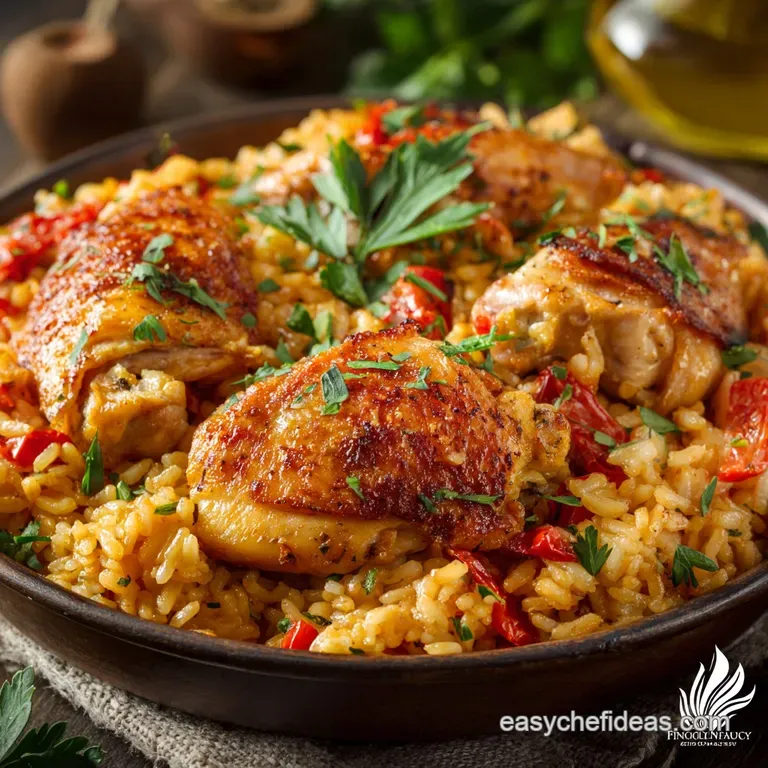
- The Ultimate One-Pan Spanish Chicken and Saffron Rice (Arroz de Pollo)
- Introducing the Magic: Why This Spanish Chicken and Rice is Your New One-Pan Favorite
- The Science of Succulence: Achieving Perfect Texture and Depth in Your Spanish Chicken and Rice
- Essential Ingredients for the Best Spanish Chicken and Rice
- Ingredient Prep: Getting Started on the Right Foot
- Step-by-Step Method: Crafting Your Arroz de Pollo Masterpiece
- Chef's Pro Tips and Troubleshooting Common Spanish Chicken and Rice Errors
- Storing and Reheating Leftover Arroz de Pollo
- What to Serve Alongside Spanish Chicken and Rice
- Recipe FAQs
- 📝 Recipe Card
The Ultimate One-Pan Spanish Chicken and Saffron Rice (Arroz de Pollo)
Introducing the Magic: Why This Spanish Chicken and Rice is Your New One-Pan Favorite
The moment this Spanish Chicken and Rice hits the stove, your house transforms. Honestly, the smoky, garlicky aroma of the sofrito mixed with that luxurious hit of saffron is just pure, sunny perfection. It instantly feels like a holiday, even if you’re still wearing your slippers.
This is my go-to recipe when I need maximum flavor payoff for minimal effort. You sear the chicken, dump in the rest, cover it, and walk away. It’s cheap, uses pantry staples, and delivers a deeply satisfying, hearty meal that feels much more complex than it is.
We’re achieving tender, fall off-the-bone chicken thighs and perfectly cooked rice, all in one glorious pot. Forget complicated paella pans; we are using a Dutch oven here for ease and fantastic heat retention. Let's crack on and master this incredible Arroz de Pollo .
The Science of Succulence: Achieving Perfect Texture and Depth in Your Spanish Chicken and Rice
This dish relies on foundational steps that lock in flavor and ensure the rice is fluffy, not glued together. It’s all about layering those Spanish tastes properly. I used to just toss everything in at once, and it tasted fine, but now? The method makes it magnificent.
The Difference Between Arroz de Pollo and Paella (Less Fuss, Maximum Flavor)
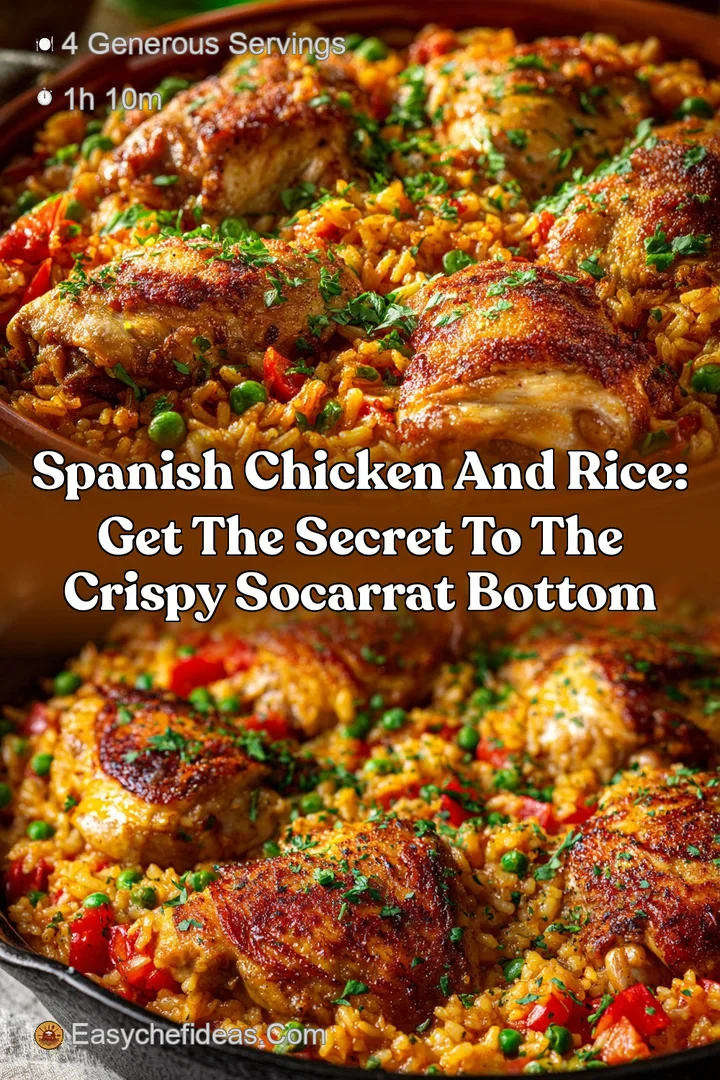
Many people confuse the two, but Arroz de Pollo translates simply to "rice with chicken," and it’s generally way more relaxed than Paella. Paella is super serious about ingredient placement and achieving a perfect, thin layer of socarrat (the crispy bottom).
Our dish is a delicious, slightly deeper one-pot affair, perfect for the average kitchen. It retains all the classic smoky saffron notes but forgives you if you don't have a 3 foot wide pan.
Decoding the Sofrito: The Crucial Flavor Engine of the Dish
The sofrito (gently cooked onions, peppers, and garlic) is the soul of this Spanish Chicken and Rice. You absolutely must cook it down slowly until it’s soft and sweet, concentrating its sugars. Don’t rush this step.
Rushing means raw-tasting veg; taking your time means unbelievable depth.
A Deep Dive into the Required Equipment (The Right Pan Matters)
You need a large, heavy bottomed vessel with a tight fitting lid. My personal preference is a 5 6 quart Dutch oven. This weight ensures the heat distributes evenly, which is crucial for rice cooked over a long period. If you use a thin skillet, the bottom will burn before the top layer of rice is cooked.
The Secret to Non-Sticky, Al Dente Rice (The No-Stir Rule)
This is the single most important rule: Thou Shalt Not Stir the Spanish Chicken and Rice. Stirring releases starch from the rice grains, making the final result gummy and porridge like. We want separate, tender grains.
Once the stock is added and the lid goes on, your job is done until the resting period.
Maximizing Maillard: Browning the Chicken for Flavor Foundation
Browning the chicken skin until it's super crisp before adding the liquids achieves the Maillard reaction, developing hundreds of complex flavor compounds. Plus, that rendered chicken fat flavors the entire sofrito and rice base, giving it a richness you just can’t replicate otherwise. I use this searing technique for almost any baked dish, even my Asian Glazed Chicken Drumsticks: Easy Recipe for Sticky, Glossy Glaze !
The Power of Saffron Infusion and Pimentón
Saffron is expensive, yes, but that small pinch adds an incomparable earthy, floral note and the dish's signature vibrant gold color. Pair that with proper Spanish Pimentón de la Vera (smoked paprika), and you have the authentic flavor profile.
Don't swap the smoked paprika for sweet paprika; it’s a totally different flavor bomb.
Essential Ingredients for the Best Spanish Chicken and Rice
You don't need a huge list, but you do need the right quality of ingredients. Use bone-in, skin-on thighs; they are the most forgiving and flavorful cut here. Everything should be prepped and measured out before you even turn on the stove.
Ingredient Prep: Getting Started on the Right Foot
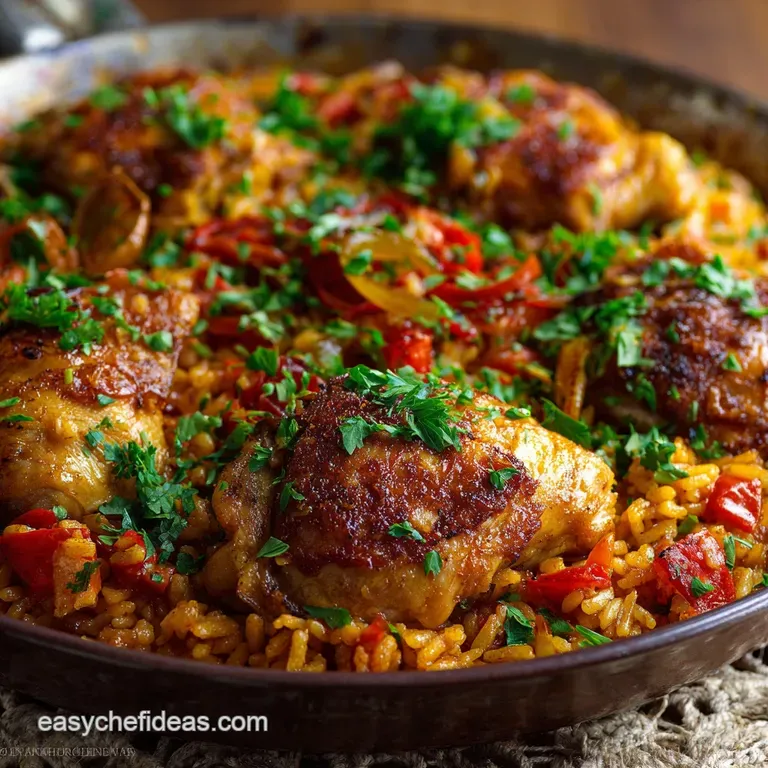
Selecting the Right Rice: Bomba vs. Arborio
Bomba rice is traditional because it absorbs a huge amount of liquid without collapsing or getting mushy. It’s the best. If you can’t find it, Arborio rice (yes, the risotto rice) works perfectly well as it has a similar starchy makeup, but you might need slightly less stock than specified.
Chicken Cuts: Bone-In vs. Boneless Thighs
I am fiercely loyal to bone-in, skin-on chicken thighs for this dish. The bone adds flavor to the stock as it cooks, and the skin protects the meat from drying out during the long simmer. If you must use boneless thighs, reduce your cooking time slightly to avoid dry meat.
Saffron, Pimentón, and Stock: Building the Spanish Color and Depth
Always warm your stock before adding it to the pan. This simple step prevents the cooking temperature from dropping sharply, ensuring your rice starts cooking immediately and evenly. For the saffron, let it steep in a tiny bit of warm stock first to fully release its color and aroma.
Chef's Note: My first attempt at this dish was pale and sad because I used sweet paprika. The difference smoked paprika makes is absolutely revolutionary. Buy the good stuff!
Smart Swaps: When You Need a Quick Ingredient Substitution
| If You Don't Have... | Use This Instead... |
|---|---|
| Spanish Bomba Rice | Arborio Rice or Calrose Rice (Be gentle when adding stock.) |
| Bone-in Thighs | Boneless, skinless chicken thighs (Season heavily!) |
| Saffron | A tiny pinch of turmeric (only for color, the flavor will be different.) |
| Red Bell Pepper | Jarred Pimentos (add them at the end with the peas.) |
step-by-step Method: Crafting Your Arroz de Pollo Masterpiece
This method is broken into phases. Pay attention to the transitions between heat levels!
Phase 1: Developing the Sofrito Base and Seasoning the Oil
- Prepare the Chicken: Pat the chicken thighs completely dry using paper towels. Season aggressively with salt and pepper right before searing. Dry skin is the key to crisp skin.
- Sear Chicken: Heat oil in your heavy bottomed pan over medium high heat. Place the chicken skin side down and don’t touch it! Sear for 5– 7 minutes until it’s deep golden brown. Flip, cook for 2 minutes, then remove and set aside.
- Build the Sofrito: Reduce the heat to medium. Add the diced onion and bell pepper to the remaining chicken fat and olive oil. Sauté gently for 8– 10 minutes until they soften completely. This slow cook releases the sugars.
- Bloom Spices: Add the minced garlic and cook for 1 minute until fragrant. Stir in the tomato paste and the smoked paprika. Cook for one more minute until the spices smell amazing, letting them "bloom" in the hot oil.
Phase 2: Searing the Chicken and Toasting the Rice for Nutty Depth
- Toast Rice: Add the short grain rice to the sofrito mixture. Stir well for 2- 3 minutes, ensuring every grain is coated in the smoky, oily spice mixture. You’ll notice the edges of the grains becoming translucent. This toasting step prevents the rice from dissolving later and adds a nutty depth.
Phase 3: The Stock Addition and Low Simmer (The Crucial No-Stir Zone)
- Add Liquid: Pour in your warmed chicken stock, saffron threads, bay leaf, and final salt dose. Stir once to distribute the ingredients evenly and scrape up any browned bits on the bottom.
- Nestle: Bring the mixture to a gentle boil, then immediately reduce the heat to the lowest setting possible. Nestle the seared chicken pieces back into the rice (skin side up, keeping the skin mostly out of the liquid).
- Simmer and Wait: Cover the pan tightly. Simmer undisturbed for 20 minutes. Do not lift the lid. Do not stir.
Phase 4: The Final Rest: Locking in Moisture and Flavor
- Garnish: After 20 minutes, remove the lid. Scatter the peas and sliced pimentos over the top. If the rice on top still looks very wet, replace the lid and cook for another 5 minutes.
- Rest: Remove the entire pan from the heat. Keep the lid on! Let it rest for a full 10 minutes. This steaming period finishes the cooking process, ensuring the grains are plump and tender, and it helps develop the socarrat layer at the bottom.
- Serve: Garnish with fresh parsley and serve directly from the pan, making sure to scrape up that incredible crispy bottom layer.
Chef's Pro Tips and Troubleshooting Common Spanish Chicken and Rice Errors
I’ve made every mistake possible while perfecting this. Trust me, these tips save dinner. If you want something equally comforting but maybe less rice heavy, consider my Chicken Enchilada Stuffed Zucchini: Our Best Low Carb Dinner Recipe — but right now, focus on the rice!
Preventing Mushy Rice: Understanding the Critical Stock Ratio
The ratio is key, usually about 2.5:1 (liquid to rice) for this technique. The biggest mistake is using too much liquid or lifting the lid repeatedly, which releases steam (your essential cooking liquid). If your rice is mushy, you stirred it, or your lid seal was bad.
Next time, trust the process and keep the lid firmly shut.
How to Fix Undercooked Chicken or Rice Mid-Cook
If the 20 minutes are up and the rice is still crunchy, but all the liquid is gone, you can add up to ½ cup of warm stock, drizzle it over the rice (don't stir!), cover it quickly, and cook for another 5 minutes.
If the chicken is undercooked, remove the rice from heat, cover tightly, and allow the residual heat to finish cooking the chicken while resting.
The Importance of the Final Rest Period (And Why You Must Cover It)
That final 10 minutes off the heat is non-negotiable. It allows the starches to set and the steam trapped under the lid to gently finish cooking the top layer of rice grains. The resting also firms up the crispy socarrat layer at the bottom, which is the best part!
Storing and Reheating Leftover Arroz de Pollo
Yes, it makes fantastic leftovers, but rice can be tricky. Handle it correctly to keep the texture nice.
Refrigeration: Maintaining Rice Texture Post Cook
Cool the Spanish Chicken and Rice quickly once the resting period is over, transferring leftovers to an airtight container within an hour or two. It keeps safely in the refrigerator for upg to 3 days.
Is it Freezer Friendly? Tips for Freezing Rice Dishes Safely
You can absolutely freeze this dish! I often make a double batch just for that reason. Remove the chicken pieces first, then portion the rice into freezer safe containers. Thaw overnight in the fridge.
The best way to reheat is low and slow in the oven. Put the rice in an oven safe dish, add a splash (about 2 tablespoons) of chicken stock or water per serving, cover tightly with foil, and bake at 150°C (300°F) for 15- 20 minutes until piping hot.
This steam method prevents the rice from drying out and getting chewy.
What to Serve Alongside Spanish Chicken and Rice
This Spanish Chicken and Rice is a robust main course, so you want sides that offer a contrast in texture and brightness.
Essential Spanish Tapas Starters and Sides
- Marinated Olives and Cheese: A simple bowl of high-quality marinated olives and some slices of Manchego cheese is all you need to start.
- Simple Salad: Something crisp and tart helps cut through the richness of the chicken fat and starch. A very simple green salad with a strong lemon based dressing works wonders.
- A Richer Alternative: If you are feeding a crowd and want another comforting bake, but maybe one with a richer, creamier profile, check out my Chicken and Broccoli Noodle Casserole: The Creamiest, Cheesy Comfort Food Bake . Sometimes you just need options!
Recipe FAQs
Why is my Spanish Chicken and Rice mushy or sticky?
Mushy rice usually occurs if you stir the rice too much after adding the liquid, which releases excess starch and creates a gluey texture. It also happens if the heat is too high, causing the liquid to evaporate before the rice kernels are properly cooked through.
Ensure you are using the correct short grain rice, like Bomba or Calasparra, and resist stirring once the liquid starts simmering.
My chicken turned out dry and tough. How do I keep it moist?
Dryness is typically a result of overcooking the protein. To prevent this, use bone-in, skin-on chicken thighs, as the fat and connective tissue ensure the meat remains juicy during the longer simmering time.
Alternatively, if using boneless breasts, remove them from the pan after the initial sear and only return them for the final 10-15 minutes of simmering.
I don't have saffron. Is there a good substitute for color and flavor?
While saffron offers a unique floral aroma, you can achieve a similar golden color using a small pinch of ground turmeric or annatto/achiote powder added to the broth. For depth of flavor, ensure you are generous with a high-quality Spanish smoked paprika (pimentón) in the sofrito base.
Never substitute saffron with food coloring, as it lacks the essential flavor component.
Can I make this dish vegetarian or add seafood instead of chicken?
Yes, this recipe is highly versatile. To make it vegetarian, swap the chicken broth for vegetable stock and include hearty vegetables like artichoke hearts, lima beans, or sautéed mushrooms.
For a delicious surf and-turf variation, swap the chicken for seafood like shrimp, mussels, and calamari, adding them during the last 10 minutes of cooking to prevent rubberiness.
How important is the sofrito base, and can I speed up that step?
The sofrito the slow cooked foundation of onions, garlic, peppers, and tomatoes is arguably the most critical component for authentic Spanish flavor. Do not rush this process; caramelizing these aromatics slowly builds the deep, savory, slightly sweet character of the dish.
Skimping on the sofrito time results in a dish that tastes flat and one-dimensional.
How should I store leftovers, and can I freeze Spanish Chicken and Rice?
Leftovers should be stored tightly sealed in the refrigerator and consumed within 3 days. While you technically can freeze the dish, the texture of the rice degrades significantly upon thawing, often becoming mushy or grainy.
If you must freeze it, spread the rice thinly in a freezer safe container to minimize ice crystal formation.
What is the best way to reheat the rice without it drying out?
Reheating in the microwave tends to dry out the rice kernels quickly. The best method is placing small portions in a covered skillet on the stovetop over very low heat. Add a tablespoon of chicken stock or water before covering the pan; the resulting steam will gently moisten and reheat the rice without making it greasy.
Spanish Chicken And Rice One Pot
Ingredients:
Instructions:
Nutrition Facts:
| Calories | 834 kcal |
|---|---|
| Protein | 63.0 g |
| Fat | 21.0 g |
| Carbs | 90.0 g |
