The Silkiest Spaghetti Aglio E Olio
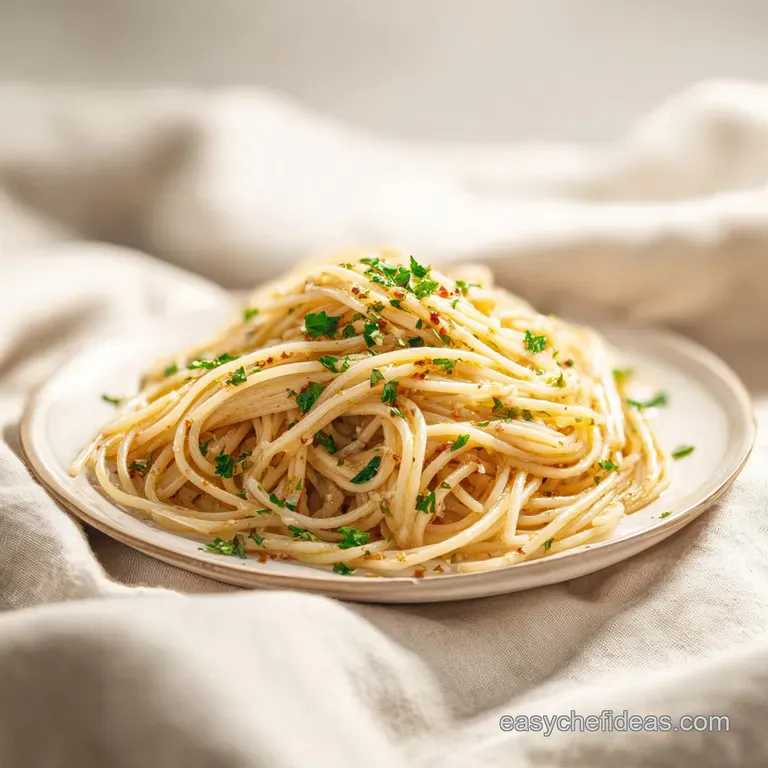
- Time: Active 10 minutes, Passive 5 minutes, Total 15 minutes
- Flavor/Texture Hook: Silky, nutty garlic infusion with a gentle chili heat and a shatter crisp garlic finish.
- Perfect for: A quick weeknight dinner that feels like a gourmet treat for the whole community.
- Making The Best Spaghetti Aglio e Olio
- Mastering the Garlic Sizzle Technique
- Key Numbers for Cooking Success
- Selecting High Quality Pantry Staples
- Essential Tools for Pasta Perfection
- Step by Step Kitchen Guide
- Avoiding Common Pasta Cooking Mistakes
- Customizing Your Garlic Oil Pasta
- Storing and Reheating Your Leftovers
- Plating and Pairing Your Dish
- Kitchen Myths Debunked
- Recipe FAQs
- 📝 Recipe Card
Making The Best Spaghetti Aglio e Olio
The kitchen transforms the second you drop paper thin garlic slices into a pool of golden olive oil. It starts as a sharp, pungent aroma that wakes up your senses, but as the heat climbs, that intensity mellows into a deep, nutty perfume that honestly makes the whole house feel like a cozy Italian trattoria.
We’ve all had those nights where the fridge is looking a bit sparse, but as long as you have a head of garlic and a box of pasta, you’re basically holding the keys to a feast. It is about the beauty of simplicity and how we nourish ourselves with just a handful of high-quality staples.
I remember the first time I realized how much the texture of the garlic matters. I used to just roughly chop it, but slicing it until it’s almost translucent changes everything.
Those little slivers don't just flavor the oil; they become part of the sauce, providing a delicate crunch that contrasts beautifully with the velvety pasta. It’s a dish that celebrates culture and the diversity of Mediterranean flavors, proving that you don't need a massive grocery bill to create something that feels truly special for your family.
This recipe is our go to when we want something that feels intentional and elegant without spending hours over a hot stove. It’s all about the technique the way the starchy pasta water marries with the oil to create a shimmering coating on every strand.
Once you see that emulsion happen in your skillet, you’ll never go back to plain buttered noodles again. It’s pure kitchen magic that relies on physics rather than a long list of ingredients.
Mastering the Garlic Sizzle Technique
Starch Suspension: The starchy water acts as a bridge, allowing the fat from the oil to bind with the liquid instead of just pooling at the bottom of the bowl.
Cold Start Infusion: Starting the garlic in cold oil allows the flavor to seep out gradually as the temperature rises, preventing the outside from burning before the inside is cooked.
Enzymatic Control: Slicing the garlic instead of crushing it limits the release of allicin, which keeps the flavor sweet and nutty rather than overly bitter or harsh.
Carry over Toasting: Taking the pan off the heat just as the garlic turns gold ensures the residual heat finishes the job without crossing the line into burnt territory.
| Method | Time | Texture | Best For |
|---|---|---|---|
| Traditional Skillet | 15 minutes | Silky and emulsified | Maximum flavor and authentic feel |
| One Pot Method | 12 minutes | Creamier, starchier | Busy nights with minimal cleanup |
| Infused Oil Prep | 20 minutes | Subtler garlic punch | Feeding large groups or meal prep |
The skillet method remains the gold standard because it allows you to control the exact moment the garlic reaches that pale straw color. While the one pot method is faster, you lose that specific "shimmer" that comes from tossing the pasta in the infused oil at the very end.
| Component | Science Role | Pro Secret |
|---|---|---|
| Extra Virgin Olive Oil | Fat carrier for aromatics | Use the highest quality you can find; it’s the base of the sauce. |
| Starchy Pasta Water | Emulsifying agent | Pull the water mid boil when the starch concentration is highest. |
| Fresh Garlic | Flavor base and texture | Slice paper thin to ensure it wilts into the sauce perfectly. |
Key Numbers for Cooking Success
Success in the kitchen often comes down to timing and ratios, especially with a dish as lean as this one. We aren't hiding behind heavy creams or thick tomato sauces here, so every gram and every second counts towards that final result.
- Water Volume: 4 liters (about 4 quarts) is the sweet spot to ensure the pasta has enough room to move without cooling the water down too much.
- Salt Ratio: 1 tablespoon of kosher salt per pot ensures the noodles are seasoned from the inside out.
- Garlic Count: 10 large cloves might seem like a lot, but once they soften in the oil, they lose that sharp bite and become mellow.
- Pasta Timing: Stop boiling 2 minutes before the box says "al dente" because the spaghetti will finish cooking in the skillet with the oil and water.
- Oil Volume: 0.5 cup provides enough fat to coat 1 lb of pasta without making the dish feel overly greasy or heavy.
Selecting high-quality Pantry Staples
When a recipe has fewer than ten ingredients, each one needs to stand on its own. I’ve found that using a generic, bland oil is the quickest way to end up with a forgettable meal. You want something with character maybe a bit peppery or grassy to really provide a backbone for the garlic.
It’s about more than just fuel; it’s about how we use these gifts from the earth to nourish our community.
- 1 lb spaghetti: A standard long noodle is best here; I prefer a high-quality bronze die pasta because the rougher surface helps the sauce cling better.
- Substitute: Linguine or fettuccine work beautifully if you want a thicker bite. Why this? The long strands are essential for the tossing motion that creates the emulsion.
- 0.5 cup extra virgin olive oil: This is the heart of the dish.
- Substitute: Avocado oil can work in a pinch, but you’ll miss the characteristic Mediterranean flavor profile. Why this? Olive oil has a low smoke point that is perfect for gentle garlic toasting.
- 10 large garlic cloves: Look for firm bulbs without green sprouts.
- Substitute: Shallots can be used for a milder, sweeter vibe, though it won't be traditional. Why this? Garlic provides both the primary aroma and the textural contrast.
- 0.5 cup freshly grated Parmigiano Reggiano: Real deal cheese makes a massive difference.
- Substitute: Pecorino Romano adds a saltier, funkier tang that I actually love. Why this? The cheese provides the salt and fat needed to thicken the light sauce.
- 0.5 cup fresh Italian flat leaf parsley: Adds a necessary burst of color and freshness.
- Substitute: Fresh basil or even a bit of lemon zest can provide that bright finish. Why this? It cuts through the richness of the oil and cheese.
- 1 tsp red pepper flakes: For that signature back of-the throat warmth.
- Substitute: Freshly sliced Fresno chili for a fruitier, more intense heat. Why this? Capsaicin balances the sweetness of the toasted garlic.
Essential Tools for Pasta Perfection
You don't need a professional kitchen, but a few specific items make the process much smoother. A large 12 inch skillet is non negotiable for me. You need that wide surface area to toss the pasta vigorously with the tongs.
If your pan is too small, you'll end up steaming the noodles instead of frying them in that glorious oil.
I also swear by a good handheld mandoline for the garlic. Trying to slice 10 cloves paper thin with a chef’s knife is doable, but the mandoline ensures every slice is the exact same thickness. This means they all turn gold at the same time, preventing the dreaded "half burnt, half raw" garlic situation. If you love garlic forward dishes, you might also enjoy my Creamy Garlic Pasta recipe for a different take on these flavors.
step-by-step Kitchen Guide
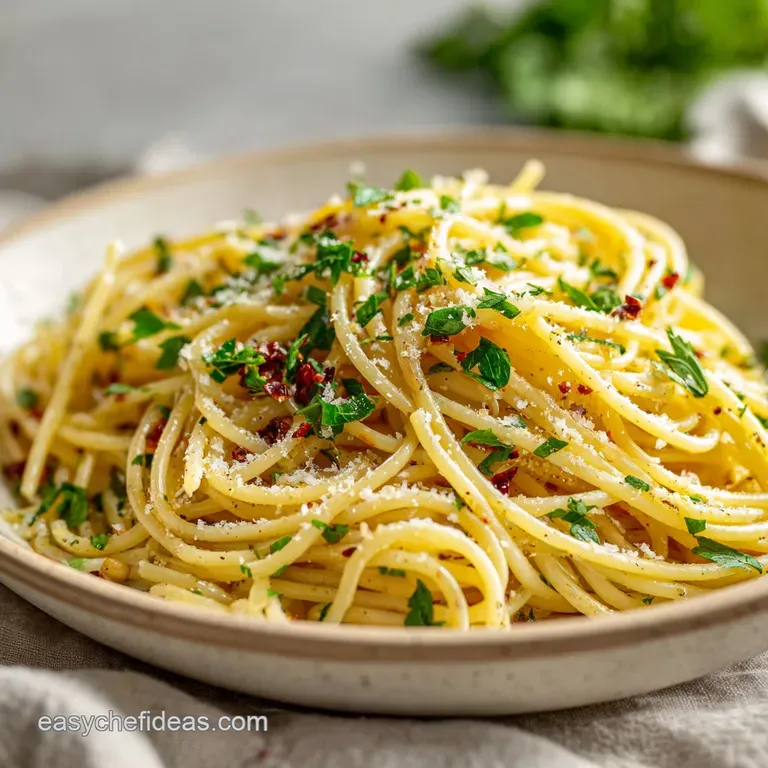
- Bring 4 quarts of water to a rolling boil in a large pot. Add 1 tablespoon of kosher salt. Add the spaghetti and cook for 2 minutes less than the package directions for 'al dente'. Note: This ensures the pasta doesn't get mushy during the skillet phase.
- While the pasta boils, combine the olive oil and sliced garlic in a 12 inch cold skillet. Turn the heat to medium low. The aroma will start off sharp and raw.
- Slowly toast the garlic, stirring frequently, until it turns a pale straw colored gold. Do not let it turn dark brown or black. Wait for the scent to change from pungent to nutty and sweet.
- Stir in the red pepper flakes and remove the pan from the heat. The residual heat will continue to toast the spices. Note: This prevents the chili flakes from burning and becoming bitter.
- Reserve 1 cup of starchy pasta water, then drain the spaghetti. Add the pasta and 0.5 cup of the reserved water to the skillet.
- Return the skillet to medium heat and toss vigorously with tongs for 1-2 minutes until the oil and water emulsify into a shimmering sauce that coats the noodles. Listen for the wet, slapping sound of the sauce binding.
- Turn off the heat. Stir in the chopped parsley, Parmigiano Reggiano, and a squeeze of lemon juice. Serve immediately. The lemon will provide a final bright, citrusy aromatic lift.
Avoiding Common Pasta Cooking Mistakes
One of the biggest hurdles I faced when learning this was the heat level. I used to be so impatient, cranking the burner to high, only to have the garlic turn bitter and black in seconds. It’s a heartbreaking smell, honestly.
If the garlic goes too far, there’s no saving it you just have to start over. This dish is a lesson in patience and observing the subtle changes in color and scent.
But what about the sogginess? That usually happens when people add too much water at once or don't toss the pasta enough. You really have to be aggressive with those tongs. You’re trying to force the oil and water to become friends, and that requires some physical energy. If you're looking for a more traditional red sauce experience, my classic Spaghetti Napolitana is a great alternative that uses similar foundational skills.
Rescuing Burnt Bitter Garlic
If you see the garlic turn a dark mahogany color, it’s gone. The bitterness will permeate the entire dish. The only fix is to wipe the pan clean and start the oil and garlic infusion again. It only takes 5 minutes, which is better than eating a ruined meal.
Fixing Greasy Separated Sauce
If your pasta looks like it’s just sitting in a puddle of oil, you need more starch. Add another splash of pasta water and turn the heat up slightly while tossing. The heat helps the starch molecules expand and trap the oil droplets.
| Problem | Root Cause | Solution |
|---|---|---|
| Bitter Taste | Garlic browned too quickly | Use medium low heat and start in cold oil. |
| Dry Pasta | Not enough reserved water | Add water 1/4 cup at a time until silky. |
| Bland Flavor | Under salted pasta water | Ensure the boiling water tastes like the sea. |
Common Mistakes Checklist
- ✓ Never rinse your pasta after draining; you need that surface starch for the sauce to stick.
- ✓ Don't use jarred minced garlic; the preservatives ruin the delicate oil infusion.
- ✓ Pat the parsley dry before chopping to prevent it from clumping into a green paste.
- ✓ Avoid high heat; a gentle sizzle is all you need for the garlic to release its magic.
- ✓ Always reserve the water before you dump the pasta into the colander.
Customizing Your Garlic Oil Pasta
While the traditional version is a masterpiece of minimalism, we often find ourselves wanting to add a little something extra depending on what’s in the pantry. This dish is a beautiful canvas for showing the diversity of your kitchen.
You can easily adapt it for different dietary needs without losing that core soul of the recipe.
Adding an Umami Punch
If you want to deepen the flavor, try adding two or three anchovy fillets to the oil along with the garlic. They will dissolve completely, leaving behind a savory depth that people won't be able to identify but will definitely notice. It’s a secret trick that adds a serious level of sophistication.
Swapping for gluten-free Needs
gluten-free pasta can be tricky because it often releases less starch into the water. To compensate, I like to whisk a half teaspoon of cornstarch into the reserved pasta water before adding it to the skillet. This helps recreate that velvety emulsion that you might otherwise miss.
Boosting the Protein
For a more filling meal, adding sautéed shrimp or grilled chicken strips works perfectly. I like to toss the shrimp into the skillet right at the end so they cook in that garlic infused oil. It turns the side dish vibe into a full blown dinner that can satisfy a hungry crowd.
Storing and Reheating Your Leftovers
This dish is definitely best served fresh, right out of the pan when the emulsion is at its peak. However, if you find yourself with leftovers, they can be kept in the fridge for up to 3 days in an airtight container.
The oil will solidify in the cold, so don't be alarmed if it looks a bit dull and clumped when you first pull it out.
When you're ready to eat it again, avoid the microwave if you can. It tends to make the pasta rubbery. Instead, put it back in a skillet with a tiny splash of water or a drizzle of fresh oil over low heat. Toss it gently until the sauce loosens up and becomes shimmering again.
For zero waste, if you have tiny bits of pasta left over, chop them up and add them to a frittata or a vegetable soup the next day for an extra hit of garlic flavor.
Plating and Pairing Your Dish
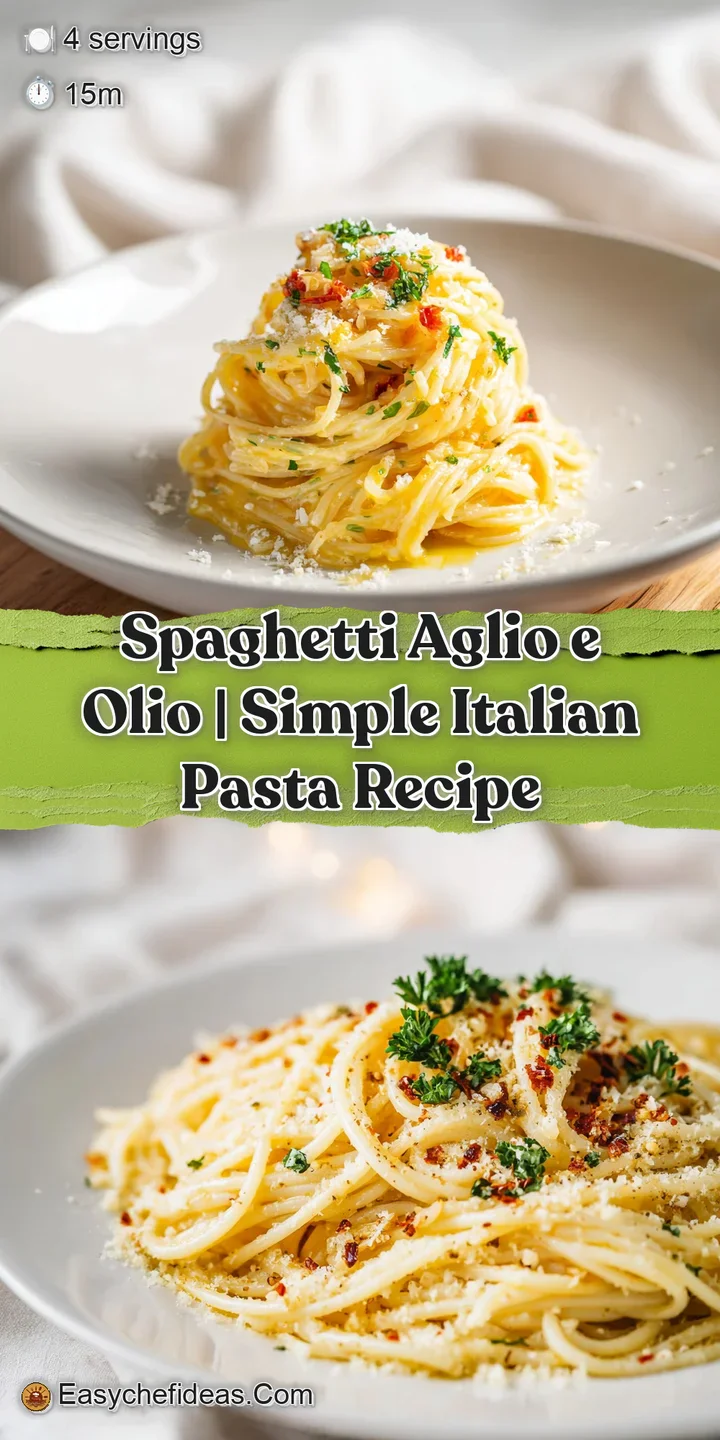
Presentation is half the fun with a dish this elegant. I love to use a carving fork to twirl the spaghetti into tight nests before sliding them onto the plate. It keeps the heat in and looks like something straight out of a high end kitchen.
A final sprinkle of fresh parsley and a generous dusting of cheese right at the table adds to the communal experience of the meal.
As for pairings, a crisp, acidic white wine like a Pinot Grigio or a Sauvignon Blanc cuts through the richness of the olive oil beautifully. Since the pasta is quite savory and heavy on the garlic, a simple side salad with a lemon vinaigrette provides a nice palate cleanser.
It’s a meal that celebrates the joy of eating together, emphasizing the culture of sharing and nourishing our loved ones with simple, honest food.
Chef's Tip: Freeze your block of Parmigiano Reggiano for 10 minutes before grating. It creates much finer, fluffier wisps of cheese that melt instantly into the emulsion.
Kitchen Myths Debunked
One big myth is that you need a massive amount of water to cook pasta. While we use 4 quarts here for stability, you can actually cook pasta in much less water. The benefit of using less water is that the starch becomes even more concentrated, which can actually lead to an even creamier sauce.
However, for beginners, the larger volume is safer to prevent sticking.
Another common misconception is that adding oil to the boiling water prevents the pasta from sticking. In reality, the oil just floats on top and gets poured down the drain. Worse, it can coat the pasta and prevent the sauce from sticking later.
Save your oil for the skillet where it can actually do its job of flavoring the garlic and building that beautiful sauce!
Finally, don't believe that "al dente" is a fixed time. It depends on the brand of pasta, the altitude of your kitchen, and even the humidity. Always start tasting your pasta two minutes before the timer goes off.
You're looking for a tiny white dot in the center of the strand that's the sign that it's ready to finish in the pan.
Common Questions About This Recipe
Can I use pre minced garlic from a jar? Honestly, don't even bother with the jarred stuff for this dish. The processing methods used for jarred garlic involve citric acid and heat, which completely changes the flavor profile.
You’ll end up with a metallic, sour taste rather than the sweet, nutty aroma that makes this recipe work.
What if my sauce is too oily and won't emulsify? This usually means you didn't have enough starch in your water or you didn't toss the pasta vigorously enough. Try adding a tablespoon of the pasta water and a tiny pinch of extra cheese while whisking the pan.
The proteins in the cheese can act as a secondary stabilizer to help the oil and water bind together.
Is it okay to use dried parsley instead of fresh? In this specific recipe, I’d suggest skipping the parsley altogether rather than using dried. Fresh parsley provides a burst of chlorophyll and moisture that cuts through the heavy fat of the olive oil.
Dried parsley tastes like hay and won't add that necessary brightness to the final plate.
Can I make this recipe ahead of time for a dinner party? You can slice the garlic and chop the parsley ahead of time, but the actual cooking needs to happen right before serving. The emulsion of oil and starch is temporary; as it cools, the sauce will eventually break and become greasy.
Luckily, it only takes 15 minutes from start to finish!
Recipe FAQs
What is spaghetti aglio olio made of?
This dish features just seven core ingredients. You will need 1 lb of spaghetti, 0.5 cup extra virgin olive oil, 10 paper thin sliced garlic cloves, 1 tsp red pepper flakes, 0.5 cup fresh flat leaf parsley, 0.5 cup grated Parmigiano Reggiano, and juice from half a lemon.
What is the secret to a great aglio e olio?
The secret is a stable emulsion. By tossing the pasta and starchy water vigorously over medium heat, you transform the oil and water into a creamy, shimmering sauce that clings to the noodles.
What are common aglio olio mistakes?
Burning the garlic is the most common error. Start with a cold skillet and heat it slowly to medium low, toasting the garlic only until it is pale straw colored, as burnt garlic turns bitter and ruins the sauce.
Is spaghetti aglio olio healthy?
Yes, it is a simple dish centered on high-quality olive oil and fresh aromatics. Each serving provides 726 kcal, focusing on quality fats and traditional pantry staples rather than heavy cream or preservatives.
How to avoid rubbery pasta when reheating?
Reheat the pasta in a skillet over low heat rather than using a microwave. Add a splash of water or a drizzle of fresh oil, and toss gently until the sauce regains its glossy texture.
How to ensure the sauce sticks to the noodles?
Never rinse your cooked pasta. The surface starch is vital for the sauce to bind; if you enjoyed mastering emulsification here, you will find that same starch binding principle essential for creating silky sauces in other vegetable forward pasta dishes.
How to prep garlic for the best infusion?
Slice the garlic paper thin using a sharp knife. Do not use jarred minced garlic, as the preservatives interfere with the delicate, slow toast process required to release the oil's flavor.
Spaghetti Aglio E Olio
Ingredients:
Instructions:
Nutrition Facts:
| Calories | 726 kcal |
|---|---|
| Protein | 18.9 g |
| Fat | 32.2 g |
| Carbs | 88.4 g |
| Fiber | 3.8 g |
| Sugar | 1.2 g |
| Sodium | 385 mg |
