Smoky Silky the Proper Way to Make Baba Ganoush
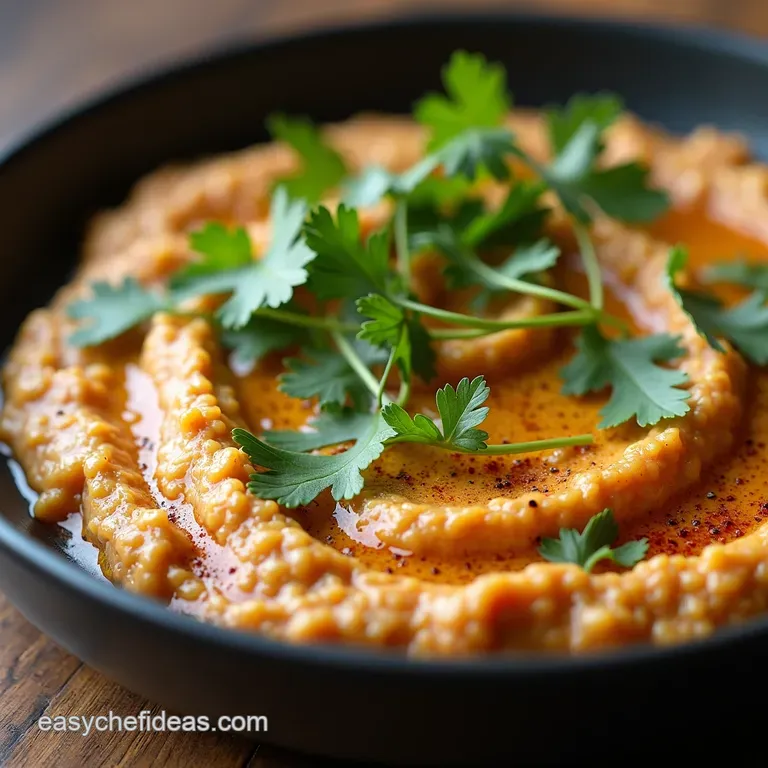
- Unlocking the Authentic Smoke: Why This Baba Ganoush Stands Apart
- The Allure of Charcoal: Embracing Traditional Preparation
- Gathering the Hallmarks of Classic Baba Ganoush
- The Charring Ritual: How to Achieve Deep Smoky Notes
- Processing for Maximum Silkiness
- Elevating Your Dip: Variations and Serving Suggestions
- Troubleshooting and Maximizing Freshness
- Frequently Asked Questions
- 📝 Recipe Card
Unlocking the Authentic Smoke: Why This Baba Ganoush Stands Apart
Creating a truly memorable Baba Ganoush Recipe isn't just about mixing ingredients; it’s about coaxing deep, earthy flavour from the humble aubergine.
Many versions you encounter, particularly those made quickly in a standard oven, often fall short they taste cooked, not charred . The magic of this Mediterranean staple lies in that profound, almost haunting smokiness that only direct heat can impart.
This guide walks you through mastering the technique that elevates this simple Eggplant Spread into a show stopping centrepiece for any gathering. We are aiming for a Smoky Baba Ganoush so rich that people will assume you hired a chef for the afternoon.
The Allure of Charcoal: Embracing Traditional Preparation
The difference between a good Homemade Baba Ganoush and a truly exceptional one comes down to the application of heat. While convenience often leads home cooks toward roasting the eggplant whole in the oven, the traditional method charring the skin directly over an open flame unlocks volatile oils and caramelizes the sugars beneath the skin, resulting in that essential, signature smoky depth.
Meet the Creamy Star of Your Mezze Platter
Aubergines, or eggplants, are inherently mild, acting as the perfect vessel to carry intense flavours. When roasted slowly and deeply charred, their flesh transforms from spongy to custardy, providing the incredibly creamy base we seek.
The final product is less dense than its cousin, Baba Ganoush vs Hummus , offering a lighter, airier texture perfect for scooping.
Why Open Flame Cooking Transforms Your Dip
When you place the aubergine directly onto a high heat source, the skin blackens rapidly, acting as an insulating shell. This steams the inside flesh while simultaneously imparting smoky molecules directly into the pulp.
If you are seeking the most Authentic Baba Ganoush Recipe , this step is non-negotiable. The resulting flavour profile is intense and complex, a world away from a simple baked vegetable mash.
Setting the Stage for Smoky Perfection
To begin this Easy Baba Ganoush Recipe , you’ll need three medium aubergines. Ensure they feel firm and have glossy, unblemished skin. Before introducing them to heat, give them several deep pricks all over with a sharp fork or paring knife.
This is a safety precaution to release steam and prevent the eggplant from bursting unexpectedly under pressure.
Gathering the Hallmarks of Classic Baba Ganoush
While the charring process defines the smoke, the supporting Baba Ganoush Ingredients define the balance. This dip relies on a careful interplay between the smoky base, the richness of sesame, the brightness of citrus, and the necessary punch of allium.
We are aiming for a ratio that sings neither too rich nor too sharp.
Aubergines: Choosing the Right Produce
For the best results, select aubergines that feel heavy for their size, indicating high moisture content, which translates to better yielding pulp. You will need approximately three medium fruits to yield about 1.5 cups of finished dip.
If you are making a larger batch, remember that the charring time will increase proportionally.
The Holy Trinity: Tahini, Lemon, and Garlic Ratios
The heart of the flavour profile rests on three key additions. You will require about 3 tablespoons of high-quality, runny tahini paste the better the sesame paste, the silkier your finished dip will be. This is balanced with 2 tablespoons of freshly squeezed lemon juice for necessary acidity.
Finally, one small clove of garlic, finely minced, provides warmth without overwhelming the delicate eggplant flavour. A half teaspoon of ground cumin is added for that quintessential Middle Eastern warmth.
Beyond the Basics: Optional Garnishes and Seasonings
While the core recipe is perfect on its own, presentation enhances the experience. We will rely on a drizzle of premium extra virgin olive oil, a sprinkle of chopped fresh parsley for colour contrast, and perhaps a pinch of smoked paprika or sumac on top to visually echo the smoky flavour locked within.
Related Recipes Worth Trying
- The Best Smoky Baba Ganoush Recipe Authentic Easy — Forget watery dips This Homemade Baba Ganoush recipe delivers intensely smoky flavour and luxurious texture Learn the roasting secret for the Best Baba...
- Smoky Silky Baba Ganoush Easy Eggplant Dip Recipe — Stop serving watery dips This easy Baba Ganoush recipe guarantees authentic smoky flavour using a simple charring trick Perfect for your next party
The Charring Ritual: How to Achieve Deep Smoky Notes
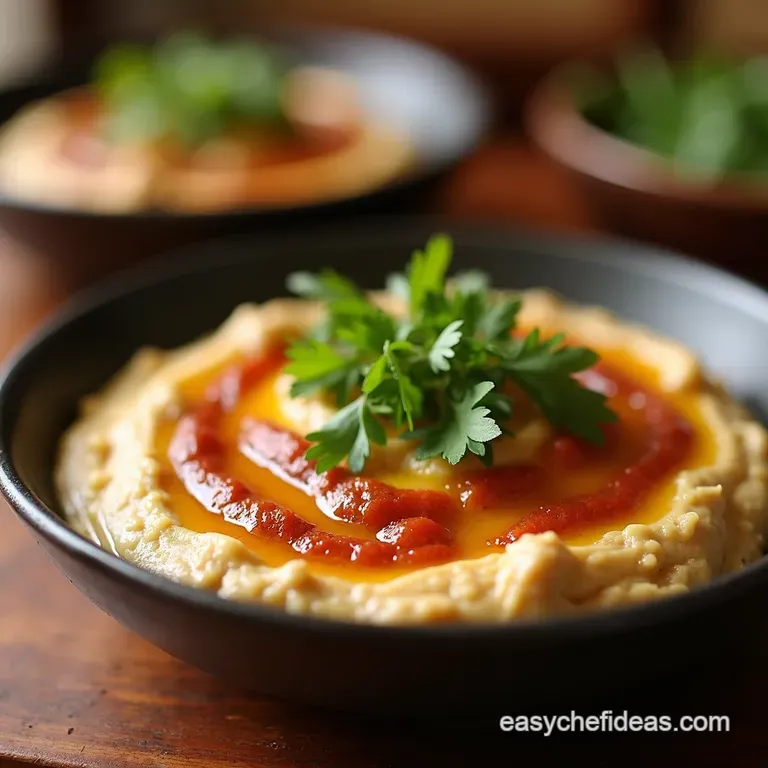
This is the pivotal stage in making your Smoky Baba Ganoush . The goal is to completely blacken and collapse the skin while rendering the interior completely tender.
If you possess a gas stovetop, this is your best tool. Place the pierced aubergines directly onto the metal grate over a medium high flame. Turn them frequently using tongs until the entire surface is blistered, blackened, and the flesh yields completely with gentle pressure this usually takes 15 to 20 minutes.
If you are working solely indoors without gas, using your broiler set to high is the next best alternative, though it requires vigilance and turning every few minutes for about 25 to 30 minutes.
Processing for Maximum Silkiness
Once the aubergines are perfectly charred, we must manage the cooling and extraction process carefully to ensure the final texture is flawless.
Step 1: Perfecting the Aubergine Roast Over Heat
As soon as the aubergines are sufficiently charred, remove them from the direct heat source. This rapid heat application ensures maximum smokiness has been absorbed into the flesh.
Step 2: The Crucial Step of Cooling and Peeling
Immediately transfer the hot, blackened aubergines into a bowl and cover it tightly with plastic wrap, or place them into a sealed paper bag. Allowing them to steam in their own heat for about 10 minutes is critical; this loosens the charred skin from the tender flesh, making the peeling process much cleaner.
Once cool enough to handle, slice each aubergine lengthwise and use a spoon to scoop out the smoky, soft interior flesh. Place this pulp into a fine mesh strainer set over a bowl and allow it to drain for at least 10 minutes. Removing this excess liquid prevents a watery dip later on.
Step 3: Blending Techniques for Optimal Creaminess
Transfer the drained, smoky pulp to your mixing bowl. Now, add the measured tahini paste, fresh lemon juice, minced garlic, ground cumin, and sea salt. For a truly rustic Baba Ganoush , use a sturdy fork to gently mash and incorporate these ingredients.
This leaves behind lovely, slightly stringy pieces of eggplant, honouring the traditional texture. Alternatively, for a smoother finish, you can pulse the mixture briefly in a food processor, but be cautious over-processing can cause the dip to emulsify poorly and taste slightly bitter.
Step 4: Final Seasoning and Flavor Balancing
Taste your creation. This is where you adjust for your palate. Does it need a brighter lift? Add a splash more lemon juice. Does it feel thin? Perhaps a touch more tahini will ground the flavour. Ensure the salt level is perfect, as seasoning truly unlocks the depth of the smoke.
Elevating Your Dip: Variations and Serving Suggestions
This Baba Ganoush is versatile and delightful whether served as a warm accompaniment or chilled as a cool appetizer.
Creative Twists on Traditional Baba Ganoush
While we focus on the classic profile, you can certainly explore alternatives. For those navigating allergies or ingredient availability, some cooks experiment with a Baba Ganoush Without Tahini , substituting it with Greek yogurt or a nut butter, though the sesame note will be missed.
For a spicy kick, consider folding in finely diced preserved lemon rind or a pinch of fiery Aleppo pepper flakes during the final mixing stage.
Storage Secrets for Lasting Freshness
This dip tastes best when made the day it is served, as the smoky aroma is most potent then. However, it stores beautifully. Place the finished dip in an airtight container and refrigerate for up to four days.
Give it about 30 minutes at room temperature before serving to allow the oils and flavours to bloom again.
Pairing Suggestions: What to Serve Alongside
The perfect delivery system for this rich Eggplant Spread is warm, pillowy pita bread. Beyond that, it shines on a large Mediterranean platter alongside marinated olives, sharp feta cheese, cucumber slices, and perhaps some grilled halloumi.
It also makes a surprisingly excellent, cool counterpoint to spicy grilled meats like kofta or lamb kebabs.
Troubleshooting and Maximizing Freshness
Even the best recipes sometimes hit a small snag. The most common issue encountered when making Homemade Baba Ganoush is excessive liquid. If your final dip seems too runny, remember that draining the scooped pulp thoroughly is the key defence.
If you missed that step, you can try folding in a teaspoon of breadcrumbs or adding a little more tahini to absorb the excess moisture, though this will slightly alter the final flavour profile. Enjoy the unparalleled flavour of perfectly charred eggplant!
Frequently Asked Questions
Why is my Baba Ganoush watery? I followed the recipe, but it’s not thick like the restaurant version!
Ah, that’s a common sticking point! The culprit is usually moisture left in the aubergine pulp. After scooping the flesh out, you must let it drain in a colander for at least ten minutes this lets the bitter, excess liquid weep away. Don't skip that draining step; it's the key to a proper, thick dip.
How can I get that deep, smoky flavour in my Baba Ganoush if I don't have a gas hob?
If you're stuck without an open flame, don't fret; you can still achieve that essential smoky character. Use your oven's broiler (grill setting) on high, turning the aubergines every few minutes until the skins are thoroughly blackened and blistered all over.
It takes a bit longer, but those charred bits are where all the magic happens!
Can I make this ahead of time, and how long does leftover Baba Ganoush keep in the fridge?
Absolutely, it’s brilliant for making ahead! In fact, the flavour often deepens overnight, much like a good curry. Store it in an airtight container in the fridge for up to 4 days.
Just remember to bring it out about 20 minutes before serving so it loses that chilly edge and allows the olive oil to properly shine.
Is it really necessary to use tahini in authentic Baba Ganoush, or can I leave it out?
While you can technically leave it out if you’re absolutely against sesame, tahini provides the essential richness, slight bitterness, and creamy body that defines this classic dip.
Without it, you'll end up with something closer to a smoky, garlicky baba ghanouj puree rather than the full fat flavour profile of true Baba Ganoush.
My garlic tastes really harsh after mixing. How can I mellow the flavour in the dip?
Raw garlic can certainly be a bit of a kick in the teeth! For a smoother integration, try roasting a whole head of garlic alongside your aubergines; the cloves turn sweet and buttery.
Alternatively, just use half the raw garlic the recipe calls for, and taste test before adding more you can always add, but you can't take it out!
Smoky Baba Ganoush Recipe
Ingredients:
Instructions:
Nutrition Facts:
| Calories | 3412 kcal |
|---|---|
| Protein | 41.3 g |
| Fat | 102.9 g |
| Carbs | 150.1 g |
| Fiber | 107.2 g |
| Sodium | 41503 mg |
