Slow Cooker Chicken Fajita Soup
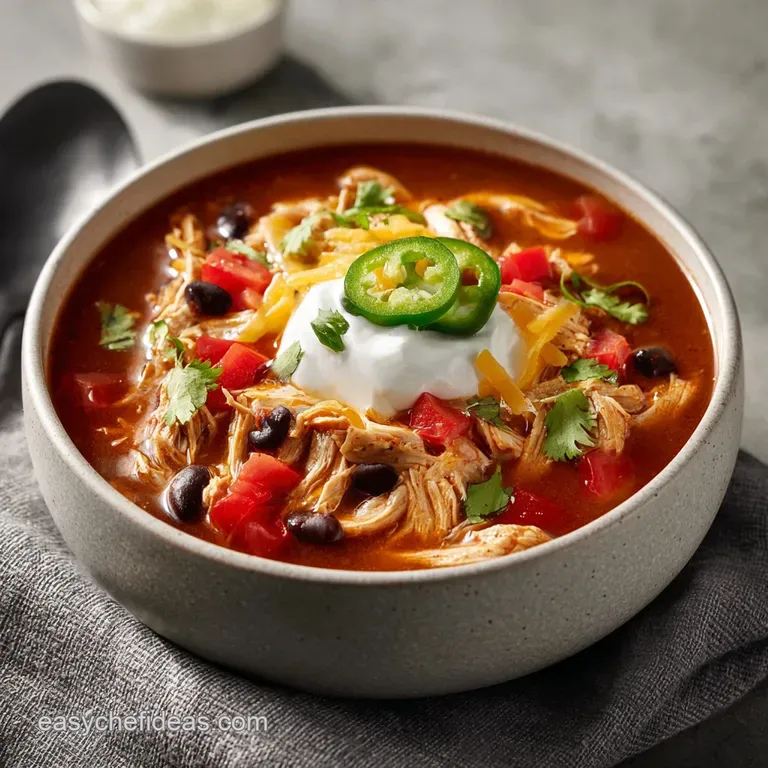
- Time: Active 15 minutes, Passive 6 hours, Total 6 hours 15 mins
- Flavor/Texture Hook: Silky, tangy, and smoke kissed
- Perfect for: Cold weather nourishment, hands off meal prep, or busy weeknight comfort
- Creating the Ultimate Slow Cooker Chicken Fajita Soup for Rainy Days
- Understanding the Core Specs for Your Next Weeknight Meal
- A Deep Dive into the Components of Flavorful Soups
- Gathering the Essential Tools for a Stress Free Kitchen
- Following the Step by Step Process for Maximum Flavor
- Solving Common Texture and Taste Issues with Simple Fixes
- Exploring Tasty Global Variations to Keep Your Menu Exciting
- Scaling Your Recipe for Small or Large Crowds
- Debunking Myths About Slow Cooking Chicken
- Managing Leftovers and Reducing Waste in Your Kitchen
- Selecting the Best Side Dishes for a Complete Meal
- Your Cooking Questions Answered
- High in Sodium
- Recipe FAQs
- 📝 Recipe Card
Creating the Ultimate Slow Cooker Chicken Fajita Soup for Rainy Days
There is a specific, heady aroma that fills the house when peppers, onions, and garlic begin to soften against the backdrop of cumin and chili. It starts faintly around the second hour, but by hour four, it is a full bodied scent that makes everyone wander into the kitchen.
I remember the first time I tried this it was one of those gray, damp Tuesdays where the motivation to cook was zero. I threw everything into the ceramic pot, went back to work, and let the slow cooker do the heavy lifting.
What came out wasn't just another watery broth. It was a rich, nourishing experience. The chicken thighs had surrendered their structure, becoming tender ribbons that soaked up the juices from the fire roasted tomatoes.
The bell peppers, instead of turning to mush, had melded into the liquid, lending a subtle sweetness that balanced the kick of the green chiles. We ended up eating it straight from the pot with a side of charred tortillas.
You're going to love how this recipe builds layers of flavor without requiring you to stand over a hot stove. It’s about letting time perform the alchemy. We are moving beyond the basic "toss and go" method and focusing on how each ingredient contributes to the final, velvety result.
Trust me, once you see how the Neufchâtel cheese transforms the broth into something luxurious, you won't go back to the standard clear broth versions.
Understanding the Core Specs for Your Next Weeknight Meal
1. The Low and Slow Collagen Magic
Connective Tissue Breakdown: Using chicken thighs provides a higher collagen content than breasts, which melts into gelatin over six hours. This process creates a naturally thicker, more satisfying mouthfeel in the soup base without needing heavy starches.
2. Strategic Aromatic Layering
Flavor Infusion: The sulfur compounds in red onions and the allicin in garlic undergo a slow transformation under low heat, losing their bite and becoming mellow. This creates a sweet, savory foundation that supports the bolder spices.
3. Emulsification for Body
Lipid Integration: Neufchâtel cheese acts as an emulsifier when whisked into the hot broth at the end. The proteins and fats in the cheese bind with the water based chicken bone broth, resulting in a silky texture that coats the spoon.
| Thickness | Internal Temp | Rest Time | Visual Cue |
|---|---|---|---|
| 1.5 lbs Thighs | 165°F | 10 mins (in soup) | Shreds easily with two forks |
| 0.5 inch Peppers | Softened | N/A | Translucent but holds shape |
| Cubed Cheese | Fully Melted | 5 mins | No white streaks in broth |
This differentiation table helps you hit those precision checkpoints during the final hour of cooking. Knowing exactly when to pull the chicken for shredding is the difference between tough fibers and a melt in-the mouth texture.
When we talk about building flavor, we also have to consider the method. Some people prefer the speed of a pressure cooker, but there is a distinct trade off in the final character of the dish. A slow cooker allows the vegetables to caramelize slightly in their own juices before the liquid reaches a simmer.
| Feature | Instant Pot (Fast) | Slow Cooker (Classic) |
|---|---|---|
| Vegetable Texture | Firmer, more defined | Silky, integrated into broth |
| Spice Depth | Bright, sharp notes | Mellow, cohesive warmth |
| Liquid Loss | Minimal (stays thinner) | Light evaporation concentrates flavor |
A Deep Dive into the Components of Flavorful Soups
Selecting the right elements is where the nourishment begins. We aren't just looking for calories; we are looking for ingredients that bring a specific function to the pot. Using bone broth instead of a standard stock, for instance, adds an extra layer of protein and a richer depth. It's similar to the base we use for a Crockpot Tuscan Chicken recipe, where the quality of the liquid dictates the final elegance of the sauce.
| Ingredient | Science Role | Pro Secret |
|---|---|---|
| Chicken Thighs | Fat & Collagen Source | Trim excess skin but keep the fat for flavor. |
| Fire Roasted Tomatoes | Acid & Charred Notes | The "fire roasted" part adds a smoky depth raw tomatoes lack. |
| Neufchâtel Cheese | Texture Stabilizer | Lower fat than cream cheese but melts more smoothly. |
| Fresh Lime Juice | Brightness & Denaturation | Acid cuts through the fat, "waking up" the spices. |
Each of these components plays a part in the community of flavors we are building. The tomatoes provide the necessary acidity to balance the richness of the chicken, while the peppers bring a rainbow of vitamins and a natural sugars that develop over the six hour cook time.
The Protein and Produce
For this slow cooker chicken fajita soup, we are using 1.5 lbs of boneless skinless chicken thighs. If you only have breasts, you can use them, but be aware they can dry out if left too long. The 3 large bell peppers one of each color provide visual diversity and a range of sweetness.
Red is the sweetest, green the most earthy, and yellow sits right in the middle. The red onion is essential for its color and its ability to hold up to long cooking times without disappearing entirely.
The Liquid and Spice Ratios
The 4 cups of chicken bone broth serve as our primary hydrating agent. We combine this with 14.5 oz of fire roasted diced tomatoes and 4 oz of chopped green chiles. This mixture creates a base that is tangy, slightly spicy, and deeply aromatic. We then layer in 2 tbsp of fajita seasoning. If you want to customize your spice profile, you might want to look at The Only Homemade recipe for a seasoning blend that avoids the anti caking agents found in store-bought packets.
The Finishing Touches
The final 15 minutes are where the magic happens. We add 4 oz of cubed, softened Neufchâtel cheese. Unlike standard cream cheese, Neufchâtel has a slightly higher moisture content, which helps it integrate into the soup without clumping.
Finish with a tablespoon of lime juice to lift the heavy notes and a handful of fresh cilantro for that unmistakable herby brightness.
Gathering the Essential Tools for a Stress Free Kitchen
You don't need a professional kitchen to make a restaurant quality soup, but a few specific tools make the process much smoother. A 6 quart slow cooker (such as a Crock Pot or Hamilton Beach) is the ideal size for this volume of ingredients.
It allows enough headspace for the liquid to circulate and simmer without boiling over.
Using a sharp chef's knife is non negotiable for those 1/2 inch pepper strips. If the knife is dull, you'll end up crushing the cell walls of the peppers, leading to more "weeping" and a soggier texture. I also highly recommend using a pair of sturdy forks or meat shredding claws for the chicken.
When you pull that 1.5 lbs of thighs out of the pot, they should be tender enough that a gentle twist of the wrist separates the grain of the meat.
Chef's Tip: If you find your cheese clumping, ladle a cup of the hot broth into a small bowl with the Neufchâtel. Use a whisk to create a "slurry" first, then pour that mixture back into the main pot. This ensures a perfectly velvety finish every time.
Following the step-by-step Process for Maximum Flavor
- Prep the Base. Halve and thinly slice your large red onion and mince the two cloves of garlic. Note: Slicing the onion thinly ensures it softens at the same rate as the peppers.
- Layer the Veggies. Place the onion, garlic, and the 3 sliced bell peppers into the bottom of the slow cooker.
- Add the Protein. Lay the 1.5 lbs of chicken thighs directly on top of the vegetable bed. Until the chicken is evenly distributed.
- Season Heavily. Sprinkle the 2 tbsp of fajita seasoning, 1 tsp sea salt, and 0.5 tsp cracked black pepper over the chicken.
- Pour the Liquids. Add the 14.5 oz of fire roasted tomatoes (with juices), 4 oz of green chiles, and 4 cups of bone broth. Note: The tomatoes provide the acid needed to keep the chicken tender.
- Set the Temperature. Cover and cook on LOW for 6 hours or HIGH for 3 to 4 hours. Until the chicken reaches an internal temp of 165°F.
- Extract and Shred. Remove the chicken thighs to a clean plate or cutting board. Use two forks to pull the meat into bite sized ribbons.
- Incorporate the Cheese. Whisk the 4 oz of softened, cubed Neufchâtel cheese into the slow cooker liquid. Until the broth is creamy and pale orange.
- The Final Marriage. Return the shredded chicken to the pot. Stir in the 1 tbsp of lime juice and 0.25 cup of fresh cilantro.
- Rest and Serve. Let the soup sit for 5 minutes to allow the flavors to harmonize. Until the aroma is bright and citrusy.
The Foundation Layer
Starting with the vegetables at the bottom is a trick I learned the hard way. The weight of the chicken and the liquid on top creates a "steam chamber" for the onions and peppers. This ensures they reach that silky texture without you having to sauté them beforehand.
The Slow Infusion Period
During those six hours, the heat is barely enough to cause a bubble. This is exactly what we want. High heat can cause the protein fibers in the chicken to contract and become rubbery. By staying low, we allow the spices to penetrate deep into the meat while the bone broth takes on the sweetness of the bell peppers.
Shredding and Finishing
Always shred the chicken outside of the pot. It gives you more control and prevents you from accidentally splashing hot liquid everywhere. When you add the cheese at the end, make sure it is at room temperature.
Cold cheese will lower the temperature of the soup too quickly and might not melt completely, leaving you with small white flecks.
Solving Common Texture and Taste Issues with Simple Fixes
Even with the best intentions, things can go sideways in the kitchen. Maybe your peppers were extra watery, or perhaps your slow cooker runs a bit hot. Don't panic; most "errors" in a chicken fajita soup are actually just opportunities for a quick adjustment.
Fixing Thin Soup
If your soup looks more like a tea than a hearty meal, you probably had a lot of moisture release from the vegetables. This is common if the peppers were very large. You can fix this by taking a small amount of the broth and blending it with half a cup of black beans or even a few corn tortillas, then stirring that puree back in.
The starch will act as a natural thickener.
Brightening Muted Flavors
Sometimes, after six hours, the spices can lose their "punch." This often happens if the fajita seasoning was a bit old. Before you reach for more salt, add another squeeze of lime juice. The acid acts as a volume knob for flavor. If that doesn't work, a pinch of smoked paprika can restore that lost depth.
| Problem | Root Cause | Solution |
|---|---|---|
| Separated Broth | Cheese was too cold | Whisk vigorously or use an immersion blender for 10 seconds. |
| Tough Chicken | Cooked too long on High | Switch to Low next time; shred finely to mask texture. |
| Bland Taste | Lack of acidity | Add 1 tsp of apple cider vinegar or more lime juice. |
Common Mistakes Checklist
- ✓ Don't use frozen chicken - it releases too much water and messes with the cook time.
- ✓ Avoid "High" heat if you have the time; "Low" produces a much better chicken texture.
- ✓ Pat the chicken dry before adding to remove any packaging brine.
- ✓ Cut the peppers into uniform 1/2 inch strips so they cook evenly.
- ✓ Wait until the very end to add the cilantro to keep the color vibrant.
Exploring Tasty Global Variations to Keep Your Menu Exciting
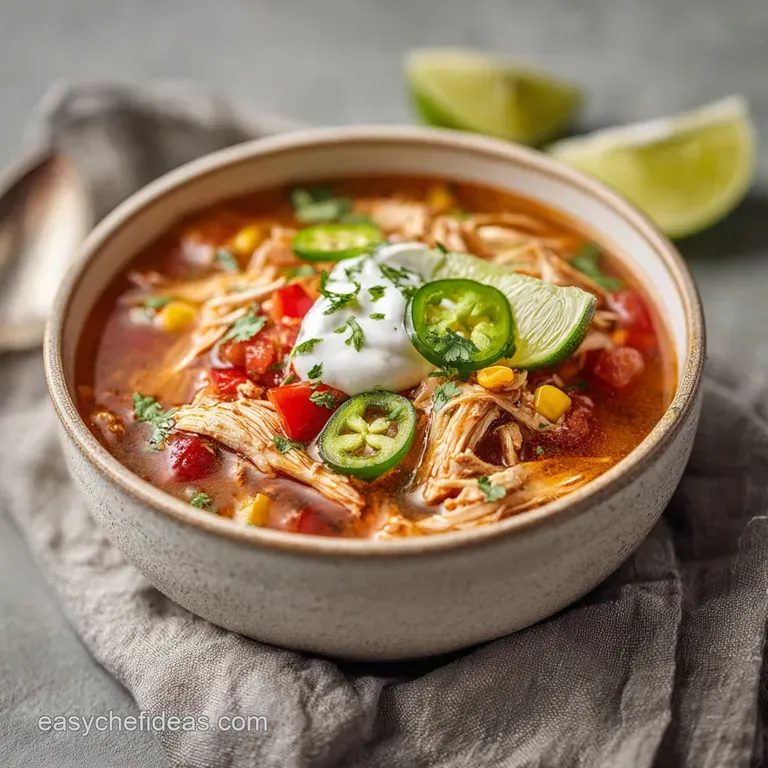
The beauty of this slow cooker chicken fajita soup is its adaptability. While the base recipe is solid, you can pivot based on your dietary needs or what you have in the pantry. If you are looking for more creamy inspiration, the base technique here is quite similar to an ultimate creamy chicken gnocchi soup, though the flavor profiles are worlds apart.
Keto Chicken Fajita Soup Crockpot
To keep this strictly low carb, ensure your fajita seasoning doesn't contain sugar or cornstarch. You can increase the Neufchâtel cheese to 6 oz for a higher fat to protein ratio. This makes it incredibly satiating and fits perfectly into a ketogenic lifestyle without sacrificing any of the "Tex Mex" soul.
The Hearty Tex Mex Bulk Up
If you aren't worried about carbs and want something that sticks to your ribs, add a can of drained black beans and a cup of frozen corn during the last hour of cooking. This transforms the dish from a light soup into a "stoup" that perfect middle ground between a soup and a stew.
- If you want more heat, add a diced serrano pepper with the garlic.
- If you want it smokier, add 1 tbsp of adobo sauce from a can of chipotles.
- If you want it dairy-free, swap the Neufchâtel for a cup of full fat coconut milk and an extra squeeze of lime.
Scaling Your Recipe for Small or Large Crowds
Scaling a slow cooker recipe isn't always as simple as doubling the numbers. You have to consider the "fill line" of your appliance. A slow cooker works best when it is between half and two thirds full.
Scaling Down (1/2 Batch): If you are cooking for two, halve all the ingredients. However, keep an eye on the time. A half full slow cooker will cook faster than a full one. Check the chicken at 4 hours instead of 6.
Use a smaller 3 quart slow cooker if you have one to prevent the liquid from evaporating too quickly.
Scaling Up (2x Batch): You will need an 8 quart slow cooker for a double batch. When doubling, do not double the salt immediately. Start with 1.5x the salt and spices, then taste at the end.
Liquid behaves differently in large volumes, so you may only need 7 cups of broth instead of 8 to keep the consistency right.
| Servings | Chicken | Peppers | Broth | Pot Size |
|---|---|---|---|---|
| 3 people | 0.75 lbs | 1.5 (mix colors) | 2 cups | 3 quart |
| 6 people | 1.5 lbs | 3 large | 4 cups | 6 quart |
| 12 people | 3.0 lbs | 6 large | 7 cups | 8 quart |
Debunking Myths About Slow Cooking Chicken
There's a common misconception that you must sear the chicken before putting it in the slow cooker to "lock in juices." This is a myth. Searing creates a Maillard reaction for flavor, but it doesn't actually prevent moisture loss. In a soup, the chicken is submerged in liquid anyway, so it stays hydrated.
You get plenty of flavor from the fire roasted tomatoes and spices.
Another myth is that you can't overcook chicken in a slow cooker because it's in liquid. While it's harder to dry it out, you can definitely "over shred" it. If left for 10+ hours, the fibers eventually break down so much that the meat becomes mushy and loses its satisfying chew.
Stick to the 6 hour mark for the best results.
Managing Leftovers and Reducing Waste in Your Kitchen
Storage Guidelines: This soup actually tastes better the next day. The flavors continue to meld in the fridge. Store it in an airtight container for up to 4 days. When reheating, do it gently on the stove over medium low heat.
Avoid boiling it vigorously, as the Neufchâtel cheese can break and become grainy.
Freezing and Reheating: You can freeze this soup for up to 3 months. However, be aware that dairy based soups can sometimes separate when thawed. To fix this, simply whisk it well while reheating and perhaps add a fresh splash of broth or a tiny bit more cheese to bring the emulsion back together.
- Onion Skins & Pepper Scraps
- Save these in a bag in your freezer to make your own vegetable scrap stock later.
- Leftover Cilantro
- If you have a bunch of cilantro left over, blend it with oil and garlic and freeze it in ice cube trays for a quick flavor bomb for future meals.
- Cobs and Rinds
- If you added corn, the cobs can be simmered in the broth to extract even more sweetness before being discarded.
Selecting the Best Side Dishes for a Complete Meal
While this slow cooker chicken fajita soup is a complete meal on its own, adding a few sides can turn it into a feast. The soup is rich and creamy, so you want sides that offer contrast either through crunch or acidity.
A pile of warm, charred corn tortillas is the classic choice. You can use them to scoop up the chunks of chicken and peppers. For a bit of crunch, try serving it with a side of salty tortilla chips or even a quick cabbage slaw dressed in lime and vinegar.
The sharpness of the slaw cuts through the velvety texture of the broth beautifully.
If you are looking for something more substantial, a side of cilantro lime rice works perfectly. You can even ladle the soup directly over the rice to soak up every drop of that flavor packed broth. This is a great way to stretch the meal if you have unexpected guests.
Whatever you choose, don't forget the extra lime wedges on the table that final hit of fresh acid right before eating is the secret to a professional tasting finish.
Your Cooking Questions Answered
Can I use frozen peppers for this soup? Yes, you can use frozen pepper strips to save time. However, frozen vegetables release more water than fresh ones. You might want to reduce the bone broth by half a cup to ensure the soup doesn't end up too thin.
What is the difference between Neufchâtel and regular cream cheese? Neufchâtel is a French style cheese that is similar to American cream cheese but contains about 1/3 less fat and a higher moisture content.
In this soup, it melts more easily and provides a lighter, silkier finish than the heavier block cream cheese.
Is this soup spicy? The spice level is mild to medium. The 4 oz of green chiles and 2 tbsp of fajita seasoning provide warmth without intense heat. If you are sensitive to spice, ensure you use "mild" green chiles and check your seasoning packet for cayenne content.
Can I cook this on the stovetop instead? Absolutely. Sauté the onions and peppers in a large pot first, add the chicken and liquids, and simmer covered for about 45 minutes until the chicken is tender. Follow the same steps for shredding and adding the cheese at the end.
Why is my chicken rubbery? Rubbery chicken is usually a sign of cooking it on "High" for too long. High heat causes the protein fibers to shrink rapidly. Using the "Low" setting for 6 hours allows the fibers to relax and break down slowly, resulting in a much more tender texture.

High in Sodium
942 mg mg of sodium per serving (41% of daily value)
The American Heart Association recommends limiting sodium intake to about 2,300mg per day for overall cardiovascular health.
Tips to Reduce Sodium in Your Chicken Fajitas
-
Broth Swap-30%
Use no-sodium chicken broth or homemade broth instead of low-sodium broth. This can significantly reduce the overall sodium content.
-
Salt Reduction-25%
Reduce or eliminate the added sea salt (1 tsp). Taste the dish after cooking the other ingredients, and add a pinch of salt only if needed. Every little bit helps!
-
Tomato Choice-20%
Opt for no-salt added diced tomatoes. If no-salt added is unavailable, rinse the fire roasted diced tomatoes under water before adding them to the recipe to wash away some of the sodium.
-
Cheese Consideration-15%
Reduce the amount of Neufchâtel cheese or substitute with a lower sodium cheese alternative. You can also reduce the amount used per serving.
-
Homemade Seasoning-15%
Make your own fajita seasoning blend. Pre-made fajita seasoning mixes are often high in sodium. This allows you to control the ingredients and significantly reduce the sodium content.
-
Chile Selection-10%
Choose no-salt added canned green chiles or use fresh, mild green chilies such as Anaheim peppers to add flavor without the extra sodium.
-
Herb Power
Enhance the flavor with fresh herbs and spices like cumin, chili powder, garlic powder, oregano, and smoked paprika. These can boost the taste profile without adding any sodium.
Recipe FAQs
Can I use chicken breasts instead of thighs?
Yes, but proceed with caution. Breasts dry out faster; aim to check the temperature after 4 hours on low to avoid tough texture.
How long can I safely cook this soup on high?
Cook on High for 3 to 4 hours maximum. While slow cooking is forgiving, excessive heat past 4 hours risks turning the chicken fibers mushy rather than perfectly tender.
How do I prevent the cheese from clumping when stirring it in?
Temper the cheese first by creating a slurry. Whisk the softened cheese cubes with one cup of hot broth in a separate bowl before pouring the mixture back into the main pot.
How to make the soup thicker without using flour?
Blend a portion of the soup's vegetables and liquid. Ladle out one cup of the softened peppers and broth, blend until smooth, and stir the puree back in; this thickens via vegetable fiber, similar to the base in a Homemade Tomato Soup recipe.
Do I need to sear the chicken before adding it to the slow cooker?
No, searing is optional for this recipe. Searing adds surface browning flavor (Maillard reaction), but because the chicken is fully submerged, it will remain moist regardless.
Is it true that store-bought seasoning packets are always best?
No, store-bought seasoning packets often contain fillers. For maximum flavor control, consider making your own blend; this allows you to adjust salt and chili content, following the principles in our Bold Authentic Homemade recipe.
What is the best way to finish the flavor profile of this soup?
Finish by adding fresh acid and fresh herbs off the heat. Stir in fresh lime juice and cilantro right before serving to brighten the deep, slow cooked flavors.
Slow Cooker Chicken Fajita Soup
Ingredients:
Instructions:
Nutrition Facts:
| Calories | 368 kcal |
|---|---|
| Protein | 34.2 g |
| Fat | 19.8 g |
| Carbs | 12.4 g |
| Fiber | 2.8 g |
| Sugar | 5.6 g |
| Sodium | 942 mg |
