New Year S Eve Appetizer with Shrimp and Garlic Bites
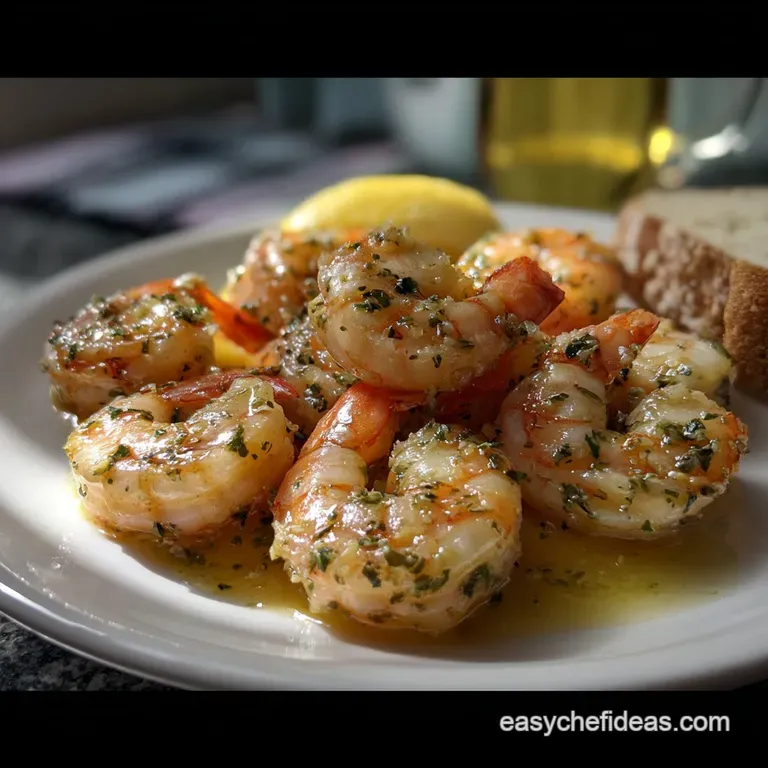
- Effort/Time: 15 minutes total
- Flavor Hook: Punchy garlic-butter infusion with a bracing citrus finish
- Perfect for: Low-carb holiday entertaining and elegant New Year's Eve gatherings
- Decoding the Myth of the Rubbery New Year's Eve Appetizer with Shrimp and Garlic
- The Culinary Physics Behind the Ultimate Shrimp Snap
- Precision Metrics for the 15 Minute Timeline
- Component Analysis: Selecting Your Aromatic Arsenal
- The Essential Hardware for a over High heat Flash Sear
- Mastering the Three-Stage Infusion for Maximum Flavor
- Problem Solving: Avoiding Rubbery Texture and Burnt Aromatics
- ⚗️ The Math of Multiplication: Scaling the New Year's Eve Appetizer
- Debunking Kitchen Folklore
- Post-Party Protocols and Zero Waste Culinary Philosophy
- Orchestrating the Perfect Holiday Tapas Presentation
- Direct Solutions for Common Shrimp Preparation Hurdles
- Recipe FAQs
- 📝 Recipe Card
Decoding the Myth of the Rubbery New Year's Eve Appetizer with Shrimp and Garlic
Get ready to impress with this delectable New Year's Eve appetizer featuring shrimp and garlic! For many home cooks, the idea of preparing seafood for a crowd is shrouded in the fear of serving "rubber balls" those overcooked, chewy crescents that lose all their natural sweetness.
We have been told that high heat is the enemy, or that frozen shrimp are inherently inferior. I used to believe this too, until I looked at the chemistry of the protein itself.
The secret to a world class New Year s Eve Appetizer with Shrimp and Garlic lies not in the price of the crustacean, but in how we manipulate its surface pH. By using a small amount of baking soda, we alter the protein structure to ensure the exterior "snaps" while the interior remains succulent.
This isn't just a quick snack; it is a celebration of community and nourishment, designed to be shared as the clock counts down.
In our home, this New Year s Eve Appetizer with Shrimp and Garlic represents more than just food. It is a bridge between the busy year behind us and the fresh start ahead.
We choose large 21/25 size shrimp to ensure they have enough surface area to catch the mahogany colored garlic slices and the vibrant red chili flakes. The result is a dish that feels sophisticated but takes less time than opening a bottle of champagne.
The Culinary Physics Behind the Ultimate Shrimp Snap
The success of this Eve appetizer with shrimp and garlic relies on two primary scientific principles: the Maillard reaction and protein denaturation. Most home cooks struggle because shrimp release moisture too quickly, effectively "steaming" in the pan rather than searing.
When moisture is present, the temperature cannot rise above 212°F (100°C), preventing the golden brown crust we crave.
Alkaline Buffering: Baking soda raises the pH of the shrimp surface, which accelerates the Maillard reaction and keeps the proteins from bonding too tightly (which causes toughness).
Emulsion Stability: Adding cold butter at the very end to the lemon juice and oil creates a "beurre blanc" style emulsion that coats each piece in a velvety, opaque sauce rather than a greasy puddle.
Precision Metrics for the 15 Minute Timeline
When preparing this New Year s Eve Appetizer with Shrimp and Garlic, precision is your best friend. Seafood cooks in a matter of seconds, meaning your window for success is narrow. Following this protocol ensures you spend more time with your guests and less time hovering over the stove.
- Prep Time:10 minutes (mostly garlic slicing and shrimp drying).
- Cook Time:5 minutes (flash searing and sauce emulsification).
- Total Time:15 minutes.
- Internal Temperature Target:120°F (49°C) for a perfect, juicy interior (carryover heat will bring it to 145°F).
Component Analysis: Selecting Your Aromatic Arsenal
Every element in this New Year s Eve Appetizer with Shrimp and Garlic serves a structural or chemical purpose. We are building layers of flavor from the grassy notes of premium oil to the pungent sweetness of caramelized garlic.
Ingredient Chemistry Breakdown
| Ingredient | Chemical/Physical Role (Science) | The Pro Secret (Why This Matters) |
|---|---|---|
| Large Shrimp (21/25) | Myosin and actin protein structure | Larger size prevents overcooking before the garlic browns |
| Baking Soda | Alkaline pH modifier | Ensures a "snappy" texture and faster browning |
| Fresh Garlic | Organosulfur compounds (Allicin) | Thinly sliced (not minced) provides sweetness without burning |
| Cold Unsalted Butter | Fat-in-water emulsion | Creates a velvety sauce that clings to the protein |
The Material Elements
- 1 lb Large Shrimp (size 21/25): Peeled and deveined, tail-on. Why this? The tail provides a natural handle for guests and keeps the protein intact.
- 1/4 tsp Baking Soda:Why this? Alters surface proteins to prevent the "rubbery" effect common in seafood.
- 1/2 tsp Sea Salt: (Preferably Diamond Crystal) for even distribution.
- 6 cloves Fresh Garlic: Thinly sliced into translucent "chips".
- 2 tbsp Extra Virgin Olive Oil:Why this? high-quality fat carries the fat-soluble flavor of the chili flakes.
- 1/2 tsp Red Chili Flakes: Adds a gentle, warming "back heat."
- 1 tbsp Cold Unsalted Butter:Why this? Cold fat emulsifies more easily into the lemon juice for a thick sauce.
- 1 tbsp Fresh Lemon Juice: To brighten the dish and cut through the richness.
- 2 tbsp Italian Parsley: Finely chopped for a fresh, herbaceous finish.
- Zest of 1/2 Lemon: Contains essential oils for an aromatic "hit" that juice alone lacks.
The Essential Hardware for a over High heat Flash Sear
To execute this New Year s Eve Appetizer with Shrimp and Garlic, you need a pan that can retain and distribute heat effectively. A thin, non-stick pan will often drop in temperature the moment the cold shrimp hit the surface, leading to grey, soggy results.
- 12 inch Cast Iron Skillet: (e.g., Lodge) This provides the thermal mass needed to maintain high heat and achieve a mahogany sear.
- Stainless Steel Tongs: Essential for precise flipping of individual shrimp.
- Microplane Grater: For the lemon zest to ensure no bitter white pith is included.
- Sharp Chef's Knife: Necessary for slicing the garlic thin enough to be translucent.
Mastering the Three Stage Infusion for Maximum Flavor

Creating a New Year's Eve appetizer with shrimp and garlic requires a strategic order of operations. If you add the garlic too early, it burns; add it too late, and it remains raw and pungent.
1. The Prep and Dry Phase
- Pat the shrimp bone dry using triple layered paper towels until no surface moisture remains. Note: Excess water causes steaming instead of searing.
- Toss the shrimp in a bowl with 1/4 tsp baking soda and 1/2 tsp sea salt.
- Rest the mixture for 5 minutes until the shrimp appear slightly translucent on the edges.
2. The over High heat Flash Sear
- Heat 2 tbsp extra virgin olive oil in the skillet over medium high heat until a light wisp of smoke appears.
- Place the shrimp in a single layer, ensuring they do not touch.
- Sear for 90 seconds until the bottom edge turns opaque and a golden orange crust forms.
- Flip each shrimp individually using tongs.
3. The Garlic Infusion and Emulsion
- Add the 6 cloves of sliced garlic and 1/2 tsp red chili flakes to the center of the pan for 60 seconds until the garlic edges turn pale gold and smell nutty.
- Stir in 1 tbsp cold unsalted butter and 1 tbsp lemon juice until the butter melts and the liquid becomes a bubbling, creamy emulsion.
- Toss with parsley and lemon zest for 10 seconds until the herbs are bright green and fragrant.
Problem Solving: Avoiding Rubbery Texture and Burnt Aromatics
Even simple recipes can go wrong during the chaos of a holiday party. If you find your shrimp are sticking or the garlic is bitter, understanding the physics of the pan will help you adjust mid-stream. This year's Eve appetizer with shrimp and garlic depends on temperature control.
Why Your Shrimp is Tough
When proteins are heated, they coagulate and squeeze out moisture. If heated too long, the fibers become dense and "rubbery." This is why we pull the shrimp when they still have a slight "jiggle" in the center the residual heat will finish the job. If you are planning a multi course holiday menu, these shrimp pair beautifully with a light Cod Fish recipe.
| Problem | Root Cause | The Fix | Pro Protocol |
|---|---|---|---|
| Greasy Sauce | Sauce didn't emulsify | Add 1 tsp water and swirl | Always use cold butter to create the emulsion |
| Burnt Garlic | Heat too high/Added too early | Remove from heat immediately | Slice garlic thicker if you are new to over high heat cooking |
| Pale Shrimp | Pan was crowded | Cook in two batches | Maintain 1/2 inch space between each shrimp |
⚗️ The Math of Multiplication: Scaling the New Year's Eve Appetizer
When you need to serve a crowd, you might be tempted to simply double everything. However, with shrimp and garlic, the physics of the pan dictate a more nuanced approach.
- The Evaporation Paradox: If you double the lemon juice and butter in the same pan, the surface area for evaporation stays the same. The sauce will take longer to thicken, which might overcook your shrimp. Reduce the added lemon juice by 15% when doubling the recipe.
- Pan Crowding (The Maillard Killer): Doubling 1 lb of shrimp to 2 lbs in one skillet will drop the temperature below 300°F. The shrimp will release their juices, and you will end up boiling them. Mandatory instruction: Cook in two separate batches or use two skillets simultaneously.
- Flavor Saturation: Scale spices like chili flakes to 1.5x (not 2x). Heat compounds can become overwhelming when concentrated in a larger volume of fat. This scaling advice is essential for anyone making a large New Year s Eve Appetizer with Shrimp and Garlic.
Debunking Kitchen Folklore
Myth: You must remove the tails before cooking for "easier eating." Truth: Keeping the tails on adds significant flavor to the oil during the sear, as the shells contain concentrated glutamate and minerals. It also protects the delicate end of the shrimp from overcooking.
Myth: Fresh shrimp is always better than frozen. Truth: Most "fresh" shrimp at the counter was previously frozen and thawed. Buying "Flash Frozen" (IQF) shrimp allows you to control the thawing process, resulting in a fresher product for your with shrimp and garlic dish.
Post Party Protocols and Zero Waste Culinary Philosophy
Storing and reheating seafood requires care to maintain that snappy texture we worked so hard to achieve. For those hosting a cozy gathering, following this with a dessert like Cinnamon Apple Crisp recipe provides a warm contrast.
Fridge: Store in an airtight container for up to 2 days. Freeze: Not recommended after cooking, as the texture will become grainy.
- Shrimp Shells
- Don't discard the shells if you peel them yourself. Transform: Simmer with water, onion scraps, and peppercorns for 20 minutes. Science: Extracts glucosamine and minerals for a quick seafood stock.
- Lemon Rinds
- After zesting and juicing, throw the spent rinds into your garbage disposal. Science: The citric acid and limonene oils act as a natural deodorizer and degreaser.
- Parsley Stems
- Finely mince the stems along with the leaves. Science: The stems contain more concentrated "green" flavor and provide a pleasant crunch.
Orchestrating the Perfect Holiday Tapas Presentation
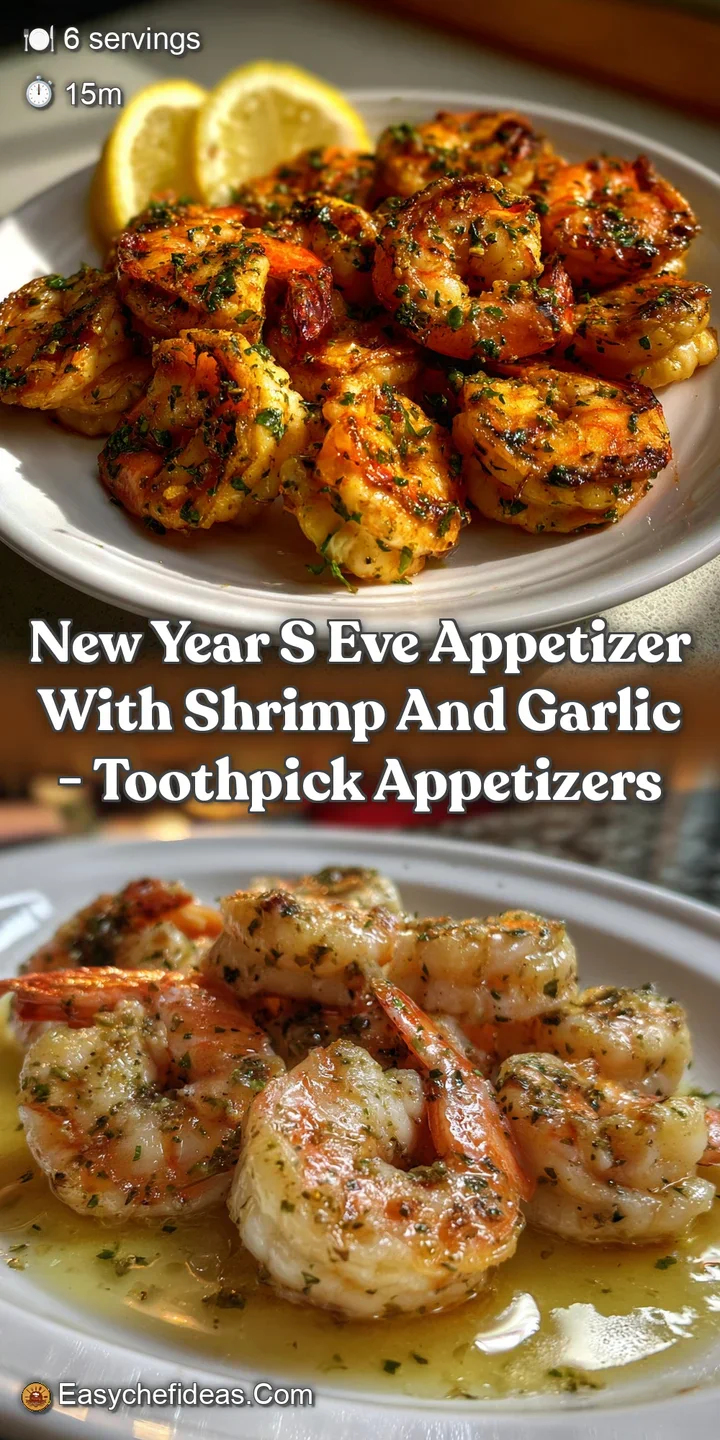
The way you present this New Year s Eve Appetizer with Shrimp and Garlic can change the entire mood of the evening. For a casual "community" feel, serve it straight from the cast iron skillet (placed on a wooden board) with plenty of crusty sourdough bread to mop up the garlic butter.
If you are going for an elegant, tiered look, skewer each shrimp with a decorative toothpick alongside a small leaf of parsley. The contrast between the mahogany garlic and the vibrant herbs makes it a visual centerpiece. This dish also acts as a fantastic starter for a sophisticated pasta course, similar to the flavor profiles found in a Gnocchi with Grilled recipe.
Decision Shortcut
- If you want Maximum Crunch: Use 1/2 tsp of baking soda (double the recipe) but rinse the shrimp after 10 minutes and pat dry again.
- If you want Deeper Flavor: Brown the butter in a separate pan first before adding it to the shrimp at the end.
- If you want Lower Heat: Replace the chili flakes with smoked paprika for a "Pimentón" Spanish style.
Direct Solutions for Common Shrimp Preparation Hurdles
Should I use "Easy Peel" shrimp? "Easy Peel" shrimp are already split down the back. While convenient, this allows more moisture to escape during cooking. For the juiciest results in this recipe with shrimp and garlic, buy whole shell shrimp and peel them yourself just before cooking.
What if I can't find 21/25 size? If you use smaller shrimp (like 31/40), reduce the searing time by 30 seconds per side. Smaller proteins have a higher surface-to-volume ratio and will reach their coagulation point much faster.
Ensuring a perfect New Year s Eve Appetizer with Shrimp and Garlic means adjusting cook times precisely for the size used.
Can I prep this ahead of time? You can slice the garlic and chop the parsley up to 8 hours in advance. However, do not toss the shrimp with baking soda and salt until 10 minutes before you are ready to sear, or the salt will begin to cure the shrimp, changing the texture from "snappy" to "ham-like." This New Year s Eve Appetizer with Shrimp and Garlic is best served immediately to appreciate the temperature contrast of the hot pan and the fresh lemon.
Recipe FAQs
Why do my shrimp turn rubbery when cooked quickly?
Over coagulation of myosin and actin proteins. Rapid heat denatures the muscle fibers too quickly, squeezing out essential moisture and causing a tight, tough structure.
- Use a small amount of baking soda pre-treatment
- Ensure pan is ripping hot before adding shrimp
- Pull shrimp off heat at 120°F internal
Can I use frozen shrimp instead of fresh for this appetizer?
Yes, if thawed and dried properly. Frozen then-thawed shrimp can absorb more moisture than fresh, so the drying step is crucial for searing. If you mastered controlling moisture here, see how the same principle applies when ensuring a crisp skin on Seared Tuna Salad with Wasabi Butter Sauce: 30-Minute Gourmet Dish.
Is it better to use salted or unsalted butter for the final emulsion?
Unsalted butter for precision control. Salted brands vary widely in sodium content, making it difficult to balance the salt introduced by the initial shrimp brine. Unsalted butter ensures your sauce's richness doesn't overpower the delicate garlic infusion.
Myth: Overcrowding the pan yields faster cooking results.
Myth: Overcrowding the pan yields faster cooking results. Reality: Crowding lowers the pan temperature drastically, forcing the shrimp to steam in released moisture rather than sear. This prevents the Maillard reaction necessary for color and flavor.
How do I prevent the minced garlic from burning before the shrimp cooks?
Slice garlic thin and add it mid-sear. Thin slices caramelize quickly, while thick pieces stay raw; adding them after the shrimp has already seared for 90 seconds prevents scorching. If you enjoyed controlling the searing technique here, apply that same temperature precision to Pork Chops with Mushrooms and Shallots: Ultimate Creamy Pan Sauce.
What is the role of the baking soda treatment on the shrimp?
It raises the surface pH for a crispier sear. Alkalinity accelerates the Maillard browning reaction on the protein surface. This chemical change helps the shrimp attain a snap without requiring longer cooking times that dry the interior.
Myth: Lemon juice should be added at the very beginning with the oil.
Myth: Lemon juice should be added at the very beginning with the oil. Reality: Acid inhibits browning and can denature the proteins prematurely. Add acid only at the end to emulsify the butter and brighten the flavor profile.
Shrimp Garlic Nye Bites

Ingredients:
Instructions:
Nutrition Facts:
| Calories | 127 kcal |
|---|---|
| Protein | 13.7 g |
| Fat | 7.2 g |
| Carbs | 1.3 g |
| Fiber | 0.2 g |
| Sugar | 0.1 g |
| Sodium | 215 mg |
