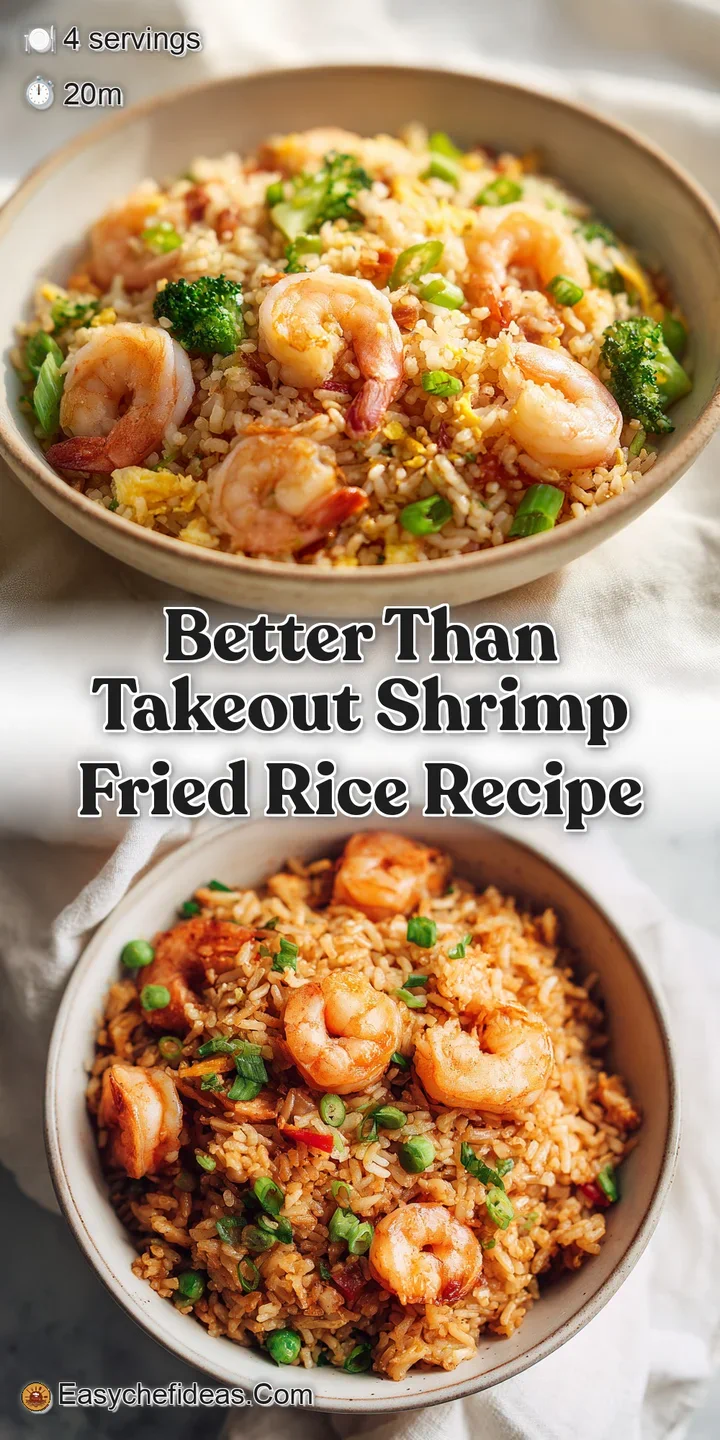
Shrimp Fried Rice: Toasted and Flavorful
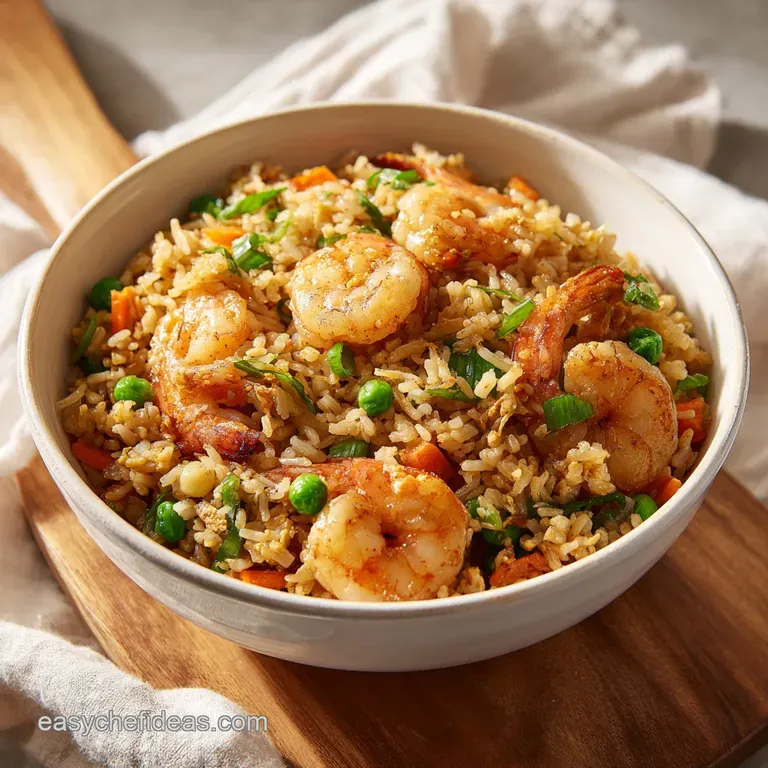
- Time: Active 10 minutes, Passive 10 minutes, Total 20 minutes
- Flavor/Texture Hook: Savory, toasted aroma with a firm, bouncy texture
- Perfect for: Nourishing family gatherings or a comforting weekend meal
- Crafting The Ultimate Better Than Takeout Shrimp Fried Rice
- Key Metrics for Heat and Timing
- Nourishing Components and Authentic Flavors
- Essential Tools for High Heat Success
- Detailed Steps for a Flawless Stir fry
- Fixing Common Texture and Flavor Issues
- Flavorful Variations for Your Community
- Storage Tips to Maintain Grain Integrity
- Side Dishes to Nourish Your Guests
- Myths About Stir Frying
- High in Sodium
- Recipe FAQs
- 📝 Recipe Card
Crafting The Ultimate Better Than Takeout Shrimp Fried Rice
The sizzle of cold rice hitting a shimmering, hot pan is a sound that instantly brings me back to my grandmother’s kitchen. I remember standing on a wooden stool, watching her toss ingredients with a rhythm that felt like a dance.
The air would fill with the sharp, biting scent of fresh ginger and the deep, earthy perfume of toasted sesame oil, a fragrance that promised a meal made with love and intention. It wasn't just about finishing a task; it was about honoring the ingredients that nourish our community.
That sensory memory is what I chase every time I make Shrimp Fried Rice. I’ve learned through many failed, mushy attempts that the secret isn’t just in the sauce, but in the respect we show the grains.
We’re looking for that specific moment when the soy sauce hits the hot metal and caramelizes, sending up a cloud of savory steam that makes your mouth water before you even take a bite. This isn't just a quick fix; it's a celebration of global culinary diversity on a single plate.
When you master this dish, you aren't just following a recipe; you’re learning to listen to the kitchen. You’ll hear the shrimp shatter the silence with their sear and smell the onions transform from pungent to sweet.
I’m sharing the tricks I’ve gathered from the mistake of using fresh rice to the magic of a butter finish so you can create something truly special for those you love.
Trust me, once you experience the velvety texture of the egg ribbons against the firm, seasoned rice, you’ll never look at a takeout box the same way again.
Key Metrics for Heat and Timing
Retrogradation: Chilling rice overnight forces starch molecules to realign into a firm structure, which prevents the grains from collapsing into mush when they hit the hot oil.
Maillard Reaction: Intense heat causes the sugars and proteins in the soy sauce and shrimp to brown, creating a complex, savory depth that cannot be achieved at lower temperatures.
Protein Denaturation: Searing the shrimp quickly over high heat ensures the exterior becomes snappy and golden while the interior remains succulent and plump.
| Shrimp Size | Internal Temp | Rest Time | Visual Cue |
|---|---|---|---|
| Large (1 lb) | 145°F | 2 minutes | Opaque pink with a tight "C" curl |
| Jumbo | 145°F | 3 minutes | Firm to the touch, no translucency |
| Medium | 145°F | 1 minute | Bright white center, golden edges |
The texture of your grains is the foundation of this dish. If you find yourself struggling with consistency, you might want to look at my guide for a Perfectly Fluffy Rice recipe to ensure your base is solid before you even start the stir fry process. Achieving that individual grain separation is a hallmark of skilled home cooking.
Nourishing Components and Authentic Flavors
The Architecture of the Grain
Rice is the canvas of this dish, and its role in our global food culture cannot be overstated. By using Jasmine rice, we embrace a grain that offers a delicate floral scent and a sturdy enough structure to withstand the high heat of the wok.
When we use day old rice, we are essentially practicing a form of zero waste cooking that has been passed down through generations.
The Brine and the Sear
We treat the 1 lb Large Shrimp with 1 tsp Garlic Powder and a touch of black pepper to create a flavor profile that resonates through the entire dish. The shrimp shouldn't just be an addition; they should be a highlight.
When they hit the 1 tbsp Avocado oil, they should sizzle immediately, creating a crust that holds in their natural sweetness.
| Ingredient | Science Role | Pro Secret |
|---|---|---|
| 4 cups Jasmine Rice | Starch foundation | Rinse five times before cooking to remove excess surface starch. |
| 3 large Eggs | Fat and moisture | Whisk with a drop of sesame oil to create velvety, fragrant ribbons. |
| 2 tbsp Unsalted Butter | Emulsifier | Add at the very end to coat the grains in a silky, rich sheen. |
| 3 tbsp Soy Sauce | Umami and salt | Pour it down the sides of the wok to flash caramelize the sugars. |
The transition from raw ingredients to a cohesive meal is a beautiful process. Each component, from the 1/2 white onion to the 1 cup frozen peas and carrots, contributes to a diversity of color and texture that makes the final dish feel truly nourishing for the body and soul.
Essential Tools for High Heat Success
To truly honor this Shrimp Fried Rice, you need tools that can handle the intensity of the flame. While a traditional carbon steel wok is the gold standard for creating "wok hei" (the breath of the wok), a heavy cast iron skillet is a fantastic alternative for the modern home kitchen.
These materials retain heat much better than thin non stick pans, allowing the rice to fry rather than steam.
Chef’s Tip: Freeze your butter for 10 minutes before the final step. Grating the cold butter into the hot rice at the very end allows it to melt evenly and emulsify with the soy sauce, creating a glossy finish that isn't greasy.
Another unconventional trick is to use a wide, flat wooden spatula. This allows you to press the rice against the hot surface of the pan, maximizing the contact area for browning without breaking the delicate grains.
If you are using a skillet, avoid overcrowding; if you are doubling the recipe, work in batches to keep the temperature high.
| Method | Time | Texture | Best For |
|---|---|---|---|
| Carbon Steel Wok | 8 minutes | Smoky and charred | Traditional authentic flavor |
| Cast Iron Skillet | 10 minutes | Very crispy edges | Maximum caramelization |
| Stainless Steel Pan | 12 minutes | Evenly browned | Consistent heat distribution |
Detailed Steps for a Flawless Stir fry
- Season the shrimp. Toss 1 lb Large Shrimp with 1 tsp Garlic Powder, 1/4 tsp salt, and 1/4 tsp black pepper. Note: This dry rub creates a flavorful crust during the sear.
- Sear the protein. Heat 1 tbsp Avocado oil in a wok until it shimmers. Add shrimp and cook 2 minutes per side until opaque and pink. Remove and set aside.
- Sauté the aromatics. Add 1/2 diced white onion to the residual oil. Stir fry for 2 minutes until the sharp scent turns sweet and the edges soften.
- Infuse the garlic. Add 3 cloves minced garlic and the white parts of the green onions. Cook for 30 seconds until the kitchen is filled with a warm, toasted aroma.
- Flash cook the vegetables. Stir in 1 cup frozen peas and carrots. Cook for 2 minutes until they are vibrant and no longer frosty.
- Toast the rice. Add 2 tbsp butter to the center, then toss in 4 cups chilled Jasmine rice. Break up clumps and fry for 3 minutes until the grains begin to sizzle and pop.
- Incorporate the sauce. Drizzle 3 tbsp Soy Sauce, 1 tbsp Oyster Sauce, and 1/2 tsp sugar over the rice. Toss vigorously until every grain is evenly bronzed.
- Create the egg ribbons. Push the rice to the sides. Pour 3 beaten eggs into the center. Let sit for 30 seconds until the bottom sets, then scramble gently and fold into the rice.
- The final reunion. Add the cooked shrimp back to the pan. Drizzle with 1 tsp Toasted Sesame Oil and the green parts of the onions.
- Serve and nourish. Toss one last time over high heat to marry the flavors. The aroma of than takeout shrimp fried rice should be unmistakable.
Fixing Common Texture and Flavor Issues
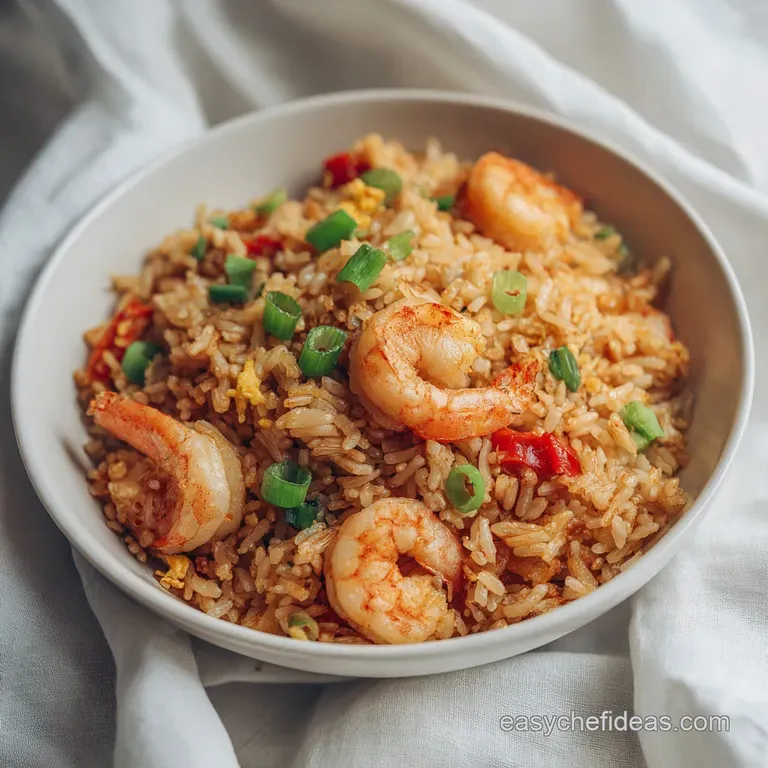
Why Your Rice Is Mushy
If your rice turns into a clump rather than individual grains, the culprit is usually moisture. Freshly cooked rice is full of steam and soft starch. By using rice that has been chilled, the starch goes through a process called retrogradation, which firms up the grain.
If you must use fresh rice, spread it out on a baking sheet and put it in front of a fan for 20 minutes to dry the surface.
Why The Shrimp Are Rubbery
Overcooking is the enemy of succulent seafood. Shrimp cook incredibly fast. If you leave them in the pan while you fry the rice, they will become tough and lose their velvety snap. Always sear them first, remove them from the heat, and only add them back at the very end to warm through.
| Problem | Root Cause | Solution |
|---|---|---|
| Rice sticks to pan | Pan wasn't hot enough | Preheat pan until a drop of water dances and evaporates instantly. |
| Dish tastes flat | Lack of acidity or sugar | Add the 1/2 tsp sugar to balance the salt, or a tiny splash of rice vinegar. |
| Burnt garlic | Added too early | Garlic burns in seconds; always add it after the onions have released moisture. |
Common Mistakes Checklist ✓ Never use warm rice; it will steam and become gummy. ✓ Pat the shrimp dry with paper towels before seasoning to ensure a hard sear. ✓ Use a high smoke point oil like Avocado or Grapeseed; olive oil will smoke and turn bitter.
✓ Don't crowd the pan; if the rice is more than an inch deep, it won't fry properly. ✓ Separation is key; break up the rice clumps with your hands before adding them to the wok.
Flavorful Variations for Your Community
One of the best things about Shrimp Fried Rice is how it can be adapted to suit whatever ingredients you have on hand, reflecting the diversity of your own kitchen. If you want a "than takeout shrimp fried rice" experience with a twist, try adding diced fresh pineapple at the very end.
The acidity cuts through the salt of the soy sauce beautifully. For a spicy kick, a spoonful of chili crisp or sambal oelek stirred into the sauce adds a glowing heat that warms the palate.
If you are looking for a healthy shrimp fried rice recipe, you can easily swap the white rice for brown rice or even quinoa. Just keep in mind that brown rice requires a bit more oil as it is naturally drier.
You can also double the volume of vegetables, adding bok choy, snap peas, or bell peppers to increase the fiber content and nourish your body with more micronutrients.
- For a Smoky Depth: Use a teaspoon of smoked paprika in the shrimp rub.
- For a Vegan Twist: Replace shrimp with firm tofu cubes and use "No Fish" sauce or extra soy sauce instead of oyster sauce.
- For a Garlic Lovers Version: Double the garlic and fry half of it in oil until crispy to use as a garnish.
Storage Tips to Maintain Grain Integrity
This takeout shrimp fried rice actually holds up remarkably well, making it a favorite for meal prep. You can store leftovers in an airtight container in the refrigerator for up to 3 days.
When reheating, the key is to add a tiny splash of water or broth (about a teaspoon) before microwaving or tossing back into a pan. This creates a small amount of steam that re hydrates the grains without making them soggy.
For long term storage, you can freeze the fried rice for up to 2 months. I recommend freezing it in individual portions. To reheat from frozen, it is actually best to go straight into a hot skillet with a little bit of butter. This helps maintain that "fried" texture that is often lost in the microwave.
Zero waste tip: Don't throw away those shrimp shells! You can simmer them with some ginger and onion scraps to make a quick seafood stock that can be used for a How to Make recipe later in the week.
Side Dishes to Nourish Your Guests
While this dish is a complete meal on its own, serving it alongside other cultural staples can turn a simple dinner into a feast. A bright, crunchy cucumber salad with rice vinegar and sesame seeds provides a cooling contrast to the savory rice. If you want to lean into the seafood theme, this rice pairs wonderfully with a light Cod Fish recipe, where the zesty butter sauce complements the umami of the soy.
For a lighter accompaniment, consider some fresh Rice Paper Recipes filled with crisp herbs and vegetables. The freshness of the spring rolls balances the richness of the fried rice, creating a meal that feels balanced and thoughtful.
Stovetop vs Oven Reheating
| Method | Quality | Time | Result |
|---|---|---|---|
| Stovetop | High | 5 minutes | Restores crispness and aroma |
| Oven (350°F) | Medium | 15 minutes | Even heating, slightly drier |
| Microwave | Low | 2 minutes | Soft texture, convenient |
Myths About Stir Frying
A common misconception is that you need a professional grade burner to make a great Shrimp Fried Rice. While high heat is important, you can achieve excellent results on a standard home stove by simply letting your pan preheat for a few extra minutes.
The goal is to get the surface hot enough that the food sears on contact rather than stewing in its own juices.
Another myth is that soy sauce is the only source of flavor. In reality, the "takeout shrimp fried rice" flavor comes from a combination of the aromatics (garlic, ginger, onions) and the toasted sesame oil added at the very end.
If you only use soy sauce, the dish will be salty but will lack the aromatic complexity that defines a truly great stir fry. Searing the shrimp separately also ensures they don't release excess water into the rice, which is a vital step many people skip.
I hope this guide helps you feel more confident in the kitchen. Remember, cooking is an act of love for yourself and your community. By taking the time to understand the science and the soul behind the ingredients, you're creating more than just a meal you're creating a memory.
Enjoy every sizzle and every scent!
High in Sodium
840 mg mg of sodium per serving (37% % of daily value)
The American Heart Association recommends limiting sodium intake to about 2,300mg per day for overall cardiovascular health.
Tips to Reduce Sodium in Your Shrimp Fried Rice
-
Reduce Added Salt-25%
Eliminating the 1/4 tsp of added salt can significantly lower sodium. Taste the dish before adding any extra salt, as the soy sauce contributes sodium already. This could potentially reduce the recipe's sodium by 25%.
-
Lower Sodium Soy Sauce-20%
Even "low-sodium" soy sauce contains sodium. Further reduce sodium by using a no-sodium soy sauce alternative, or even coconut aminos for a naturally lower sodium and slightly sweeter flavor profile. This could reduce the recipe's sodium by 20%.
-
Oyster Sauce Alternative-15%
Oyster sauce can be quite high in sodium. Substitute it with a homemade sauce made from low-sodium mushroom broth, a touch of molasses, and cornstarch to thicken. This change can bring a 15% reduction of overall sodium.
-
Rinse Rice-5%
Rinsing cooked jasmine rice after chilling can remove excess starch and any residual sodium from the cooking process, which may lead to a 5% reduction of overall sodium.
-
Boost Flavor with Herbs & Spices
Enhance the flavor of your fried rice with fresh herbs like cilantro, ginger, or a pinch of red pepper flakes instead of relying on salt. Experimenting with different spice combinations can elevate the dish without adding sodium.
Recipe FAQs
What type of rice yields the best, non-mushy texture for fried rice?
Day-old, chilled Jasmine rice. Freshly cooked rice contains too much surface moisture, causing it to steam rather than fry when introduced to high heat.
How to prevent the shrimp from becoming rubbery during the high heat stir fry process?
Sear the shrimp first, remove them, and add them back last. This prevents residual cooking once the rice is fully assembled, ensuring they remain plump and tender.
Is it true that I must use a wok to achieve authentic "wok hei" flavor?
No, this is a common misconception. A heavy cast iron skillet is an excellent substitute because it retains the necessary high, even heat for proper searing and caramelization.
How to properly incorporate soy sauce into the rice for deep color without sogginess?
Pour the soy sauce down the sides of the hot pan, not directly onto the rice. This allows the sauce to flash caramelize against the metal, intensifying flavor before it coats the grains.
What is the secret ingredient used at the very end to give the fried rice a glossy, rich coating?
A small amount of unsalted butter added off the heat. Whisking in cold butter at the very end creates a rich, silky emulsion that coats the grains beautifully.
Can I substitute the shrimp with another protein, like chicken or tofu?
Yes, similar to the technique used in my Greek Chicken Gyros recipe, you should sear the substitute protein separately first. This ensures the meat or tofu achieves a good crust before being combined with the rice base.
How long should I cook the aromatics like garlic and onion before adding the rice?
Cook onions for about 2 minutes until sweet, then add garlic for just 30 seconds until fragrant. Garlic burns very quickly under high heat, so always add it after the onions have softened to prevent a bitter taste.
Shrimp Fried Rice In 20
Ingredients:
Instructions:
Nutrition Facts:
| Calories | 492 kcal |
|---|---|
| Protein | 34.5 g |
| Fat | 16.8 g |
| Carbs | 52 g |
| Fiber | 3.2 g |
| Sugar | 2.8 g |
| Sodium | 840 mg |
