Top Breakfast Casserole Recipe with Sausage
- Time: Active 15 minutes, Passive 45 minutes, Total 1 hour
- Flavor/Texture Hook: Savory, cheesy, and shatter crisp hash browns
- Perfect for: Weekend brunch or stress free holiday hosting
- The Ultimate Top Breakfast Casserole Recipe with Sausage
- Building Flavor Layers for a Better Bake
- The Component Analysis for Success
- Gathering Your Essential Pantry Elements
- The Right Tools for the Job
- Bringing the Flavor Layers Together
- Solving the Texture Troubles
- Adjusting for Your Crowd
- Debunking Common Kitchen Myths
- Preservation and Waste Reduction
- Finishing Touches for Your Brunch
- Recipe FAQs
- 📝 Recipe Card
The Ultimate Top Breakfast Casserole Recipe with Sausage
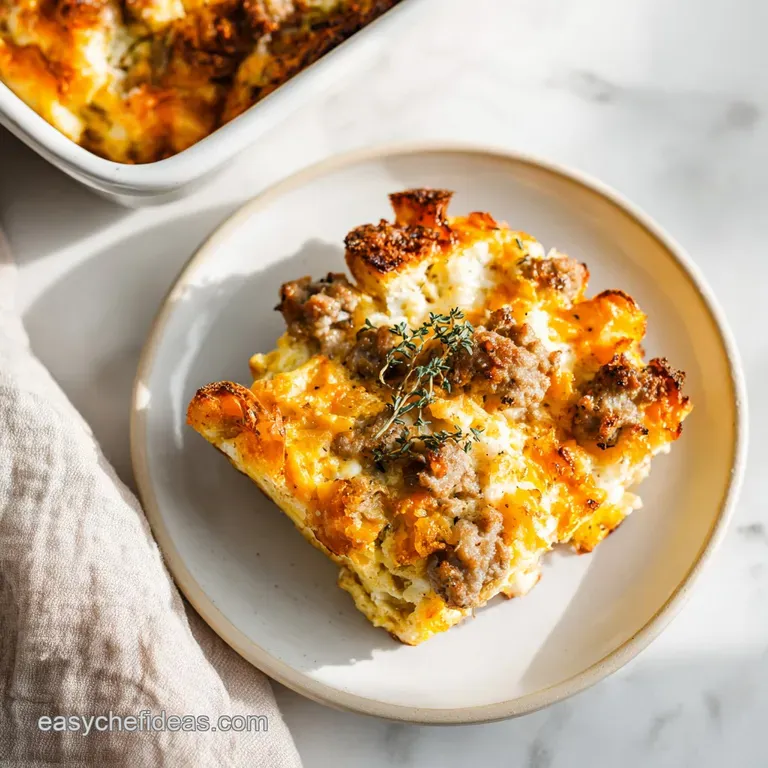
Imagine waking up to the smell of heritage pork sizzling in a heavy skillet. That first "crackle" when the meat hits the heat is the signal that something special is happening. I remember the first time I tried making a bake like this; I just threw everything in raw, and it was a soggy, sad mess.
I learned the hard way that building layers of flavor is the only way to get that deep, nostalgic comfort we all crave. This top breakfast casserole recipe with sausage and cheese will become your new weekend brunch favorite.
We aren't just making a meal here; we are creating a bit of morning magic for our community. Whether it's for a family gathering or a quiet Sunday, this dish nourishes more than just the stomach.
It’s about that golden crust, the pull of the sharp cheddar, and the way the eggs hold everything together in a silky hug. You want every bite to have a bit of everything: the zip of the peppers, the salt of the sausage, and the crunch of the potatoes.
Right then, let's get into what actually makes this work. We’re moving away from the "dump and bake" mentality. Instead, we’re going to treat each component with a little respect.
By the time this hits the table, your kitchen will smell like a dream, and you'll have a dish that looks like it came from a professional brunch spot but feels like home.
Building Flavor Layers for a Better Bake
To understand why this works, we have to look at how flavors interact under heat. It isn't just about mixing ingredients; it is about managing moisture and fat.
- Maillard Reaction: Searing the pork breakfast sausage transforms simple proteins into complex, savory flavor compounds that ground the entire dish.
- Starch Hydration: Allowing the thawed hash browns to sit in the egg mixture helps them soften slightly while maintaining enough structure to provide a "bite."
- Fat Emulsification: The whole milk and eggs create a stable matrix that suspends the cheese, preventing it from just sinking to the bottom or becoming oily.
- Aromatic Softening: Dicing the onions and peppers finely ensures they release their natural sugars without leaving behind a crunchy, raw texture.
| Cooking Style | Prep Time | Resulting Texture | Best Occasion |
|---|---|---|---|
| The Fast Track | 10 mins | Softer, more "soufflé" like | Busy Monday mornings |
| The Classic Bake | 15 mins | Crispy edges, defined layers | Leisurely Sunday brunch |
| The Overnight | 12 hours | Dense, custard heavy, rich | Holiday celebrations |
Choosing between the fast method and the classic approach really comes down to how much you value those crispy bits. While the fast version is great when you're in a rush, taking those extra five minutes to really brown the sausage and peppers makes a world of difference.
It's the difference between a "good" breakfast and one people will talk about for weeks.
The Component Analysis for Success
Every ingredient in this breakfast casserole recipe with sausage and cheese plays a specific role in the final architecture of the dish. It isn't just about filling a pan; it's about balance and nourishment.
| Ingredient | Science Role | Pro Secret |
|---|---|---|
| 8 Large Eggs | Structural Binder | Room temp eggs whisk more evenly for a silkier custard |
| 1 lb Pork Sausage | Primary Fat/Umami | Cold start the pan to render more fat for the veggies |
| 30 oz Hash Browns | Complex Carbohydrate | Use thawed potatoes to avoid "weeping" moisture in the oven |
| 2 cups Sharp Cheddar | Flavor and Fat | Grate your own to avoid the anti clumping starches in bags |
Using whole milk instead of skim is non negotiable here. The fat in the milk protects the egg proteins from over coagulating, which is what causes that rubbery texture we’ve all experienced in bad casseroles. If you're looking to branch out, the technique for browning here is very similar to how you'd prep the base for our How to Cook recipe, where heat management is everything.
Gathering Your Essential Pantry Elements
You probably have most of these in your kitchen right now. The key is in the quality of the "simple" things.
- 1 lb bulk pork breakfast sausage: I prefer the "hot" variety for a tiny kick, but mild works perfectly. Why this? Provides the foundational fat and savory notes for the entire bake.
- 30 oz frozen shredded hash browns: Make sure they are fully thawed. Why this? Creates a consistent, crispy lattice structure throughout the dish.
- 2 cups sharp Cheddar cheese: Freshly shredded is best. Why this? Sharpness cuts through the richness of the eggs and sausage.
- 1 cup Monterey Jack cheese: This is your "melt" factor. Why this? Provides that velvety, stretchy texture that cheddar lacks.
- 8 large eggs: Use the best quality you can find. Why this? Acts as the glue holding our flavor layers together.
- 2 cups whole milk: Don't use 2% or skim. Why this? High fat content ensures a creamy, custardy interior.
- 0.5 cup yellow onion: Finely diced for even distribution. Why this? Adds a subtle sweetness once sautéed in the sausage fat.
- 0.5 cup green bell pepper: Adds a necessary brightness. Why this? Contrasts the heavy fats with a fresh, vegetal note.
- 1 tsp kosher salt: Essential for seasoning. Why this? Enhances the natural flavors of the pork and eggs.
- 0.5 tsp freshly cracked black pepper: For a bit of spice. Why this? Cuts through the richness of the dairy.
- 0.25 tsp garlic powder: A little goes a long way. Why this? Provides an earthy background note without the bite of fresh garlic.
| Original Ingredient | Substitute | Why It Works |
|---|---|---|
| Bulk Pork Sausage | Ground Turkey Sausage | Leaner option; add 1 tsp smoked paprika for flavor |
| Whole Milk | Heavy Cream (half) | Creates an even richer, more decadent custard base |
| Sharp Cheddar | Smoked Gouda | Adds a deep, wood fired flavor to the top layer |
| Shredded Hash Browns | Tater Tots | Adds extra crunch. Note: Increases cook time by 10 mins |
If you find yourself running low on fresh potatoes, don't worry. This recipe with sausage and cheese is quite forgiving. The key is to keep the ratio of liquid to solids consistent so the bake doesn't fall apart when you slice it.
The Right Tools for the Job
You don't need a professional kitchen, but a few specific items will make your life much easier.
- 9x13 inch ceramic baking dish: Ceramic holds heat more evenly than metal, preventing burnt corners.
- Large cast iron skillet: Perfect for browning the sausage and peppers together.
- Large mixing bowl: Give yourself more room than you think you need for whisking.
- Wire whisk: To ensure the eggs and milk are fully homogenized.
- Box grater: Because we are definitely grating our own cheese, right?
Chef Tip: Place your baking dish on a rimmed baking sheet before putting it in the oven. If the cheese bubbles over, you won't have to clean the bottom of your oven later. Trust me on this one.
Bringing the Flavor Layers Together
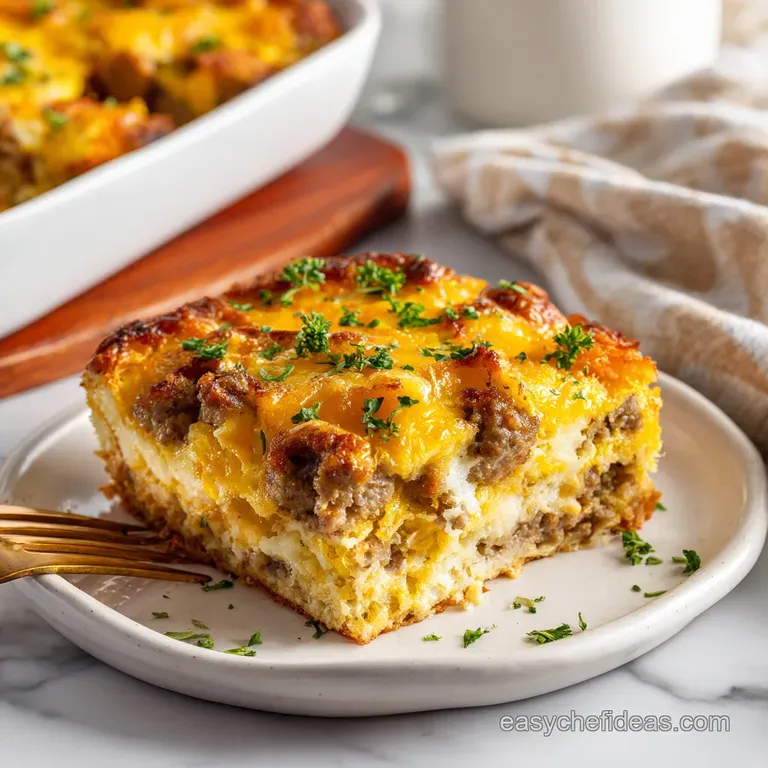
This is where the magic happens. We’re going to build this systematically to ensure every slice is as good as the last.
- Preheat the oven. Set your rack to the middle position and heat to 375°F (190°C). Note: This temperature ensures the eggs set before the cheese burns.
- Brown the pork. In your skillet, cook 1 lb bulk pork breakfast sausage over medium heat until no longer pink and deeply browned.
- Sauté the aromatics. Add 0.5 cup yellow onion and 0.5 cup green bell pepper to the sausage fat until softened and translucent.
- Drain the excess. Transfer the sausage mixture to a paper towel lined plate. Note: Removing excess grease prevents a soggy bottom.
- Layer the potatoes. Spread 30 oz thawed hash browns in the bottom of your greased baking dish.
- Add the savory base. Scatter the sausage, onion, and pepper mixture evenly over the potatoes.
- Whisk the custard. In a large bowl, beat 8 eggs with 2 cups whole milk, 1 tsp salt, 0.5 tsp pepper, and 0.25 tsp garlic powder until completely combined and frothy.
- Incorporate the cheese. Fold 1.5 cups of the Cheddar and all of the Monterey Jack into the egg mixture.
- Combine and soak. Pour the egg mixture over the sausage and potatoes. Press down gently with a spatula to ensure everything is submerged.
- Final topping and bake. Sprinkle the remaining 0.5 cup of Cheddar on top. Bake for 45 minutes until the center is set and the top is golden brown.
The internal temperature should reach 160°F (71°C) to ensure the eggs are safely cooked but still creamy. If the top is browning too fast, just tent it loosely with foil for the last 10 minutes.
Solving the Texture Troubles
Nothing ruins a morning faster than a casserole that's either too dry or swimming in liquid. Let's make sure that doesn't happen.
The Mystery of the Soggy Center
If your bake feels wet in the middle, it’s usually because the vegetables or the sausage were added while still carrying too much moisture or grease. Another culprit is the hash browns if they weren't fully thawed and patted dry, they release water as they cook.
Rubbery Egg Texture
This is almost always a result of overcooking or using low-fat milk. Eggs are delicate proteins; once they hit a certain temperature, they squeeze out their moisture and become tough. Using whole milk provides the fat needed to keep those proteins tender.
| Problem | Root Cause | Solution |
|---|---|---|
| Greasy surface | Sausage wasn't drained | Blot cooked sausage with paper towels before layering |
| Bland flavor | Under seasoned eggs | Increase salt to 1.5 tsp or add a dash of hot sauce |
| Burnt edges | Oven running too hot | Use an oven thermometer; bake at 350°F (180°C) if needed |
Common Mistakes Checklist: ✓ Ensure hash browns are completely thawed and squeezed of excess water. ✓ Don't skip browning the sausage; raw meat will not cook correctly in the custard. ✓ Whisk the eggs until no streaks of white remain for a uniform texture.
✓ Let the casserole rest for at least 10 minutes before slicing to allow the structure to set. ✓ Use a ceramic dish if possible for even heat distribution.
Adjusting for Your Crowd
Whether you are feeding a small army or just a couple of people, you can easily tweak this recipe with sausage.
Downscaling for Two If you want to cut this in half, use an 8x8 inch square pan. Use 4 eggs and 1 cup of milk. The cook time will likely drop to about 30-35 minutes, so start checking it early.
Since you can't really use "half a bag" of frozen potatoes easily, I usually cook the whole bag and save the rest for a different breakfast later.
Upscaling for the Community For big parties, you’ll need two 9x13 pans. Don't try to double everything into one massive deep dish; the center will never cook through before the edges burn.
When doubling, keep the spices at about 1.5 times the original amount rather than a full double to avoid overwhelming the dish.
| Servings | Pan Size | Sausage Amount | Egg Count |
|---|---|---|---|
| 5 people | 8x8 inch | 0.5 lb | 4 eggs |
| 10 people | 9x13 inch | 1 lb | 8 eggs |
| 20 people | Two 9x13s | 2 lbs | 16 eggs |
If you are serving this as part of a larger spread, it pairs beautifully with something light and airy, like my Foolproof Fluffy Dinner recipe, which can soak up any of that delicious savory custard.
Debunking Common Kitchen Myths
There is a popular idea that you must let this sit overnight for it to be good. While an overnight rest is convenient for hosting, it's not a flavor requirement. In fact, a "fresh" bake often has a better potato texture because they haven't spent 12 hours absorbing liquid and becoming mushy.
Another myth is that you need to grease the pan with an entire stick of butter. While a little bit of fat helps with cleanup, the sausage in the casserole provides quite a bit of its own lubrication. A light spray or a quick rub of butter is all you really need to prevent sticking.
Preservation and Waste Reduction
I honestly think this tastes even better the next day once the flavors have had a chance to really get to know each other in the fridge.
Storage Guidelines Keep leftovers in an airtight container in the fridge for up to 4 days. When reheating, I recommend using the oven at 350°F (180°C) covered with foil rather than the microwave.
The microwave tends to make the eggs rubbery and the potatoes limp. If you do use the microwave, do it in 30 second bursts at 70% power.
Zero Waste Tips Don't toss those onion peels or pepper stems! Throw them in a bag in the freezer to make a savory veggie stock later. If you have a small amount of casserole left that isn't enough for a full meal, chop it up and use it as a filling for breakfast burritos or stir it into a pan of fried rice for a weird but amazing fusion brunch.
Finishing Touches for Your Brunch
Presentation is what takes this from a "casserole" to a "centerpiece." A sprinkle of fresh herbs goes a long way.
- Fresh Chives: Their mild onion bite cuts right through the heavy cheese.
- Sliced Scallions: Adds a nice crunch and a pop of bright green.
- Hot Sauce Drizzle: A few dots of Cholula or Tabasco can wake up the whole palate.
- A Dollop of Sour Cream: If you like things extra creamy, a little cold cream on top of the hot bake is a game changer.
Serve this with a side of fresh fruit the acidity of berries or melon balances the richness of the sausage and cheese perfectly. It's all about that contrast!
Right then, you’re all set to make the top breakfast casserole recipe with sausage. It’s a dish built on tradition, flavor, and a little bit of science. Your friends and family are going to love the way the flavors layer together, and you're going to love how easy it is to be the hero of the morning.
Enjoy every bite!

Recipe FAQs
Can I substitute standard milk for whole milk in this casserole?
No, use whole milk or heavier. Skim or 2% milk lacks the necessary fat content, which is crucial for preventing the eggs from over coagulating and becoming rubbery.
How to ensure the hash browns are crispy and not soggy?
Ensure the frozen hash browns are completely thawed and patted dry. Excess surface moisture will seep into the custard during baking, leading to a wet center rather than crisp edges.
What is the minimum amount of time required for the sausage and vegetable base to cook before adding eggs?
Sauté the sausage until no longer pink and deeply brown the vegetables until translucent. This process renders fat and creates the savory foundation, a key step similar to building flavor in our Easy & Juicy Homemade Sausage Patties.
Is it true that I must let this casserole rest overnight before baking to achieve the best flavor?
No, resting overnight is convenient but not mandatory for flavor. Baking immediately often results in a superior potato texture, whereas prolonged refrigeration can make the potatoes overly saturated.
How do I reheat leftovers without drying out the eggs?
Reheat covered in the oven at 350°F (180°C). Using the microwave tends to make the egg structure rubbery; the oven allows for gentle warming and moisture retention.
How should I scale this recipe down for a smaller group?
Halve all ingredients and use an 8x8 inch baking dish. Reduce the initial baking time by approximately 10 to 15 minutes and start checking for doneness earlier than the full recipe calls for.
What savory side dish pairs best with the richness of this sausage casserole?
Serve it alongside something light and acidic to cut the richness. This casserole pairs wonderfully with fresh fruit or, for a bread option, try our light Foolproof Fluffy Dinner Rolls recipe to soak up any extra custard.
Sausage Breakfast Casserole 2
Ingredients:
Instructions:
Nutrition Facts:
| Calories | 392 kcal |
|---|---|
| Protein | 21.8 g |
| Fat | 27.4 g |
| Carbs | 18.6 g |
| Fiber | 1.4 g |
| Sugar | 3.2 g |
| Sodium | 785 mg |
