Roasted Boneless Leg of Lamb: Perfect Sunday Roast with Garlic Rosemary
- Elevating the Sunday Roast: Why Boneless Lamb is Superior
- Achieving Perfect Texture: The Science Behind a Tender Roasted Boneless Leg of Lamb
- Essential Components: Ingredients for the Ultimate Lamb Rub
- Mastering the Method: How to Roast Boneless Leg of Lamb
- Troubleshooting Your Roast: Chef's Secrets for Success
- Planning for Leftovers: Storage, Freezing, and Reheating Lamb
- Perfect Pairings and the Mediterranean Pan-Jus
- Recipe FAQs
- 📝 Recipe Card
Elevating the Sunday Roast: Why Boneless Lamb is Superior
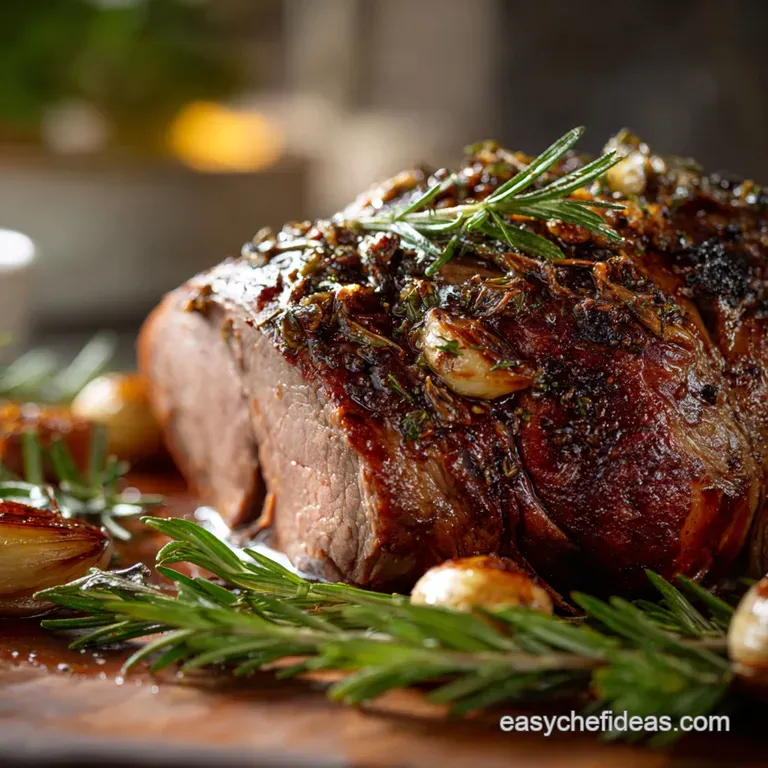
You know the smell. That deep, earthy wave of garlic and rosemary hits you the moment you open the oven door, promising a fantastic meal. That incredible aroma, coupled with the sight of a gorgeous, crisp, golden brown crust, is exactly what we are aiming for today.
This [Roasted Boneless Leg of Lamb] isn’t just a centerpiece; it’s an event.
I used to dread Sunday roasts because wrestling with a bone-in joint felt like a culinary competition I was destined to lose. That’s why the boneless leg of lamb is such a lifesaver; it cooks faster, carves like an absolute dream, and lets you focus on flavor, not butchery.
This simple method guarantees a tender, perfectly cooked joint every time, even if you’re trying to multitask in the kitchen.
Today, we ditch the fussy techniques and embrace the savory power of a potent Mediterranean rub. We’re going deep on temperature management and texture, ensuring you get that moist, rosy interior without fail.
Let's crack on and make a genuinely show stopping roast lamb leg that will have everyone asking for seconds.
Achieving Perfect Texture: The Science Behind a Tender Roasted Boneless Leg of Lamb
The goal here is simple: a dark, deeply flavorful crust and an interior that is still pink and juicy. We achieve this incredible result not by guesswork, but by controlling the oven environment and leveraging a couple of kitchen secrets.
This recipe relies heavily on a over high heat initial blast combined with accurate temperature targeting.
The Secret Weapon: Anchovy Paste and the Umami Crust
I know what you are thinking: anchovies? Really? Trust me on this, friends. A teaspoon of anchovy paste melts completely into the lamb fat while it cooks, seasoning the meat from the inside out.
It doesn't make the lamb taste fishy at all; instead, it delivers a massive hit of savory umami that supercharges the garlic and rosemary. It makes the difference between a good roast and a truly great one, maximizing the natural flavour of the boneless leg of lamb.
Prep Time vs. Roasting Time: What to Expect
The prep is quick, maybe fifteen minutes if you are speedy with the knife, but the waiting game is essential. You must factor in thirty minutes for the lamb to come to room temperature before roasting. Skipping this passive prep guarantees a joint that is overcooked on the outside and still cold in the center.
Decoding Difficulty: Why Temperature Control is Crucial
Lamb is famously unforgiving. Overcook it even slightly past medium, and it turns dry and slightly dusty. Because we are using a boneless joint, which lacks the insulating bone, accurate temperature monitoring is absolutely crucial.
Invest in a quality instant read thermometer —it is the single best tool you can buy for roast lamb success.
The Maillard Reaction: Maximizing the Garlic Rosemary Crust
We start the roast at a scorching 220°C (425°F) for the first twenty minutes. This aggressive heat immediately hits the sugars and proteins in our herb garlic rub, triggering the Maillard reaction.
This quick blast creates that deep, mahogany colored crust we crave, locking in all those fantastic aromatics before we reduce the heat to gently finish the interior.
Rest, Don't Rush: Ensuring Juiciness After Roasting
The moment your lamb hits its target temperature, you must remove it from the oven immediately. The meat is under immense stress from the heat, and all the juices are concentrated in the center. If you carve now, those juices will run onto the board, leaving you with dry meat.
A mandatory 20 minute rest allows the muscle fibers to relax, redistributing all that incredible moisture throughout the entire joint.
Temperature Targeting: Why Medium Rare Requires Precision
We are aiming for that glorious medium rare finish, which is the sweet spot for a roasted boneless leg of lamb. This means pulling the joint when the thermometer reads 55 60°C (130 140°F). Remember, the temperature will rise another 3 5 degrees while resting.
Aiming for this specific roasted boneless leg of lamb temperature ensures maximum succulence.
Essential Components: Ingredients for the Ultimate Lamb Rub
This ingredient list is minimalist and potent, focusing on robust flavors that complement the earthy profile of lamb. You likely have most of these items already, proving you don’t need a complicated grocery run to create something spectacular.
Anchovies, Garlic, and Herbs: The Marinade Breakdown
The rub works because the fatty oil helps the aromatics penetrate the meat, not just sit on the surface. We use fresh herbs because their volatile oils release beautifully in the oven, perfuming the entire kitchen.
The Dijon mustard acts as an emulsifier, binding the paste beautifully and adding a subtle sharpness to cut the richness of the lamb.
Choosing Your Joint: Rolled vs. Tied Boneless Leg
Most butchers sell the boneless leg either already rolled and tied in netting, or butterflied. If you buy it butterflied, you need to roll it up tightly yourself and secure it with butcher’s twine every two inches.
A consistent, cylindrical shape is essential for even cooking , which is non-negotiable for a perfect roast lamb leg.
Sustainable Swaps: Olive Oil Alternatives and Herb Substitutions
It’s always helpful to know what you can switch out if you are missing something, or if you prefer a different flavor profile.
| Ingredient | Viable Substitute | Notes |
|---|---|---|
| Olive Oil | Grapeseed or Avocado Oil | Choose a neutral oil with a high smoke point. |
| Fresh Rosemary | Fresh Oregano or Mint | Use slightly less if substituting with dried herbs. |
| Dijon Mustard | Wholegrain Mustard | Adds texture and a slightly milder flavor. |
| Anchovy Paste | Marmite or Worcestershire Sauce | Use 1/2 tsp of Marmite or a few dashes of the sauce for umami depth. |
Mastering the Method: How to Roast Boneless Leg of Lamb
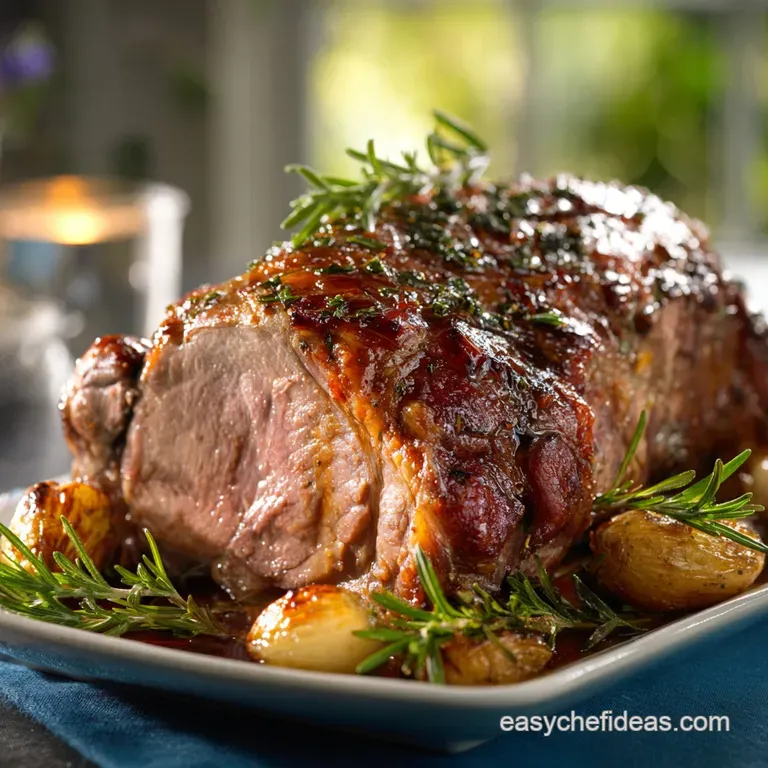
This process is straightforward, but attention to the details especially the twine and the temperature is where success lies.
Step 1: Preparing the Potent Aromatic Rub
Pat the lamb bone dry; moisture prevents browning, and we want maximum crust. In a small bowl, combine your minced garlic, finely chopped rosemary and thyme, Dijon mustard, anchovy paste, and olive oil. Mix it all until it forms a thick, chunky paste that looks almost too potent that’s the goal.
Step 2: Optimal Scoring and Rub Application Technique
Lightly score the fat cap of the lamb joint in a crisscross pattern with a sharp knife, being careful not to cut into the meat itself. Rub the entire surface generously with salt and pepper first, then smear the aromatic paste over the lamb, pushing it deep into those scored sections.
Don't skimp on the salt; lamb needs a heavy hand with seasoning to truly shine.
Step 3: Roasting Schedule and Temperature Monitoring Guide
Preheat your oven to 220°C (425°F). Roast the lamb for exactly 20 minutes to develop that crust. Immediately reduce the heat to 180°C (350°F), pour your stock into the pan (around the lamb), and continue roasting for 40– 60 minutes, checking the internal temperature often during the last half hour.
If the crust starts browning too fast, loosely tent it with foil.
Chef's Note: If you are cooking sides like Butternut Squash with Bacon and Parmesan: Ultra Crispy Roasted Side Dish , they can usually be added to the oven around the same time you drop the temperature to 180°C. They'll appreciate the lamb drippings!
Step 4: The Critical 15 Minute Rest Period
Once the thermometer hits your target (55 60°C for medium rare), pull the roast immediately and transfer it to a cutting board. Tent loosely with foil to keep it warm without steaming the crisp crust. Let it rest for 20 minutes seriously, set a timer!
Carve against the grain into beautiful, thick slices after removing the kitchen twine.
Troubleshooting Your Roast: Chef's Secrets for Success
We’ve all been there: you carve into the centerpiece only to find it gray or, worse, running dry. It was my biggest frustration when I started, but these fixes address the most common fails when roasting boneless leg of lamb.
Avoiding the Dry Roast: The Internal Temperature Cheat Sheet
The number one reason for a dry roast is overshooting the target temperature. Once lamb hits 68°C (155°F), it loses most of its moisture and becomes tough.
- Rare: 52°C (125°F)
- Medium Rare (Best): 55 60°C (130 140°F)
- Medium: 63 66°C (145 150°F)
Fixing a Bland Crust: Why High Heat Is Your Friend
If your crust is pale and lacks punch, you likely skipped the crucial initial 20 minutes of high heat or didn't season heavily enough. If your lamb is browning unevenly, rotate the pan halfway through the over high heat stage.
Ensure your herbs are finely chopped so they don't burn before the lamb is cooked.
Pro Tip: Using the Meat Thermometer Correctly
When checking the internal temperature, always insert the probe into the absolute thickest part of the joint. Crucially, make sure the tip is not sitting in a fat pocket, touching the roasting pan, or near a piece of twine, as this will give you a false reading.
Planning for Leftovers: Storage, Freezing, and Reheating Lamb
A [Roasted Boneless Leg of Lamb] often yields generous leftovers, which is a fantastic bonus. You can turn this into sandwiches, stews, or a lovely light salad the next day.
Fridge Life: Safely Storing Sliced Lamb
Once cooled, transfer any leftover lamb slices to an airtight container. It will keep safely in the refrigerator for 3 to 4 days. If the meat is still in a large piece, wrap it tightly in foil before placing it in the container to protect it from drying out.
Freezing Cooked Lamb: Best Practices for Long Term Storage
Cooked lamb freezes beautifully. Slice the remaining meat before freezing. I recommend placing a small amount of the pan juices (if you made a gravy) over the slices before sealing them in a freezer bag or container. This helps maintain moisture during the thaw. Properly frozen, the lamb will last 2 to 3 months.
Creating a Quick, Rich Pan Gravy from the Drippings
Don't let those amazing pan juices go to waste! Remove the lamb, place the roasting pan on the stove (over medium heat), and scrape up all those browned bits (the fond ). Pour off any excess fat, then whisk in a tablespoon of flour or cornstarch.
Cook for one minute, then gradually whisk in the remaining stock from the recipe, plus a bit more if needed. Simmer until thickened for an intensely flavorful gravy that completes this roasted boneless leg of lamb recipe.
Perfect Pairings and the Mediterranean Pan-Jus
This robustly flavored lamb calls for sides that are equally hearty but slightly contrasting in texture or acidity. Think sharp, creamy, or ultra crispy to balance the rich, savoury meat.
For dessert, after such a magnificent main course, I often like something bright and sweet, like my famous Strawberry Swirl Cheesecake: Elegant, Crack Free Baked Recipe . It provides the perfect light, creamy counterpoint to the powerful lamb flavors.
Recipe FAQs
Why did my roasted lamb turn out dry or tough?
This is usually due to overcooking or insufficient resting time. A boneless leg requires precise temperature monitoring; remove it from the oven 5 10°F below your target temperature, as it will continue to cook while resting.
Ensure you rest the lamb, covered loosely with foil, for at least 15 20 minutes to allow the juices to redistribute and ensure maximum tenderness.
What internal temperature should I aim for for perfect doneness?
The ideal temperature depends on your preference: Medium Rare is 130 135°F (54 57°C), and Medium is 135 140°F (57 60°C). You must use a meat thermometer inserted into the thickest part of the joint and pull it out when it reaches the lower bound of your desired range.
Never rely solely on cooking time, as oven temperatures and joint thickness can vary significantly.
The recipe calls for anchovy paste. Can I skip this if I don't like fish?
Yes, you can omit the anchovy paste, but it adds a crucial, deep umami flavor, not a fishy taste, to the crust. If you choose to skip it, consider replacing it with a teaspoon of Worcestershire sauce or a pinch of mushroom powder to maintain that necessary savory depth.
The goal is depth of flavour, which the salty, cured anchovies provide wonderfully.
Can I prepare the herb and garlic rub the night before roasting?
Absolutely, preparing the rub and applying it 12 to 24 hours in advance is highly recommended for maximum flavor absorption. This allows the robust flavors of garlic, rosemary, and salt to penetrate the meat thoroughly, resulting in a superior final product.
Just ensure the lamb is patted dry before applying the rub and is brought near room temperature for about an hour before roasting.
How should I store leftover roasted lamb, and can I freeze it?
Store leftover lamb tightly wrapped or in an airtight container in the refrigerator for up to 3 days. Yes, cooked lamb freezes very well; slice the leftovers before freezing them in a freezer safe bag or container to maximize surface area and keep them moist when reheating.
Thaw overnight in the refrigerator before gently reheating.
Can I use a bone-in leg of lamb with this recipe instead of boneless?
Yes, the herb rub and temperatures remain the same, but you will need to adjust your cooking time. Bone-in cuts generally cook slightly slower than boneless ones, so increase the roasting time by approximately 15 20 minutes per pound.
Always rely on a meat thermometer placed near the bone (but not touching it) for an accurate reading.
How do I ensure I get a deep brown, crispy crust on the lamb?
To achieve a good, crispy crust, ensure the lamb is completely dry before applying the rub, as surface moisture inhibits browning. Additionally, start the roast at a high temperature, such as 425°F (220°C), for the first 15 minutes before dropping the heat to the specified roasting temperature.
This initial blast helps sear the herbs and fats, creating a flavorful exterior.
Roasted Boneless Leg Of Lamb Recipe
Ingredients:
Instructions:
Nutrition Facts:
| Calories | 553 kcal |
|---|---|
| Protein | 51.7 g |
| Fat | 37.7 g |
| Carbs | 6.1 g |
