The Sunday Dinner Sovereign Rich Ragu Silky Béchamel Lasagna
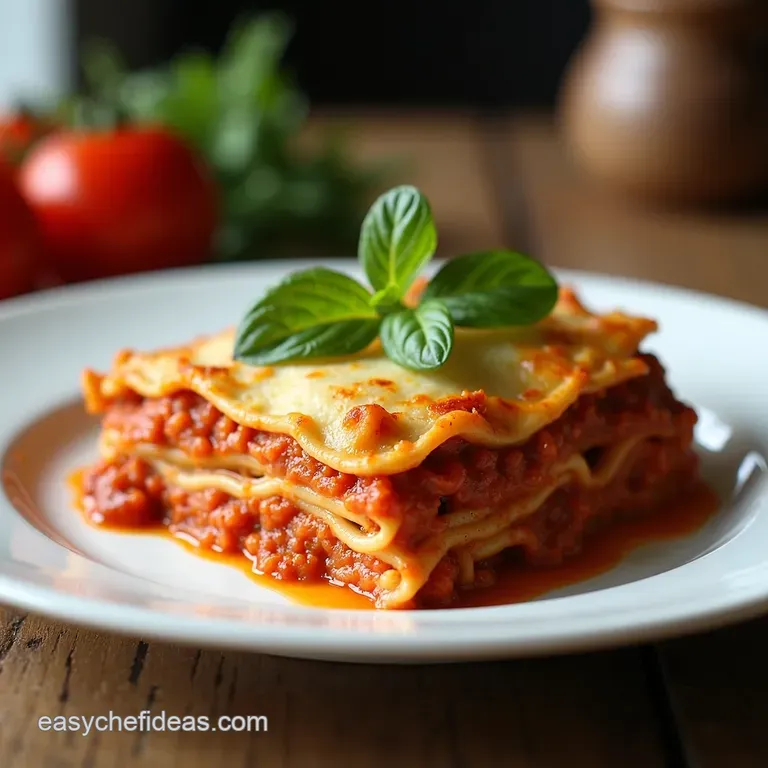
- Ditching the Frozen Box: Why This Homemade Lasagna Reigns Supreme
- The Anatomy of Authenticity: Layers of Flavor Unlocked
- Sourcing Superior Components for Layering Success
- The Essential Shopping List for Iconic Homemade Lasagna
- The Grand Assembly: From Prep to Pan
- Cooking Techniques for the Ultimate Baked Finish
- Beyond the Bake: Storage, Reheating, and Pro Modifications
- Frequently Asked Questions
- 📝 Recipe Card
Ditching the Frozen Box: Why This Homemade Lasagna Reigns Supreme
There is a profound, soul satisfying difference between tearing open a foil wrapped, factory made tray and pulling a bubbling, deeply fragrant Homemade Lasagna from your own oven.
We aren’t aiming for merely "good" here; we are striving for the sovereign dish of Sunday dinners, the kind of meal that makes the entire house smell like Nonna’s kitchen exploded in the best possible way.
This isn't just a collection of ingredients layered together; it is an architectural triumph built on slow simmered complexity and creamy binders. Forget the compromises of convenience; this recipe guarantees robust flavour and structural integrity, ensuring every slice holds its form.
This is the Best Classic Lasagna you will ever commit to making, and I promise the investment of time yields exponentially superior rewards.
The Anatomy of Authenticity: Layers of Flavor Unlocked
To achieve true lasagna nirvana, one must appreciate that this dish is a performance involving multiple distinct acts, each executed flawlessly before the final curtain call of the oven. The most common pitfall in lesser recipes is watery layers or a sauce that tastes rushed.
We counter this by focusing meticulously on two core cooked components: a deeply developed ragu and a silky, traditional béchamel.
Defining Our Lasagna Goal: Hearty, Structured, and Unforgettable
Our objective for this Homemade Lasagna Recipe is twofold: flavour saturation and structural strength. We want a dish that yields a clean, impressive wedge when sliced, not a slumped puddle. This means carefully managing moisture throughout the process.
Our chosen method leans toward the Northern Italian tradition by embracing a luscious Béchamel instead of relying solely on ricotta, leading to a smoother mouthfeel and a better overall texture. This recipe, designed to serve 8 to 10 hungry souls, requires approximately 3.5 to 4.
5 hours from start to finish, with most of that time being completely hands off simmering.
The Secrets Behind a Truly Rich Ragu Base
The flavour profile hinges entirely on the sauce. We start with a classic soffritto —finely diced onion, carrot, and celery sautéed gently until sweet.
But the real magic happens when we introduce rich meats: a blend of ground beef and pork (or Italian sausage) browned deeply, alongside crispy diced pancetta for smoky depth. After deglazing the pot with a full cup of robust dry red wine, which is then cooked down until almost gone, we introduce high-quality crushed San Marzano tomatoes, beef stock, and fragrant herbs.
This foundation, which we will simmer for a minimum of 90 minutes, transforms into our signature Homemade Lasagna Sauce .
Preparing for Lasagna Perfection: What to Expect
Making this Lasagna Recipe Homemade Sauce is the longest stage, but it requires minimal input after the initial boil. You should expect the sauce to reduce significantly, darkening in colour and clinging richly to the meat. Simultaneously, you will prepare the binding agent.
While many use ricotta, we elevate this dish with a classic Béchamel a creamy white sauce enriched with butter, flour, warm milk, and the non-negotiable addition of freshly grated nutmeg. Mastering these two sauces ensures that when it comes time for assembly, every layer is already primed for perfection.
Sourcing Superior Components for Layering Success
Even the most perfectly cooked sauces can be undone by subpar supporting players. When assembling your ingredients for this Ultimate Lasagna , quality matters more than quantity.
We need cheeses that melt beautifully without releasing excess liquid and pasta sheets that can absorb flavour without turning to mush.
Related Recipes Worth Trying
- Sunday Dinner Success Creamy Ricotta Lasagna Recipe — Forget dry layers Learn how to make homemade lasagna with ricotta cheese thats incredibly rich and satisfying This is the comforting Italian classic perfected
- Weeknight Wonder Easy Lasagna with Ricotta Cheese — Need comforting Cheese Lasagna fast This simple recipe uses noboil noodles for a rich creamy ricotta filling Perfect for a freezable meal Get the foolproof...
- The Ultimate HomeStyle Lasagna with Ricotta Cheese Recipe — Forget watery bakes This Layered Ricotta Lasagna recipe uses a quick ragu for incredible depth Get that comforting cheesy slice tonight
The Essential Shopping List for Iconic Homemade Lasagna
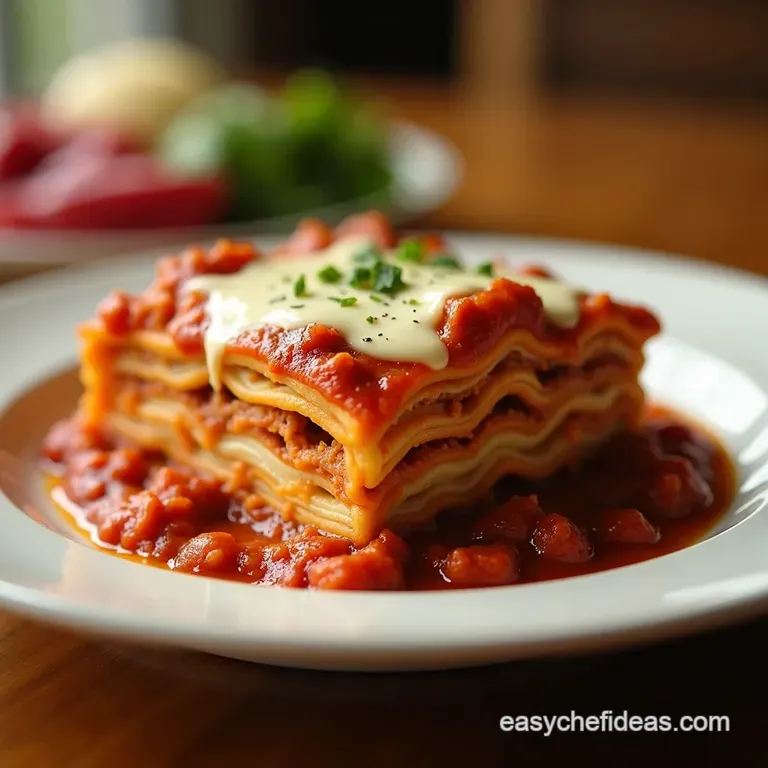
To tackle this masterpiece, you will need a few key players. Remember, this is the blueprint for a substantial, impressive Homemade Lasagna With Ricotta substitute (we use Béchamel, but the principle of a creamy binder remains).
Building the Depth: Premium Meat and Tomato Requirements
For the ragu, choose an 80/20 ground beef for necessary fat content, paired with high-quality ground pork. The key vegetable base requires patience to chop finely, known as soffritto .
Crucially, seek out a single can of premium crushed San Marzano tomatoes; their natural sweetness and lower acidity reduce the need for excessive sugar later. Don’t forget that rich, dry red wine to lift the flavour from the bottom of the pan.
Crafting the Cream Element: Béchamel and Cheese Inventory
The Béchamel demands whole milk for richness; skim milk will result in a thin, disappointing sauce. For the cheeses, ditch the pre-shredded bags they are coated in anti caking agents that inhibit smooth melting.
You need a block of low-moisture mozzarella, which shreds beautifully and melts without weepiness, and a generous amount of freshly grated Parmigiano Reggiano. This hard Italian cheese provides essential salinity and nutty depth to the entire construction.
The Unsung Heroes: Herbs, Seasonings, and Pasta Choice
Keep the herbs simple and traditional: dried oregano and fresh bay leaves in the sauce, and a hint of nutmeg in the white sauce. When it comes to the noodles, you have options. While many modern recipes call for "no-boil" sheets, for the Simple Homemade Lasagna experience, I highly recommend using either fresh sheets (if you are feeling ambitious) or dried sheets boiled briefly until perfectly al dente .
If you opt for fresh, you might even try your hand at a Homemade Lasagna Noodles Recipe ; the tender texture is unparalleled.
The Grand Assembly: From Prep to Pan
With your rich ragu simmered low and slow for hours, and your velvety Béchamel smooth and fragrant, the final stage assembly should take no more than 25 minutes.
Preheat your oven to 375° F ( 190° C) and lightly grease a standard 9x13 inch baking dish.
The layering sequence is vital for structural success and preventing that dreaded soupy bottom. Start with a thin, even slick of Ragu spread across the base of the dish this acts as a non-stick layer and prevents the first layer of pasta from seizing to the glass.
Follow this with your first row of pasta sheets, overlapping them slightly if necessary.
Next, spoon over a generous, even layer of the meat ragu. This should be followed by a thinner, lighter layer of the Béchamel. Don't forget the Parmesan sprinkled atop the white sauce. Repeat this pattern: Pasta, Ragu, Béchamel, Parmesan.
We aim for three full primary layers of filling, ensuring we end with enough topping for the grand finale.
Cooking Techniques for the Ultimate Baked Finish
The way you bake your lasagna dictates its final texture. We must cook it gently enough to heat through evenly without scorching the exposed edges, and then allow it time to stabilize once out of the heat.
Phase 1: Slow Simmering the Flavorful Ragu Foundation
As discussed, the ragu requires at least 90 minutes, but truly aim for 2. 5 hours if your schedule allows. During this time, the fat renders, the wine evaporates its harshness, and the tomatoes concentrate their flavour.
Once done, remove the bay leaves and allow the sauce to cool slightly before assembly putting cold sauce on hot pasta is a recipe for uneven cooking.
Phase 2: Mastering the Silky, Nutmeg Infused Béchamel
When creating the roux —the butter and flour base cook it gently for two full minutes before introducing the milk. This cooks out the raw flour taste. Add the warmed milk slowly, whisking vigorously and continuously until the sauce thickens to coat the back of a spoon.
The nutmeg adds an almost undetectable warmth that complements the richness of the meat perfectly. Season this sauce separately with salt and white pepper.
The Crucial Layering Sequence: Preventing a Soupy Mess
To reiterate the assembly: Ragu, Béchamel, Parmesan. Do not drown any one layer in too much sauce. You want the pasta to soak up the flavour, not swim in it. The final layer must be pasta, topped generously with the last remnants of Béchamel, ensuring the entire surface is covered.
This white layer protects the top pasta from drying out. Finish with the remaining mozzarella and Parmesan to create that signature golden crust.
Baking Low and Slow: Achieving Golden Brown Perfection
Cover the dish tightly with foil for the initial 30 minutes of baking. This traps steam, ensuring the pasta fully hydrates and the interior heats evenly without burning the cheese top. After 30 minutes, remove the foil completely.
Return the dish to the oven for another 10 to 15 minutes. You are looking for the edges to bubble aggressively and the top cheese crust to turn a deep, irresistible golden brown.
Beyond the Bake: Storage, Reheating, and Pro Modifications
The final step is arguably the most difficult: restraint. Pulling that magnificent pan from the oven means the internal structure is molten and unstable.
make-ahead Mastery: Preparing Your Lasagna for Later Enjoyment
This is an excellent dish for batch cooking. You can fully assemble the entire lasagna, cover it tightly with plastic wrap and then foil, and refrigerate it for up to 24 hours before baking.
When ready to cook, allow it to sit at room temperature for 30 minutes, then bake as directed, possibly adding an extra 10 minutes to the covered baking time to account for the chill.
It also freezes beautifully bake it first, let it cool completely, slice into portions, wrap well, and freeze for up to three months.
Vegetarian Swaps and Spicy Twists for Homemade Lasagna Variations
While the meat version is classic, feel free to adapt. For a meatless option, replace the ground meats with finely chopped sautéed cremini and shiitake mushrooms, mixed with cooked green lentils for texture.
If you enjoy heat, simply add a teaspoon of red pepper flakes into the ragu mixture during the initial browning stage to introduce a subtle warmth throughout your Simple Homemade Lasagna .
Resting Time Revealed: Why You Must Wait Before Serving
Resist the urge to cut into the pan immediately. The 15 to 20 minutes of resting time allows the fats and moisture within the layers to redistribute and firm up slightly.
This crucial period solidifies the layers, ensuring that when you finally cut into your beautiful Homemade Lasagna , you are rewarded with a sturdy, flavour packed slice that honours all the effort you put into creating this true comfort food icon.
Serve it alongside a sharp green salad and enjoy the accolades that will surely follow.
Frequently Asked Questions
Why is my Homemade Lasagna always a bit watery, even after baking?
This is a common pitfall, usually stemming from too much moisture in the fillings or cheeses. Ensure your Ragu is simmered until it is quite thick you want the consistency of a chunky stew, not soup!
Also, avoid using fresh mozzarella packed in water; opt for the low-moisture shredded variety, as it melts beautifully without weeping.
Can I make the Ragu ahead of time, and how long will it keep?
Absolutely, and I highly recommend it! The flavour deepens beautifully overnight, so feel free to make the Ragu up to three days in advance. Store it tightly sealed in the fridge; when you’re ready to assemble, just gently reheat it so it's warm before layering.
My Béchamel sauce always ends up lumpy! Any tips for keeping it silky smooth?
Lumps happen when you add the milk too quickly, but fear not, it’s salvageable! The key is making a proper roux first (cooking the butter and flour together for a couple of minutes) and then whisking in warm milk gradually.
If you do get lumps, pour the sauce through a fine mesh sieve right before you use it it’s like magic!
How do I properly freeze and reheat this glorious Homemade Lasagna?
Lasagna freezes like a dream, making it perfect for those rainy Mondays! To freeze, assemble the entire dish but skip the final Mozzarella topping. Cover tightly with a double layer of foil and freeze for up to three months.
To reheat, thaw overnight in the fridge, then bake covered (as usual) at 375°F (190°C) until piping hot, adding the final cheese layer during the last 15 minutes of baking.
Do I really need to let the lasagna rest after taking it out of the oven?
Oh yes, you absolutely do! That 15 to 20-minute rest is crucial; it allows the hot sauces and cheeses to firm up and settle. If you slice it straight away, you’ll end up with a delicious puddle rather than neat, respectable squares. Think of it as letting the oven do its final bit of "setting" work.
Rich Bechamel Homemade Lasagna
Ingredients:
Instructions:
Nutrition Facts:
| Calories | 1292 kcal |
|---|---|
| Protein | 23.9 g |
| Fat | 59.9 g |
| Carbs | 51.9 g |
| Fiber | 14.6 g |
| Sodium | 633 mg |
