Recipe Beef Crock Pot: Tender Roast
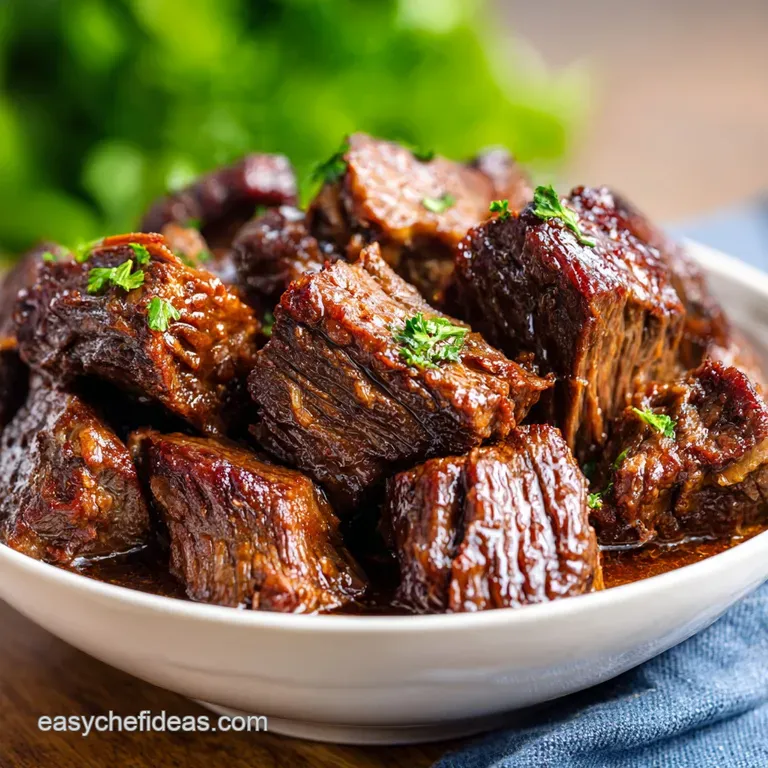
- Time: Active 20 minutes, Passive 8 hours, Total 8 hours 20 mins
- Flavor/Texture Hook: Velvety, fall apart beef with a glossy, herbed gravy
- Perfect for: Lazy Sundays, busy weeknight prep, or cozy community gatherings
- Vital Dish Specifications
- Necessary Culinary Elements
- Required Kitchen Tools
- Step-By-Step Culinary Process
- Correcting Common Mishaps
- Flavorful Recipe Adaptations
- Scaling for Different Crowds
- Debunking Slow Cooker Myths
- Storage and Freezing Methods
- Presentation and Serving Ideas
- Recipe FAQs
- 📝 Recipe Card
The second you open your front door after a long day, that specific aroma hits you. It is the scent of onions that have softened into sweetness and beef that has spent the last eight hours surrendering to the heat. There is something deeply nostalgic about a slow cooker meal, isn't there?
It reminds me of my grandmother's kitchen, where the air always felt a little thicker and warmer whenever a roast was tucked away in the ceramic pot. This particular version is the result of years of trial and error, moving away from watery, bland stews toward something with real character and depth.
We have all been there, throwing a slab of meat into the machine with a packet of dry seasoning and hoping for the best. Usually, it comes out "okay," but it never quite reaches that restaurant quality richness. I used to wonder why my home versions felt thin or lacked that punch of flavor.
The secret, I realized, isn't in adding more salt or fancy gadgets. It is about understanding the culture of slow cooking respecting the ingredients and giving them the right environment to truly shine.
Today, we are moving past the basic "dump and go" mentality. We are going to build layers. We'll talk about why that sear matters and how a tiny splash of balsamic vinegar can change the entire personality of the dish. This isn't just a meal, it's a way to bring people together around a table for a bit of comfort.
Whether you're feeding a hungry crowd or just looking for the best leftovers of your life, this approach is going to be your new favorite ritual.
The Alchemy of Slow Heat
Collagen Conversion: Low, steady heat breaks down tough connective tissues into rich gelatin, providing a silky mouthfeel. This process requires time and moisture to prevent the muscle fibers from tightening and becoming dry.
Chef's Tip: Add a tiny splash of fish sauce or soy sauce along with the beef broth. You won't taste "fish," but the natural glutamates act like a volume knob for the savory notes in the beef.
Vital Dish Specifications
Before you start searing, it's helpful to look at how this slow cooked approach compares to other methods. While we love a quick meal, sometimes the traditional route provides a depth that speed can't touch.
| Method | Total Time | Texture | Flavor Intensity |
|---|---|---|---|
| Crock Pot | 8 hours 20 mins | Fall apart tender | High - flavors meld deeply |
| Pressure Cooker | 1 hours 15 mins | Soft but can be stringy | Medium - fast but less melding |
| Dutch Oven | 3 hours 30 mins | Succulent and rich | High - great crust development |
Choosing the right cut and timing is half the battle. If you're looking for something faster but with a similar flavor profile, you might enjoy my Pepper Steak recipe for those nights when eight hours feels like an eternity. However, for a true weekend comfort classic, the crock pot remains king.
When you're dealing with a large roast, knowing exactly when it's done is the difference between a tough dinner and a legendary one. Use this quick guide to manage your expectations throughout the day.
| Roast Thickness | Internal Temp | Rest Time | Visual Cue |
|---|---|---|---|
| 2 inches | 195°F - 205°F | 15 minutes | Meat shreds easily with a fork |
| 3 inches | 195°F - 205°F | 20 minutes | Fat cap has completely rendered |
| 4 inches | 195°F - 205°F | 20 minutes | Bone (if present) pulls out clean |
Necessary Culinary Elements
Building a great recipe beef crock pot starts with the components. We aren't just looking for food; we're looking for ingredients that play a specific role in the final texture and taste.
Component Analysis
| Ingredient | Science Role | Pro Secret |
|---|---|---|
| Chuck Roast | High collagen content | Always look for heavy white marbling; fat equals flavor here. |
| Tomato Paste | Natural umami booster | Sauté it with the garlic to remove the raw, metallic "tin" taste. |
| Balsamic Vinegar | Acidic brightener | It cuts through the heavy fat, preventing the stew from feeling "muddy." |
| Yukon Gold Potatoes | Low starch structure | These hold their shape better than Russets during long cook times. |
For the Protein & Sear
- 3 lbs beef chuck roast, well marbled: The star of the show. Why this? Chuck has the perfect fat to lean ratio for long, slow simmering.
- Substitute: Beef brisket (point cut) or bottom round (though it's leaner).
- 2 tbsp avocado oil: For searing at high heat. Why this? High smoke point prevents the oil from burning and becoming bitter.
- Substitute: Grapeseed oil or vegetable oil.
- 1 tsp coarse sea salt: To draw out moisture and season deeply.
- Substitute: Kosher salt (use 1.5 tsp).
- 1/2 tsp cracked black pepper: For a subtle, woody heat.
- Substitute: White pepper for a more floral, sharp bite.
For the Aromatic Base
- 1 large yellow onion, cut into thick wedges: Provides sweetness and body. Why this? Thick wedges don't disappear into the sauce during the long cook.
- Substitute: White onion or two large shallots.
- 4 cloves garlic, smashed: For a mellow, buttery garlic flavor.
- Substitute: 1 tsp garlic powder (added to the liquid).
- 2 tbsp tomato paste: Concentrated savory power.
- Substitute: 1/4 cup tomato puree (reduce broth by 2 tbsp).
- 1 tbsp balsamic vinegar: To balance the richness.
- Substitute: Red wine vinegar or a splash of dry red wine.
For the Healthier Stew Liquids & Veg
- 1.5 cups low sodium beef bone broth: The liquid foundation. Why this? Bone broth adds more gelatin and protein than standard broth.
- Substitute: Beef stock or vegetable broth.
- 1 lb baby Yukon Gold potatoes, halved: Creamy texture without the graininess.
- Substitute: Red potatoes or chopped sweet potatoes.
- 4 large carrots, cut into 2 inch chunks: For natural sweetness and color.
- Substitute: Parsnips or celery root.
- 2 sprigs fresh rosemary: Earthy, pine like aroma.
- Substitute: 1/2 tsp dried rosemary.
- 3 sprigs fresh thyme: Bright, herbal notes.
- Substitute: 1/2 tsp dried thyme.
- 1 tbsp tapioca starch: For a glossy, thick finish. Why this? It creates a clear, silky sauce rather than a cloudy, floury one.
- Substitute: Cornstarch or arrowroot powder.
Required Kitchen Tools
You don't need a professional kitchen to pull this off, but a few specific items make the process much smoother. Having your gear ready ensures you aren't scrambling while the oil is smoking in the pan.
- 6 Quart Slow Cooker: Such as a Crock Pot or Hamilton Beach. This size is ideal for a 3 pound roast and vegetables without overfilling.
- Large Cast Iron Skillet: Like a Lodge skillet. Cast iron holds heat beautifully, which is essential for getting that deep brown crust on the beef.
- Tongs: Long handled tongs are best for flipping the heavy roast without splashing hot oil.
- Wooden Spoon: Perfect for scraping the bottom of the skillet (deglazing) to get all those tasty browned bits.
- Small Whisk: To mix the tapioca starch with liquid at the end, ensuring no lumps in your gravy.
step-by-step Culinary Process
Now, let's get into the heart of the kitchen. This is where the magic happens. Don't rush these early steps; the effort you put into the first 15 minutes pays off ten fold eight hours later.
1. Searing for a Mahogany Crust
Pat the 3 lbs beef chuck roast completely dry with paper towels. Season all sides generously with 1 tsp coarse sea salt and 1/2 tsp cracked black pepper. Heat 2 tbsp avocado oil in a heavy skillet over medium high heat.
Cook 4-5 minutes per side until a dark, mahogany crust forms.Note: This sear is where the complex "roasted" flavor comes from; don't skip it.
2. Sautéing the Aromatics
Remove the meat and set it aside. In the same pan, add the 1 large yellow onion wedges and 4 cloves smashed garlic. Sauté for 3 minutes until the onions begin to soften and the edges turn golden.Note: Using the leftover beef fat to cook the aromatics builds flavor layers.
3. Activating the Umami
Stir in 2 tbsp tomato paste and 1 tbsp balsamic vinegar. Cook for 2 minutes while scraping the bottom of the pan to release the browned bits.Note: The vinegar helps lift the "fond" (the stuck on meat bits) which are concentrated flavor gold.
4. Layering the Slow Cooker
Place the 1 lb halved baby Yukon Gold potatoes and 4 large carrot chunks in the bottom of the slow cooker. Nestled the seared roast on top of the vegetables. Pour the onion and garlic mixture over the meat.Note: The vegetables act as a rack, allowing the meat to cook evenly without sitting directly on the heat source.
5. Adding the Liquid and Herbs
Pour 1.5 cups low sodium beef bone broth around the sides of the roast (not directly over the top, which would wash away the crust). Tuck the fresh rosemary and thyme sprigs into the liquid.Note: Keeping the herbs submerged helps infuse the broth with their oils.
6. The Low and Slow Simmer
Cover the pot and set it to LOW. Cook for 8 hours until the beef is tender and pulls apart with minimal effort.Note: Resist the urge to open the lid; every time you peek, you lose 15-20 minutes of heat.
7. Creating the Silky Finish
Carefully remove the meat and vegetables to a warm serving platter. In a small bowl, whisk 1 tbsp tapioca starch with 2 tbsp of the hot cooking liquid. Whisk this slurry back into the slow cooker and cook on HIGH for 10-15 minutes.Note: The sauce will transform from a thin broth to a glossy, velvety gravy.
8. Shredding and Serving
Break the beef into large, succulent chunks using two forks. Return the meat to the sauce to coat every fiber in the rich liquid.Note: Letting the meat sit in the sauce for 5 minutes before serving allows it to reabsorb moisture.
Correcting Common Mishaps
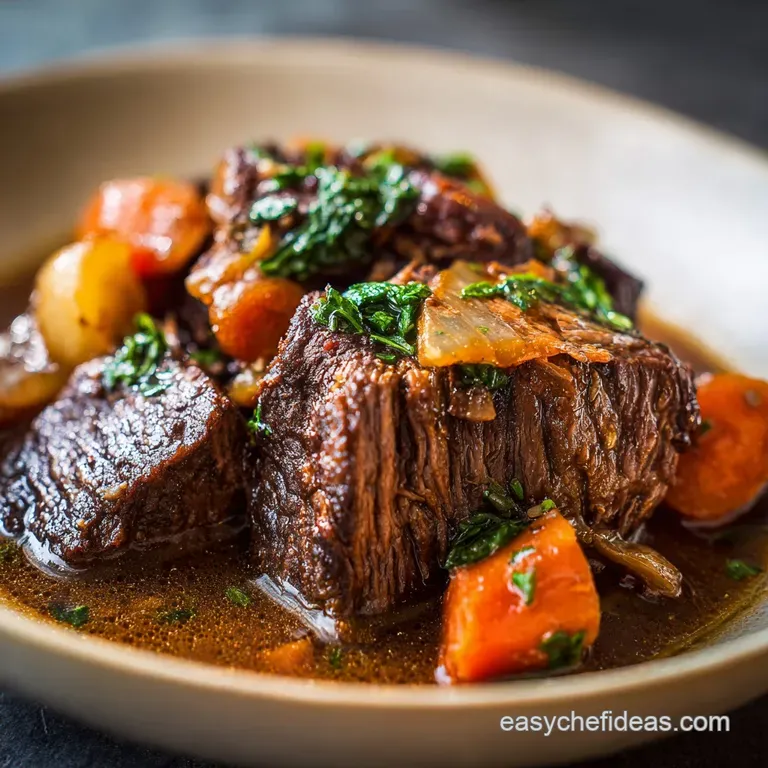
Even with the best intentions, things can go sideways. The beauty of a slow cooker is that it's very forgiving, but you need to know how to spot and fix issues before they ruin the meal.
Tough Meat Issues
If you pull the meat out and it's still "rubbery" or hard to shred, it simply hasn't cooked long enough. Many people panic and think they overcooked it. In reality, with chuck roast, "tough" usually means the collagen hasn't finished melting. Put the lid back on and give it another hour.
Liquid Consistency Problems
Sometimes the vegetables release more water than expected, leaving you with a soup rather than a stew. Or perhaps you were a bit heavy handed with the salt.
| Problem | Root Cause | Solution |
|---|---|---|
| Thin/Watery Sauce | Veggies released too much water | Add an extra starch slurry or simmer with the lid off for 20 mins. |
| Too Salty | Broth reduced too much | Add a splash of water or a peeled, raw potato for 30 mins to absorb salt. |
| Meat is Dry | Cooked on HIGH for too long | Shred the meat finely and let it soak in the gravy for 20 mins. |
If you're finding this recipe a bit too heavy, you can always pivot next time to My Hearty Vegetable recipe which keeps the beef flavor but focuses more on the garden's bounty.
Common Mistakes Checklist
- ✓ Never put frozen meat in the slow cooker; it stays in the "danger zone" for bacteria too long.
- ✓ Always pat the meat dry before searing, or it will steam instead of browning.
- ✓ Don't overcrowd the searing pan; do it in batches if your roast is extra large.
- ✓ Trim excessively large chunks of hard white fat, but leave the internal marbling.
- ✓ Ensure the lid is seated properly to prevent moisture loss over the 8 hour period.
Flavorful Recipe Adaptations
One of the best things about this recipe is how easily it adapts to different cultures and flavor profiles. You can take the basic technique and travel around the world with a few simple swaps.
- Italian Beef Crock Pot Recipe: Swap the rosemary and thyme for dried oregano and basil. Add a jar of mild pepperoncini peppers (with the juice) and serve on crusty rolls with melted provolone cheese.
- Beef Stroganoff Twist: In the final 30 minutes, stir in 1/2 cup of sour cream and a tablespoon of Dijon mustard. Serve over wide egg noodles for a creamy, nostalgic feast.
- Brisket Style: Use a brisket flat and add a tablespoon of smoked paprika and a splash of Worcestershire sauce for a deeper, slightly smoky profile.
Chef's Tip: If you want to nourish your community, this recipe scales beautifully for potlucks. Just ensure you don't fill your slow cooker more than 3/4 full, or it won't cook evenly.
Scaling for Different Crowds
Adjusting the size of your meal shouldn't be a guessing game. Slow cooking is a bit different than stovetop cooking because of how moisture evaporates (or doesn't).
Downsizing (Serving 2-3) Cut all ingredients in half. Use a smaller 3 quart slow cooker if possible. Reduce the cooking time by about 20% start checking for tenderness around the 6 hour mark. If using eggs in a halved recipe, whisk one egg and use exactly half.
Upsizing (Serving 10-12) Double the meat and vegetables, but do not double the liquid. Use only 1.5 times the broth (about 2.25 cups) as the extra meat and veg will release significant moisture. You will likely need to cook the meat in two batches during the searing phase.
Increase the herbs by only 50% to avoid an overpowering medicinal taste.
| Purpose | Ingredient Shortcut | Time Saved | Impact |
|---|---|---|---|
| Quick Prep | Frozen pearl onions | 10 minutes | Sweeter, softer onion texture |
| No Sear Option | Add 1 tsp liquid smoke | 15 minutes | Loses texture but adds depth |
| Fast Thickening | Instant mashed potato flakes | 5 minutes | Thicker sauce, slightly grainier |
Debunking Slow Cooker Myths
We have all heard the "rules" of slow cooking, but some of them are just plain wrong. Let's clear the air so you can cook with confidence.
Myth: Searing "seals in" the juices. This is a classic kitchen tale. Searing actually causes a small amount of moisture loss on the surface. However, we do it for the Maillard reaction the chemical reaction between amino acids and reducing sugars that gives browned food its distinctive flavor.
The "juiciness" in a slow cooker comes from the fat and gelatin, not from a "seal."
Myth: You must always use "High" to kill bacteria. Modern slow cookers are designed to reach safe temperatures even on the "Low" setting. As long as you aren't starting with frozen meat, the "Low" setting is perfectly safe and actually produces a better texture for tough cuts like chuck roast.
Myth: Liquid must completely cover the meat. In a slow cooker, the lid creates a closed environment where steam recirculates. You only need enough liquid to create that steam and provide a base for the sauce. Submerging the meat completely often results in a "boiled" flavor rather than a braised one.
Storage and Freezing Methods
This dish is even better the next day after the flavors have had a chance to marry in the fridge. It's the ultimate "nourish yourself later" meal.
Fridge Storage Store leftovers in an airtight container for up to 4 days. The gravy will thicken into a jelly like consistency when cold; this is a sign of a successful collagen breakdown! To reheat, simply place it in a saucepan over low heat with a splash of water or broth.
Freezing Instructions This recipe freezes beautifully for up to 3 months. I recommend freezing the meat and sauce separately from the potatoes, as potatoes can sometimes become grainy when thawed. If you do freeze them together, just be aware the texture might shift slightly.
Thaw in the fridge overnight before reheating.
Zero Waste Tips Don't you dare throw away that leftover gravy! If you've finished the meat but have sauce left, use it as a base for a Beef Mince Lentil recipe or stir it into some cooked pasta. The onion and carrot scraps can be saved in a freezer bag for your next batch of homemade bone broth.
Presentation and Serving Ideas
When you're ready to eat, the way you present the dish can make it feel like a special occasion rather than just another Tuesday night.
The Classic Comfort Pairing Serve the roast and vegetables in wide, shallow bowls. Garnish with a fresh sprinkle of chopped parsley or a few fresh thyme leaves to provide a pop of green against the rich brown gravy. A side of crusty sourdough bread is mandatory for mopping up every last drop of sauce.
The Low Carb Pairing If you want to skip the potatoes in the pot, serve the beef over a bed of mashed cauliflower or sautéed garlic spinach. The richness of the beef broth makes the vegetables feel incredibly indulgent.
Community Style Place the entire roast in the center of a large platter, surrounded by the carrots and potatoes. Pour half the gravy over the top and serve the rest in a warm boat on the side. It's a rustic, beautiful way to share a meal with friends. If you're hosting a larger crowd, you might even consider adding some Crockpot Meatballs recipe as a secondary protein option to give people variety.
At the end of the day, this recipe is about more than just food. It is about the patience of slow cooking and the joy of sharing something that took time and care to create. I hope this becomes a staple in your home, just as it has in mine. Happy cooking!
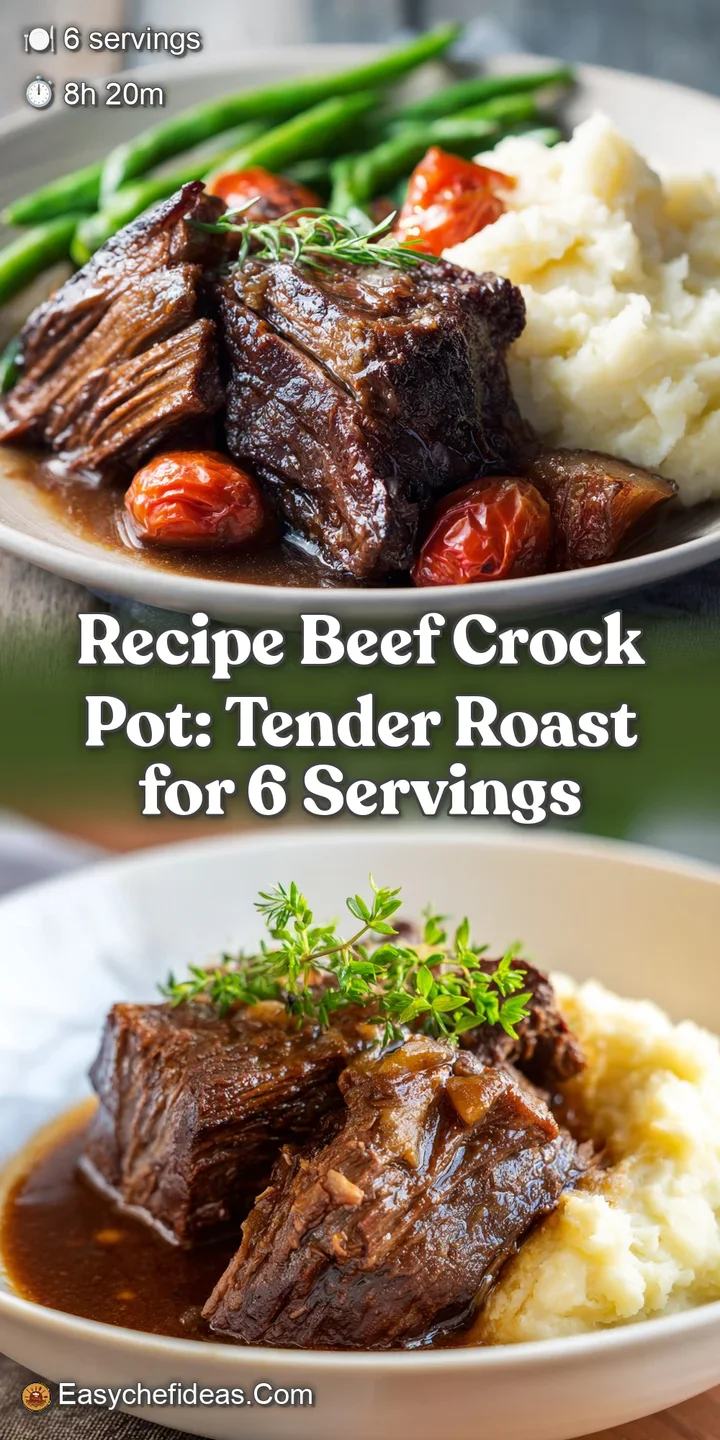
Recipe FAQs
What's the best beef cut to cook in a crockpot?
Chuck roast is the ideal choice. It has a high amount of internal connective tissue (collagen) that breaks down into luscious gelatin during long, slow cooking, yielding incredibly tender, flavorful meat.
Can I put raw beef straight into a slow cooker?
No, you should always sear the meat first. Searing develops deep savory flavors through the Maillard reaction; skipping this step results in bland, steamed tasting beef.
What are common mistakes when slow cooking beef?
Opening the lid frequently is the biggest error. Every time you check the food, you release heat and steam, adding up to 20 minutes to the required cooking time, which can lead to uneven doneness.
How long does it take for beef to cook in a crockpot?
Plan for 8 hours on LOW for a standard 3-pound roast. The meat is done when it easily shreds with a fork and registers between 195°F and 205°F internally, regardless of the clock.
Is it true I need a lot of liquid to cover the meat?
False, you need much less liquid than you think. Since the slow cooker lid traps steam, too much liquid results in boiling the meat instead of braising it, leading to thin, watery sauce.
What liquid should I use to get the richest gravy?
Use beef bone broth for the deepest, most gelatinous sauce base. If you enjoyed mastering the flavor layering in this roast, you will appreciate applying that same technique when making a sauce base for something like our Velvety Homemade Mushroom recipe.
How can I prevent the final sauce from tasting too heavy or muddy?
Always add a splash of acid right before you finish cooking. A small amount of balsamic vinegar or red wine cuts through the fat and brightens the overall flavor profile, providing necessary balance.
Recipe Beef Crock Pot Tender
Ingredients:
Instructions:
Nutrition Facts:
| Calories | 712 kcal |
|---|---|
| Protein | 44g |
| Fat | 48g |
| Carbs | 25g |
| Fiber | 4g |
| Sugar | 6g |
| Sodium | 542mg |
