The Essential Proper Job Roasted Tomatillo Salsa Verde
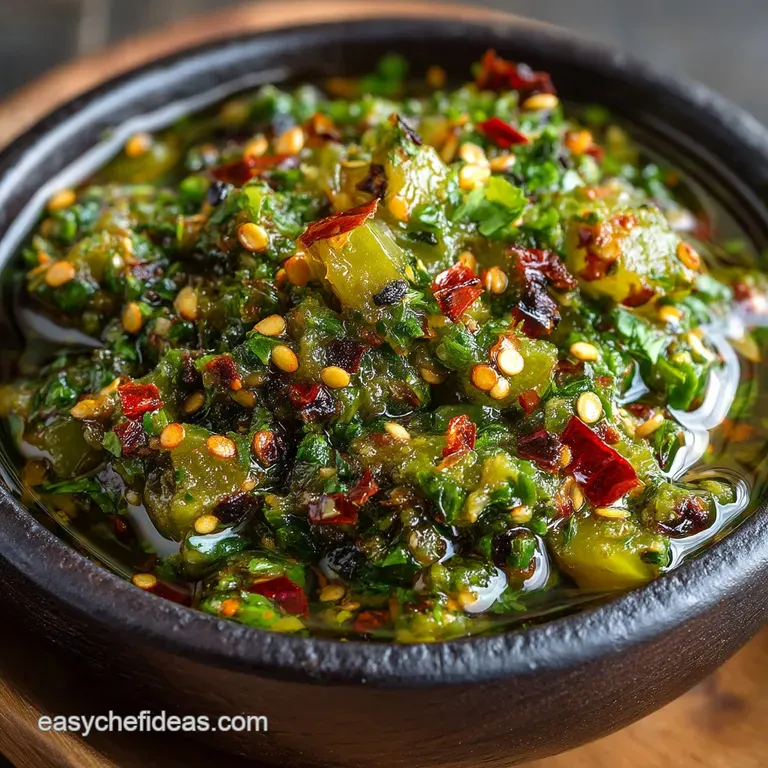
- Transforming Acid: Why Roasting Makes the Ultimate Salsa Verde
- Beyond the Chip Dip: The Versatility of Proper Salsa Verde
- The Essential Components for Authentic Roasted Tomatillo Salsa Verde
- Required Kitchen Kit: Tools for Roasting and Blending
- Step-by-Step: Perfecting the Roast for Maximum Flavour Depth
- Troubleshooting and Advanced Salsa Verde Notes
- Recipe FAQs
- 📝 Recipe Card
Transforming Acid: Why Roasting Makes the Ultimate Salsa Verde
The secret to a truly spectacular salsa verde lies not just in the ingredients themselves, but in their preparation. Forget the bright, aggressive tang of raw tomatillos; the key to creating a deep, complex sauce is intense dry heat.
By subjecting the core components to high heat, we initiate a transformative process that mellows the sharp acidity characteristic of the fruit while caramelizing the natural sugars within the onions and chillies.
This essential roasting step fundamentally changes the character of the final product, turning a simple condiment into the intensely savoury, rich, and balanced Roasted Tomatillo Salsa Verde we strive for. This approach yields a far superior texture and depth than any raw blend could ever offer.
Beyond the Chip Dip: The Versatility of Proper Salsa Verde
A truly great batch of this sauce is far more than just a dip for tortilla chips. The complexity achieved by roasting makes this Homemade Roasted Tomatillo Salsa Verde a dynamic culinary foundation, adaptable for countless applications in Mexican and Tex-Mex cuisine.
The Magic of Maillard: Unlocking Deep Savoury Notes
The characteristic dark, blistered spots that appear on the tomatillos during the cooking process are the visual evidence of the Maillard reaction at work. This chemical change is responsible for creating hundreds of flavour compounds, lending a profound, savoury undertone to the fruit.
When the tomatillo skins begin to blacken and collapse after 18 to 20 minutes in the oven, you know you are building the essential flavour base required for an authentic, restaurant quality salsa. This depth ensures the sauce has body and richness, preventing it from tasting watery or flat.
From Bright Green to Deep Flavour: The Tomatillo Transformation
When selected firm and bright green, the tomatillo provides significant structure. During roasting, the fruit softens completely, releasing its internal moisture and concentrating its flavour.
This transition takes the flavour profile from purely citrus acidic to a rounded, earthy sweetness balanced by the heat of the chillies. This careful balancing act is the core identity of a properly prepared roasted green salsa verde .
Serving Suggestions: Pairing Your Batch with Mexican Classics
Once you have perfected your batch, the possibilities are vast. This rich sauce is non-negotiable for traditional huevos rancheros and forms a perfect pairing for hearty fillings in tacos, especially shredded chicken or slow cooked pork shoulder.
Most importantly, it serves as the essential, vibrant base for pouring over corn tortillas and cheese to create truly spectacular roasted tomatillo salsa verde enchiladas —specifically, the beloved Enchiladas Suizas.
A Guide to Heat: Choosing the Right Chillies for Your Palate
The recipe calls for 1 to 2 jalapeño chillies, which provide a reliable, moderate heat. However, if you crave a more intense experience, swapping them for a single serrano pepper will provide a significant and immediate boost.
For cooks who prefer a milder salsa, the heat can be precisely controlled: slice the jalapeños lengthwise before roasting and scoop out the inner white membranes and seeds. Roasting the chillies whole and intact, as directed in the core recipe, ensures maximum spice retention.
The Essential Components for Authentic Roasted Tomatillo Salsa Verde
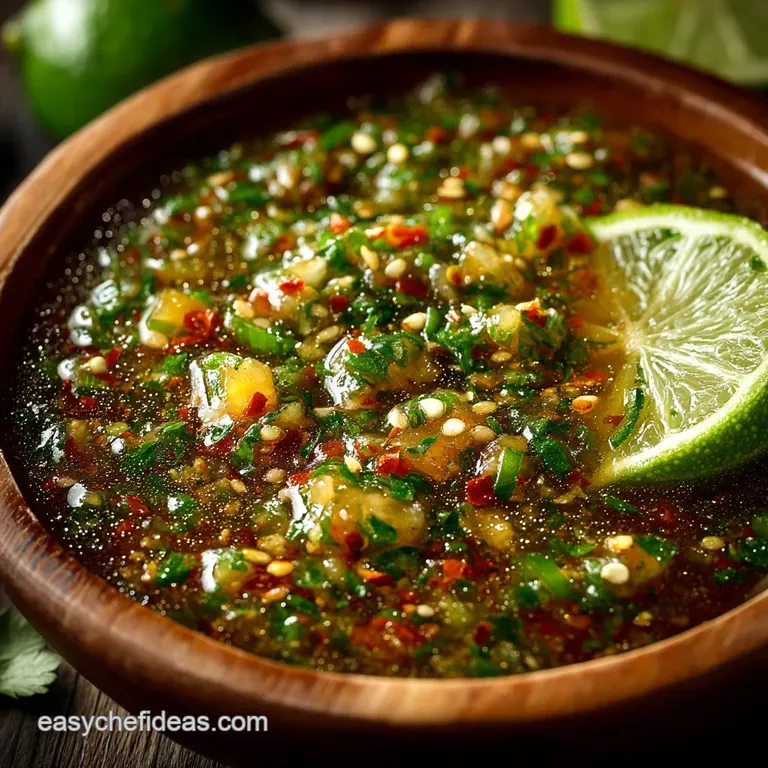
Crafting the perfect roasted tomatillo salsa verde recipe relies on simplicity and quality produce. The foundation is half a kilogram of husked tomatillos, which are roasted alongside key aromatics: a medium quartered yellow onion, three to four unpeeled garlic cloves, and the chosen jalapeño chillies.
These items are lightly coated in neutral oil and pre-seasoned with a half teaspoon of fine sea salt before hitting the heat. For the finishing stage in the blender, the rich roasted foundation is brightened with half a cup of fresh cilantro leaves and tender stems, a generous tablespoon of lime juice, and a touch of ground cumin for an earthy complexity.
A small amount of liquid, like water or low-sodium stock, is added to assist blending and achieve the desired pourable consistency.
Related Recipes Worth Trying
- The Best Smoky Bright Roasted Salsa Verde Tomatillo Salsa Recipe — This easy Fire Roasted Tomatillo Salsa Verde recipe transforms bland sauce into a deep smoky flavour bomb Ditch the jarsthis homemade version is an absolute...
- The Ultimate Crispy ParmesanCrusted Roasted Brussels Sprouts — Tired of soggy sprouts Learn how to make roasted Brussels sprouts crispy with this Parmesancrusted recipe Totally addictive crunch Find the foolproof method...
- Roasted Turnips with MapleDijon Glaze Garlic Greens — Dont chuck those turnip tops Learn how to cook turnip greens alongside sweet roasted roots in this complete dish Its proper flavourful comfort food
Required Kitchen Kit: Tools for Roasting and Blending
You do not need specialized equipment to master this recipe, but having the right tools makes the process seamless. A standard rimmed baking sheet is essential, ideally lined with parchment paper or a silicone mat for the inevitable caramelized stickiness.
A high speed blender or sturdy food processor is necessary to handle the hot, slightly tough roasted skins and achieve a consistent texture.
Tomatillo TLC: Selecting Ripe and Husk Free Produce
When selecting tomatillos, look for firm, bright green fruit where the husk is papery and tight. Once you remove the husks, you will notice a natural, slightly sticky residue on the fruit. It is crucial to give them a thorough rinse and gentle towel dry before coating them in oil.
This step ensures the oil adheres evenly, guaranteeing superior charring during the roast.
Garlic & Onion: Roasting vs. Raw Flavour Profiles
The primary reason to roast the aromatics is to achieve sweetness and mellowness. Raw onion and garlic lend an overpowering astringency that fights the flavour profile. Roasting the onion in quarters and, importantly, keeping the garlic cloves unpeeled, traps the moisture and allows the garlic to steam internally, turning it creamy and sweet.
This roasted depth is integral to the final savory profile.
The Herb Element: Using Cilantro and Optional Epazote
Fresh cilantro is added after the roasting process to preserve its vibrant, herbaceous brightness, ensuring the final sauce isn't entirely muted by the heat treatment.
If you are seeking a highly authentic Mexican flavour, consider substituting a portion of the cilantro with epazote, a pungent herb known for its slight notes of anise and petroleum. If you have a genetic aversion to cilantro, substitute with flat leaf parsley and a pinch of dried Mexican oregano.
Choosing Your Roasting Surface: Sheet Pan vs. Comal
For ease and efficiency, this roasted tomatillo salsa verde recipe utilizes a standard oven and a sheet pan. However, the concept of charring ingredients is classic.
You can achieve a similar intensity by preparing a Dry Roasted Tomatillo Salsa directly on a preheated comal (a flat griddle) or by creating an intensely smoky version via grilled tomatillo salsa verde on an outdoor barbecue.
In both alternative scenarios, ensure the ingredients achieve significant blistering and blackening.
The Blender Debate: Pulse vs. Puree Texture
The texture of your finished salsa is entirely a matter of preference. A high speed blender is ideal for achieving a uniform blend, but precision is necessary. For a rustic, homestyle texture with visible pieces of onion and chilli, use the pulse function only 5 to 6 times.
If you prefer a smoother, more restaurant style result, blend consistently for 30 to 45 seconds. Avoid excessive blending, which can sometimes lead to an undesirable, slightly frothy or slimy texture caused by the emulsification of the seeds.
step-by-step: Perfecting the Roast for Maximum Flavour Depth
Flavour maximization begins before the heat even hits the ingredients. Preheat your oven to 220°C (425°F) and prepare your roasting vessel.
Prepping the Produce: Washing and De-Husking Tomatillos
Start by peeling the papery husks off the tomatillos, giving them a good rinse to remove the sticky film, and patting them dry. Arrange the cleaned tomatillos, along with the quartered onion, unpeeled garlic cloves, and the whole jalapeño(s), on the baking sheet.
Drizzle evenly with the table spoon of neutral oil and sprinkle with the initial half teaspoon of fine salt.
The Roasting Arrangement: Placement for Even Caramelization
Ensure all the vegetables are spread out in a single layer, giving them space to breathe. Crowding the pan will cause the ingredients to steam rather than roast, hindering the charring process that provides the essential savoury depth.
Roast for 18 to 20 minutes, until the tomatillos are visibly softened, blistered, and slightly collapsed.
Achieving the Perfect Texture: Blending Technique
Once the roasting is complete, remove the sheet and let the ingredients cool for five minutes. Squeeze the soft, sweet roasted garlic cloves out of their skins and transfer all the roasted contents (tomatillos, chillies, onion, and peeled garlic) to the blender.
Add the fresh cilantro, lime juice, cumin, and the initial half cup of water or stock. Use the pulse/blend technique described above to achieve your desired consistency.
Final Seasoning: Balancing Salt and Acidity After Blending
The acidity of the tomatillo requires ample salt to achieve balance. Once the blend is complete, taste immediately. Add additional salt and freshly ground black pepper until the flavour profile brightens and truly pops.
If the sauce is too thick for your application, add water, one tablespoon at a time, until the consistency is to your liking.
Troubleshooting and Advanced Salsa Verde Notes
This recipe is simple, but knowing how to manage texture and flavour is key to absolute success.
Too Thin or Too Thick? Quick Fixes for Texture Issues
If you find your Roasted Tomatillo Salsa Verde too thick, simply stream in a little extra water or stock while the blender is running. If, conversely, the sauce is too thin, the easiest fix is to simmer the salsa gently in a small saucepan over medium low heat for 5 to 10 minutes.
The excess moisture will evaporate, naturally thickening the salsa without compromising the roasted flavour.
Managing Acidity: When and How to Add Lime Juice
Lime juice is an optional brightness factor, meant to cut through the richness of the roast. We add one tablespoon during the blending phase. Avoid adding extra lime juice unless absolutely necessary, as often, a slightly flat tasting salsa just needs more salt, not more acid.
Only add a final squeeze of lime if the finished product tastes heavy or overly earthy.
Storage Solutions: Keeping Your Salsa Fresh for Longer
This robust salsa keeps beautifully in an airtight container in the refrigerator for up to one week. For longer preservation, the salsa freezes well for up to three months. If you are interested in creating a roasted tomatillo salsa verde for canning , note that the inclusion of oil, onion, and garlic requires precise measurement and adherence to USDA guidelines for acidified foods, ensuring a safe pH level.
Commercial guidelines must be followed closely if adapting this roasted tomatillo salsa verde canning recipe .
Making it Smoked: Introducing Chipotle Peppers
For a deeper, more profound flavour that leans toward barbecue and rich chili, introduce a smoky element. Add one canned chipotle pepper in adobo sauce, along with a teaspoon of the adobo liquid, to the blender. This variation yields an incredible smoky layer that pairs exceptionally well with chicken or pork.
Serving Temperature: Hot vs. Cold Salsa Applications
The traditional application for dipping is serving the salsa chilled, which allows the flavours to settle and marry completely. However, using the sauce warm either gently reheated or added directly to the dish immediately after blending will accentuate the deep, savoury roasted notes.
For cooking applications, such as a base for braising or smothering enchiladas, the salsa should always be used hot.
Recipe FAQs
How long does this amazing salsa last? Can I make the Roasted Tomatillo Salsa Verde ahead of time for a proper feast?
Absolutely! This salsa is perfect for preparing in advance; in fact, the flavour improves significantly after a day in the fridge, giving the roasted elements time to truly marry. Stored in an airtight container, your salsa will happily keep its robust flavour for 7 to 10 days.
If you’ve made a massive batch, freezing it in smaller portions is an option, though the texture might be slightly less smooth when thawed it’s still brilliant for cooking, like in a stew or braise.
My salsa turned out too watery or runny. Did I mess up the roasting process?
Don't fret, mate! Tomatillos hold a fair bit of water, and sometimes they release more liquid during roasting or blending. The easiest fix is to pour the finished salsa into a small saucepan and simmer it gently over medium low heat for about 5 to 10 minutes.
This naturally thickens the sauce as the excess moisture evaporates. Next time, remember the recipe suggests starting with less liquid in the blender (half a cup) and adding more only if absolutely necessary to achieve your desired thickness.
I’m a bit of a lightweight when it comes to spice. How can I make this flavourful without setting my mouth on fire?
No worries, we can dial back the heat easily. The majority of the heat in jalapeños and serranos is held in the inner white membrane and the seeds. Before roasting, simply slice your chilli peppers open lengthwise and scrape out all the seeds and white pith this drastically reduces the punch while keeping the crucial chilli flavour.
If you need even milder results, you can substitute one jalapeño for a roasted green bell pepper, then just add a tiny pinch of cayenne pepper at the end if you feel brave enough.
I really can’t stand coriander (cilantro) is there a good alternative that keeps the flavour bright?
You’re not alone; some folks find coriander tastes like soap! Luckily, there’s an easy fix. You can substitute the fresh coriander leaves with flat leaf parsley and introduce a little more traditional Mexican flavour with about 1 teaspoon of dried Mexican oregano (often labelled as 'Mexican marjoram').
This combination provides the necessary herbaceous brightness without that divisive flavour, leaving you with a delicious, complex sauce. Sorted!
What is the absolute best way to use up a big batch of this "Proper Job" salsa?
Beyond the obvious chip dipping for a Friday night telly snack, this roasted salsa is superb as a cooking sauce. It forms the perfect, authentic base for Enchiladas Suizas, where you pour it generously over cheese and chicken filled tortillas before baking.
Alternatively, use it to braise chicken or pork shoulder; simply sear the meat, add the salsa, and simmer until tender. It also brings magnificent acidity and depth to scrambled eggs or grilled cheese sandwiches.
Proper Job Roasted Tomatillo Salsa Verde
Ingredients:
Instructions:
Nutrition Facts:
| Calories | 325 kcal |
|---|---|
| Protein | 3.2 g |
| Fat | 2.5 g |
| Carbs | 20.6 g |
| Fiber | 12.2 g |
| Sodium | 5298 mg |
