The Proper Chewy Bagel Coldfermented and Boiled for a Cracking Result
- Why Authentic Bagels Demand Cold Fermentation
- Decoding the Perfect Chew: What Makes This Recipe Different
- Essential Components for a Stiff Bagel Dough
- Tools and Preparations Before You Begin
- Mixing and Kneading the Low-Hydration Dough
- The Critical Steps: Proofing, Shaping, and Fermentation
- Achieving the Signature Crust: Boiling and Baking the Bagels
- Troubleshooting and Mastering Your Bagel Bake
- Storage, Shelf-Life, and Creative Topping Ideas
- Recipe FAQs
- 📝 Recipe Card
Why Authentic Bagels Demand Cold Fermentation
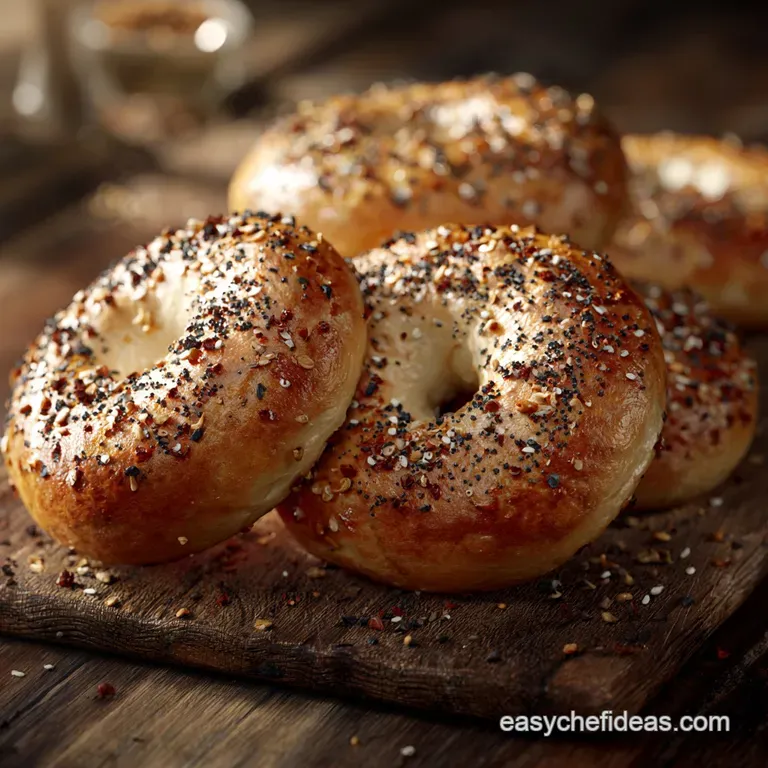
The difference between a chewy, world class Bagel and a standard bread roll with a hole in the middle lies almost entirely in patience. This demanding texture and deep, complex flavour profile, characteristic of truly great New York Style Bagels , simply cannot be achieved quickly.
We enforce a mandatory 12 to 18-hour cold fermentation period for this Bagel Recipe . This slow, cold sleep minimizes active yeast growth but allows flavor producing enzymes to work overtime.
During this extended rest, the starches begin to break down into complex sugars, resulting in a rich, malty taste that forms the bedrock of the final product. On top of that,, the slow rise strengthens the gluten network the primary requirement for the dense, satisfying internal structure this specific Homemade Bagels technique delivers.
Decoding the Perfect Chew: What Makes This Recipe Different
Our goal is not merely baking bread; it is crafting the perfect Chewy Bagel Recipe . This distinction rests upon controlling two key variables: hydration and heat treatment.
Unlike typical Homemade Bread Recipes , this dough is intentionally stiff and dense, ensuring it holds its shape perfectly and doesn't become puffy or cake like during the bake.
The two-stage cooking method boiling followed by high heat baking is crucial for setting that shiny, resilient crust while locking moisture inside the tight crumb structure.
The Maillard Reaction and Flavor Depth
The intense flavour and rich, deep gold colour of these Bagels are kickstarted by the Maillard reaction. This chemical process, which involves amino acids and reducing sugars, is often associated with baking, but we utilize the boiling step to initiate it early.
By adding malt syrup to the water, we coat the dough surface with sugars that quickly caramelize upon contact with the heat of the oven, resulting in a spectacular shine and unparalleled depth of flavour.
The Science Behind the Low-Hydration Dough
Traditional Bagel dough is notoriously stiff, utilizing only 300ml of water for 500g of high protein bread flour. This extremely low hydration ratio ensures that the gluten strands form an incredibly tight, dense matrix.
When compared to typical bread doughs (which can range from 65% to 75% hydration), our dough hovers closer to 60%. This stiffness is the critical factor that prevents the final product from achieving the airy rise of a standard loaf, guaranteeing the signature dense chewiness we desire in this particular Boiled Bagel Recipe .
The Difference Between Boiling and Steaming
While some commercial bakeries utilize steaming for efficiency, true New York Style Bagels require boiling. The rapid heat transfer achieved during the 60-second water bath causes the starches on the surface of the dough to instantly gelatinize, forming a protective, sealed shell.
This seal prevents further expansion in the oven and is what gives the finished product its characteristic resilient skin and slight surface wrinkles. Steaming cannot achieve this immediate, structural setting.
Malt vs. Sugar: Choosing the Boiling Additive
When preparing the boiling solution, we use barley malt syrup (or honey as a substitute). While standard sugar would provide sweetness, barley malt syrup is preferred for its enzymatic activity and flavour profile.
Malt adds a slightly deeper, earthy note that complements the extended cold fermentation, and crucially, it promotes superior browning and shine during the baking phase, making it the authentic choice for a truly great Bagel .
Essential Components for a Stiff Bagel Dough
The recipe dictates a specific ingredient composition geared toward maximal gluten development. At its core, the Bagel Recipe uses 500 grams of high protein bread flour, which provides the necessary structural components for the firm dough.
The binding liquid is 300ml of warm water, along with two tablespoons of barley malt syrup, which serves as food for the 7 grams of instant dry yeast, initiating the slight rise and aiding in flavour.
Finally, 15 grams of fine sea salt not only enhances the taste but also controls the yeast activity, ensuring the long, slow development that makes these Bagels extraordinary.
Tools and Preparations Before You Begin
Preparation is key when tackling this medium difficulty Bagel Recipe . Given the dense, low-hydration nature of the dough, specialized equipment is strongly advised to manage the intense kneading phase and the subsequent boiling process.
Required Flour Type and Yeast Activity
For these Homemade Bagels , the use of high protein bread flour is non-negotiable. Its elevated protein content (around 12-14%) is fundamental to developing the high level of gluten required for the dense chewiness.
Yeast activity begins by dissolving the instant dry yeast along with the malt syrup in 40°C (105°F) water, allowing the mixture to become foamy within 5– 10 minutes, confirming the yeast is active and ready to work.
Accurate Measurement: Weighing Water and Dry Ingredients
Due to the precise hydration ratio required for this stiff dough, a kitchen scale is essential. Using metric measurements (500g flour to 300ml water) ensures accuracy that volumetric measurements (cups) simply cannot match.
Precision in these early stages prevents a dough that is either too sticky (which would require too much additional flour) or too dry (which would prevent proper gluten development).
Stand Mixer vs. Hand Kneading Requirements
The demanding nature of this dough means a stand mixer equipped with a dough hook is highly recommended. The kneading time required (8– 10 minutes) at medium low speed is strenuous, and achieving the necessary stiffness by hand can be physically exhausting.
If kneading by hand, be prepared for a solid 15– 20 minutes of intense work to fully develop the gluten.
Preparing Your Boiling Solution
Before the shaping stage even begins, organize your boiling station. This requires a large stock pot or Dutch oven containing 3 litres of water. Add the malt syrup (80g) and the optional baking soda (5g) to ensure maximum flavour, shine, and browning potential.
This solution must be brought to a rolling boil just before the bagels are pulled from the refrigerator.
Related Recipes Worth Trying
- FussFree Cottage Cheese Protein Bagels Quick Healthy NoKnead Recipe — These cottage cheese protein bagels are a proper winner Get a soft chewy breakfast without the faff of yeast or endless kneading Its a healthy highprotein...
- Mini Pizza Bagel Bites Kid Friendly Appetizers Made Easy — Need kid friendly appetizers These mini pizza bagel bites are a winner Quick easy customizable and ready in minutes Even the kids can help Get the recipe
- Smoked Salmon Bagel Bites: Easy Elegant Appetizer — Elevate your bagel game with these Smoked Salmon Bagel Bites! Creamy dill, lemon, & salmon an easy & elegant appetizer. Simple Pescatarian Dinner Ideas...
Mixing and Kneading the Low-Hydration Dough
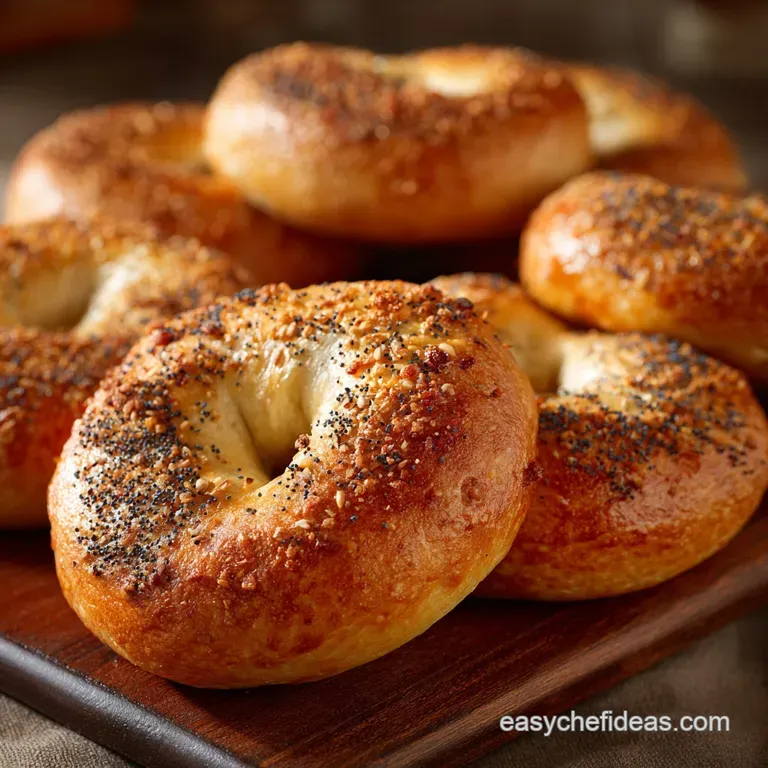
The initial mixing process sets the stage for the dense texture of the Bagels . Once the yeast is active, the bread flour and salt are added to the mixer bowl. Begin mixing slowly to incorporate the dry ingredients into the liquid, forming a shaggy mass in about two minutes.
Increase the mixer speed to medium low and allow the dough hook to work the mixture for a full 8 to 10 minutes. At first, the dough will be dry and resistant, but it will gradually become smoother and significantly firmer.
The process concludes when the dough is smooth and passes the windowpane test, demonstrating sufficient gluten development. Afterward, the dough undergoes a modest 60-minute bulk fermentation at room temperature it will only puff slightly, not double in size, reflecting the low-hydration density.
The Critical Steps: Proofing, Shaping, and Fermentation
Once the brief bulk rise is complete, the dough is divided into 12 equal portions, each weighing approximately 80 85g. After rolling these portions into tight balls and letting them rest for 10 minutes to relax the gluten, we move to the signature shaping step.
This preparation is paramount for achieving the structure required for professional quality Homemade Bagels . The most crucial element, however, is the subsequent long, slow rest.
The shaped rings are placed on parchment lined trays, covered tightly, and transferred to the refrigerator for the indispensable 12 18 hour cold fermentation. This cold sleep intensifies the flavour, stabilizes the structure, and ensures the dough is firm enough to withstand the hot water bath without collapsing.
Achieving the Signature Crust: Boiling and Baking the Bagels
The transition from the cold refrigerator to the boiling pot is rapid and dictates the final texture of these Boiled Bagel Recipe stars. Once the dough has been appropriately rested, we are ready to create that stunning, shiny crust.
Combining Ingredients for Optimal Gluten Development
The sequence of adding ingredients water, yeast, and malt first, followed by flour and salt is designed to give the yeast a head start while ensuring that the salt doesn't inhibit the initial activation.
This structured combination allows for rapid, robust gluten formation during the subsequent 8– 10 minutes of mechanical kneading.
Kneading Until Smooth: The Windowpane Test
The visual marker for perfectly kneaded Bagel dough is the windowpane test. A small piece of dough should be stretched thinly until it is translucent enough for light to pass through without tearing.
If it tears easily, the dough requires a few more minutes of kneading to guarantee the tight crumb structure characteristic of Chewy Bagel Recipe standards.
The Cold Sleep: Overnight Rest for Maximum Flavour
The 12 18 hour cold proof isn't just a time commitment; it is the engine of flavour development. By slowing the rise dramatically, the long cold sleep allows the dough to develop complex organic acids, leading to the depth of flavour synonymous with authentic Bagels .
This step is non-negotiable for producing the best results.
Creating Uniform Bagel Rings (The Poke and Stretch Method)
After the brief resting period, shape the dough balls into rings using the "poke and stretch" method. Simply push a floured finger through the centre of the ball and gently stretch the resulting hole until it is approximately 2.5 cm (1 inch) wide.
It is essential to stretch the hole wider than you think necessary, as the dough will contract during the subsequent proofing and baking, preventing the hole from sealing up and creating a bun instead of a ring.
Ensuring the Bagel Holds Its Shape
Before boiling, perform the float test: drop one bagel into a glass of water. If it floats within 15 seconds, it is perfectly proofed and ready for the pot. If it sinks, it needs more time at room temperature.
This test ensures the internal structure is sufficiently set, guaranteeing the Bagel holds its shape through the rigors of the boiling and baking process.
The 60-Second Dunk: Timing the Water Bath
The precise timing of the water bath is crucial. Working in small batches of three to four, drop the cold Bagels into the rolling boil. Boil them for 45 to 60 seconds per side. Too short, and the crust won't set; too long, and the crust may wrinkle excessively.
Lift them out using a slotted spoon or spider, drain well, brush with the egg wash, and immediately apply toppings before transferring the trays to the 230°C (450°F) oven for the final 18– 22 minutes of baking.
Troubleshooting and Mastering Your Bagel Bake
Mastering Homemade Bagels involves understanding the dough's response to proofing time and temperature. While this is an Easy Bagel Recipe in terms of ingredient simplicity, the technique demands precision.
Why Are My Bagels Flat or Wrinkled?
Flat bagels that lack a rounded edge usually indicate under proofing (they sank in the float test). Give the remaining cold bagels 30 extra minutes at room temperature before boiling. Conversely, excessive wrinkling, particularly immediately after boiling, is a sign of slight over proofing or boiling for too long.
Ensure the water bath timing is strictly limited to one minute per side.
Adjusting Baking Time for a Crispier Bottom
If your Bagels are beautifully golden on top but the bottoms remain pale, adjust your baking strategy. After about 15 minutes of baking, you can carefully slide the parchment paper out from beneath the bagels and allow them to finish baking directly on the hot tray.
This direct heat contact encourages a crisper, deeper brown bottom crust.
Frequently Asked Questions (FAQ) About Bagel Making
The most common question revolves around flour substitution. Can you use all-purpose flour? While you technically can, you will not achieve the required gluten structure, resulting in a softer, bready texture. For true density, bread flour is necessary.
Another frequent query is whether the cold proof can be skipped; the answer is no the flavour and structure depend entirely on that long, cold rest.
Best Practices for Freezing and Reheating
Because Bagels tend to stale quickly due to their low moisture content, immediate proper storage is essential. Once the Bagels are completely cooled, slice them immediately, wrap them tightly in a freezer bag, and freeze them.
The best way to enjoy a frozen homemade Bagel is to toast it directly from the freezer; this prevents moisture loss and results in a fresh, perfectly textured bite.
Beyond Everything: Sweet and Savoury Variation Suggestions
While the Everything Bagel seasoning is the gold standard, this dense dough is an excellent base for numerous creative variations. For a savoury twist, try incorporating shredded sharp cheddar and chopped pickled jalapeño directly into the dough during the final kneading phase.
For a classic sweet treat, mix in plump raisins and ground cinnamon before shaping. Alternatively, substituting some bread flour with dark rye flour, along with cocoa powder and instant coffee, yields a deep, rustic pumpernickel variation.
Storage, Shelf Life, and Creative Topping Ideas
Homemade Bagels possess a superior texture and flavour profile compared to store-bought versions, but they also have a shorter shelf life due to the lack of preservatives. They are best eaten within two days of baking, or sliced and frozen immediately for long term enjoyment.
Why Are My Bagels Flat or Wrinkled?
As detailed previously, flatness is structural (under proofed), while wrinkling is usually a sign of over proofed dough or excessive time in the boiling water. Maintaining precision during the shaping, proofing, and boiling stages ensures a beautifully rounded final Bagel .
Adjusting Baking Time for a Crispier Bottom
Achieving maximum crispness on the bottom often requires the final few minutes of baking to occur on a lower rack or directly on the hot metal tray, rather than insulated by parchment paper.
Frequently Asked Questions (FAQ) About Bagel Making
The integrity of the Homemade Bagels relies heavily on the quality of the bread flour and the patience of the cold fermentation. Never attempt to rush the cold rest; it is the secret ingredient.
Best Practices for Freezing and Reheating
Always slice your Bagels before freezing. This simple step makes them ready for the toaster, allowing you to bypass the often difficult task of slicing frozen, rock hard bread.
Beyond Everything: Sweet and Savoury Variation Suggestions
Once you master this base Bagel Recipe , the possibilities are endless. Serve plain Bagels sliced and toasted with whipped cream cheese and smoked salmon (lox) for the ultimate deli experience.
For breakfast, toast a seeded Bagel and build a fantastic sandwich with bacon, egg, and cheddar. Or, for a simple dessert, warm a cinnamon raisin variation and spread it with butter and a touch of lemon curd.

Recipe FAQs
My dough seems really stiff and hard to work with; is that normal for this kind of bagel?
Yes, absolutely! Authentic bagel dough is intentionally low-hydration and very stiff compared to normal bread dough. This stiffness is crucial for developing the powerful gluten structure needed to achieve that famous dense, chewy texture rather than a light, airy loaf.
A stand mixer really is a lifesaver here, allowing for the long kneading time required to transform this tough dough into a smooth elastic ball.
Why do I have to boil the bagels before baking them?
Boiling is the secret sauce for that perfect crust and signature chew. The brief dip gelatinizes the starches on the exterior, immediately setting the crust so it cannot expand much further in the oven.
The boiling liquid (especially with malt syrup) also helps create that famous glossy, shiny crust and deep golden brown colour when baked, ensuring your Bagel isn't just a basic bread roll.
Is the overnight cold proofing really necessary, or is that just for fancy chefs?
It’s not just a fancy step it’s utterly essential for achieving cracking flavour and texture! The long, slow, cold fermentation allows the yeast to work slowly, developing complex, sour notes while strengthening the gluten structure.
Skipping this step means you’ll end up with a quickly proofed, bready roll instead of a proper, dense, and complex classic bagel.
If I don’t have bread flour, can I just use plain all-purpose flour?
While you can technically substitute, your result will be noticeably softer and lack that desired chewiness, which rather defeats the object of this specific recipe. Bread flour has a higher protein content, which is necessary to build the strong structural integrity needed to withstand the boiling step and maintain its shape during baking.
If you must substitute, consider adding vital wheat gluten to your plain flour for a bit of extra oomph.
These taste spot on right now, but how long will my homemade bagels keep fresh?
Homemade bagels tend to stale much faster than mass produced ones because they lack preservatives, generally only tasting their best for a day or two at room temperature. Your cleverest trick is to slice them once completely cool, then freeze them immediately in an airtight bag or container.
They toast beautifully straight from the freezer, ensuring you always have a fresh, chewy treat ready for breakfast.
Proper Coldfermented Bagel Recipe
Ingredients:
Instructions:
Nutrition Facts:
| Calories | 241 kcal |
|---|---|
| Protein | 9.2 g |
| Fat | 4.7 g |
| Carbs | 20.1 g |
| Fiber | 3.6 g |
| Sodium | 3438 mg |
