Hard Boiled Eggs: Silky Yolks and Tender Whites
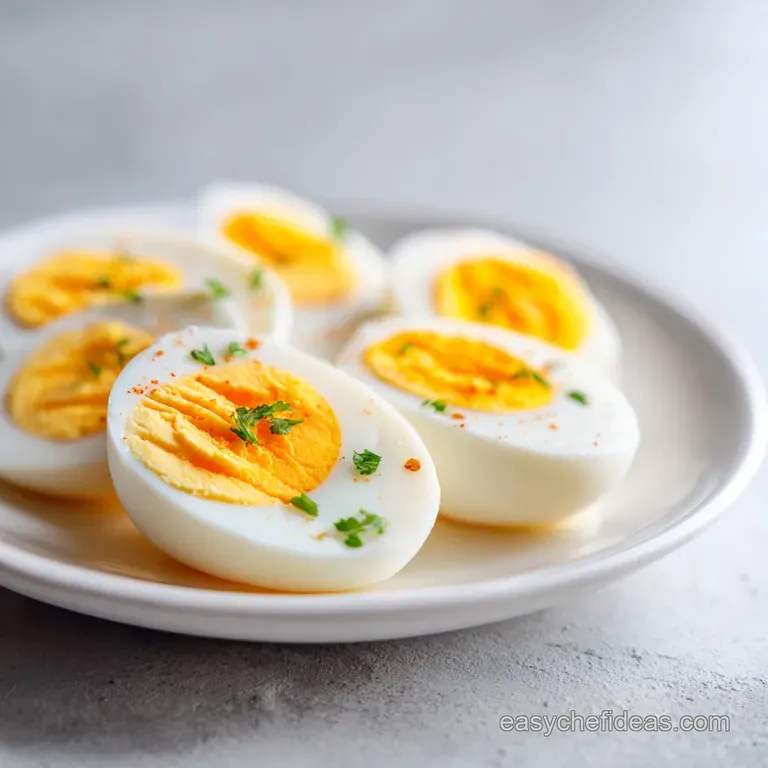
- Time: Active 2 minutes, Passive 23 minutes, Total 25 minutes
- Flavor/Texture Hook: Firm yet silky whites with a creamy, sun bright yolk
- Perfect for: High protein snacks, festive deviled eggs, or nourishing meal prep
- Mastering the Texture of Hard Boiled Eggs
- Simple Logic Behind This Boiling Method
- Crucial Benchmarks for Hard Boiled Eggs
- Essential Components for Hard Boiled Eggs
- Necessary Equipment for Proper Boiling
- Executing the Recipe for Hard Boiled Eggs
- Resolving Issues with Hard Boiled Eggs
- Regional Adaptations for Boiled Eggs
- Safe Preservation and Resourceful Tips
- Creative Plating and Community Serving
- Recipe FAQs
- 📝 Recipe Card
Mastering the Texture of Hard Boiled Eggs
The kitchen is quiet except for the rhythmic, aggressive roar of three quarts of water reaching a rolling boil. Steam curls against the windowpane, carrying that distinct, earthy scent that signals a fresh start to the day.
I remember standing in my grandmother's kitchen, watching her gently lower eggs into the water with a silver spoon, her hands moving with a grace that turned a simple chore into a ritual of nourishment.
There is something deeply satisfying about the sound of a shell as it begins to shatter against the counter, giving way to a flawless, porcelain white surface underneath.
We often think of this dish as a basic building block, but in reality, it is a lesson in patience and precision. The contrast between the intense heat of the boiling water and the biting chill of the ice bath is what creates that velvety texture we all crave.
When you slice into one and find a vibrant, golden center rather than a chalky, gray rimmed yolk, it feels like a small victory for the home cook. It is about more than just food; it is about providing a simple, healthy snack that honors the community and the shared love of honest ingredients.
In our house, these aren't just for snacks. They represent a bridge between cultures and flavors. Whether they are being marinated in soy and ginger for a ramen bowl or dusted with smoky paprika for a gathering, they provide a sense of comfort.
This recipe focuses on getting the mechanics right so you can spend more time enjoying the act of feeding those you care about. We are looking for that specific balance where the white is firm but never rubbery, and the yolk is fully set but still manages to feel silky on the tongue.
Simple Logic Behind This Boiling Method
Understanding how the proteins in an egg react to heat helps us avoid the common pitfalls of overcooking. By starting with boiling water rather than cold, we "shock" the membrane, which is the secret to an easy peel.
- Protein Coagulation: High heat immediately sets the outer layer of the egg white, preventing it from sticking to the inner membrane.
- Thermal Contraction: The ice bath causes the egg to shrink slightly inside the shell, creating a small pocket of air that makes the shell shatter and slide off.
- Acidity Influence: Vinegar in the water helps keep the egg whites contained if a shell happens to crack during the initial drop.
- Sulfur Control: Stopping the cooking process exactly at 12 minutes prevents the iron in the yolk from reacting with hydrogen sulfide, which is what causes that unsightly green ring.
Cook Method Comparison
| Method | Time | Texture | Best For |
|---|---|---|---|
| Stovetop (Boiling) | 25 minutes | Consistently tender | Every use case |
| oven-roasted | 30 minutes | Slightly nutty/toasted | Large batches (12+) |
| Steamed | 20 minutes | Very soft whites | Delicate salads |
Choosing the stovetop method ensures you have the most control over the water temperature and the duration of the cook. While other methods exist, the traditional boil remains the standard for achieving that specific velvety yolk that defines a high-quality snack. If you are looking for more variety in your morning routine, you might also find my boiled eggs guide helpful for experimenting with different textures.
Component Deep Dive
| Ingredient | Science Role | Pro Secret |
|---|---|---|
| White Vinegar | Membrane Weakening | Helps dissolve calcium in the shell for easier peeling. |
| Kosher Salt | Boiling Point | Increases water density to gently support the eggs. |
| Large Eggs | Protein Structure | Cold eggs from the fridge react better to the boiling shock. |
Crucial Benchmarks for Hard Boiled Eggs
When you are aiming for consistency, numbers matter. We aren't just guessing here; we are following a timeline that has been tested in countless kitchens to ensure the yolk reaches the exact stage of being firm but not dry.
You want to see a bright yellow center that looks like a late summer sun, not a dull, crumbly orb.
- Water Volume: 3 Quarts (Ensures the temperature doesn't drop too low when eggs are added)
- Cook Duration:12 minutes (The sweet spot for a fully set, creamy yolk)
- Shock Time:10 minutes (Minimum time in ice to ensure the egg is cold to the core)
Essential Components for Hard Boiled Eggs
Selecting the right ingredients is the first step toward a successful meal. While the list is short, the quality of each item contributes to the final taste and nutritional value.
- 6 Large Grade A Eggs Why this? Larger eggs provide the best yolk to white ratio for snacks.
- 3 Quarts Water Why this? Provides enough thermal mass to maintain a steady boil.
- 1 tbsp Kosher Salt Why this? Seasons the eggs slightly through the porous shell.
- 1 tbsp White Vinegar Why this? Keeps whites from leaking if a shell cracks.
Substitution Table
| Original Ingredient | Substitute | Why It Works |
|---|---|---|
| Kosher Salt | Sea Salt | Similar mineral content. Note: Use slightly less if using fine grain. |
| White Vinegar | Apple Cider Vinegar | Provides the same acidity. Note: May add a very faint fruity note. |
| Large Eggs | Medium Eggs | Same protein structure. Note: Reduce boil time by 1 minute. |
It is important to remember that the freshness of the egg can actually make peeling more difficult. Older eggs have a larger air cell and a higher pH, which makes the membrane less likely to cling to the white. If you are using farm fresh eggs, the vinegar becomes even more essential to help the process along.
Necessary Equipment for Proper Boiling
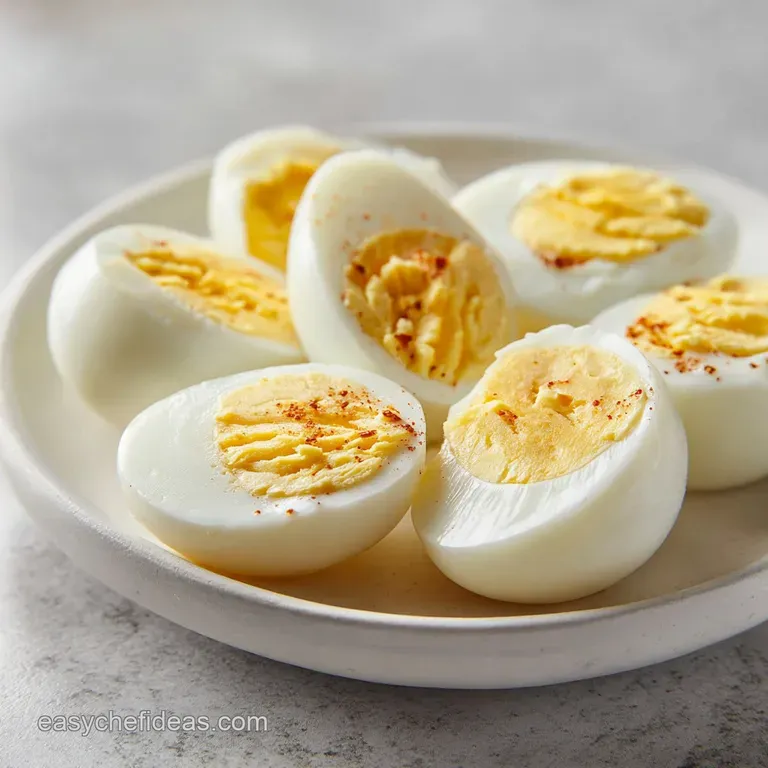
You don't need a professional kitchen to make a great snack, but a few specific tools will make the process much easier. A heavy bottomed saucepan is your best friend here, as it holds heat more efficiently than thin aluminum.
- Large saucepan (at least 4 quart capacity)
- Slotted spoon (for safe transport)
- Large mixing bowl (for the ice bath)
- Kitchen timer (precision is everything)
Executing the Recipe for Hard Boiled Eggs
- Pour 3 quarts of water into your saucepan and add the kosher salt and white vinegar.
- Set the heat to high and bring the liquid to a rolling, aggressive boil.
- Reduce the heat to a simmer once the water is bubbling vigorously.
- Lower the 6 large eggs into the water using a slotted spoon. Note: Do this gently to avoid hitting the bottom of the pan.
- Turn the heat back up to medium high to maintain a steady, gentle boil.
- Set your timer for exactly 12 minutes for a firm, golden yolk.
- Prepare the ice bath while the eggs cook by mixing 2 cups of ice and 4 cups of cold water.
- Wait for the timer to sound, then immediately lift the eggs out of the pot.
- Submerge the eggs in the ice bath for at least 10 minutes. Note: This stops the cooking instantly.
- Crack the shells gently all over and peel under a thin stream of cool water.
Resolving Issues with Hard Boiled Eggs
Even with the best intentions, things can go wrong in the kitchen. Usually, it comes down to a small timing error or a temperature fluctuation. If you find your eggs aren't turning out quite right, don't worry most issues are easily fixed for the next batch. For those looking to troubleshoot specific timing issues, check out this hard boiling guide for a deeper look at different yolk stages.
Why Your Eggs are Hard to Peel
When the membrane sticks to the white, it usually means the egg was too fresh or didn't get enough of a thermal shock. The transition from boiling water to an ice bath is non negotiable if you want that clean, satisfying "shatter" of the shell.
Quick Fix Table
| Problem | Root Cause | Solution |
|---|---|---|
| Green Ring | Overcooking | Stick strictly to the 12 minute timer and ice bath. |
| Rubbery Whites | High Heat too long | Ensure the water is at a gentle boil, not a violent one. |
| Cracked Shells | Impact | Lower eggs slowly with a spoon; don't drop them in. |
Common Mistakes Checklist
- ✓ Using a pot that is too small (eggs will cook unevenly).
- ✓ Skipping the vinegar (makes the "safety net" for cracks disappear).
- ✓ Forgetting to set the timer the moment the eggs hit the water.
- ✓ Leaving eggs in the hot water after the timer goes off.
- ✓ Peeling while the eggs are still warm (the white is too fragile).
Regional Adaptations for Boiled Eggs
Hard boiled eggs are a canvas for the world's flavors. In many cultures, they are more than just a side dish; they are a way to nourish the community during celebrations or simple family meals.
In parts of Southeast Asia, you might find these eggs deep fried after boiling to create a "son in-law" egg with a crispy, golden skin.
In the Middle East, a common way to enjoy them is heavily dusted with Dukkah a mix of toasted nuts, seeds, and warm spices. It adds a wonderful crunch that contrasts with the silky yolk.
If you want a more savory, umami rich experience, try soaking your peeled eggs in a mixture of soy sauce, star anise, and cinnamon overnight. This "tea egg" style is not only beautiful with its marbled appearance but provides a deep, complex flavor that is incredibly nourishing.
Safe Preservation and Resourceful Tips
Store your unpeeled eggs in the refrigerator for up to 7 days. It is always best to keep them in the original carton or a sealed container to prevent them from absorbing any odors from the fridge. Once peeled, they should be eaten within a day for the best texture and flavor.
Chef Tip: Never throw away your eggshells! If you crush them finely, they are a fantastic addition to garden soil, providing a slow release calcium boost for your tomato plants or peppers.
For a zero waste approach, any eggs that are slightly overcooked can be mashed with a little Greek yogurt and chives to make a healthy egg salad. This ensures nothing goes to waste and provides a quick, high protein meal for later in the week.
Creative Plating and Community Serving
When serving these to friends or family, presentation can turn a simple ingredient into something special. Instead of just placing them in a bowl, try slicing them in half and arranged on a wooden board. Sprinkle with flaky sea salt and fresh herbs like dill or parsley to add a pop of color and a hit of freshness.
If you want X, do Y
- If you want a creamier yolk, reduce the boiling time to 9 minutes.
- If you want a sturdier egg for transport, keep the shells on until you are ready to eat.
- If you want a burst of flavor, sprinkle with Za'atar or smoked paprika immediately before serving.
Kitchen Myths
"Adding baking soda to the water makes eggs easier to peel." While this raises the pH, it often makes the eggs taste slightly like sulfur. The vinegar and ice bath method is much more effective and preserves the natural, clean flavor of the egg.
"You should always start eggs in cold water." This actually makes them harder to peel because the membrane has time to bond with the white as the temperature slowly rises. The boiling start is the true secret to success.
Recipe FAQs
How long do you hard boil eggs for?
Set a timer for 12 minutes. This duration ensures the yolk is fully set and firm after maintaining a gentle boil.
Are boiled eggs ok for diabetics?
Yes, they are an excellent choice. Boiled eggs are a high protein, low-carbohydrate food that does not cause significant blood sugar spikes.
What is the trick to making hard boiled eggs?
Use an ice bath immediately after cooking. Transferring the eggs into a bowl with 2 cups of ice and 4 cups of cold water for 10 minutes stops the cooking process and shrinks the membrane to make peeling effortless.
What is the 10 5 10 rule for boiling eggs?
No, this is a common misconception. You should follow the specific 12-minute boil time and 10-minute ice bath method to ensure consistent results and easy-to-peel shells.
Is it necessary to add vinegar to the water?
Yes, it acts as a safety net. Adding 1 tablespoon of white vinegar helps solidify the egg white quickly if the shell cracks during the boiling process.
How to ensure eggs don't crack during boiling?
Lower the cold eggs gently into the water using a slotted spoon. This controlled movement prevents the eggs from knocking against the bottom or sides of the saucepan.
Can I use different types of eggs for this recipe?
Yes, you can use medium eggs. Simply reduce your boiling time by 1 minute, similar to how you would adjust for size in our savory potato pierogies when accounting for varying ingredient volumes.
Perfect Hard Boiled Eggs
Ingredients:
Instructions:
Nutrition Facts:
| Calories | 78 calories |
|---|---|
| Protein | 6.3 g |
| Fat | 5.3 g |
| Carbs | 0.6 g |
| Fiber | 0 g |
| Sugar | 0.6 g |
| Sodium | 124 mg |
