Mahi Mahi: the Golden Crust Pan-Sear
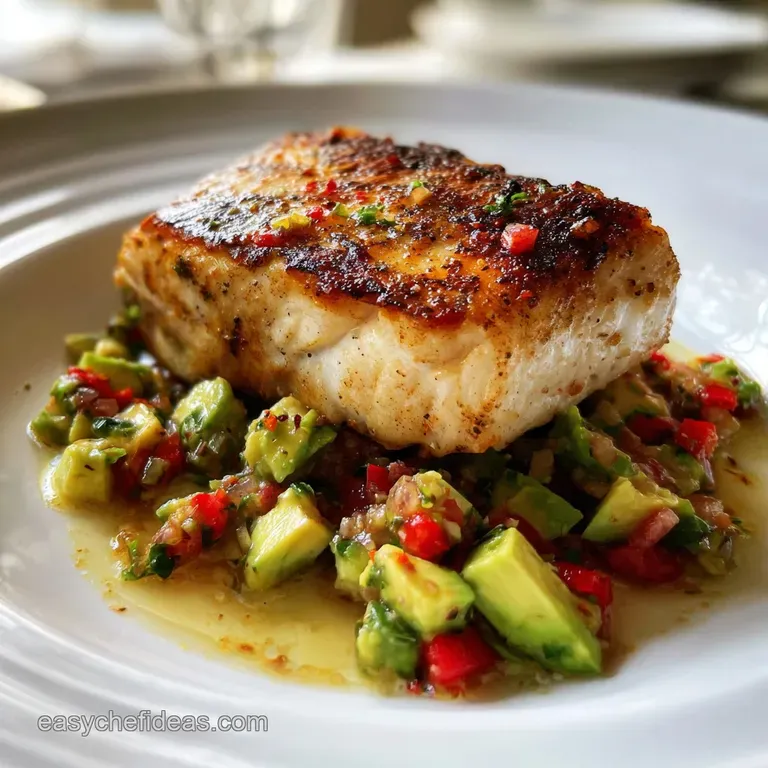
- The Perfect Sear: Why Mahi Mahi is the Ultimate Pan-Frying Fish
- Mastering Contrast: The Science Behind This Recipe’s Success
- Essential Ingredients for the Pan-Seared Mahi Mahi and Salsa
- Step-by-Step Guide: How to Achieve the Golden Sear
- Expert Kitchen Notes: Troubleshooting and Chef’s Tips for Success
- Complementary Pairings: What to Serve Alongside the Fish
- Post-Cook Guide: Storage, Reheating, and Make-Ahead Notes
- Recipe FAQs
- 📝 Recipe Card
The Perfect Sear: Why Mahi Mahi is the Ultimate Pan-Frying Fish
When that crisp, aromatic scent of sizzling fish hits the air, something magical happens in the kitchen. It’s the smell of success, of a perfect golden crust achieved through high heat and maybe just a little bit of nerve. We are talking about Mahi Mahi today, specifically pan-seared Mahi Mahi.
Seriously, this fish is a game changer. The rich, slightly sweet flavour and firm texture mean it holds up perfectly to aggressive heat, which is exactly what we need for that restaurant quality sear.
I know what you're thinking: fancy fish must mean complicated preparation. Absolutely not. This recipe is the definition of "weeknight warrior." You can have a stunning plate of perfectly cooked Mahi Mahi on the table faster than ordering takeout, and for a fraction of the cost.
Plus, nothing makes you feel like a culinary genius quite like nailing the sear on a beautiful piece of fish.
I’ve had my share of fish fails steamed, soggy, sticking to the pan disasters. But I promise, once you master the simple steps for pan-searing Mahi Mahi and pair it with this bright, acidic lime avocado salsa, you’ll never look back.
Let's crack on and get this golden crust achieved.
Mastering Contrast: The Science Behind This Recipe’s Success
This isn't just a recipe; it's a strategic alliance between textures and temperatures. The magic here lies in the contrast: the hot, crisp, buttery exterior of the fish meeting the cool, creamy, sharp zing of the salsa.
Trust me, every element is designed to make the other elements shine when you prepare your Mahi Mahi .
The Magic of Dorado: A Firm Fish for a Flaky Finish
Mahi Mahi (often called Dorado) is structurally robust, unlike delicate sole or cod. Because the flesh is dense, it can withstand the initial blast of high heat required to develop that crucial golden brown crust without collapsing or falling apart.
This firmness also means the centre stays incredibly moist while the outside gets crisp the perfect balance we are always chasing in high-quality fish preparations.
Unlocking the Golden Crust: The Secret to Pan-Seared Perfection
The secret is simple, yet often overlooked: the surface must be bone dry before it hits the oil. Water causes steam, and steam prevents searing. We want the proteins on the surface of the Mahi Mahi to caramelize (the Maillard reaction), not to boil.
Pat those fillets with paper towels until you think they are too dry, then pat them one more time.
A Tropical Pairing: Introducing the Lime Avocado Salsa
Richness needs counterpoint. If you just ate buttery, flaky Mahi Mahi alone, it would be great, but eventually heavy. The avocado provides creaminess, but the sheer volume of fresh lime juice and the sharp, raw red onion cut through the fat of the fish and butter like a razor.
This zesty contrast cleanses your palate and prepares you for the next delicious bite of your perfectly cooked Mahi Mahi .
Achieving the Maillard Reaction for Maximum Flavor
We need high heat and the right fat. That’s why we start with a high smoke point oil like avocado or grapeseed. Once that oil is shimmering (not smoking heavily, but just barely), you introduce the dry, seasoned Mahi Mahi .
This high initial heat is what forces the Maillard reaction, developing hundreds of flavour compounds responsible for that nutty, savoury, golden crust.
Temperature Control: Ensuring the Fish Stays Moist Inside
Once the crust is established (about 3- 4 minutes on the first side), we need to slow the cooking process slightly to finish the interior without burning the exterior. This is where the basting comes in.
Dropping the heat slightly and introducing foamy butter (often with aromatic herbs like thyme) helps regulate the temperature and bathes the fish in moisture and flavour, keeping that beautiful Mahi Mahi moist and tender.
The Role of Acidity: Balancing Richness with Zesty Citrus
Acidity is the seasoning element everyone forgets. Lime juice in the salsa and sometimes a final squeeze over the finished fish is non-negotiable. It heightens all the other flavours and provides the necessary brightness to stop the dish from feeling heavy.
If your final plate of Mahi Mahi tastes a little flat, try a tiny bit more acid; it works wonders.
Essential Ingredients for the Pan-Seared Mahi Mahi and Salsa
We aren't using a ton of complicated ingredients here. Quality matters when you are cooking something as flavourful as Mahi Mahi , so choose wisely.
Choosing the Best Fillets: Tips for Buying Quality Dorado
Look for thick, white, firm fillets. A thickness of about one inch (2.5 cm) is ideal for pan-searing because it allows time for the crust to develop before the interior overcooks. If you buy frozen, thaw them slowly in the fridge overnight. Never thaw fish at room temperature.
Always ask your fishmonger for sustainably sourced Mahi Mahi ; they are generally happy to help.
Substitutions and Variations for the Salsa Base
We rely heavily on avocado and lime, but flexibility is key in a home kitchen.
| Main Ingredient | Viable Substitution | Notes on Flavour Change |
|---|---|---|
| Avocado | Persian Cucumber (diced) | Adds crunch and cooling freshness; removes creaminess. |
| Coriander (Cilantro) | Flat Leaf Parsley & Mint | Offers a fresh, green lift without the specific cilantro flavour. |
| Jalapeño | Red Pepper Flakes or Serrano | Serrano is hotter; use flakes for controlled, dry heat. |
| Mahi Mahi | Grouper or Snapper | Both are firm, flaky fish that handle high heat well. |
Prep Ahead: Organizing Your Mise en Place
This recipe cooks fast, so you must have everything ready before the fish touches the pan. Dice the salsa components first, mix them, and set them aside. Measure your oil and butter. Lay out your thyme. Have your plate ready and warm.
This prep ensures you won't be scrambling while trying to nail the perfect crust on your Mahi Mahi .
Chef’s Note: While the salsa can be prepared up to 2 hours ahead, adding the avocado last prevents too much browning.
If you must make it far in advance, leave the avocado out and fold it in just 30 minutes before serving.
step-by-step Guide: How to Achieve the Golden Sear
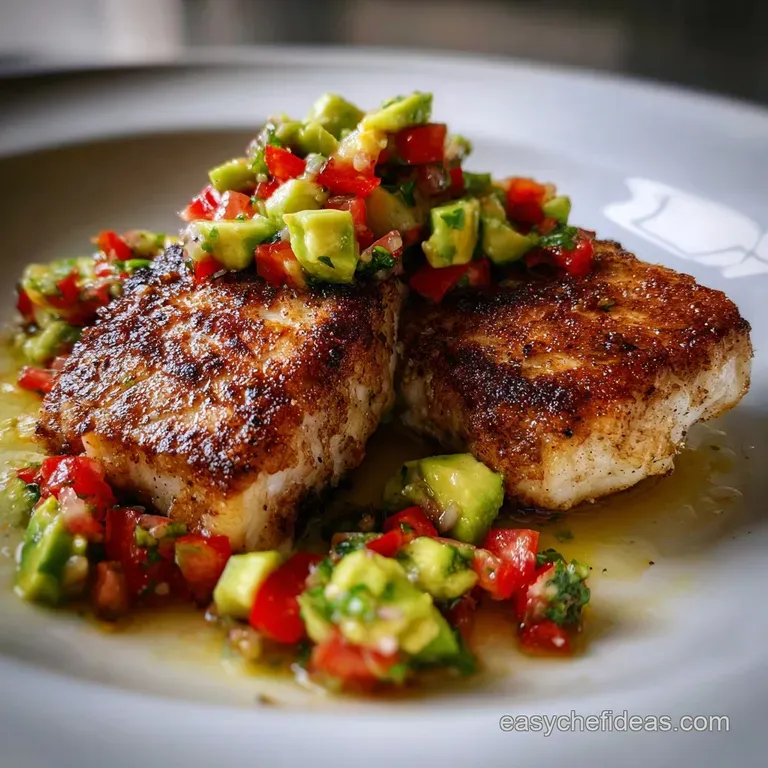
Let's walk through the steps methodically. The secret to great cooking is confidence and structure.
Preparing the Fish Fillets for Searing
After patting those Mahi Mahi fillets completely dry, season them robustly. Use slightly more salt than you think you need, especially if the fillets are thick, because much of the seasoning ends up in the pan.
We are building flavour, layer by layer, starting right here on the surface of the Mahi Mahi .
Crafting the Vibrant Lime Avocado Salsa
Remember, we are folding, not mixing vigorously. We want defined pieces of avocado, not guacamole. The goal is to keep the salsa chunky and vibrant. Taste and adjust the seasoning if it’s missing something, it's usually salt or lime juice.
The finished salsa should taste sharp and refreshing, a necessary contrast to the richness of the seared Mahi Mahi .
The Searing Process: Timing and Flip Technique
Heat that pan until it's almost smoking, then add the over high heat oil. Wait 30 seconds, then gently lay the Mahi Mahi fillets away from you to prevent splattering. The fish should sizzle immediately. Do not touch the fish for 3 minutes.
If you try to move it and it sticks, the crust hasn't formed yet leave it alone! Once the fillet is golden brown and releases easily, flip it, reduce the heat slightly, and add the butter and thyme. Baste immediately.
Final Rest and Plating Instructions
Just like steak, fish needs to rest. Pull the Mahi Mahi off the heat at 140°F (60°C). As it rests, the internal temperature will creep up to the perfect 145°F (63°C), guaranteeing that flaky, juicy result.
Resting also redistributes the moisture, meaning you lose less juice when you cut into your beautiful piece of Mahi Mahi .
Expert Kitchen Notes: Troubleshooting and Chef’s Tips for Success
We all make mistakes, but usually, they are simple fixes. Here are the common failures I've seen (and perpetrated).
Avoiding Sticking: How to Prepare Your Pan
People often use too little oil or the pan isn’t hot enough. You need enough oil (at least 2 tablespoons for 4 fillets) to coat the bottom of the pan evenly. On top of that,, the oil must be hot before the Mahi Mahi enters the pan.
If the fish is dry and the pan is hot, sticking is minimal. If your fish starts to stick, increase the heat slightly and wait 30 seconds; often, the higher heat will force the crust to finish and release.
Knowing When the Fish is Done: Internal Temperature Check
Stop guessing! An instant read thermometer is your friend here. Insert it into the thickest part of the fillet. We aim for 140°F (60°C) before resting. Visually, the fish should be opaque throughout, except for maybe a tiny sliver of translucency right in the centre before resting.
Overcooked Mahi Mahi tastes dry and lacks that delicious, buttery texture.
Salsa Prep Ahead: Maintaining Freshness and Color
If you need to make the salsa further ahead, omit the avocado and lime juice. Chop the onion, cilantro, and jalapeño, and store them in the fridge. When you are ready to serve the Mahi Mahi , dice the avocado, combine everything, and dress with lime juice.
This ensures maximum vibrancy and flavour for your accompanying salsa.
Complementary Pairings: What to Serve Alongside the Fish
Since we are leaning into tropical, zesty flavours with our seared Mahi Mahi , the sides should be simple and balancing.
Optimal Side Dishes to Enhance the Tropical Flavor
- Coconut Lime Rice: Simple basmati rice cooked with coconut milk instead of water and finished with a handful of fresh lime zest. It complements the richness of the fish and the acidity of the salsa beautifully.
- Simple Greens: A light salad dressed with a vinaigrette made from white wine vinegar and a touch of honey. Don't go heavy on creamy dressings; we want lightness.
Wine and Beverage Recommendations for White Fish
For this zesty, rich dish, look for wines with high acid and mineral notes. A crisp Sauvignon Blanc (Sancerre is truly excellent) or an un-oaked Chardonnay are perfect.
For beer drinkers, a crisp Mexican lager with a lime wedge cuts through the richness of the Mahi Mahi perfectly.
Transforming Leftovers into New Meals (Tacos, Bowls, etc.)
Leftover Mahi Mahi is rarely a problem, but if you have any, don't reheat it in the pan (it gets tough). Instead, flake it! Cold flaked Mahi Mahi is sensational in fish tacos the next day, topped with the leftover salsa.
It also works brilliantly over a cold bowl of quinoa or even stuffed into a pita sandwich with some crunchy lettuce.
Post Cook Guide: Storage, Reheating, and make-ahead Notes
Storage and Freezing
Cooked Mahi Mahi keeps wonderfully in an airtight container in the fridge for up to 3 days. I generally don't recommend freezing cooked fish because the texture suffers greatly upon thawing, often becoming watery and spongy. Stick to the fridge for optimal flavour and texture.
Reheating Safely and Effectively
To reheat, avoid the microwave at all costs it turns this glorious fish into rubber. If you must reheat the whole fillet, wrap it loosely in foil and place it in a 300°F (150°C) oven for about 8- 10 minutes, or until just warmed through.
Better yet, embrace the cold flaked fish as suggested above. It is truly the best way to enjoy leftover Mahi Mahi . This is a great, simple recipe that delivers maximum impact, friend. Enjoy!
Recipe FAQs
Why is my Mahi Mahi sticking to the pan, preventing a golden crust?
Sticking usually occurs if the pan or oil is not hot enough when the fish is introduced. Ensure your pan is screaming hot before adding the oil, and wait until the oil is shimmering right before you lay the fish down away from you.
Do not attempt to move or flip the fillet until it has naturally released from the pan, which typically happens once a solid crust has formed (about 3 4 minutes).
How can I prevent my Mahi Mahi fillets from drying out?
Mahi Mahi is a lean fish, so precision in cooking time is essential to maintain moisture. Use an instant read thermometer aiming to remove the fish just as it hits 140°F (60°C), as it will continue cooking while resting to reach the safe internal temperature of 145°F (63°C).
Basting the fish with the pan oil or melted butter during the last minute of cooking also helps keep the top surface hydrated.
Can I use a different type of fish with this pan-searing technique?
Absolutely; this high heat pan-searing method is ideal for other firm, meaty white fish species. Excellent substitutes include Halibut, Snapper, Swordfish, or thick cut Cod fillets. You may need to slightly adjust the total cooking time depending on the thickness of the chosen fillet.
How do I know when the Mahi Mahi is perfectly cooked?
The fish is fully cooked when it flakes easily when pressed gently with a fork at the thickest part and the flesh has turned completely opaque white. For safety and optimal texture, the internal temperature should register 145°F (63°C) on an instant read thermometer.
How long can I safely store leftover cooked Mahi Mahi?
Leftover cooked Mahi Mahi should be stored in an airtight container and refrigerated promptly after cooling. It will maintain its quality and safety for consumption for up to 3 to 4 days. Reheat gently in a moderate oven or skillet to prevent further drying out.
What can I substitute for avocado in the Zesty Lime Avocado Salsa?
If avocado is unavailable, you can substitute it with finely diced cucumber for a similar textural contribution and added crunch. For a sweet variation that still balances the lime, use finely diced ripe mango or papaya.
In either case, ensure the fruit/vegetable is diced small to fully integrate with the acidic dressing.
Pan Seared Mahi Mahi Golden Crust
Ingredients:
Instructions:
Nutrition Facts:
| Calories | 514 kcal |
|---|---|
| Protein | 43.2 g |
| Fat | 31.8 g |
| Carbs | 12.6 g |
