Oven-Baked Steak: Ultimate Flavor
- Time: Active 5 mins, Passive 15 mins, Total 20 mins
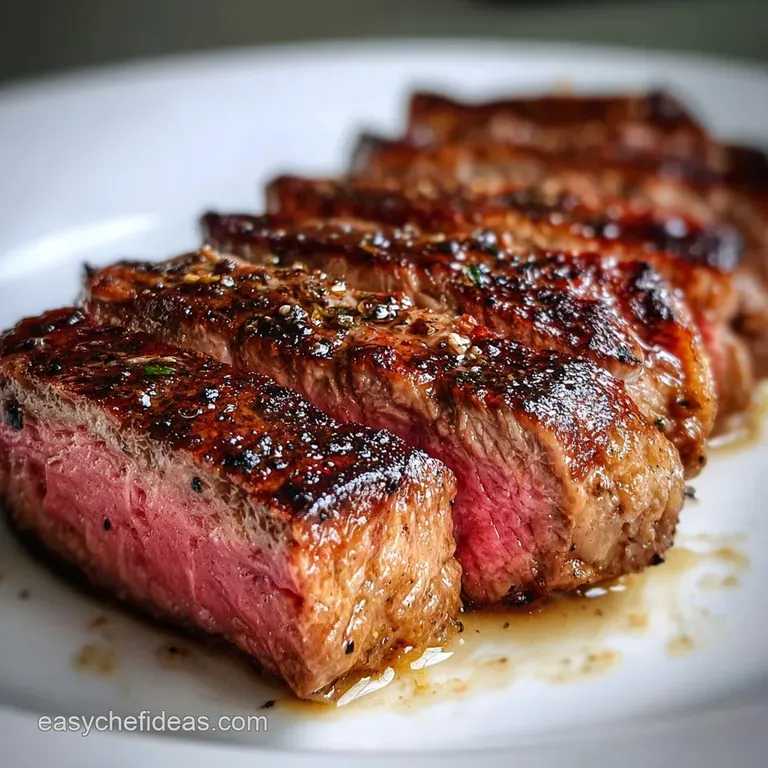
- Flavor/Texture Hook: A shatter crisp crust with a buttery, garlic infused finish
- Perfect for: Romantic date nights, celebrating community, or a rewarding weekend dinner
- Master the Art of a Juicy Oven Baked Steak
- The Logic Behind the Radiant Heat Layers
- Essential Foundational Details for Your Meal
- Components for Deep Flavor Profiles
- The Tools for Success
- Building Layers Step by Step
- Correcting Texture and Heat Issues
- Flavor Swaps and Ingredient Shifts
- Guidelines for Freshness and Scraps
- Debunking Common Kitchen Beliefs
- Visual Appeal for the Table
- Critical in Sodium
- Recipe FAQs
- 📝 Recipe Card
Master the Art of a Juicy Oven Baked Steak
The sizzle of a cold steak hitting a ripping hot cast iron skillet is a sound that instantly brings my family to the kitchen. I remember the first time I tried this; I was terrified of ruining two beautiful ribeyes, but the aroma of rendering fat and toasted rosemary quickly filled the air, promising something special.
There is a deep sense of culture and community in sharing a perfectly cooked piece of meat, a ritual of nourishment that transcends a simple weeknight meal.
We often think that a great crust requires a smoky outdoor grill or a professional kitchen setup, but that is simply a myth. I have made my share of grey, rubbery mistakes in the past, but through those failures, I discovered that the oven is actually a superior tool for precision.
It surrounds the meat with even, dry heat, allowing us to hit that target internal temperature with far more accuracy than an open flame ever could.
This recipe is about more than just food; it is about the layers of flavor we build from the very first pinch of salt to the final gloss of lemon zest butter. You are going to learn how to manipulate heat and moisture to create a contrast between a dark, savory exterior and a silky, tender center.
It's a reliable, approachable technique that will make you feel like a pro every single time you slide that pan into the heat.
The Logic Behind the Radiant Heat Layers
Thermal Momentum: The heavy pan acts as a heat battery, transferring energy directly into the meat fibers to trigger the Maillard reaction instantly. This creates a complex brown crust without overcooking the delicate interior through prolonged exposure to direct flame.
Evaporative Drying: High velocity oven air quickly evaporates surface moisture, which is the enemy of a good sear. By removing this "water barrier," the surface temperature of the steak can rise above 300°F, where those deep, savory flavor compounds are born.
| Thickness | Internal Temp | Rest Time | Visual Cue |
|---|---|---|---|
| 1 inch | 135°F (Med Rare) | 5 mins | Warm red center, firming edges |
| 1.25 inches | 145°F (Medium) | 7 mins | Pink center, clear juices |
| 1.5 inches | 155°F (Med Well) | 8 mins | Pale pink center, very firm |
Understanding the relationship between the thickness of your meat and the heat of your oven is the first step toward consistency. A thicker cut needs a slightly longer rest to allow the internal juices to redistribute, ensuring that every bite is just as succulent as the last.
Essential Foundational Details for Your Meal
When we talk about how to cook steak in the oven, we are focusing on a method that prioritizes the integrity of the protein. Choosing a ribeye steak in the oven is a classic choice because the high fat content creates a built in basting system as it melts.
However, a lean sirloin works beautifully too, provided you don't skip the butter finish to add back that necessary richness.
To get the best results, your steak in the oven temperature needs to be high we are looking for a true "blast roast" environment. This isn't a slow and low process; it is a high energy transfer that requires a bit of courage when you see that first puff of steam.
By keeping the prep time short and the focus on quality ingredients, we honor the ingredients that nourish our bodies.
Heat Conduction via Cast Iron
The pan you choose is just as important as the meat itself. A heavy cast iron skillet or a thick stainless steel pan is essential because it holds onto heat even when a cold steak is placed on it. This prevents the temperature from dipping, which would lead to the meat steaming in its own juices rather than searing.
Consistency Over Open Flames
Using the oven provides a controlled environment free from the flare ups and hot spots of a grill. This level of consistency is what allows you to achieve a repeatable steak in the oven medium rare result every time you cook.
It’s about taking the guesswork out of the process so you can focus on the people at your table.
Shattering Crust Without Broiling
While many recipes rely on a broiler, our method uses a preheated pan and high ambient heat to create a "shatter" effect on the crust. This ensures the exterior is deeply browned and flavorful without the risk of burning the surface before the middle is ready.
Components for Deep Flavor Profiles
| Ingredient | Science Role | Pro Secret |
|---|---|---|
| Kosher Salt | Protein Denaturant | Apply 45 mins early to draw out and reabsorb moisture |
| Avocado Oil | High Smoke Point | Prevents acrid, burnt flavors at 450°F+ temperatures |
| Unsalted Butter | Emulsification | Add at the end to avoid burning the milk solids |
| Lemon Zest | Acid Balance | Cuts through heavy fats to brighten the overall palate |
Choosing the right elements is the alchemy of a great meal. For another layer of depth, you might consider pairing this with a Velvety Homemade Mushroom recipe which complements the earthy tones of the beef beautifully.
- 2 (12 oz) boneless sirloin or ribeye steaks (1.25 inches thick): The star of the show. Why this? Thick cuts allow for a better crust to interior ratio without overcooking.
- Substitute: New York Strip. Same texture and fat distribution.
- 1 tbsp avocado oil: Our over high heat conduit. Why this? It stays stable at high temps where olive oil would smoke and turn bitter.
- Substitute: Grapeseed oil. It also has a high smoke point and neutral flavor.
- 2 tsp coarse kosher salt: Essential for seasoning and texture. Why this? Larger grains are easier to distribute evenly than fine table salt.
- Substitute: Sea salt flakes. Provides a similar crunch and clean saltiness.
- 1 tsp cracked black pepper: Adds a floral, spicy bite. Why this? Freshly cracked pepper has much more oils and aroma than pre ground.
- Substitute: White pepper. Offers a more fermented, funky heat profile.
- 2 tbsp unsalted butter, softened: For that velvety finish. Why this? Allows us to control the salt level of the final herb butter.
- Substitute: Ghee. Higher smoke point and deep nutty flavor, dairy-free friendly.
- 1 clove garlic, minced: Provides a sharp, savory aromatic base. Why this? Garlic and beef are a timeless, soul satisfying combination.
- Substitute: Garlic powder. Use 1/4 tsp if you want a more subtle, integrated flavor.
- 1 tsp fresh rosemary or thyme: Earthy, woodsy herb notes. Why this? These hardy herbs hold up well to the intense heat of the pan.
- Substitute: Dried oregano. Use half the amount for a Mediterranean twist.
- 0.5 tsp lemon zest: The secret brightness. Why this? The citric acid balances the richness of the rendered beef fat.
- Substitute: A drop of balsamic vinegar. Adds a touch of sweetness and acidity.
The Tools for Success
You don't need a kitchen full of gadgets, but a few specific items will make your life much easier. A heavy 12 inch cast iron skillet is the gold standard here. If you don't have one, a heavy bottomed stainless steel pan will work, but avoid non stick surfaces as they cannot handle the high temperatures required for this oven baked steak.
An instant read meat thermometer is your best friend. It’s the difference between a stressful "is it done yet?" and a confident "it's perfect." Also, keep some sturdy metal tongs and a small mixing bowl for the herb butter nearby.
Having your tools organized is part of the mindfulness of cooking, ensuring a smooth transition from the stove to the table.
Building Layers step-by-step
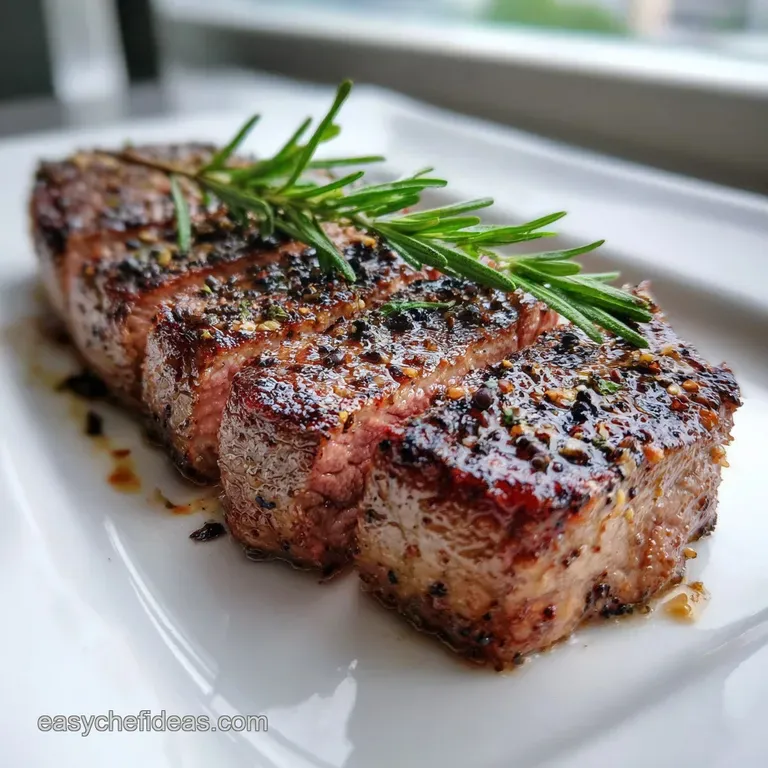
- Preheat the skillet. Place your cast iron pan in the oven and set it to 450°F. Note: Heating the pan with the oven ensures a massive heat reservoir for the sear.
- Dry the meat. Pat the 2 (12 oz) boneless steaks completely dry with paper towels. Note: Any surface moisture will turn to steam and prevent the crust from forming.
- Season aggressively. Rub the steaks with 1 tbsp avocado oil, then coat all sides with 2 tsp salt and 1 tsp pepper.
- Prepare finishing butter. In a small bowl, mash 2 tbsp softened butter with 1 clove minced garlic, 1 tsp herbs, and 0.5 tsp lemon zest.
- Start the sear. Carefully remove the hot skillet from the oven and place it on a burner over high heat.
- Place the steaks. Lay the steaks into the pan until they hiss and sizzle loudly. Note: Lay them away from you to avoid oil splatters.
- Transfer to heat. Immediately move the skillet back into the oven for 4 to 6 minutes.
- Flip and roast. Flip the steaks and continue cooking for another 4 to 6 minutes until the internal temperature reaches 135°F for medium rare.
- Apply the butter. Remove the pan from the heat and immediately dollop the herb butter over the top of the hot steaks.
- The essential rest. Move the steaks to a cutting board and let them sit for at least 5 minutes until the juices have retreated into the fibers.
Correcting Texture and Heat Issues
Even with a solid plan, things can go sideways. If your kitchen starts looking like a London fog, your oil might have reached its breaking point, or there was too much moisture on the steak. Don't panic; just adjust your ventilation and keep moving. If you find yourself wanting a different protein experience entirely, you might enjoy my Oven Baked Beef recipe which uses a slower, more tenderizing approach.
Fixing Grey or Steamed Meat
If your steak looks grey instead of brown, the pan wasn't hot enough or you crowded the skillet. The moisture released by the meat couldn't evaporate fast enough, so it boiled the exterior. To fix this next time, ensure your pan is in the oven for at least 20 minutes before adding the meat.
Rescuing Underdone Steak Centers
If you cut into your steak and it's too rare for your liking, don't put the whole steak back in. Slice it first, then lay the slices back into the warm (not hot) pan for 30 seconds. This gently warms the center without ruining the crust you worked so hard to build.
Checking Doneness Without Tools
While a thermometer is best, you can use the "finger test" by comparing the firmness of the meat to the fleshy part of your palm. However, this takes practice. For a beginner, looking for the first signs of clear juice beading on the surface is a good visual indicator that you are approaching medium.
| Problem | Root Cause | Solution |
|---|---|---|
| Burnt Garlic | Added too early | Only add garlic butter during the final resting stage |
| Tough Texture | No resting period | Always wait 5-10 mins before slicing to retain moisture |
| Bitter Crust | Burnt oil/pepper | Use avocado oil and avoid pre ground pepper which burns easily |
Common Mistakes Checklist
- ✓ Never use cold meat; let it sit at room temp for 30 minutes before cooking.
- ✓ Ensure the oven is fully preheated; the pan needs that stored energy.
- ✓ Don't use olive oil; its low smoke point will create a bitter flavor.
- ✓ Pat the steak dry multiple times; "bone dry" is the goal for a crust.
- ✓ Resist the urge to peek; every time you open the oven, heat escapes.
Flavor Swaps and Ingredient Shifts
The beauty of this method is its versatility. You can take the base technique and adapt it to whatever ingredients you have in your pantry or whatever culture's flavors you're craving tonight. If you're looking for a more traditional condiment, you can't go wrong with The Butchers Rich recipe for a classic tangy finish.
- If you want a smokier profile, swap the kosher salt for smoked Maldon sea salt.
- If you want a spicy kick, add a pinch of red pepper flakes to your finishing butter.
- If you want an umami bomb, stir 1 tsp of miso paste into the butter instead of lemon zest.
Scaling this recipe is straightforward. If you are cooking for a larger crowd (up to 4 people), use two skillets or a very large roasting pan, but ensure you don't overcrowd them. If you are scaling down to just one person, the cook time remains the same, but you can reduce the butter and seasoning by half.
When doubling, remember that the "steak in the oven time" might increase by 1-2 minutes because the extra cold meat will pull more heat from the oven's air.
Guidelines for Freshness and Scraps
Storage: You can keep cooked steak in the fridge for up to 3 days. Wrap it tightly in foil or place it in an airtight container to prevent it from drying out. When reheating, do it gently in a 300°F oven with a splash of beef broth to keep it moist.
Freezing: I don't usually recommend freezing cooked steak as the texture can become grainy, but if you must, it will last for 2 months. Thaw it completely in the fridge before attempting to reheat.
Zero Waste: Don't you dare throw away those steak trimmings or the leftover herb butter! The fat trimmings can be rendered down in a pan to make "beef tallow" for frying potatoes the next morning.
Leftover steak is the absolute king of breakfast hashes or can be thinly sliced for a cold steak salad with a balsamic vinaigrette. Even the rosemary stems can be tossed into a stock pot for a fragrant soup base.
Debunking Common Kitchen Beliefs
One of the biggest myths in the culinary world is that you must "sear the meat to seal in the juices." In reality, searing does nothing to stop moisture loss; its only job is to create flavor through the Maillard reaction.
Moisture is actually retained through proper internal temperature management and, most importantly, the resting period.
Another common misconception is that you should only flip a steak once. Scientific testing has shown that flipping more frequently actually helps the meat cook more evenly and prevents a "grey band" from forming under the crust.
While our oven method relies on a single flip for convenience, don't be afraid to move that meat if you see one side browning faster than the other.
Visual Appeal for the Table
Presentation is the final layer of nourishment. I love to slice the steak against the grain into thick, 1/2 inch strips and fan them out on a warm platter. This reveals that beautiful pink interior and makes it easier for everyone to serve themselves.
Pour the melted herb butter directly over the slices so it pools in the crevices of the meat. A final sprinkle of coarse sea salt and a few fresh sprigs of thyme on the side make the dish look as good as it tastes.
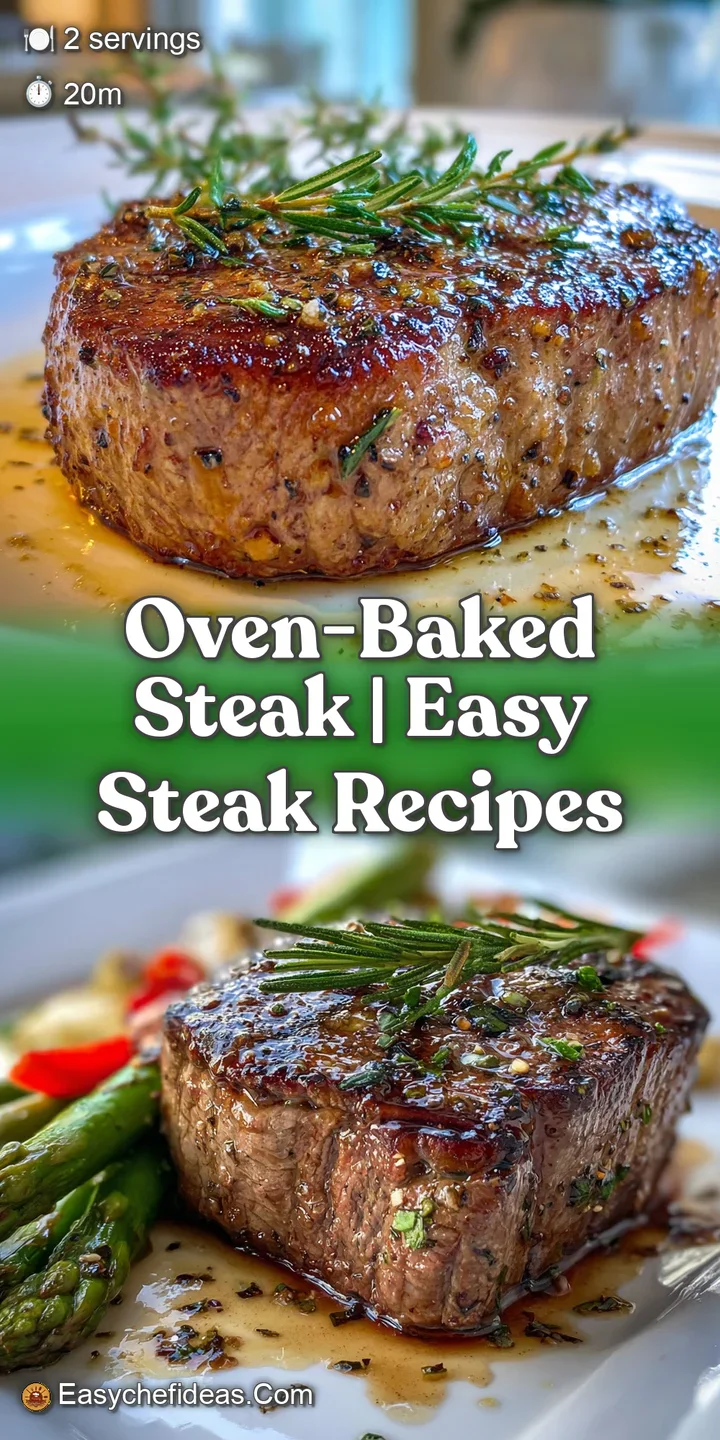
Remember, we eat with our eyes first, and taking an extra minute to plate with intention shows your community that you care about the experience as much as the fuel. This easy steak in the oven technique proves that you don't need a fancy setup to create a meal that feels like a celebration.
Critical in Sodium
2315 mg mg of sodium per serving (101% % of daily value)
The American Heart Association recommends limiting sodium intake to about 2,300mg per day for optimal health.
Sodium Reduction Tips for Your Steak Recipe
-
Reduce Salt by Half-25%
Instead of 2 teaspoons of coarse kosher salt, use only 1 teaspoon. This significantly reduces sodium without sacrificing too much flavor. Consider using a salt grinder to achieve a finer grind, increasing perceived saltiness.
-
Unsalted Butter Swap-10%
Ensure you are using truly unsalted butter. Sometimes, even butter labeled 'lightly salted' can contribute to sodium levels. Double check the nutrition label.
-
Zest Wisely-5%
While lemon zest adds flavor, use it sparingly, and be mindful of the amount. A little goes a long way in enhancing the taste profile without needing excessive sodium.
-
Herbs and Spices
Experiment with a variety of fresh herbs and spices like smoked paprika, garlic powder (ensure it’s not garlic salt!), onion powder, or chili powder to enhance the flavor of your steak without adding sodium.
Recipe FAQs
How long does it take to cook a steak in the oven?
About 10-12 minutes of oven time for a 1.25 inch thick steak. This includes initial searing time on the stovetop before transferring to the oven. Adjust time based on thickness and desired doneness, always using a meat thermometer for accuracy.
Is it better to cook steak at 350 or 400 degrees Fahrenheit?
400°F or higher is generally better for oven baked steak. This high heat promotes a better sear and helps achieve a delicious crust quickly without overcooking the interior. A lower temperature like 350°F is more suited for slower roasts, not steak.
What is the 3-3-3 rule for steak?
The 3-3-3 rule is a popular guideline for achieving medium rare doneness with pan-seared steaks. It typically involves searing for 3 minutes per side, then cooking in a preheated oven at 400°F for 3 minutes, and finally resting for 3 minutes.
This rule is a starting point and may need adjustment based on steak thickness.
Can I put steak in the oven without searing?
Yes, you can cook steak in the oven without searing, but you'll miss out on significant flavor and texture. Searing creates the Maillard reaction, developing a rich, brown crust. Without it, your steak will likely be less flavorful and have a more uniform, less appealing color.
What is the best internal temperature for oven baked steak?
For medium rare, aim for an internal temperature of 135°F. Other desired temperatures include 145°F for medium and 155°F for medium well. Always remove the steak from the heat a few degrees before your target temperature, as it will continue to cook while resting.
If you're mastering thermal control here, apply those same principles to our Roast Chicken recipe for perfect results.
How do I prevent my oven baked steak from drying out?
Proper resting is key to preventing a dry steak. After cooking, let the steak rest for at least 5-10 minutes before slicing. This allows the juices to redistribute throughout the meat. Also, avoid overcooking it beyond your desired doneness.
What are good side dishes for oven baked steak?
Classic pairings like mashed potatoes or roasted vegetables are excellent. For a restaurant quality meal at home, consider homemade chips or a rich gravy. My recipe for Proper Pub-Style Homemade Chips: Crispy Perfection! complements the steak beautifully.
Oven Baked Steak
Ingredients:
Instructions:
Nutrition Facts:
| Calories | 992 kcal |
|---|---|
| Protein | 72 g |
| Fat | 76 g |
| Carbs | 1.2 g |
| Fiber | 0.3 g |
| Sugar | 0.1 g |
| Sodium | 2315 mg |
