Oven Baked Chicken Thighs: Crispy

- Time: Active 10 minutes, Passive 35 minutes, Total 45 minutes
- Flavor/Texture Hook: Shatter crisp skin with smoky earthy undertones
- Perfect for: Stress free weeknight dinner or meal prep beginners
- Mastering These Oven Baked Chicken Thighs
- Key Techniques for Juicy Results
- Essential Specs for Success
- Selecting Quality Ingredients
- Tools for Better Cooking
- Clear Step-By-Step Instructions
- Troubleshooting Common Errors
- Scaling for Different Crowds
- Debunking Traditional Kitchen Myths
- Storage and Zero Waste
- Flavorful Sides for Serving
- High in Sodium
- Recipe FAQs
- 📝 Recipe Card
Mastering These Oven Baked Chicken Thighs
Imagine walking through your front door and being hit with the scent of smoky paprika and roasted garlic. There’s a specific sizzle you only hear when chicken skin is transforming from flabby to glass like in the oven.
For a long time, I struggled with "gray meat syndrome" that sad, boiled looking chicken that lacks soul. I realized the secret wasn’t some fancy gadget, but how we handle the moisture and heat.
We’re going for a dish that celebrates culinary diversity through simple pantry staples. This isn't just about food; it's about the culture of sharing a warm, nourishing meal that feels like a hug.
Whether you’re cooking for your community or just yourself, these thighs are the reliable friend you need in the kitchen.
Trust me, once you hear that first crunch, you’ll never go back to boneless breasts. We’re leaning into the rich fat content of the thigh, which naturally bastes the meat from the inside out. Let’s get into the nitty gritty of how to make this work every single time.
Key Techniques for Juicy Results
The most important thing I’ve learned is that "wet is the enemy of crisp." If your chicken goes into the oven damp, it steams instead of roasts. I always spend an extra minute with paper towels, patting every nook and cranny dry.
It feels tedious, but it’s the difference between rubbery skin and something truly magnificent.
Another trick is the "air gap" method. If you crowd the pan, the moisture released from one thigh just soggs up the neighbor. Give them space to breathe. You want the hot air to swirl around each piece like a convection current, sealing in those juices.
The Science of Why it Works
Maillard Reaction: High heat triggers a chemical reaction between amino acids and reducing sugars, creating that deep brown color and complex savory flavor. Thermal Insulation: The bone acts as a heat conductor that cooks the meat from the inside while protecting the delicate proteins from over tightening.
| Thickness | Internal Temp | Rest Time | Visual Cue |
|---|---|---|---|
| 1.5 inch | 165°F (74°C) | 5 mins | Juices run clear |
| 2 inch | 165°F (74°C) | 7 mins | Skin is golden brown |
| 2.5 inch | 165°F (74°C) | 10 mins | Bone pulls away slightly |
Giving the meat a proper rest is non negotiable. When the chicken is in the oven, the fibers tighten and push juices toward the center. If you cut it immediately, all that liquid runs out onto the board. Waiting a few minutes lets those fibers relax and reabsorb the moisture, keeping every bite silky.
Essential Specs for Success
When we talk about nourishing our bodies, the quality of the cut matters. I prefer bone in, skin on thighs because they are more forgiving. You can accidentally overcook them by five minutes and they’ll still be juicy, unlike the lean breast meat used in my Classic Chicken Parmigiana recipe.
Below is a breakdown of why these specific components matter. We aren't just throwing spices in a bowl; we’re building a flavor profile that balances the richness of the fat with the brightness of the herbs.
| Component | Science Role | Pro Secret |
|---|---|---|
| Smoked Paprika | Adds phenols for "fire roasted" flavor | Bloom it in the oil first for intensity |
| Sea Salt | Denatures proteins to hold moisture | Use coarse flakes for better skin texture |
| Olive Oil | Conducts heat evenly across the skin | Rub under the skin for extra moisture |
These elements work together to create a barrier. The oil and spices form a crust that prevents the interior from drying out while the oven's dry heat works its magic on the exterior. It's a beautiful bit of thermodynamics happening right in your kitchen.
Selecting Quality Ingredients
For this recipe, we are using about 1.1 kg (2.5 lbs) of chicken. This usually equates to 4 to 6 thighs depending on the size of the bird. I always look for skin that isn't torn, as the skin acts as a protective blanket during the roasting process.
- 2.5 lbs (1.1 kg) bone in, skin on chicken thighs: Why this? The bone adds flavor and prevents the meat from drying out during over high heat baking. (Substitute: Boneless thighs, but reduce cook time by 10 minutes)
- 2 tbsp extra virgin olive oil: Why this? Helps the spices adhere and promotes even browning of the skin. (Substitute: Avocado oil)
- 1 tbsp smoked paprika: Why this? Provides a deep, earthy color and a hint of backyard BBQ flavor. (Substitute: Sweet paprika for less smoke)
- 1 tsp garlic powder: Why this? Distributes more evenly than fresh garlic, which can burn at high temps. (Substitute: Granulated garlic)
- 1 tsp onion powder: Why this? Adds a savory, foundational "umami" sweetness to the rub. (Substitute: Shallot powder)
- 1 tsp dried oregano: Why this? Offers an earthy, floral contrast to the heavy fats. (Substitute: Dried thyme)
- 1.5 tsp sea salt: Why this? Essential for drawing out moisture from the skin to get it crispy. (Substitute: Kosher salt)
- 0.5 tsp cracked black pepper: Why this? Adds a sharp, pungent bite to balance the richness. (Substitute: White pepper)
- 0.25 tsp cayenne pepper: Why this? Just enough heat to wake up the palate without over spicing. (Substitute: Red pepper flakes)
Chef's Tip: If you have 10 extra minutes, let the seasoned chicken sit on the counter before putting it in the oven. This takes the chill off the meat, ensuring the center reaches the safe temperature at the same time the skin reaches its peak crunch.
Tools for Better Cooking
You don't need a professional kitchen, but a few specific items make a world of difference. I personally love using a heavy cast iron skillet. It holds heat like a champion and gives the bottom of the thighs a lovely sear while the top roasts. If you don't have one, a sturdy rimmed baking sheet works perfectly.
If you are using a baking sheet, consider a wire rack. Elevating the chicken allows the hot air to circulate underneath, which is the ultimate secret to avoiding "soggy bottom" chicken. It's the same logic used in this How to Bake recipe for consistent results.
| Item | Best Choice | Why It Matters |
|---|---|---|
| Baking Surface | Cast Iron Skillet | Retains heat for a better bottom crust |
| Meat Thermometer | Digital Instant Read | Takes the guesswork out of doneness |
| Prep Tool | Paper Towels | Essential for drying skin to ensure crispness |
Clear step-by-step Instructions
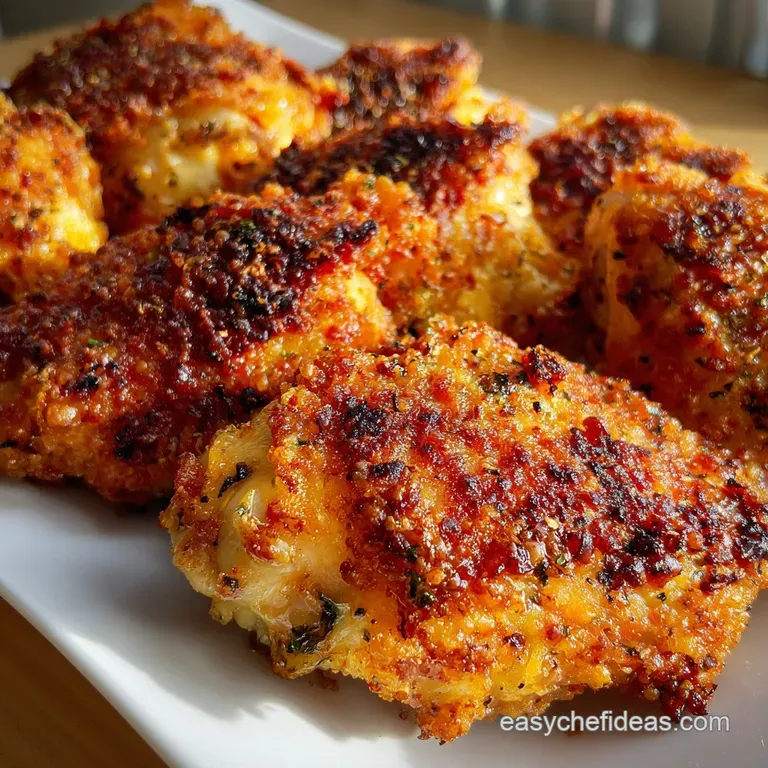
- Preheat the oven to 400°F (200°C). Note: A hot oven is crucial for immediate fat rendering.
- Pat the chicken thighs dry. Use multiple paper towels until the skin feels tacky, not slippery.
- Mix the dry rub. Combine the smoked paprika, garlic powder, onion powder, oregano, salt, black pepper, and cayenne in a small bowl.
- Coat with oil. Drizzle the olive oil over the chicken, making sure to get some under the skin if possible.
- Apply the seasoning. Sprinkle the spice mix generously over both sides of the thighs, pressing it into the skin. Ensure every inch is covered for uniform flavor.
- Arrange on the pan. Place thighs skin side up, leaving at least 2 centimeters of space between each piece.
- Roast for 35 minutes. Bake until the skin is dark golden and the edges are crackling.
- Check internal temperature. Use a thermometer to ensure the thickest part reaches 165°F (74°C).
- Rest the meat. Move the chicken to a clean plate or cutting board and wait for 5 minutes. This allows the juices to redistribute through the fibers.
- Serve immediately. Pour any juices from the pan over the meat for an extra hit of savory goodness.
Troubleshooting Common Errors
Even with a simple recipe, things can go sideways. The most common complaint is skin that looks cooked but feels like wet leather. This usually happens because of trapped steam or insufficient heat.
Why Skin Stays Rubbery
If your skin isn't "shattering" when you bite into it, the fat didn't have enough time or heat to render out. Rendering is the process of melting the fat and evaporating the water. If the oven isn't hot enough, the skin just sits in its own moisture.
| Problem | Root Cause | Solution |
|---|---|---|
| Skin is pale | Oven temp too low | Increase heat to 425°F for the last 5 mins |
| Meat is dry | Overcooking | Pull at 160°F; carryover heat hits 165°F |
| Spices are burnt | Too much sugar in rub | Ensure rub is sugar-free for over high heat roasting |
Common Mistakes Checklist
- ✓ Skipping the drying step (steam is the enemy of crisp)
- ✓ Overcrowding the pan (this creates a "sauna" effect)
- ✓ Peeking too often (opening the door drops the temp by 25 degrees)
- ✓ Forgetting to rest (all those precious juices will end up on the plate)
- ✓ Using cold chicken (straight from the fridge leads to uneven cooking)
Scaling for Different Crowds
When I’m cooking for a neighborhood potluck, I often double this recipe. Because chicken thighs are naturally fatty, they hold up incredibly well in large batches. However, you can't just throw 5 kg of chicken on one tray.
Scaling Up (2x or 4x): When doubling, use two separate baking sheets. If you stack them, swap the top and bottom racks halfway through the cooking time. The top rack usually runs hotter, and you want uniform browning across all pieces.
Also, don't double the salt exactly; start with 1.5x and taste a small bit of the rub first.
Scaling Down (1/2): If you're just cooking for one or two, use a small toaster oven pan or a 20 cm cast iron skillet. The cook time remains mostly the same, but check the temperature at the 25 minute mark since smaller pans can sometimes heat up faster.
| Method | Time | Texture | Best For |
|---|---|---|---|
| Standard Oven | 35 mins | Evenly crispy | Families |
| Air Fryer | 22 mins | Extra crunchy | Quick lunch |
| Convection | 30 mins | Most uniform | Large batches |
Debunking Traditional Kitchen Myths
One of the biggest myths I hear is that you must "sear the meat to seal in the juices." Science tells us that searing actually causes moisture loss through evaporation. The real reason we sear (or roast at high heat) is for the flavor development of the Maillard reaction.
The juices stay inside because of the bone and the resting period, not the crust.
Another common misconception is that you should wash your chicken. Please, don't! Washing raw poultry just splashes bacteria around your sink and counters. The high heat of a 400°F oven is what actually makes the food safe to eat. Keep the chicken dry and your kitchen clean.
Storage and Zero Waste
Leftover chicken thighs are a gift to your future self. I love shredding the cold meat into a salad or tucking it into a wrap for a nourishing lunch. It stays moist much longer than breast meat does.
- Storage: Keep in an airtight container in the fridge for up to 4 days.
- Freezing: You can freeze cooked thighs for up to 3 months. Thaw in the fridge overnight before reheating.
- Reheating: Avoid the microwave if you want to keep the skin crisp. Put them back in the oven or an air fryer at 350°F (175°C) for about 10 minutes.
- Zero Waste: Don't throw away those bones! Toss them into a freezer bag. Once you have a few pounds of them, simmer them with veggie scraps to make a rich, liquid gold chicken stock. Even the rendered fat in the pan (liquid gold!) can be saved to roast potatoes the next day.
Flavorful Sides for Serving
Since these thighs have a smoky, earthy profile, I like to pair them with something bright or creamy. A simple mash of root vegetables provides a velvety contrast to the crunch of the skin.
If you want a full sheet pan experience, toss some halved Brussels sprouts or baby potatoes in the same rub and roast them right alongside the chicken.
The contrast of a crisp green salad with a lemon vinaigrette also works wonders to cut through the richness of the dark meat. It nourishes the soul and the body at the same time, creating a complete, balanced meal that feels like a celebration of good ingredients and better company.
For more comfort food ideas, check out our other guides for simple, home cooked wins.

High in Sodium
968 mg of sodium per serving (42% of daily value)
The American Heart Association recommends limiting sodium intake to no more than 2,300mg per day for overall cardiovascular health.
Sodium Reduction Tips for Your Chicken Thighs Recipe
-
Reduce Sea Salt-25%
Cut back on the sea salt by half, reducing the amount from 1.5 tsp to 0.75 tsp. This can significantly lower the sodium content without drastically affecting the flavor.
-
Fresh Herbs
Enhance the flavor by adding fresh herbs like rosemary, thyme, or parsley. These herbs are sodium free and add depth to the dish.
-
Adjust Spices-5%
Consider reducing the smoked paprika to 0.5 tbsp and adjust the cayenne pepper to taste. Experiment with other spices like cumin or coriander for a different flavor profile. These spices naturally enhance flavor without adding sodium.
-
Acidic Boost-5%
Adding a squeeze of fresh lemon or lime juice after cooking can brighten the flavor and reduce the need for salt. A little acidity can go a long way in making the dish more flavorful without relying on sodium.
Recipe FAQs
Is it better to bake bone-in chicken thighs at 350 or 400 degrees?
400°F is generally better for crispier skin. While 350°F will cook the chicken through, 400°F allows the fat to render more effectively, leading to a shatteringly crisp skin and juicy interior.
If you're worried about overcooking, you can always finish at a slightly lower temperature or use a thermometer.
How long do you cook chicken thighs in the oven for?
Typically 30-40 minutes at 400°F. The exact time depends on the size of the thighs and your oven. Always check the internal temperature; they're done when they reach 165°F (74°C) in the thickest part.
How long does a chicken thigh take at 400 degrees?
Around 30-40 minutes. This range ensures the skin gets nice and crispy while the meat cooks through to a safe temperature. Larger thighs might take closer to 40 minutes, while smaller ones might be done closer to 30.
Should I cover my chicken thighs when I bake them in the oven?
No, do not cover them if you want crispy skin. Covering traps steam, which will result in soggy skin rather than the desirable crispiness. Baking uncovered allows the hot air to circulate and crisp up the skin beautifully.
How do I get my oven baked chicken thigh skin extra crispy?
Pat the skin thoroughly dry and bake uncovered at a high temperature (400°F or more). Ensure there's space between the thighs on the baking sheet so air can circulate. If needed, you can finish under the broiler for the last minute or two, watching closely to prevent burning.
Can I bake boneless, skinless chicken thighs?
Yes, but adjust the cooking time and expect a different texture. Boneless, skinless thighs cook faster, usually in about 20-25 minutes at 400°F, as they lack the fat and bone to insulate them. The skinless version will also be less juicy and lack that crispy element.
Why are my baked chicken thighs dry?
Dryness usually comes from overcooking or not resting the meat. Chicken thighs are forgiving, but even they can dry out if baked too long past the safe internal temperature of 165°F (74°C).
Always use a meat thermometer, and let the chicken rest for 5-10 minutes after baking before cutting into it.
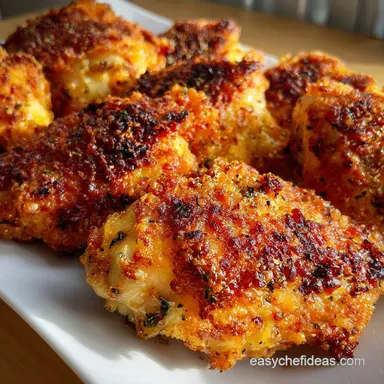
Oven Baked Chicken Thighs
Ingredients:
Instructions:
Nutrition Facts:
| Calories | 512 kcal |
|---|---|
| Protein | 42.6 g |
| Fat | 35.8 g |
| Carbs | 3.2 g |
| Fiber | 0.9 g |
| Sugar | 0.4 g |
| Sodium | 968 mg |
