One-Pot Lasagna Soup: Velvety and Comforting
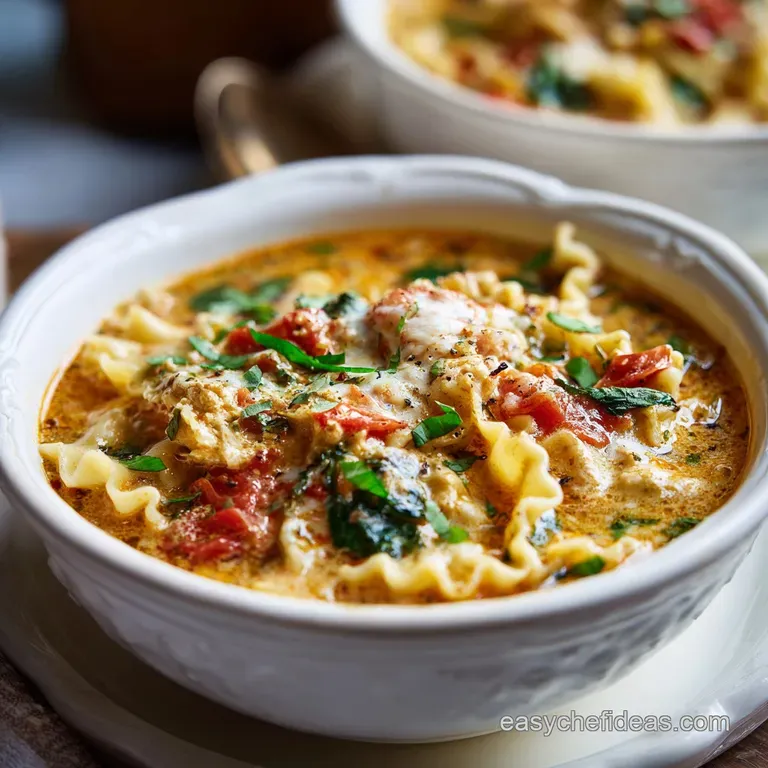
- Time: Active 15 minutes, Passive 25 minutes, Total 40 minutes
- Flavor/Texture Hook: A velvety, herb infused tomato broth topped with a molten three cheese cloud.
- Perfect for: Busy weeknights when you need a wholesome, big batch hug in a bowl.
- Why This Vibrant Lasagna Soup Recipe Redefines Easy Weeknight Comfort
- The Secret Architecture Behind This Effortless One Pot Wonder
- The Essential Components That Make This Soup Recipe Sing
- Gathering Your Tools for a Seamless Cooking Experience
- How to Execute the Ultimate Lasagna Soup Recipe
- Avoiding Common Pitfalls and Troubleshooting Your Soup
- Adjusting the Yield for Any Size Crowd
- Creative Twists on the Classic Flavor Profile
- Proper Storage and Reducing Kitchen Waste
- The Best Ways to Serve and Enjoy Your Creation
- Very High in Sodium
- Recipe FAQs
- 📝 Recipe Card
Why This Vibrant Lasagna Soup Recipe Redefines Easy Weeknight Comfort
The air in my kitchen currently smells like a Neapolitan Sunday afternoon, and honestly, it’s the best kind of therapy. There is something about the sizzle of savory protein hitting a hot Dutch oven that feels like a promise of a good night.
I remember the first time I attempted a traditional lasagna; I was twenty two, standing in a tiny apartment kitchen, surrounded by floury countertops and enough dirty dishes to stock a restaurant. It took five hours, and by the time we sat down to eat, I was too exhausted to enjoy the first bite.
That’s when the idea of a deconstructed version a lasagna soup recipe started to feel less like a "shortcut" and more like a stroke of culinary genius.
This dish has roots that stretch back to the comfort focused kitchens of Italy, where "pasta e fagioli" or "minestrone" showed us that pasta and broth are soulmates. While traditional lasagna is a masterpiece of layering from the Emilia Romagna region, this soup version is a modern evolution of that same spirit.
It’s for the nights when you crave those specific, nostalgic notes of basil, oregano, and molten cheese but don't want to spend your entire evening washing lasagna pans. It’s about taking those wholesome, vibrant ingredients and letting them mingle in one pot until they transform into something better than the sum of their parts.
We’re not just making a quick lasagna soup; we’re creating a layered experience. You’ll get that silky texture from the noodles, the deep umami from the tomato paste, and that bright, fresh punch from the torn basil at the end.
It’s a meal that feels intentional and nurtured, even if it only took you forty minutes from start to finish. Trust me, once you see how that three cheese garnish melts into the herb flecked broth, creating a velvety emulsion as you swirl your spoon, you’ll never look at a box of lasagna noodles the same way again.
The Secret Architecture Behind This Effortless One Pot Wonder
Understanding what happens inside that pot is the difference between a thin, watery liquid and a rich, luxurious broth. When we cook, we aren't just heating ingredients; we are managing starch, fat, and acidity to create a balanced masterpiece.
This recipe relies on a few key transitions that turn simple pantry staples into a restaurant quality meal.
- The Fond Foundation: Searing the protein crumbles creates caramelized bits on the bottom of the pot, providing a concentrated savory base that flavors the entire liquid.
- Starch Emulsification: Cooking the broken noodles directly in the broth releases natural starches that thicken the liquid, giving it a velvety body without needing heavy cream.
- Aromatic Blooming: Frying the dried herbs and tomato paste in the rendered fat wakes up the essential oils, ensuring the flavor is deeply integrated rather than just floating on top.
- The Temperature Melt: Placing a cold cheese dollop into the boiling broth creates a temperature contrast that allows the cheese to soften and stretch without becoming a single rubbery clump.
| Method | Time | Texture | Best For |
|---|---|---|---|
| Stovetop | 40 minutes | Bright, al dente noodles | Quick weeknight dinners |
| Slow Cooker | 6 hours | Deeply developed, soft noodles | Hands off meal prep |
| Pressure Cooker | 25 minutes | Intensely infused broth | Maximum flavor in minimum time |
Choosing the right method depends on your schedule, but the stovetop version remains my favorite for the way it allows you to control the exact texture of the noodles. If you're a fan of a more concentrated tomato experience, you might also enjoy my Roasted Tomato Soup recipe which uses a similar roasting technique to deepen those savory notes.
The Essential Components That Make This Soup Recipe Sing
To get the most out of your homemade lasagna soup, you have to treat the ingredients with respect. We aren't just tossing things into a pot; we’re building layers. Each component serves a functional purpose, from the acidity of the tomatoes to the structural integrity of the noodles.
| Component | Role in the Dish | Chef's Secret |
|---|---|---|
| Tomato Paste | Provides the deep "cooked all-day" umami and color. | Fry it until it turns dark mahogany to remove the raw, metallic tin taste. |
| Broken Lasagna Noodles | Acts as the heart of the dish and the primary thickener. | Use wavy edged noodles; the ridges catch more broth and cheese for the perfect bite. |
| Low Sodium Broth | The canvas that carries all the herb and spice notes. | Always go low sodium so you can control the seasoning exactly at the very end. |
| Ricotta Garnish | Adds a creamy, cooling contrast to the hot, acidic broth. | Whisk it vigorously with the parmesan to incorporate air, making it fluffy and light. |
Each of these ingredients works in harmony. The crushed tomatoes provide the body, while the fresh garlic and onions offer a foundational sweetness. When you break the noodles, aim for 1-2 inch shards; anything larger is hard to fit on a spoon, and anything smaller gets lost in the sauce.
It's about that perfect ratio in every single mouthful.
Gathering Your Tools for a Seamless Cooking Experience
You don’t need a professional kitchen to pull this off, but having the right heavy bottomed vessel makes a world of difference. A thin pot will create hot spots where the noodles might stick and scorch, whereas a thick walled Dutch oven distributes heat evenly, allowing for a gentle, consistent simmer.
- 6 Quart Dutch Oven: This is non negotiable for the best heat retention and enough space for 6 cups of broth.
- Wooden Spoon: Perfect for scraping the fond (those browned bits) off the bottom of the pot without scratching the surface.
- Small Mixing Bowl: You'll need this for whisking your three cheese garnish into a cloud like consistency.
- Fine Mesh Strainer: Optional, but helpful if you want to drain the excess fat from the protein before adding your aromatics.
Using a heavy duty pot like a Le Creuset or Lodge cast iron ensures that once you reach a boil, you can drop to a simmer and maintain a steady temperature. This consistency is what prevents your noodles from turning into mush on the outside while remaining hard in the middle.
How to Execute the Ultimate Lasagna Soup Recipe
Success with this soup recipe depends entirely on the order of operations. We aren't just boiling water; we're building a flavor profile that tastes like it's been simmering for hours. Follow these steps closely, especially the sensory cues, to ensure your result is nothing short of spectacular.
- Sear the protein base. Set your large Dutch oven over medium high heat and add 1 tbsp olive oil. Add 0.5 lb Italian sausage and 0.5 lb 90/10 lean ground beef. Use your wooden spoon to break the meat into small crumbles. Let it sit undisturbed for 2-3 minutes until a deep brown, crispy crust forms on the bottom. This is your flavor foundation. Drain all but 1 tablespoon of the excess fat.
- Soften the aromatics. Toss in 1 medium yellow onion, finely diced. Sauté for 4-5 minutes until the onions are translucent and the edges start to turn golden.
- Awaken the garlic. Stir in 4 cloves of minced fresh garlic. Cook for only 1 minute until the aroma fills the kitchen. Do not let it brown or it will turn bitter.
- Bloom the concentrates. Add 3 tbsp tomato paste along with 1 tsp dried oregano, 1 tsp dried basil, and 0.5 tsp red pepper flakes. Stir constantly for about 2 minutes. You are looking for the paste to transition from bright red to a dark, savory mahogany.
- Deglaze and build. Pour in 28 oz crushed tomatoes and 6 cups of low sodium broth. Use the spoon to scrape up every single browned bit from the bottom. This is where the magic happens. Bring the whole mixture to a rolling, vigorous boil.
- Simmer the pasta. Add your 9 lasagna noodles, broken into 1-2 inch pieces. Reduce the heat to medium low and simmer for 10-12 minutes. Stir every few minutes until the noodles are tender but still have a slight bite (al dente). Note: The noodles will continue to soften in the hot broth even after you turn off the heat.
- Prepare the cheese cloud. While the soup simmers, whisk 1 cup ricotta, 1 cup shredded mozzarella, and 0.5 cup grated parmesan in a small bowl. Whisk until it looks light, airy, and thoroughly combined.
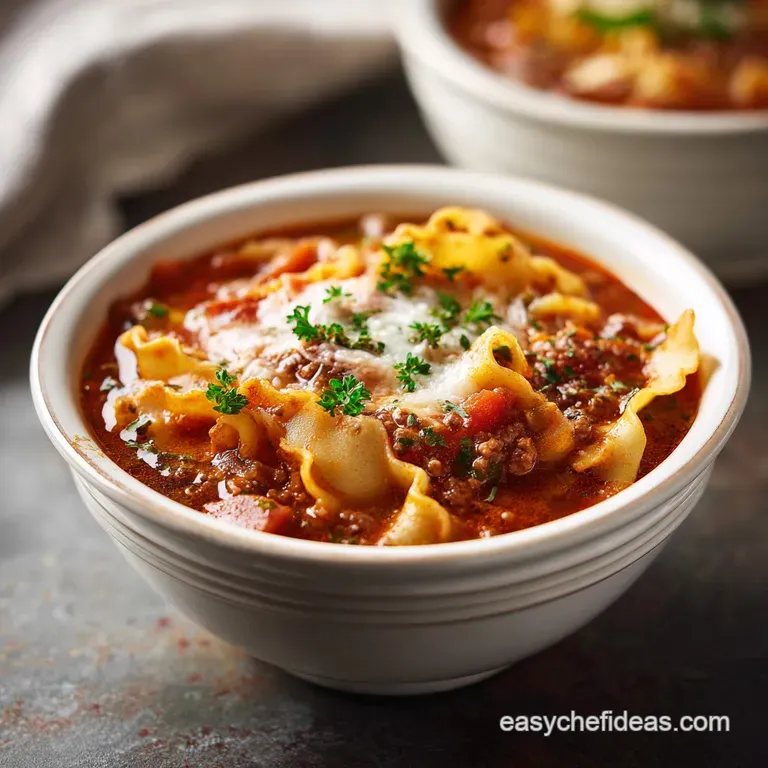
- Assemble and serve. Ladle the hot soup into deep bowls. Place a generous dollop of the cheese mixture right in the center and top with 0.25 cup torn fresh basil. The cheese should begin to melt and stretch immediately.
Chef's Tip: If you find the soup is thickening too much because the noodles are absorbing the broth, simply splash in an extra half cup of warm broth or water to loosen it back up before serving.
Avoiding Common Pitfalls and Troubleshooting Your Soup
Even the most seasoned home cooks can run into trouble when dealing with pasta based soups. The most common issue is the "disappearing broth" act, where the noodles soak up every drop of liquid until you're left with a pot of very wet pasta.
Why Your Noodles Turned to Mush
If your noodles are soft and falling apart, they were likely overcooked or left in the hot broth for too long before serving. Pasta continues to hydrate as long as it's in liquid. To fix this next time, pull the pot off the heat when the noodles are about 90% done; the residual heat will carry them to perfection.
Balancing High Acidity
Sometimes canned tomatoes can be surprisingly tart or metallic. If your soup tastes a bit too sharp, it's an acidity issue. A tiny pinch of sugar (just half a teaspoon) or a splash of heavy cream can neutralize that bite and bring the whole dish into balance.
| Problem | Root Cause | Solution |
|---|---|---|
| Thin/Watery Broth | Not enough starch or tomato paste. | Simmer uncovered for 5 mins or mash a few noodles against the side. |
| Burnt Bottom | Heat was too high or not enough stirring. | Do not scrape the burnt part! Transfer the "good" soup to a new pot immediately. |
| Bland Flavor | Under seasoning at the "blooming" stage. | Add a splash of balsamic vinegar or more salt and pepper at the end. |
To ensure every batch is a success, keep this checklist in mind as you cook:
- ✓ Pat the protein dry before searing to ensure you get a crust, not steam.
- ✓ Break the noodles by hand for those rustic, irregular shapes that hold cheese better.
- ✓ Never add the cheese mixture directly to the big pot; it will disappear into the broth rather than staying as a creamy topping.
- ✓ Use fresh garlic the jarred stuff lacks the punch needed to stand up to the tomatoes.
Adjusting the Yield for Any Size Crowd
Scaling this lasagna soup recipe is incredibly straightforward because it’s a one pot meal. However, you have to be careful with the ratio of solids to liquids as you move up or down in volume.
If you are scaling down (halving the recipe), use a smaller 3 quart pot and reduce the cook time for the aromatics by about 20%. When halving the noodles, remember they still need enough liquid to submerge completely, so don't be afraid to keep a little extra broth on hand.
When scaling up for a big party (doubling), do not double the salt or red pepper flakes initially. Start with 1.5x the amount and taste as you go. You'll likely need to sear the protein in two batches to avoid overcrowding the pan, which would cause the meat to steam instead of brown.
Use a very large stockpot (8-10 quarts) to allow enough room for the noodles to move freely without clumping together.
Creative Twists on the Classic Flavor Profile
While the classic version is iconic, there are so many ways to adapt this to different dietary needs or pantry situations. Whether you want a healthy lasagna soup recipe or something even more decadent, the base is very forgiving.
- Healthy lasagna soup recipe: Swap the traditional protein for ground turkey or a plant based crumble. Increase the veggie count by adding two cups of fresh spinach or kale during the last 2 minutes of simmering.
- Lasagna soup recipe with cottage cheese: If you aren't a fan of ricotta's texture, small curd cottage cheese is a fantastic high protein substitute. It melts beautifully and adds a lovely tang.
- gluten-free lasagna soup: Simply use your favorite gluten-free lasagna sheets. Be aware that GF pasta often releases more starch, so you may need an extra cup of broth to keep it from becoming too thick.
- Creamy lasagna soup recipe: For a truly indulgent version, stir half a cup of heavy cream into the broth just before serving. It mimics the luxurious feel of a béchamel based lasagna.
If you love the flavor profile here but want something more traditional for a Sunday dinner, you might want to check out my Classic Homemade Lasagna which scales up to 12 servings perfectly.
Proper Storage and Reducing Kitchen Waste
One of the best things about this recipe is that it tastes even better the next day with one caveat. The noodles will continue to absorb liquid in the fridge.
In the Fridge: Store the soup in an airtight container for up to 4 days. If you know you'll have leftovers, I actually recommend boiling the noodles separately and adding them to each bowl. This keeps the broth "brothy" and the noodles "al dente" for days.
In the Freezer: The broth base (everything except the noodles and cheese) freezes beautifully for up to 3 months. I don't recommend freezing the soup with the noodles already in it, as they become very mushy upon thawing.
When you're ready to eat, thaw the broth, bring it to a boil, and drop in fresh noodles.
Zero Waste Tip: Don't throw away those fresh basil stems! While we use the leaves for the garnish, the stems are packed with flavor. Finely mince them and sauté them right along with the onions and garlic to infuse the broth with even more herbal goodness.
You can also save the rinds from your parmesan cheese and toss them into the simmering broth for an extra layer of salty, nutty depth.
The Best Ways to Serve and Enjoy Your Creation
Presentation is everything with a dish this rustic. I love serving this in deep, wide bowls that allow plenty of surface area for the cheese garnish and basil. This isn't a soup you just sip; it’s a soup you experience.
For the ultimate meal, pair this with a piece of crusty sourdough or a quick garlic bread to mop up the remaining broth. A simple side salad with a bright vinaigrette provides a nice acidic contrast to the rich, cheesy soup. When you set the bowl down, encourage everyone to stir their cheese dollop into the broth.
It transforms the liquid from a clear tomato base into a creamy, pink, velvet textured sauce that tastes exactly like the center of a perfectly baked lasagna.
This dish is a reminder that wholesome, comforting food doesn't have to be complicated or time consuming. It’s about the transformation of simple elements through heat and care. Whether it's a rainy Tuesday or a celebratory gathering, this soup recipe always delivers that same feeling of home.
Enjoy the sizzle, the aroma, and most importantly, the first cheesy, herb filled bite.
10 Common Questions About Lasagna Soup
Can I make this in a crockpot lasagna soup style? Yes! Brown the protein and aromatics in a pan first, then transfer everything except the noodles and cheese to the slow cooker. Cook on low for 6 hours.
Add the broken noodles during the last 30 minutes of cooking so they don't get too soft.
Is it possible to make this soup recipe dairy-free? Absolutely. Use a plant based "ricotta" made from cashews or almonds, and swap the mozzarella and parmesan for your favorite vegan shreds. The tomato base is naturally dairy-free and full of flavor.
What if I can't find lasagna noodles? Any wide, flat pasta like pappardelle or even mafaldine (which has those lovely ruffled edges) will work perfectly. The flavor remains the same; only the "look" of the dish changes slightly.
How do I prevent the cheese from clumping? The secret is in the whisking. By mixing the ricotta, mozzarella, and parmesan together before adding them to the soup, you create a stable mixture that melts evenly rather than separating into oily clumps.
Can I use fresh tomatoes instead of crushed? You can, but you'll need to peel and crush them yourself. You will also likely need to add a bit more tomato paste to achieve the same concentrated depth of flavor that canned crushed tomatoes provide.
Is this soup recipe kid friendly? It is a huge hit with kids! It has all the familiar flavors of spaghetti or lasagna but in a fun, spoonable format. If your kids are sensitive to heat, simply omit the red pepper flakes.
Can I add vegetables to the base? Yes, finely diced carrots or celery (a traditional mirepoix) added with the onions will add extra sweetness and nutrition. Zucchini also works well but should be added toward the end so it stays firm.
Why is my soup too salty? This usually happens if you use regular broth instead of low sodium. To fix it, add a peeled potato to the pot and simmer for 10 minutes; the potato will absorb some of the excess salt. Remove the potato before serving.
Do I have to use Italian sausage? While it adds a specific fennel forward flavor, you can use all ground beef, ground pork, or even spicy chorizo if you want a different flavor profile.
Can I use dried basil instead of fresh for the garnish? While you can, I strongly recommend fresh basil for the topping. The dried herbs are great for simmering in the broth, but the fresh leaves provide a bright, aromatic finish that really makes the dish pop.

Very High in Sodium
1140 mg of sodium per serving (50% of daily value)
The American Heart Association recommends limiting sodium intake to no more than 2,300mg per day.
Tips to Reduce Sodium
-
Swap Broth-30%
Replace 6 cups low sodium chicken or beef broth with 6 cups no-salt added broth. This is a significant source of hidden sodium.
-
Choose Leaner Meats-25%
Opt for 93/7 lean ground beef and lean turkey sausage (no casings) instead of regular Italian sausage. Processed meats are often high in sodium.
-
Select Lower Sodium Cheeses-15%
Use part skim ricotta and shredded part skim mozzarella. Choose a low-sodium parmesan or use slightly less.
-
Opt for No-Salt Added Tomatoes-20%
Use 28 oz crushed tomatoes (no salt added). Canned tomatoes can contribute a surprising amount of sodium.
-
Boost Herbs and Spices
Enhance flavor with fresh garlic, onion, dried oregano, dried basil, and red pepper flakes. Don't be afraid to add more fresh herbs like basil at the end.
Recipe FAQs
What ingredients are in lasagna soup?
This recipe relies on a hearty blend of proteins, aromatics, and cheese. You will need olive oil, Italian sausage, lean ground beef, yellow onion, fresh garlic, tomato paste, chicken or beef broth, crushed tomatoes, dried oregano, dried basil, red pepper flakes, lasagna noodles, ricotta, mozzarella,
parmesan, and fresh basil.
Can a diabetic have lasagna soup?
It depends on your personal dietary requirements and portion control. While this soup contains carbohydrates from the lasagna noodles, using low-sodium broth and lean proteins helps balance the nutritional profile.
Consult your doctor or a registered dietitian to determine if this fits your specific meal plan.
Do you need heavy cream in lasagna soup?
No, it is not required. The creamy texture is achieved by melting a mixture of ricotta, mozzarella, and parmesan directly into the hot broth. If you enjoyed mastering the texture control of the cheese garnish here, you can apply that same logic to our fluffy homemade dumplings for similar results.
Is lasagna soup good for heart patients?
This can be a heart healthy option if you focus on specific modifications. We strictly use low-sodium broth and lean 90/10 ground beef, but you should monitor portion sizes for sodium and saturated fat intake according to your medical provider's advice.
How to get a deep flavor in the broth?
Sear the meat undisturbed for 2-3 minutes to develop a dark brown crust known as fond. After adding your liquids, use a wooden spoon to scrape all those browned bits from the bottom of the pot, as this creates the foundation of the soup's savory depth.
Is it true that I should cook the noodles separately?
No, this is a common misconception. Cooking the broken lasagna noodles directly in the simmering broth allows the starches to release, which naturally thickens the soup and ensures every bite is fully infused with the tomato and herb flavors.
How to handle leftovers?
Store the broth and the cheese mixture in separate airtight containers in the refrigerator. Because the noodles will continue to absorb liquid over time, it is best to reheat the soup base on the stove and add fresh cheese garnish right before serving.
One Pot Lasagna Soup
Ingredients:
Instructions:
Nutrition Facts:
| Calories | 552 calories |
|---|---|
| Protein | 32g |
| Fat | 26g |
| Carbs | 37g |
| Fiber | 4g |
| Sugar | 8g |
| Sodium | 1140mg |
