The No Fuss No Mess Noroll Pie Crust Perfectly Crumbly Every Time
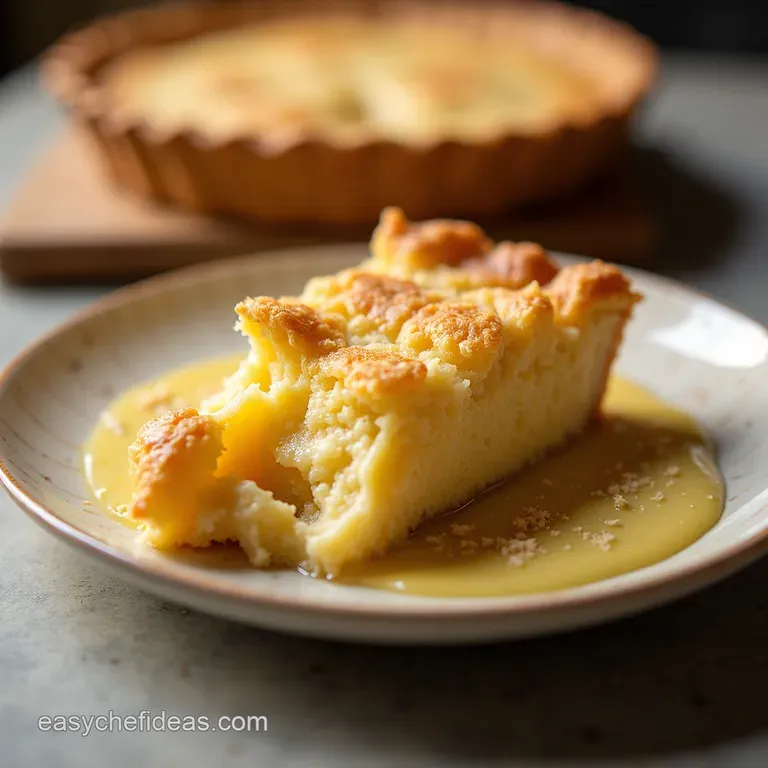
- Ditch the Dough Drama: Unveiling the Effortless NoRoll Pie Crust Magic
- Why This Press-In Pastry Outperforms Traditional Rolling Methods
- Essential Components for Your Press-In Foundation
- Mastering the Perfect Ratio: Ingredients for this NoRoll Pie Crust
- Step-by-Step Guide to Creating Your Ready-to-Fill Shell
- Assembling the NoRoll Pie Crust: From Mixer to Pie Dish
- Baking Beyond the Basics: Variations and Troubleshooting for Your Pastry
- Maximizing Shelf Life: Storing Your Unbaked and Baked Shells
- Recipe FAQs
- 📝 Recipe Card
Ditch the Dough Drama: Unveiling the Effortless NoRoll Pie Crust Magic
If the words "rolling pin" and "flour explosion" send shivers down your spine, welcome home. We’ve all been there: staring down a recipe demanding a perfectly rolled, perfectly shaped pie crust, only to end up with a soggy, torn mess that resembles abstract art more than edible pastry. That struggle ends today.
We are diving headfirst into the wonderfully simple world of the NoRoll Pie Crust . This technique bypasses the traditional, high stress rolling phase entirely, replacing it with a fast, forgiving pressing method that guarantees a tender, flaky base suitable for any occasion, whether you’re baking a decadent holiday dessert or preparing a hearty No Roll Pie Crust for Quiche .
Why This Press-In Pastry Outperforms Traditional Rolling Methods
The beauty of this preparation lies in its simplicity and the way it manages gluten development. Traditional rolling requires careful handling to avoid toughness; overworking the dough activates the gluten strands too much.
When you employ the press-in technique central to this Easy No Roll Pie Crust , you are limiting the physical manipulation of the flour, resulting in a naturally more tender final product. It’s the ultimate shortcut for achieving bakery quality results without the corresponding drama.
The Secret Weapon Against Pastry Panic
The real secret sauce here isn't a fancy ingredient, but a physical technique. By cutting the fat into the flour until it resembles coarse crumbs and then binding it with minimal liquid, you are essentially creating a mixture that naturally wants to hold its shape when compressed.
This crumb structure means you are not fighting the dough; you are merely encouraging it into the shape of your pie dish. It’s an accessible method, making this one of the most reliable Easy Pie Dough options available.
When Time is Short: A Baker's Instant Gratification Solution
We often associate homemade pastry with lengthy preparation windows, but this methodology cuts down on active time significantly. Once the ingredients are pulsed, shaped into a disk, and chilled, the most labour intensive part the rolling is eliminated.
This speed makes it perfect for weeknight baking when the craving for pie strikes unexpectedly. For those seeking fast results without sacrificing quality, this method epitomizes excellent No Roll Pie Crust Recipes .
Achieving Flakiness Without the Flour Dust Storm
Flakiness is all about distinct pockets of fat (butter) insulated by flour. When the cold butter hits the hot oven, the water inside turns to steam, forcing those layers apart, creating lift and flakiness.
Since this NoRoll Pie Crust relies on a pressing action rather than stretching, those precious, distinct pieces of cold butter remain largely intact through the mixing stage, ready to perform their flaky magic during baking.
Essential Components for Your Press-In Foundation
Creating a superb foundation requires precision, particularly regarding temperature. While the technique is simple, the quality of your ingredients, especially the fat and the water, dictates the final texture.
We are aiming for the tenderness of a shortcrust with the light flakiness of puff pastry, all achieved with minimal effort.
Mastering the Perfect Ratio: Ingredients for this NoRoll Pie Crust
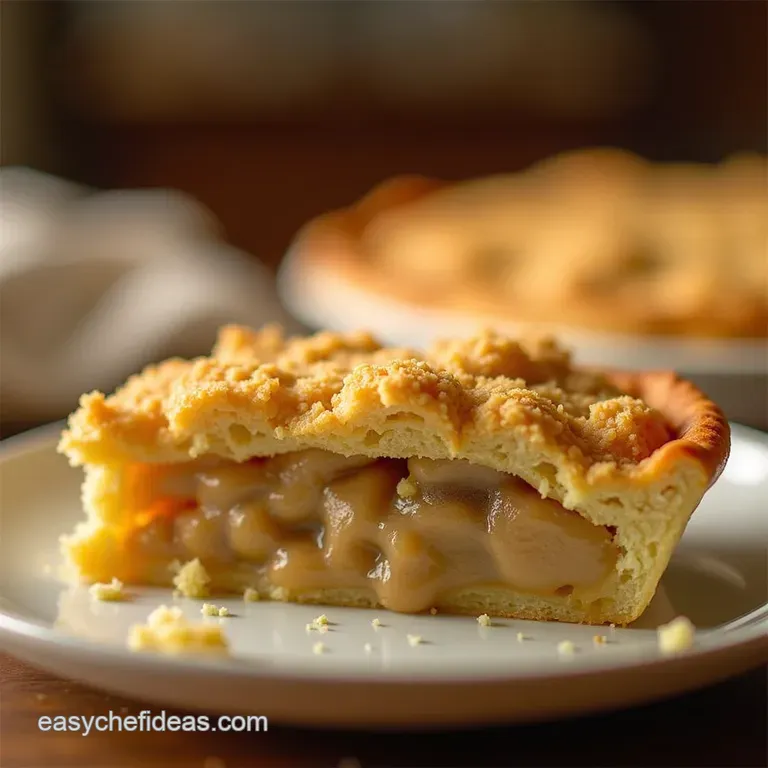
The success of this specific No Roll Pie Crust with Melted Butter (or cold butter, which we prefer for maximum lift) relies heavily on keeping everything frigid. The ratio of flour to fat is standard, but the way you introduce the water is where the magic happens.
For those looking for a richer, more tender variation, exploring a No Roll Pie Crust with Cream Cheese is also an excellent alternative, though our primary recipe focuses on the classic butter base.
What You Need: Exact Measurements for Success
To yield one standard 9 inch (23cm) single crust shell, you will gather 1 ¼ cups (150g) of all-purpose flour, ensuring it is spooned and leveled for accuracy. Flavor balance is achieved with ½ teaspoon of fine sea salt, and if you’re making a sweet pie, a single teaspoon of granulated sugar adds just a hint of complementary sweetness.
The star, however, is the fat: ½ cup (113g) of high-quality unsalted butter, cut into small, cold ½-inch cubes. Finally, you'll need between 3 to 5 tablespoons of ice water the difference between a crumbly mixture and a cohesive dough.
The Chilling Factor: Tips for Perfect Cold Fats
Your butter must be very cold straight from the back of the refrigerator or even briefly placed in the freezer beforehand. This coldness is non-negotiable. If you opt for a No Roll Pie Crust with Oil variation, remember that oil is liquid at room temperature, so you must use other methods (like adding cornstarch) to mimic the layered structure that cold butter provides.
For this recipe, however, the butter must remain firm during the cutting-in phase.
Recommended Gear: Tools that Make Pressing Simple (Beyond the Rolling Pin)
While this recipe avoids a rolling pin for the main shaping, a food processor is highly recommended as it incorporates the fat quickly, minimizing heat transfer from your hands. If using a bowl, a pastry blender or two knives works wonders.
For the actual shaping in the pan, the bottom of a flat measuring cup makes an excellent Dough Press for ensuring an even thickness across the base and sides.
Related Recipes Worth Trying
- Foolproof Flaky Pie Dough Recipe Butter Pastry From Scratch — Master homemade pie dough with this classic Pâte Brisée that guarantees shatteringly crisp pastry Learn how to make pie dough simple even with butter
- The Best AllButter Foolproof Flaky Pie Dough Recipe — Master the art of homemade pie crust with this allbutter recipe Achieve perfectly flaky layers for any sweet or savoury filling Get the technique tips now
- The Best French Silk Pie Recipe MeltinYourMouth Heaven — Discover how to make the most decadent French Silk Pie with a crisp chocolate crust This recipe delivers that perfect meltinyourmouth texture Get baking
step-by-step Guide to Creating Your Ready-to-Fill Shell
The process flows swiftly from dry ingredients to chilled disk. Remember, the goal is speed during mixing to maintain the temperature integrity of the butter.
Assembling the NoRoll Pie Crust: From Mixer to Pie Dish
Once your dry ingredients and cold butter are combined, the final steps involve careful hydration and forming before the essential chill time.
Pulsing Perfection: Achieving the Right Crumb Texture
In the food processor, combine the flour, salt, and optional sugar. Pulse briefly to mix. Next, add the cubed, cold butter. Pulse in short bursts about 8 to 10 times until the mixture resembles coarse crumbs, where you can still distinctly identify pieces of butter about the size of small peas.
This uneven texture is what creates those desirable flakes later on.
The Gentle Press: Forming the Crust Without Tearing
Now, drizzle in the ice water, one tablespoon at a time, pulsing briefly after each addition. Stop adding water the moment the dough starts to clump together when squeezed. It should look shaggy, not smooth. Dump this mixture onto a clean surface. Gently gather the crumbs into a cohesive mass; do not knead it!
Press this mass firmly into a flat disk, about 1 inch thick, wrap it tightly, and refrigerate for at least 30 minutes. This crucial chilling period allows the gluten to relax and the butter to firm up again, setting the stage for easy pressing.
Blind Baking Bliss: Prepping Your Base for Any Filling
After chilling, place the disk directly into your 9 inch pie plate. Begin pressing the dough firmly and evenly from the center outwards, ensuring you push it right up the sides. Use your fingertips or the base of a smooth measuring cup for best results. Trim the overhang and crimp the edges attractively.
For best anti shrinkage results, place the shaped shell in the freezer for 15 minutes before blind baking. Dock the bottom thoroughly with a fork before baking according to your recipe needs.
Baking Beyond the Basics: Variations and Troubleshooting for Your Pastry
This adaptable shell works beautifully with almost any filling, but customization allows you to tailor it perfectly to your palate.
Expert Tweaks: Customizing Flavors for Sweet and Savory Pies
To elevate this No Roll Pie Crust Recipe , consider savory additions. For a quiche, incorporate 1 teaspoon of dried herbs like thyme or rosemary, and perhaps ¼ cup of finely grated Parmesan cheese along with the flour.
For sweet pies, a pinch of cinnamon or nutmeg within the dry ingredients adds immediate depth. This recipe is wonderfully versatile; whether you want a base for a lemon meringue or a mushroom tart, these small additions yield big rewards.
Troubleshooting Common Crumb Consistency Issues
If your dough seems too dry and won't come together when squeezed, add water half a teaspoon at a time until it just binds. If it feels sticky or oily, you’ve likely added too much water or the butter was too warm; remedy this by wrapping it tightly and ensuring it chills for the full 30 minutes, or even longer.
If you find the pressed dough is cracking excessively when you try to lift the edges, it might be too cold; let it sit at room temperature for five minutes before shaping.
Freezing Strategies: Making Ahead for Future Baking Adventures
The beauty of this sturdy dough is its freezer friendliness. Once you have pressed the unbaked shell into the pie plate (pre-freezing for 15 minutes is ideal here), cover the entire plate securely with plastic wrap or foil and freeze for up to three months.
When ready to use, you can often bake it directly from frozen, adding about 10- 15 minutes to the standard baking time.
Nutritional Insights for the Health Conscious Baker
While pastry is inherently an indulgence, understanding the composition helps. This recipe relies heavily on butter for flavour and texture, meaning it is higher in fat. However, by making it yourself, you control the quality of the fat used.
If you are mindful of sodium, be sure to use unsalted butter and reduce the added salt slightly.
Maximizing Shelf Life: Storing Your Unbaked and Baked Shells
Unbaked, tightly wrapped disks of dough can be kept happily in the refrigerator for up to two days, ready to be pressed into a pan at a moment’s notice. Once baked, a fully blind baked shell will keep well at room temperature for about 24 hours if stored properly in an airtight container, making it an excellent base ready for any custard or fresh fruit filling.
Recipe FAQs
No roll pie crust with melted butter
For this superb NoRoll Pie Crust, ensure your butter is truly ice cold and cut into small pieces for the best texture when processing. If you're short on time, you can often skip the full chill time if your kitchen is cool, but a quick 15-minute rest will still improve the dough's manageability.
Always press the dough evenly into the pie plate using your fingertips or the bottom of a measuring cup.
Amish no roll pie crust
For this delightful NoRoll Pie Crust, ensure your butter is truly ice cold and cubed small for optimal flakiness when using a food processor; pulse until the mixture resembles coarse meal. If chilling time is tight, remember that a very cold dough prevents sticking, but 30 minutes is crucial for gluten relaxation.
This crust can be prepared ahead and wrapped tightly, storing beautifully in the refrigerator for up to two days or frozen unbaked for a month.
No roll pie crust without butter
To create a successful NoRoll Pie Crust without rolling, ensure your butter is absolutely frozen or very cold and cut into small cubes. The key is incorporating the fat just enough so it resembles coarse sand with some pea-sized pieces remaining before adding the ice water gradually until the dough just comes together when squeezed.
You can chill the pressed dough for at least 30 minutes before baking to help it hold its shape beautifully.
No-Roll pie crust King Arthur
For this easy NoRoll Pie Crust, ensure your butter is truly ice cold and cut into small cubes for the best flaky texture when mixing in the food processor. If pressing it out seems tricky, chilling the dough for at least 30 minutes will firm it up beautifully, making handling much simpler before fitting it into your pie plate.
This dough freezes wonderfully; wrap the disk tightly and use within three months for optimal flavour.
Noroll Pie Crust Recipe
Ingredients:
Instructions:
Nutrition Facts:
| Calories | 43 kcal |
|---|---|
| Protein | 1.5 g |
| Fat | 9.2 g |
| Carbs | 8.9 g |
| Fiber | 0.2 g |
| Sodium | 4458 mg |
