Spring May Queen Floral Cocktail with Elderflower
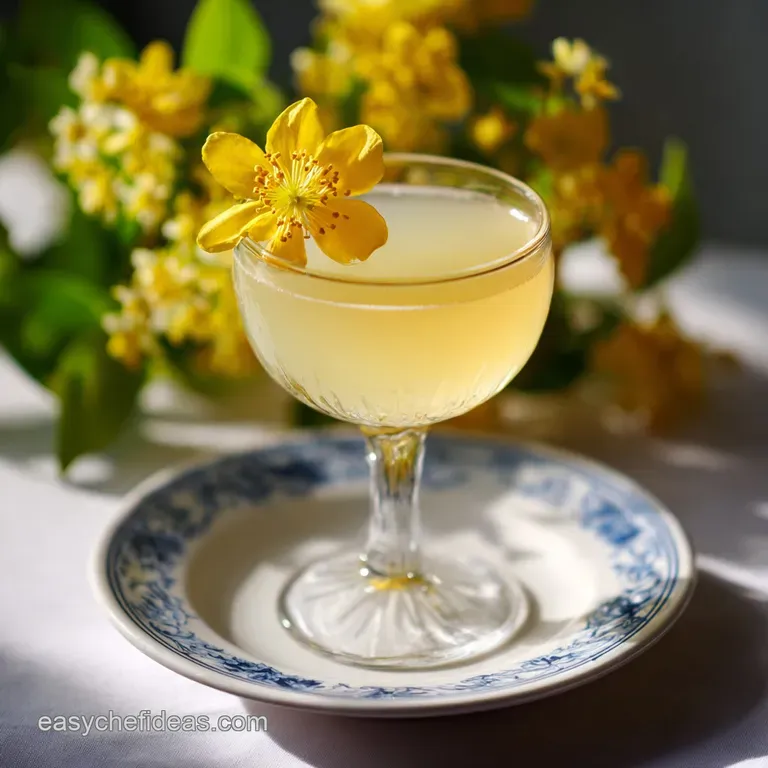
- Time: Active 5 minutes, Passive 10 minutes, Total 15 minutes
- Flavor/Texture Hook: Crisp, floral, and effervescent with a silky honey finish
- Perfect for: Garden parties, Midsommar celebrations, or a nourishing weekend wind down
- Spring May Queen Floral Cocktail with Elderflower
- Botanical Synergy and Science
- Understanding Your Ingredient Roles
- Primary Spirits and Substitutes
- Perfect Steps for Mixing
- Solving Common Flavor Imbalances
- Scaling for Your Garden Party
- Debunking Botanical Cocktail Myths
- Preserving Flavors and Reducing Waste
- Recipe FAQs
- 📝 Recipe Card
Spring May Queen Floral Cocktail with Elderflower
Picture this: the sun is just beginning to dip behind the fence, and the air is thick with the scent of damp earth and blooming jasmine. I first made a version of this during a particularly chaotic May Day celebration where the only thing that kept us sane was a tray of these golden hued drinks.
The first sip is like a sensory reset, hitting you with the sharp zing of lemon before settling into that unmistakable, velvety elderflower sweetness. Sip on springtime with this delightful Spring May Queen Floral Cocktail with Elderflower recipe.
We've all been through those parties where the drinks are either too sugary or taste like straight rubbing alcohol, right? Honestly, I used to be terrified of floral liqueurs because I didn't want my cocktail tasting like a bottle of perfume.
But after a few experiments (and some very happy neighbors who acted as taste testers), I realized the secret is all in the herbal bridge. By using a honey thyme syrup instead of plain sugar, we ground the "ethereal" flower notes into something much more complex and satisfying.
This drink isn't just a cocktail; it's a tribute to the diversity of spring botanicals. You're going to love how the London Dry gin provides a sturdy, juniper heavy backbone while the thyme adds a whisper of savory mystery.
It’s light enough for a brunch but deep enough to satisfy that "need a real drink" feeling after a long day of gardening. Let’s get into why this specific combination hits the mark every single time.
Botanical Synergy and Science
Aromatic Extraction: When you "slap" the thyme sprig, you're physically breaking the oil sacs on the leaf surface without crushing the bitter chlorophyll containing veins.
Solubility Spectrum: The 40% alcohol in the gin acts as a perfect solvent, pulling the volatile floral esters from the elderflower liqueur and holding them in suspension so they don't evaporate the moment they hit the air.
Sugar Density Stabilization: Using honey instead of white sugar provides a heavier molecular weight, which helps the tiny bubbles from the club soda stay trapped in the liquid longer, keeping your drink fizzy for the entire duration of the sip.
| Method | Prep Time | Depth of Flavor | Best For |
|---|---|---|---|
| Fast Method | 2 minutes | Bright and simple | Impromptu guests |
| Classic Queen | 15 minutes | Complex and herbal | Celebrations |
| Infused Variation | 24 hours | Intense and earthy | Dedicated enthusiasts |
Choosing the right approach depends on how much time you have to let those thyme oils mingle with the honey. While the fast method works in a pinch, taking those extra ten minutes to simmer the honey thyme syrup transforms the drink from a basic mix to a layered experience. This technique is quite similar to the delicate flavor balancing I use in my Blue Caruso Drink recipe, where botanical notes are the star of the show.
Understanding Your Ingredient Roles
| Ingredient | Science Role | Pro Secret |
|---|---|---|
| London Dry Gin | Structural Backbone | Use a brand with high juniper content to cut through the sweet elderflower. |
| Elderflower Liqueur | Floral Modifier | Keep this chilled; warm liqueur can make the drink taste cloyingly sweet. |
| Honey Thyme Syrup | Emulsifier | Using raw honey adds a floral diversity that processed syrups simply lack. |
| Fresh Lemon Juice | pH Balancer | Always strain your juice; pulp interferes with the "shatter" of the cold temperature. |
Each of these components plays a specific part in the "community" of flavors. The gin provides the heat and the pine, the elderflower brings the perfume, and the lemon provides the necessary acid to keep the honey from feeling too heavy on the tongue.
Primary Spirits and Substitutes
To make this Spring May Queen Floral Cocktail with Elderflower, you'll need the following specific items from your pantry or bar cart.
- 2 oz Premium London Dry Gin: This provides the crisp, clean finish. Why this? Juniper notes perfectly complement the herbal thyme and sweet elderflower.
- Substitute: Vodka (adds less flavor but keeps the floral notes front and center).
- 1 oz Elderflower Liqueur: The heart of the drink's floral profile. Why this? It provides a unique, lychee like sweetness that is quintessentially spring.
- Substitute: Pear liqueur with a drop of rose water (mimics the soft floral tone).
- 0.75 oz Freshly squeezed lemon juice: For that essential bright acidity. Why this? Bottled juice tastes flat; fresh juice provides the "zing" that wakes up the botanicals.
- Substitute: Lime juice (adds a sharper, more tropical edge).
- 0.5 oz Honey Thyme Syrup: A 1:1 ratio of honey to water simmered with thyme. Why this? Honey adds a velvety mouthfeel that simple syrup cannot replicate.
- Substitute: Maple syrup (adds a woodsy, autumnal note instead of herbal).
- 2 oz Chilled Club Soda: For the effervescent finish. Why this? It lightens the density of the honey and alcohol.
- Substitute: Sparkling mineral water (adds a slightly salty, crisp mineral finish).
- 1 sprig Fresh organic thyme: The primary aromatic garnish.
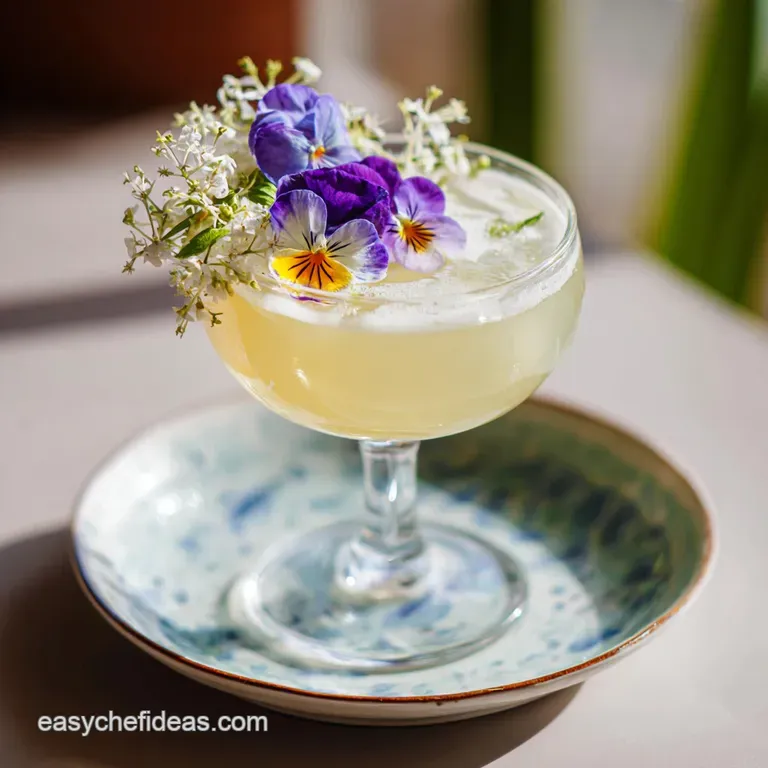
- 2-3 Edible flowers: Such as pansies or violas for the "May Queen" look.
- 1 Thin lemon wheel: For visual balance and a hit of citrus oil.
Chef Tip: Freeze your gin for 20 minutes before mixing. Higher viscosity in the alcohol results in a more velvety texture once it hits the ice, preventing immediate dilution.
Perfect Steps for Mixing
Phase 1: Prepare the Botanical Infusion
Combine the honey and water in a small pan over low heat. Add the thyme sprig and stir until the honey completely dissolves and the liquid starts to smell like a herb garden. Remove from heat and let it steep for 10 minutes before straining.
Phase 2: The Shake and Aeration
Add the 2 oz of gin, 1 oz of elderflower liqueur, 0.75 oz of lemon juice, and 0.5 oz of the cooled syrup into a shaker filled with plenty of ice. Shake vigorously for 15 seconds until the shaker is painfully cold to the touch and a frost forms on the outside.
Note: This aeration creates the tiny micro bubbles that make the drink feel light.
Phase 3: The Double Strain
Place a fine mesh strainer over a chilled coupe glass or a rocks glass filled with fresh ice. Pour the mixture through the strainer until the liquid is crystal clear and free of ice shards. This ensures the texture remains silky rather than crunchy.
Phase 4: The Effervescent Lift and Garnish
Top the glass with 2 oz of chilled club soda. Note: Pour slowly down the side of the glass to preserve the bubbles. Gently slap the fresh thyme sprig against your palm to release the oils and tuck it into the glass along with the lemon wheel and edible flowers.
The aroma should hit you the moment you bring the glass to your lips.
Solving Common Flavor Imbalances
Why Your Drink Tastes Soapy
This usually happens when the elderflower liqueur or the edible flowers are overused. Some flowers, like lavender or certain marigolds, can lean toward a medicinal or soapy flavor if they sit in the liquid too long. Stick to the measured ounce of liqueur and use mild flowers like pansies.
Fixing a Diluted Drink
If your cocktail feels watery, it’s likely your ice was too "wet" (already melting) or you shook it for too long. To fix this, you can add a tiny splash more gin to sharpen the profile, but the best preventive measure is to use large, solid ice cubes.
| Problem | Root Cause | Solution |
|---|---|---|
| Too Sweet | Honey ratio too high | Add 0.25 oz more lemon juice to cut the sugar. |
| Flat Taste | Soda lost carbonation | Use a fresh, small format bottle of soda for every two drinks. |
| Bitter Aftertaste | Muddled thyme leaves | Only slap the thyme; never crush it with a muddler. |
Common Mistakes Checklist
- ✓ Always use fresh lemon juice; bottled versions contain preservatives that mask floral notes.
- ✓ Chill your glassware in the freezer for 10 minutes to maintain the temperature.
- ✓ Don't skip the "slap" on the thyme; those essential oils are the secret to the aroma.
- ✓ Measure accurately; the balance between 0.75 oz and 1 oz is the difference between tart and cloying.
- ✓ Add the club soda last to ensure the carbonation stays at the top of the glass.
Scaling for Your Garden Party
If you are hosting a larger community gathering, you can easily scale this up. For a batch of 8 people, use 16 oz of gin, 8 oz of elderflower liqueur, 6 oz of lemon juice, and 4 oz of syrup. Mix these in a large pitcher without ice to prevent dilution.
When scaling up, remember that spices and herbs don't always scale linearly. Only use about 1.5 times the amount of thyme you would think you need, otherwise the savory notes might overwhelm the floral ones.
Keep the club soda separate and add it to each individual glass just before serving to ensure every guest gets that perfect hiss of carbonation.
Debunking Botanical Cocktail Myths
Many people believe that "floral" always means "feminine" or "sweet." In reality, botanicals like elderflower and thyme provide a complex, earthy profile that is quite dry when balanced with the right gin. Another myth is that you must muddle herbs to get flavor.
As we've discussed, muddling often releases bitter compounds. A simple slap or a gentle stir is almost always better for delicate herbs.
Finally, don't think you need professional bar tools. A mason jar works perfectly as a shaker, and a tea strainer can handle the double straining process. The focus should be on the quality of the ingredients and the temperature, not the price of the equipment.
Preserving Flavors and Reducing Waste
Storage: The honey thyme syrup can be stored in an airtight jar in the fridge for up to 1 week. The cocktail itself is best enjoyed immediately, but you can pre mix the gin, liqueur, and lemon juice (the "base") and store it in the fridge for up to 4 hours.
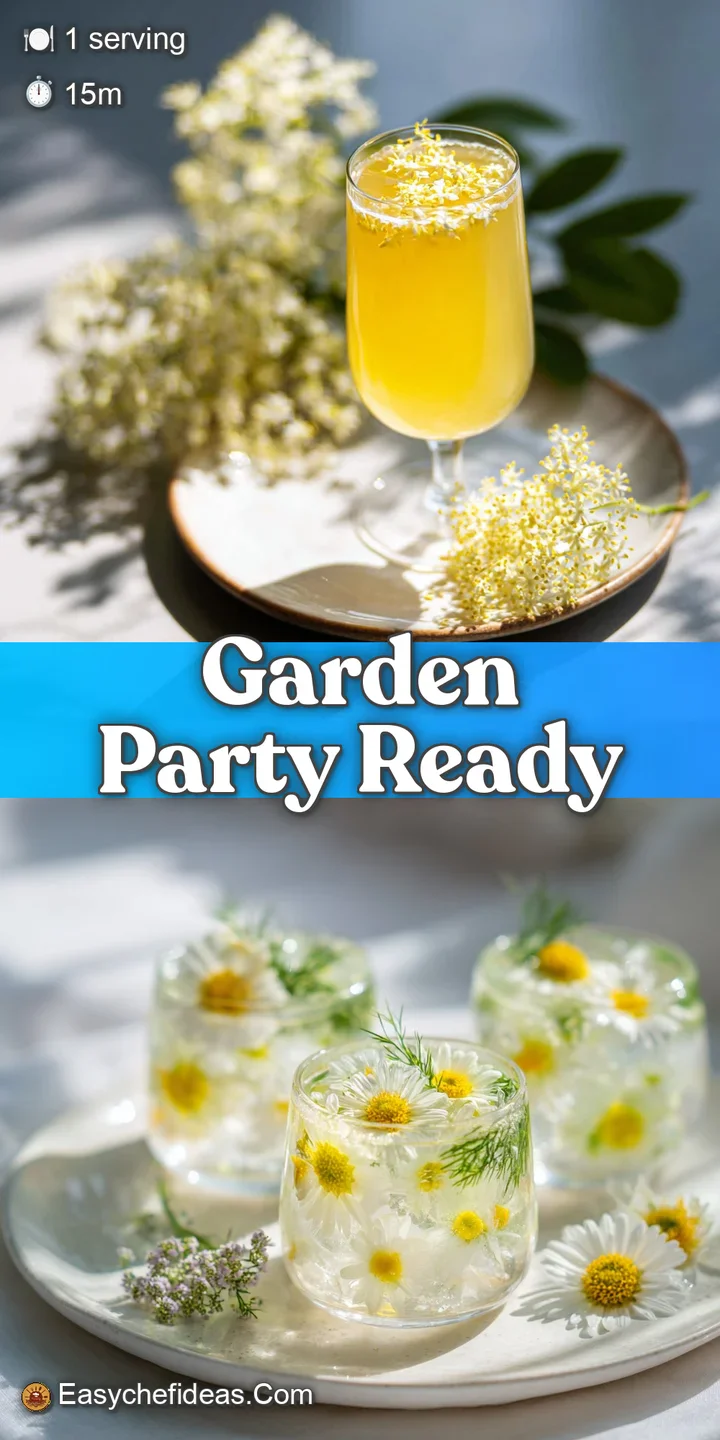
Zero Waste: Don't toss those spent lemon halves! Toss them into a jar of white vinegar for a week to create a citrus scented natural cleaner. The leftover thyme stems from your syrup can be dried and thrown into a pot of Classic Chinese Vegetable Soup or used to smoke meat on the grill. If you have extra edible flowers, they look stunning frozen into ice cubes for your next round of drinks or served alongside my These Mini Cakes recipe. Nourish your garden by composting the lemon rinds after they've been used for cleaning.
Recipe FAQs
What is the May Queen floral cocktail?
It is a spring inspired cocktail. This drink balances premium London Dry Gin with sweet elderflower liqueur, tart lemon juice, and an earthy honey thyme syrup. It aims to capture the fresh, complex essence of a blooming spring garden.
What alcohol goes best with elderflower?
Gin is the best pairing for elderflower liqueur. The juniper backbone of a good London Dry cuts through the sweetness of the elderflower beautifully, providing necessary structure. Vodka is a neutral second choice if you want the floral notes to dominate completely.
What was Al Capone's favorite cocktail?
No reliable historical record confirms Al Capone's single favorite cocktail. While he favored classic gin-based drinks before Prohibition, such as the Gin Rickey, specific favorites from his era were often masked with fruit juices due to poor spirit quality.
What is the queens cocktail recipe?
Combine 2 oz Gin, 1 oz Elderflower Liqueur, 0.75 oz Lemon Juice, and 0.5 oz Honey Thyme Syrup. Shake hard with ice, then double strain into a chilled glass. Top with 2 oz of chilled club soda for effervescence.
How do I make the honey thyme syrup ahead of time?
Simmer equal parts honey and water until dissolved, steeping a thyme sprig for 10 minutes. Remove from heat and strain before cooling completely. You can apply this exact principle of creating a flavored simple syrup for savory dishes, similar to the base needed for my Coq au Vin recipe to build deep flavor profiles.
Should I use cheap gin to make this floral cocktail?
No, use a mid-to-high-quality London Dry Gin. Because this cocktail features delicate floral notes, a harsh, inexpensive gin will create a bitter finish that overpowers the elderflower.
If you are focusing on flavor balance here, consider how mastering temperature control helps every spirit shine, a skill essential for any high-quality drink or dish.
Can I make this recipe non-alcoholic?
Yes, you can successfully create a zero proof version. Substitute the gin with non-alcoholic gin alternatives or simply use more sparkling water for volume. Reduce the elderflower liqueur slightly to avoid excessive sweetness, and ensure your honey syrup is well strained.
May Queen Floral Cocktail
Ingredients:
Instructions:
Nutrition Facts:
| Calories | 280 kcal |
|---|---|
| Protein | 0.2 g |
| Fat | 0.1 g |
| Carbs | 21.2 g |
| Fiber | 0.2 g |
| Sugar | 20.1 g |
| Sodium | 18 mg |
